
From City Glow to Cottage Flow – How to Blend Urban Energy with Cozy Comfort
Many of us love the energy of the city but want a home that feels like a cottage retreat. An urban cozy interior mixes both: sleek materials such as metal, glass and concrete next to soft textiles, plants, warm light and natural wood. Here is how to combine city style with real comfort, room by room, without the result looking like two apartments glued together.
Table of Contents
Key Takeaways: Urban Cozy Interior
- Add plants, wood and other natural materials to warm up sleek city finishes.
- Layer your lighting: bright light for tasks, soft warm light for evenings.
- Mix modern pieces with vintage or rustic accents so the two styles balance.

Urban Aesthetics: Capturing the City’s Vibrance
Bringing city style into a home takes more than a few decorative items. Think about what you love about urban life: clean lines, strong materials, big windows, a bit of grit and a lot of energy. Pick two or three of those qualities and let them show up in your architecture and furniture. Then soften them with cottage textures, so the city glow and cozy comfort share the room instead of fighting for it.
A simple ratio helps. Let one style lead, at roughly 70 to 80 percent of the room, and use the other as an accent. A loft with concrete floors and steel windows might lead with urban and get its coziness from rugs, linen and old wood. A small cottage might keep its painted beams and add a few sharp black metal pieces for contrast.
The Allure of Urban Design Elements
Urban design elements make a space feel modern and alive. Exposed brick walls, metal accents and large windows open a room and give it character. The raw look of industrial design also contrasts nicely with the soft textures of cottage décor, so the mix feels grounded and current at the same time. If you rent, brick-look panels, black curtain rods and metal-framed mirrors give a similar effect without construction.
Infusing City-Inspired Colors and Textures
Color and texture do most of the work in setting an urban mood. Greys, blues and blacks, with a few bold pops of color, echo the cityscape while leaving room for personal taste. Materials such as leather and metal fabrics bring an edgy feel, and a touch of street-art color in prints or accessories ties the look together.
City-inspired colors bring urban energy home. A deep blue accent wall can recall the evening sky over a skyline, while muted grey textures suggest concrete sidewalks. Try cushions or artwork that echo murals you have seen around town, and balance them with soft fabrics and soothing cottage hues like cream, sage and faded rose. Keep bold colors to a few spots, about one wall or three accessories per room, so the space stays restful.
Nature’s Embrace: Integrating Cozy Elements
A cozy home in the city depends on bringing in nature’s elements alongside the urban design. Comfort comes from details that recall quiet country life: a reading corner with a deep chair, a wool throw, a basket of logs or books, a lamp with a fabric shade. These spots invite you to slow down, however busy the street outside gets.
Choosing Warm Textiles and Natural Materials
Choose textiles that feel warm, such as wool, cotton and linen. They add texture you can feel and make a room cozier straight away. Furniture in reclaimed wood or bamboo brings an organic look and is a more sustainable choice. Pair soft throws and plush pillows with simple wooden chairs, and you get a balanced mix that lets you relax properly at home.
For hard surfaces, look for pieces that show their material honestly: a solid oak table, a leather chair that will develop a patina, handmade ceramic lamps. Too many shiny, identical finishes read as showroom rather than home. Rugs matter a lot in city apartments with hard floors. Pick one large enough that at least the front legs of the sofa and chairs sit on it, which pulls the seating group together.
The Role of Plants and Greenery in Creating Comfort
Plants are more than decoration; they make a room feel alive and are a treat for the senses. A lush Boston fern or a peace lily adds softness to hard city surfaces. Most city apartments have limited light, so pick plants to match: peace lilies, pothos and ZZ plants handle lower light, while ferns like bright, indirect light and humid air, such as in a bathroom.
Many people find that living with plants lifts their mood and makes a home feel more restful. Group plants in a cozy corner or let trailing ones spill from shelves for a soft, layered look. You could also set up a small “plant corner” on a sunny windowsill with herbs like basil or mint. Basil wants about six hours of sun, and it rewards you with fresh flavor for cooking. Tending them for a few minutes a day is a simple, grounding habit.
The Art of Transition: Blending Spaces with Purpose
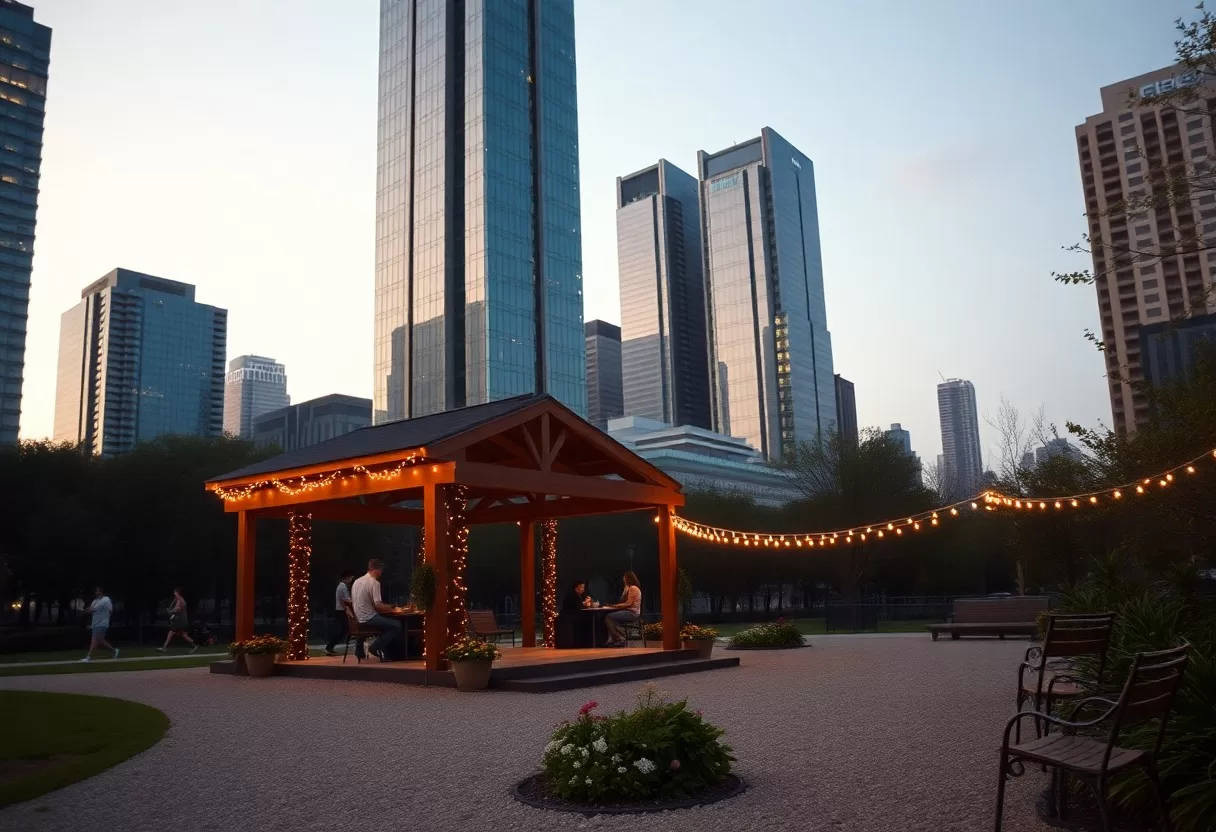
Moving between city energy and countryside calm takes some planning, so the styles connect rather than clash. Choose elements that nod to both worlds, then repeat natural textures, a shared color palette and similar light sources from room to room. Repetition is what makes a mix look intentional. The goal is a home where you can leave the rush of the city at the door and settle into a cottage-like pace within minutes.
Creating Shared Spaces that Reflect Both Worlds
Create a living area that combines urban and rustic charm so you and your guests feel equally at home. That could mean a large, comfortable sofa for long conversations, surrounded by cityscape prints and vintage finds from flea markets. Look for unifying pieces, such as a reclaimed wood coffee table under sleek, contemporary lighting, that bridge lively city energy and cottage comfort.
Keep the layout practical. Leave about 30 to 36 inches for main walkways, and set the coffee table roughly 16 to 18 inches from the sofa so it is easy to reach. In an open-plan apartment, use a rug, a pendant light or the back of a sofa to define each zone, so the kitchen, dining and lounge areas each feel like their own small room.
Strategically Placing Signature Urban and Cottage Decor
Placing decor with care is the key to mixing urban and rustic styles. Put city-inspired art or sculpture near cozy, farmhouse-style furniture. Combine metal accents with soft textiles like wool throws and linen curtains for warmth. A bold contemporary painting above an old fireplace or a vintage dresser makes a strong focal point that speaks to both worlds.
To mix urban and cottage decor well, think about where each piece sits and how it relates to its neighbors. A sleek, modern coffee table can anchor a living room while a wicker basket of blankets or chunky knit pillows softens it. In the dining area, industrial metal chairs around a reclaimed wood table make a good contrast and a natural conversation starter. Contrast like this keeps the eye moving and lets your home tell its own story, with city energy on one side and countryside calm on the other.
Lifestyle Fusion: Finding the Balance between Urban and Rustic
Balancing the pace of city life with a slower, rustic rhythm takes intention and some creativity. Start with what inspires you. At home, a mix of sleek modern furniture and eclectic vintage pieces captures that duality. Outside it, plan time for both: an evening at a gallery or a new restaurant, and a slow walk in the park or a weekend craft workshop.
Establishing a Routine that Reflects Both Energies
A daily routine can reflect both energies, too. You might start with a short yoga session or a brisk walk to wake up, then head into the fast pace of the workday. In the evening, wind down in a cozy reading nook with a warm drink and a lamp on a dimmer. Your home supports this rhythm when it has a bright, organized spot for getting ready and a soft, low-lit corner for unwinding.
Culinary Inspirations: Mixing Urban Fusion with Cottage Classics
Your cooking can mix city flair and farmhouse comfort as well. Think of a homemade pizza topped with heirloom tomatoes and good local cheese, or a simple farmhouse pasta lifted by a rich mushroom or truffle sauce. The kitchen itself can follow the same idea: open shelves with everyday crockery, a butcher-block board, and a sleek range hood or modern faucet for contrast.
Exploring *culinary inspirations* opens up plenty of options for different tastes. One easy mix is street-food flavor with cottage simplicity: tacos filled with fresh garden vegetables and a smoky chipotle sauce, for example. Cook with what is in season from farmers’ markets or your own pots and beds, and you will find dishes that feel both creative and homey. Cooking this way also connects you with local growers and with the people you share the meal with.
Emotional Wellness: Crafting Your Psychological Comfort Zone
A home that feels emotionally comfortable helps you recharge after busy days. Include things with personal meaning, like art you love or family heirlooms, which make a place feel like yours. Think about how textures, colors and lighting make you feel, and choose the ones that calm you. A space like this becomes a real refuge from the stress of city life and a place where your mind can rest.
The Significance of Mood and Atmosphere in Design
Mood and atmosphere shape how a room feels to be in. Soft, warm tones tend to feel cozy and calm, while bright, saturated colors feel more energetic. Furniture, decor and layout matter as well, because they invite you either to relax or to get things done. Lighting is the quickest lever: warm bulbs around 2700 K feel restful in the evening, while cooler, brighter light suits a desk or kitchen. Plan each room for what you want to do there, and daily life gets easier.
Techniques for Incorporating Mindfulness Amidst the Blend
Mindful design choices support emotional wellness and help connect busy city life with restful countryside charm. Set aside a spot for meditation or quiet reflection, use natural materials that feel grounding, and add fragrant plants like scented geraniums or jasmine. A cozy reading nook or a small tabletop fountain encourages short pauses through the day. Every few months, rearrange a shelf or swap textiles with the season, so your home stays fresh and in tune with how you feel.
Simple mindfulness habits strengthen the bond between your home and your well-being. Use scents like lavender or sandalwood through candles or essential oils, or play nature sounds in the background while you work or relax. Small rituals, such as a quick tidy each evening or a few minutes of meditation in the same chair each morning, make your surroundings feel intentional. Over time, the home becomes a place where city energy and quiet calm live side by side.
What’s your interior design style?
Answer 6 quick questions to discover the style that fits you — and how to bring it home.
To wrap up
Blending urban energy with cozy comfort comes down to balance and to what suits your life. An urban cozy interior pairs a few bold city pieces with soft textures and natural materials from the cottage tradition. Choose carefully, repeat colors and textures, and keep lighting warm, and you will have a home that energizes you by day and soothes you at night. Trust your own taste, and enjoy how the two styles play off each other.
Q: What are some effective ways to incorporate urban energy into a cozy home setting?
A: Start with a few pieces that reflect city life, such as industrial-style furniture, bold artwork, exposed metal or a strong accent color. Smart home features like app-controlled lights add convenience and a modern touch. Then layer in soft throws, plush cushions, wool rugs and warm lighting so the room feels welcoming and balances the busy energy outside your windows.
Q: How can I create a calming space in a busy urban environment?
A: Use light, soft colors to make the space feel open and relaxed, and add a few houseplants for a touch of nature and a calmer mood. Create a cozy nook with a comfortable chair, a small side table and a reading lamp where you can read or enjoy a cup of tea. Rugs, heavy curtains and upholstered furniture absorb sound and help soften city noise inside your home.
Q: What types of lighting work best to balance urban energy with home comfort?
A: Layer ambient, task and accent lighting rather than relying on a single bright overhead light. Warm-toned bulbs in table and floor lamps soften the room, while one statement pendant or fixture adds a modern, urban touch. Dimmers let you adjust the brightness for different times of day and moods, and string lights or LED strips add a relaxed, cozy glow in the evening.
See an urban-cozy version of your room with the free AI interior design generator.
Frequently Asked Questions
How do I make a modern apartment feel cozy?
Add soft textiles, warm lighting with dimmers, natural wood, plants and a few personal objects. Rugs and curtains also reduce echo, which makes minimal spaces feel warmer immediately.
Can industrial and cottage styles work together?
Yes. Keep a shared color palette and balance hard materials like metal and concrete with linen, wool and wood. Vintage pieces often bridge the two styles naturally.
Which colors suit an urban cozy look?
Warm neutrals, earthy greens, terracotta and soft blacks work well. They keep the clean feel of city interiors while adding warmth.
Related Guides
