
Mixing Vintage with Modern – Interior Design Tips for Eclectic Spaces
Eclectic interior design mixes eras, styles and textures into rooms that feel personal and collected. It works when there is a clear vision: a repeated color, consistent materials and a few strong focal pieces. Here is how to blend vintage and modern without chaos.
Table of Contents
Key Takeaways:
- Pick a palette of two or three colors and repeat it in both your vintage and modern pieces.
- Pair sleek, contemporary furniture with rustic or ornate vintage pieces to create contrast.
- Use art, lighting and other statement accessories to tie different styles and eras together.
- Mix textures, such as soft fabric against metal or wood, to give the room depth.
- Include vintage finds that mean something to you, so the room tells your own story.
Curating a Cohesive Vision
A cohesive vision is what separates an eclectic room from a cluttered one. Start by naming the pieces, colors and themes you love most. Then decide what will tie them together, such as a shared color, a repeated material or a common shape. Balance bold vintage finds with quieter modern pieces so no single item takes over, and the room will read as one design rather than a collection of separate ideas.
Defining Your Eclectic Aesthetic
Defining your eclectic style starts with what you already love. Think about your favorite eras, textures and colors, and look at the pieces you have kept for years. Write down three words that describe the feeling you want, such as warm, relaxed and a little dramatic. That short list makes it much easier to decide which vintage items stay and which modern pieces will work with them.
Creating a Mood Board for Inspiration
A mood board is a practical way to test your eclectic vision before you spend money. Collect photos, paint chips and fabric samples you like, and put them side by side so you can see how they work together. Pull ideas from vintage catalogs, design magazines and websites, and look for repeated colors or shapes. Those patterns tell you what your style really is.
You can use a digital board or a simple corkboard, whichever you will actually update. Around 15 to 20 images is usually enough to show a clear direction without losing focus. Place modern and vintage pieces next to each other and note which pairings look right and which feel forced. Remove anything that doesn’t fit the three words you chose earlier, and keep the board handy as a reference when you shop.
Layering Textures: The Key to Fusion
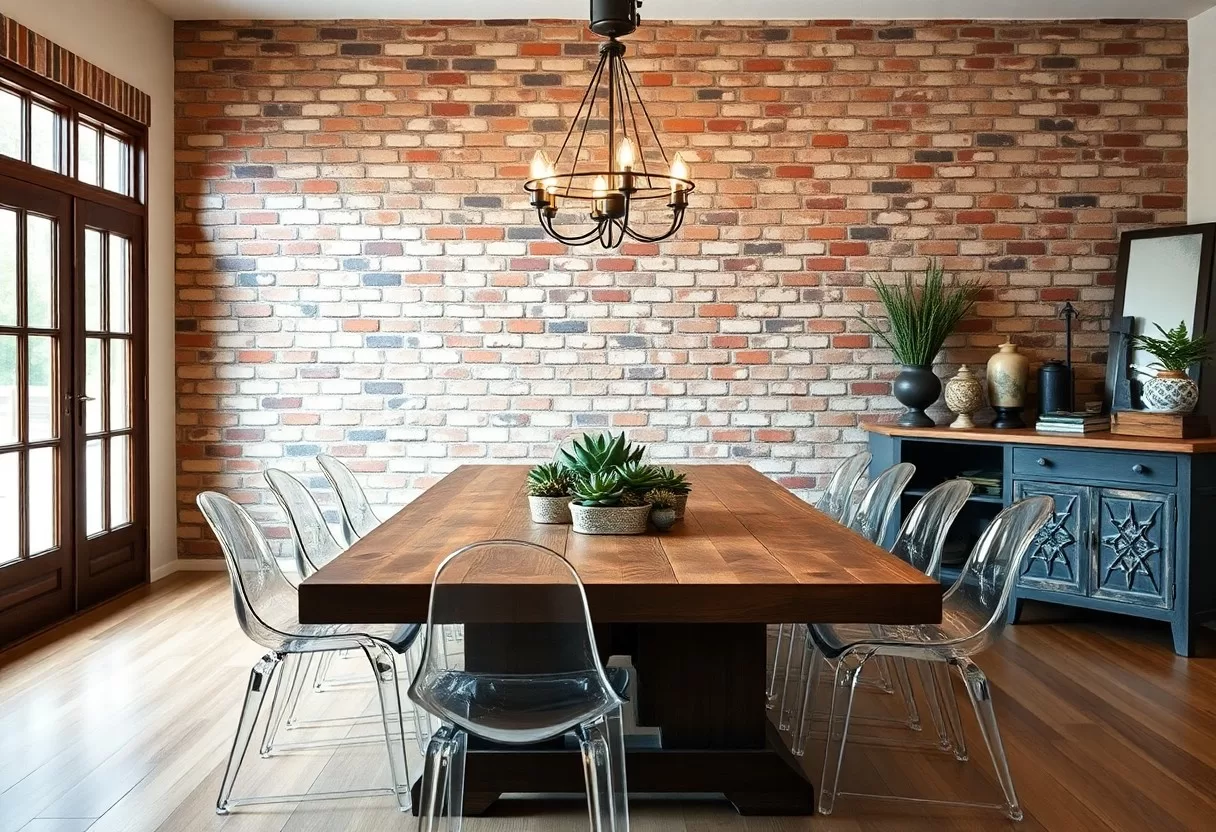
Layering textures is what makes an eclectic room feel finished. Blend different materials, such as plush textiles, rough wood and smooth metal, so the eye has something to explore. A vintage velvet sofa next to a modern glass coffee table is a good example, because the soft and hard surfaces play off each other. Aim for a mix of matte and shiny, rough and smooth, and add at least one natural material like wood, wool or stone.
Balancing Vintage Charm with Modern Smoothness
Balancing vintage charm with modern polish takes careful selection. Try a mid-century modern chair with a chunky hand-knit throw, or a clean-lined sofa with an old kilim cushion. Each pairing should either share a color or offer a clear contrast. If two pieces are only slightly different, they can look like a mismatch. If they are clearly different, the contrast looks deliberate.
Incorporating Fabrics and Materials that Speak
Fabrics and materials say a lot about who lives in a room. Combine pieces that feel nostalgic with ones that feel current, such as a worn leather armchair with bold geometric cushions. Choose textiles with different textures, like silk, wool and linen, for a rich, layered effect. Don’t be afraid of one statement fabric, such as a patterned curtain or a vintage rug, that reflects your personality and history.
Think about how different fabrics make you feel. A vintage textile might remind you of a grandparent’s home, while a crisp modern weave feels calm and current. Using materials with personal meaning gives you rooms that look good and also feel like yours. Check the practical details too. Old textiles can be fragile, so keep delicate pieces out of direct sun and away from busy seats, and use sturdy fabrics where people sit every day.
The Art of Mixing Eras
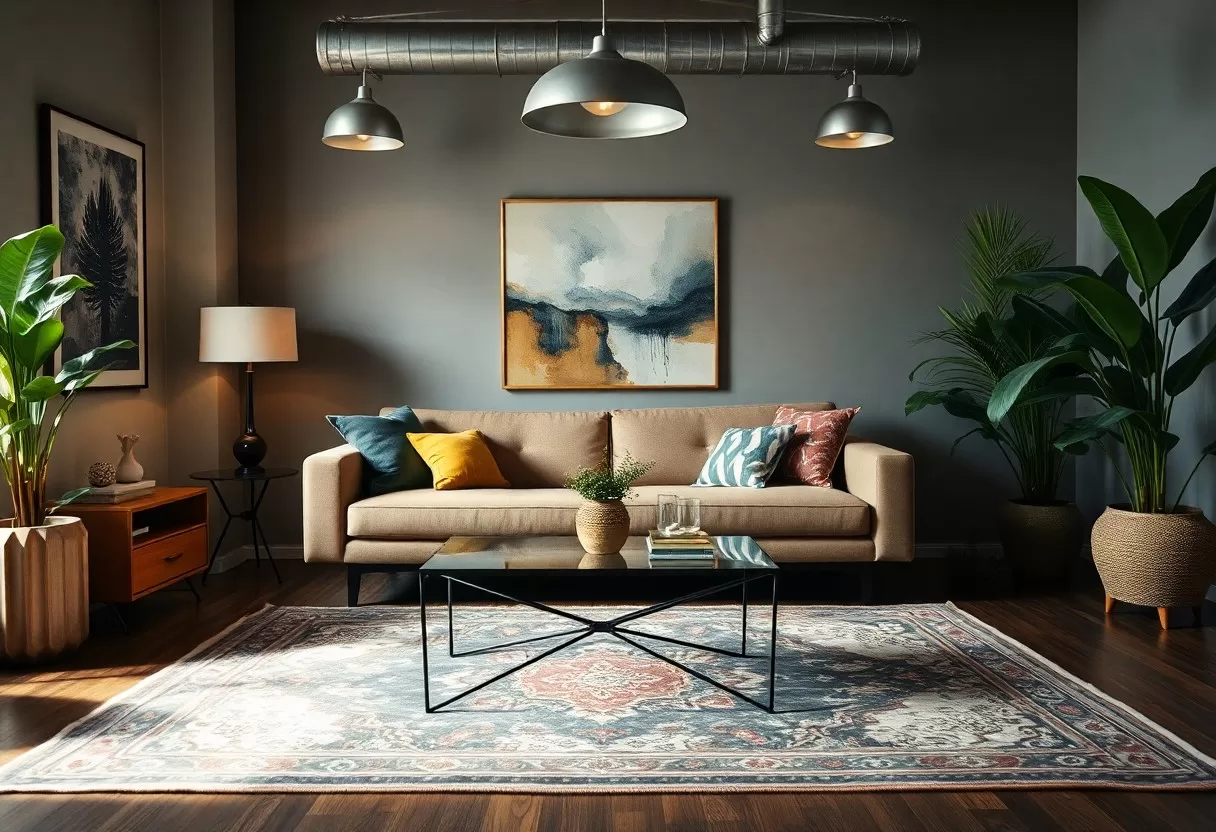
Mixing time periods adds personality and gives a room a story. The goal is a deliberate balance between vintage and modern, so the home feels eclectic but still connected. Choose a few key pieces from each era that work together instead of competing. When each piece has a clear role, such as a focal point, a support piece or a quiet background item, the blend feels intentional.
Identifying Compatible Time Periods
Start with eras you are drawn to, for example mid-century modern furniture with rustic farmhouse decor. Look for traits they share, such as wood tones, simple shapes or similar proportions. Clean lines from the 1950s can sit well with the warm colors and textures of the 1970s. Finding these links helps the room look curated and shows off your taste.
Using Color Palettes to Bridge Distinct Styles
Color is one of the strongest connectors in an eclectic scheme. A unified palette makes vintage and modern pieces look like part of a plan rather than a random mix. Stick to two or three base colors and repeat them around the room, in upholstery, art, rugs and small accessories. That repetition creates a thread that ties everything together.
For example, if you have a bold blue vintage armchair, repeat that blue on a modern accent wall or in throw pillows across the room. Repeating similar hues helps the eye move from one style to the next. Neutrals like cream or taupe give you a calm base, so you can add splashes of color without overwhelming the space. Many designers use a rough 60-30-10 split: about 60 percent main color, 30 percent secondary color and 10 percent accent.
Wood tones need the same attention. You don’t have to match every finish, but it helps to keep the undertones related, such as all warm or all cool, and to repeat each wood at least twice. A walnut sideboard looks less isolated if a walnut picture frame or stool sits across the room. Metals work the same way, so limit yourself to two finishes, like brass and black, and repeat both.
Statement Pieces: The Focal Points of Your Space
Statement pieces are the heart of an eclectic interior. They draw the eye and give the room a strong point of view, whether it is a dramatic vintage chandelier, a large contemporary painting or an unusual piece of furniture. Choose one or two and let them lead. Everything else should support them, which keeps the mix of vintage and modern balanced instead of busy.
Selecting Unique Vintage Finds
Finding good vintage pieces takes patience and a sharp eye. Thrift shops, flea markets, estate sales and online marketplaces can all turn up items with real character. Look for pieces with a purpose, like a mid-century credenza or an antique trunk, that work as storage and as a focal point. Check drawers, joints and legs before you buy, and expect to refinish or reupholster some finds. Mixed with modern decor, they make the room feel personal.
Highlighting Modern Accents for Contrast
Modern accents help your vintage finds stand out. Pair a sleek, minimalist coffee table with an ornate or rustic armchair for clear contrast. Use contemporary materials like glass and metal, or a bold solid color, to anchor and calm busier vintage pieces. This back-and-forth gives the room depth and keeps it cohesive, because each piece shows off the qualities of the other.
For instance, a simple modern lamp next to an intricately carved baroque mirror makes both pieces look more interesting. Modern elements can also keep heavy or ornate vintage furniture from dominating, so the room feels fresh rather than dated or cluttered. A useful rule of thumb is to leave some breathing room around your best vintage pieces and give each one a clean, modern neighbor that lets it shine.
The Role of Lighting in Eclectic Design
Lighting does a lot to pull an eclectic space together. The right light brings out the colors and textures in your decor and gives contrasting pieces a shared warm glow. Combining several light sources makes the room both practical and attractive, and it lets you shift the mood from bright and busy in the day to soft and relaxed at night.
Choosing Fixtures that Enhance Ambiance
The fixtures you choose set the mood and draw attention to your best pieces. Mixing a vintage chandelier with modern pendants, for example, adds depth and a bit of surprise. Keep the color temperature consistent, around 2700 K to 3000 K for living areas, so old and new fixtures give the same warm light. Mismatched bulbs make a room look patchy, even when the fixtures themselves work well together.
Layering Light to Emphasize Textures and Structures
Layered light is the best way to show off textures and architectural features in an eclectic room. Use a mix of ambient, task and accent lighting to cast a warm glow on statement pieces, interesting walls and art. This layering adds depth and makes every corner feel used, rather than leaving dark patches around the edges of the room.
Ambient light fills the room, task light covers the places where you read, cook or work, and accent light picks out special pieces. Try floor lamps with textured shades, under-cabinet lights in the kitchen, or wall sconces and picture lights that frame artwork. Put the main lights on dimmers so you can adjust the balance through the day. Together these layers draw attention to the details that make your design distinctive, without flooding the space with glare.
Summing up
Blending vintage and modern pieces is one of the best ways to show your personal style. Choose a few statement pieces, keep a consistent color palette and pay attention to scale so each era supports the other. Mix textures for depth, and light the room in layers. Good eclectic interior design looks collected over time, so go slowly, buy what you love and edit as you go. The result is a home that reflects your individuality and taste.
What’s your interior design style?
Answer 6 quick questions to discover the style that fits you — and how to bring it home.
FAQ
Q: How can I start mixing vintage and modern pieces in my home?
A: Begin by identifying key pieces that resonate with your personal style. Choose a primary vintage item, like a classic armchair or a retro lamp, and build around it with modern accessories that complement its aesthetic. Incorporate colors, textures, or patterns from the vintage item into the modern decor to create a cohesive look.
Q: What are some color schemes that work well with an eclectic vintage-modern mix?
A: A balanced mix often works best with a neutral base, such as whites, grays, or beiges, accented with pops of vibrant colors inspired by your vintage pieces. Earthy tones, such as terracotta or olive green, also blend beautifully with both vintage and modern elements, providing warmth and richness to the space.
Q: Are there specific furniture styles that pair well together in an eclectic design?
A: Yes, certain styles tend to harmonize well; for example, mid-century modern furniture can easily complement rustic farmhouse pieces. Industrial elements, like metal lighting fixtures, can also soften the look of ornate vintage furnishings. Aim for a mix of lines and forms; pairing streamlined modern silhouettes with more ornate vintage shapes can create visual interest.
Q: How can I ensure my eclectic space doesn’t look too cluttered?
A: To maintain balance, select a few standout vintage pieces that serve as focal points and incorporate modern accessories that support the overall theme without overshadowing them. Utilize a neutral backdrop for walls and larger furniture to keep the space feeling open. Thoughtful placement and allowing negative space can help avoid a cluttered appearance.
Q: What types of decor accessories can enhance a vintage-modern blend?
A: Accessories such as throw pillows, rugs, and artwork are great for bridging the gap between styles. Opt for modern artwork that features themes or colors found in your vintage elements, or choose vintage textiles for pillows that resonate with modern furniture. Mixing in plants can also add vibrancy and bring life to the mix, tying the old and new together.
Preview eclectic combinations with the free AI interior design generator.
Related Guides
