
How to Design a Home That Actually Improves Your Daily Routine
You can transform how you live by aligning your home’s layout with your habits. Placing key zones like lighting, storage, and workspaces where you naturally move reduces friction and saves time. A poorly designed space can silently drain energy and focus, while smart placement of furniture and function boosts efficiency and mood every day.
Table of Contents
Key Takeaways: Home Design for Daily Routine
- Design each room around the specific activities you do there, so spaces support your habits instead of working against them.
- Place frequently used items within easy reach and store less-used things out of the way to reduce daily friction.
- Use natural light, clear surfaces, and consistent layouts to create a calm environment that helps you move through your day with less mental clutter.
Identifying Key Lifestyle Factors for Better Flow
Every decision in your home’s layout should reflect how you actually live, not how a designer thinks you should. Consider your daily rituals, work style, family dynamics, and personal energy peaks. Identify where friction occurs and where efficiency can take over. Match spaces to your natural rhythms-like placing a quiet reading nook where morning light pours in. Thou can shape a home that moves with you, not against you.
- Your sleep schedule influences bedroom placement and lighting control
- Work-from-home needs determine noise separation and power access
- Meal prep habits affect kitchen workflow and storage design
- Family interaction patterns shape open-concept versus private space balance
- Mobility routines, like school drop-offs or workouts, impact entryway organization
Analyzing your daily movement patterns
You move through your home in predictable sequences-morning coffee, work commute, evening wind-down. Map these paths to uncover inefficient detours or bottlenecks. A well-planned layout reduces unnecessary steps and supports effortless transitions between tasks. Thou can reclaim minutes each day by aligning design with motion.
Pinpointing environmental triggers for routine friction
You’ve likely blamed yourself for forgetting keys or dreading laundry, but the real issue may be your environment. Poor lighting, cluttered drop zones, or distant storage create daily friction. Small design flaws compound into stress over time. Thou can eliminate these pain points with intentional placement and access.
Cluttered entryways force you to search for crucials each morning, while poorly lit kitchens make meal prep feel burdensome. A coat closet across from the garage door, a charging station by the stairs, or a laundry chute near bedrooms-these are high-impact solutions born from observing where your routine stumbles. Design isn’t about aesthetics alone; it’s about removing invisible resistance. When your space supports your behavior, even small changes yield measurable relief in daily effort.
How to Engineer a High-Efficiency Morning Routine
Your home’s layout can make or break your mornings. By aligning key spaces with the natural flow of your routine, you reduce friction and decision fatigue before the day even starts. Every second saved at home compounds into greater focus, energy, and control when you step outside the door. Design isn’t just about aesthetics-it’s about behavior.
Designing a kitchen layout for rapid meal prep
You move fastest when tools, ingredients, and appliances follow a logical sequence. Place your coffee maker near the kettle, keep breakfast staples at eye level, and store dishes close to the dishwasher. A well-organized triangle between sink, stove, and fridge cuts steps and keeps morning meals under 10 minutes.
Optimizing the bathroom for seamless grooming
You save time when everything you need is within arm’s reach. Store toothbrush, floss, and face wash in a single tray. Double sinks eliminate bottlenecks if you share the space. Motion-sensor lighting turns on the moment you enter, so you’re never fumbling in the dark.
Lighting plays a major role in how quickly and effectively you groom. Install bright, natural-spectrum bulbs at mirror level to reduce shadows on your face. Heated floors and a fast-heating towel rack make the space inviting, encouraging shorter, more efficient use. Drawers with labeled dividers prevent frantic searches for contact lenses or razors, turning chaos into calm. Position outlets near the mirror for easy charging of electric toothbrushes or shavers-no cord stretching or outlet hunting.
Designing a Dedicated Zone for Deep Work and Focus
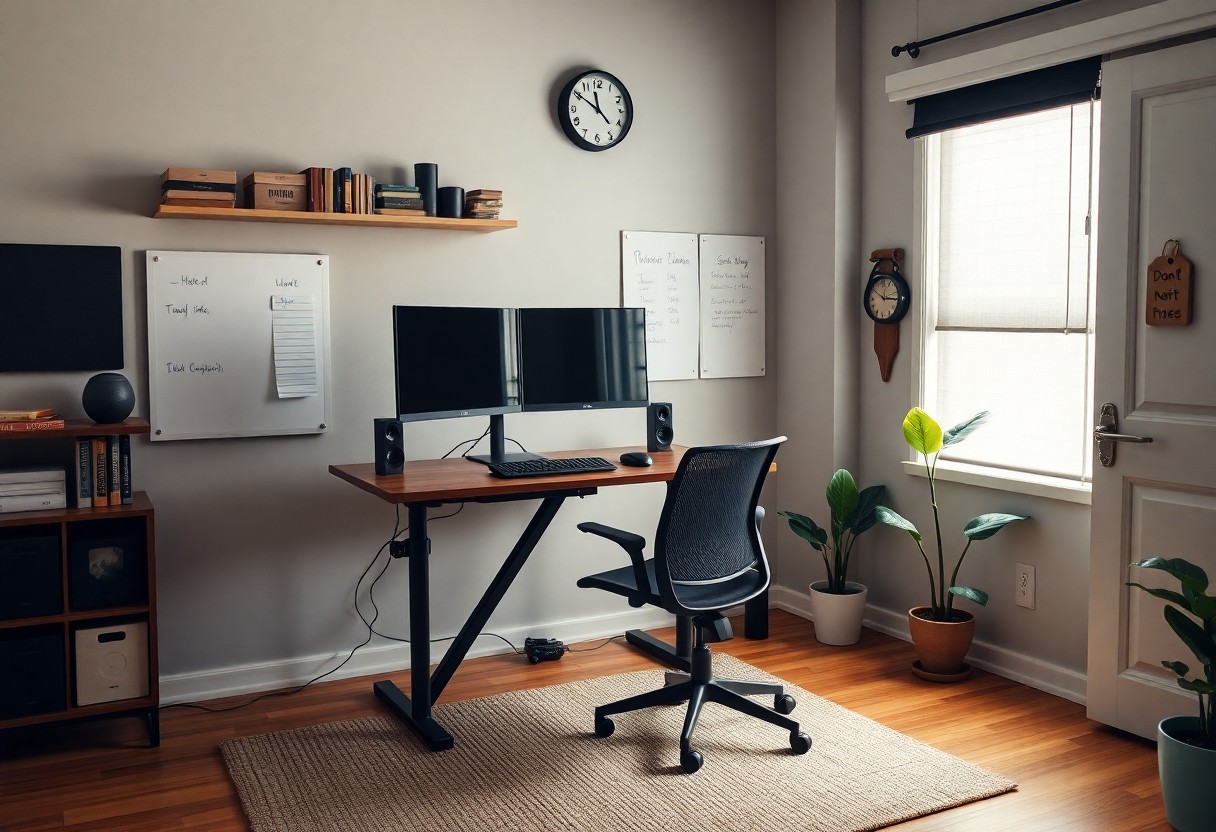
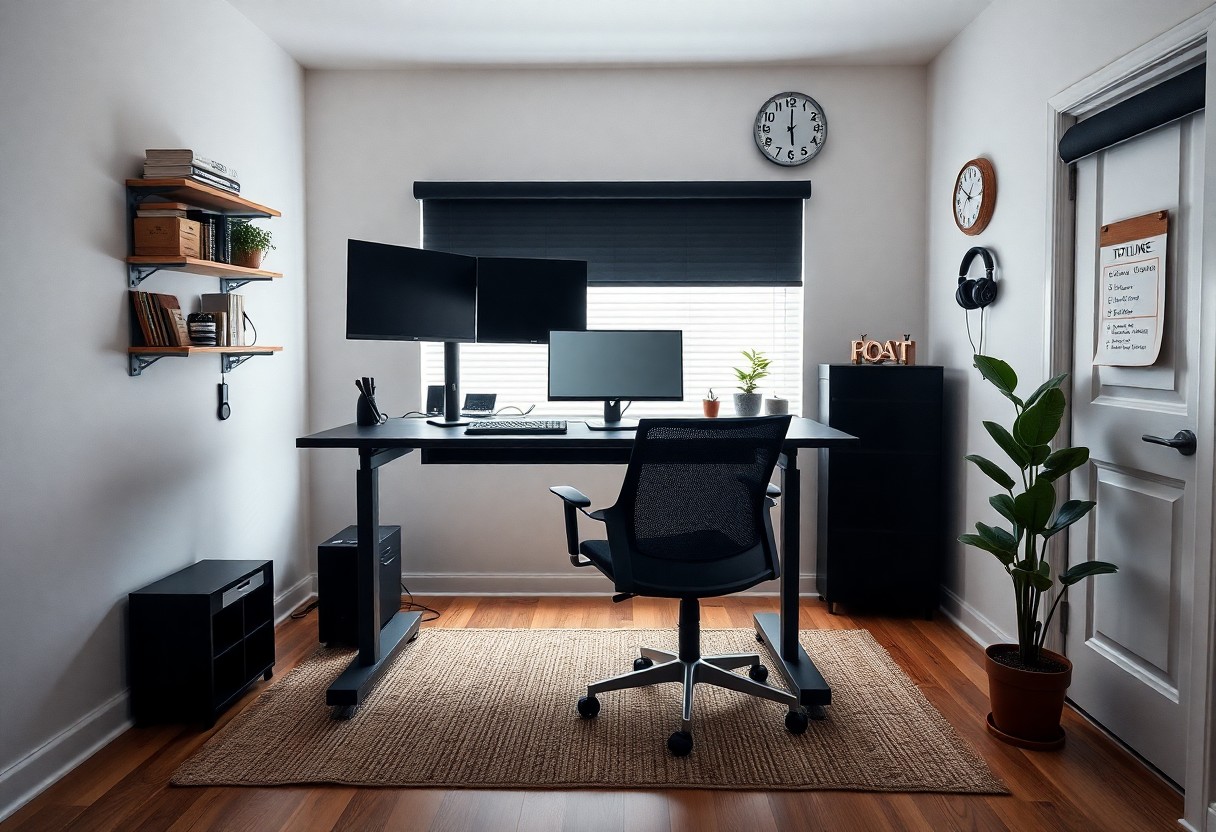
Creating a space solely for concentration reshapes how you engage with tasks each day. When your environment supports uninterrupted thought, your brain learns to shift into high-performance mode the moment you enter. This zone isn’t just a desk-it’s a psychological trigger for productivity, designed to minimize distractions and honor your time. Perceiving your home as an active participant in your routine transforms how you work and live.
How to select ergonomic furniture for sustained productivity
Choose a chair that supports your spinal alignment and a desk at the correct height to prevent strain. Your monitor should sit at eye level to reduce neck tension, and your keyboard positioned to keep wrists neutral. Invest in adjustable pieces that adapt to your body’s needs over time. Perceiving comfort as a foundation-not a luxury-keeps you sharp and injury-free.
Tips for managing natural and artificial lighting
- Position your desk near a window to maximize natural light during the day
- Use adjustable task lighting to eliminate screen glare and shadows
- Install dimmable bulbs to match light intensity to your energy levels
- Choose warm tones in the evening to support circadian rhythm
Light shapes your alertness and mood more than you realize. Exposure to morning sunlight sharpens focus, while poorly placed overhead lights can cause fatigue. Balance ambient and directional lighting to maintain clarity without strain. Perceiving light as a dynamic tool-not just illumination-gives you control over your mental state.
Factors for Creating a Restorative Evening Environment
Your evening environment shapes how well you recover from daily stress and prepare for rest. Dim lighting, calming colors, and minimal noise signal your brain that it’s time to unwind. Integrate natural materials like wood or linen to enhance a sense of warmth and safety. Assume that small design choices directly influence your nervous system’s shift into relaxation. Learn more about intentional living spaces at This Is What Makes a Home Functional, According to ….
Implementing sleep-positive bedroom design
Keep your bedroom cool, dark, and quiet to support natural melatonin release. Use blackout curtains and set your thermostat between 60-67°F. Choose a supportive mattress and limit visual clutter to reduce subconscious stress. Assume that consistency in sleep hygiene starts with your surroundings.
Building a tech-free relaxation nook
Designate a corner free from screens where you can read or meditate. Soft lighting and comfortable seating invite stillness. Eliminating digital distractions helps your mind disengage from productivity mode. Assume that true downtime requires physical boundaries.
Start this space with a comfortable chair and warm lighting, like a salt lamp or dimmable floor light. Add a small shelf for books or tea, reinforcing analog rituals. The absence of blue light supports circadian alignment, making it easier to fall asleep later. This separation from technology isn’t just symbolic-it actively reduces mental stimulation and cortisol levels.
How to Integrate Smart Storage Systems
You can transform how you move through your home by embedding storage that works with your habits, not against them. Understanding how your home layout impacts your daily life reveals where clutter builds and where efficiency fails-use that insight to place storage exactly where it’s needed.
Utilizing vertical space to reduce visual clutter
Stacking storage upward draws the eye naturally and keeps floors clear. Maximizing wall height with shelves or cabinets prevents overcrowding at ground level, making rooms feel larger and easier to maintain.
Designing a functional entryway for transition management
Arriving home should feel like shedding weight, not adding tasks. A well-planned drop zone with seating, coat hooks, and cubbies streamlines the shift from outside to inside life.
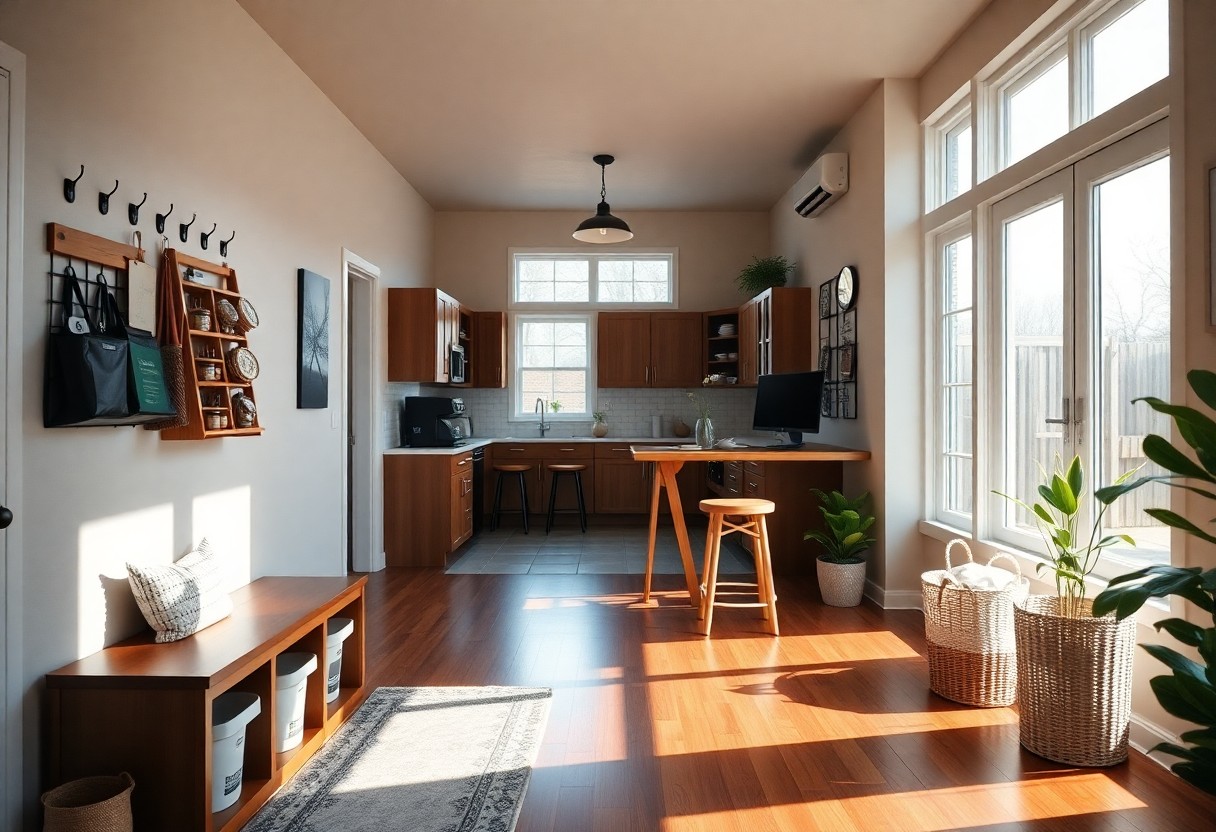
Your entryway is the first impression of your home’s rhythm. Include a bench at hip height so you can sit while removing shoes, and assign dedicated bins for keys, bags, and mail. This small zone, when thoughtfully arranged, prevents daily chaos from spreading deeper into your space-turning a high-traffic area into a quiet command center for comings and goings.
Tips for Sustaining a Routine-Friendly Home
Consistency in your environment supports consistency in your habits. Choose design elements that align with your daily flow, like designated zones for work, rest, and nourishment. Keep clutter at bay with smart storage solutions built into high-traffic areas. Label containers, maintain clear countertops, and anchor furniture to promote ease of movement. Thou will find that order breeds calm-and calm fuels action.
Selecting low-maintenance materials for longevity
Materials like quartz countertops, porcelain tile, and powder-coated fixtures resist wear without demanding constant care. These long-lasting finishes reduce cleaning time and prevent frustration from stains or damage. Thou will spend less time repairing and more time living.
Integrating smart home technology for automation
Smart lighting, thermostats, and voice-controlled assistants adjust to your schedule without effort. These automated systems create consistent conditions that support waking, working, and winding down. Thou will gain minutes each day that compound into meaningful time saved.
Automation works best when it operates quietly in the background. Set lights to rise with the sun, coffee to brew at 7 a.m., and thermostats to cool before bedtime. These invisible helpers remove decision fatigue and anchor your rhythm. Over time, your home becomes a silent partner in your productivity and peace.
Summing up
Summing up, designing a home that improves your daily routine means shaping spaces around your habits, not the other way around. You choose layouts that shorten tasks, reduce clutter, and support focus. Light, storage, and flow matter because they directly affect how you move and feel each day. Your home should work quietly, helping you do more with less effort.
FAQ
Q: How can room layout affect my daily routine?
A: The way furniture and spaces are arranged in your home directly impacts how smoothly your day unfolds. Placing your coffee maker near your morning exit path saves time during busy mornings. A bedroom with clutter-free surfaces and easy access to clothing reduces decision fatigue. Open floor plans can help you stay aware of household activity, while defined zones for work, rest, and meals prevent mental overlap between tasks. Thoughtful placement of key items-like keys by the door or shoes near storage-cuts down on wasted motion and stress.
Q: What lighting choices support a better daily rhythm?
A: Natural light in the morning helps regulate your body’s internal clock. Positioning your bed or breakfast nook near east-facing windows exposes you to early sunlight, making it easier to wake up naturally. During the day, use bright, cool-toned lighting in workspaces to maintain alertness. In the evening, switch to warm, dimmable lights in living and sleeping areas to signal your body it’s time to wind down. Installing motion-sensor lights in hallways or bathrooms reduces disruption at night without requiring full brightness.
Q: Can kitchen design really change how I eat?
A: Yes. A kitchen that encourages healthy habits makes those habits easier to follow. Store fruits and vegetables at eye level in clear containers so they’re the first thing you see. Keep cooking tools and cutting boards on open shelves or in accessible drawers to lower the effort needed to prepare meals. If your coffee station or snack drawer is too convenient, you might overuse it-relocate tempting items slightly out of reach. A clean, uncluttered countertop invites cooking instead of reaching for takeout.
Q: How does bedroom setup influence sleep and morning energy?
A: Your bedroom should support quick wind-down and easy wake-up. Remove screens or place them out of arm’s reach to reduce late-night scrolling. Use blackout curtains or a sleep mask if light pollution interferes with rest. Choose a mattress and pillow that align with your sleeping position-side, back, or stomach-to prevent aches. Lay out your next day’s clothes the night before and keep your alarm across the room so you must get up to turn it off. These small design cues train your body into a consistent rhythm.
Q: What role does storage play in daily efficiency?
A: Smart storage reduces friction in everyday tasks. Use labeled bins for seasonal items so you’re not searching during changes in weather. Install hooks by the entryway for bags, coats, and keys to prevent last-minute scrambles. Drawer dividers in the bathroom keep toiletries organized, cutting down morning prep time. Pantry shelves with front-facing labels mean you see what you have without digging. When everything has a clear, logical home, you spend less time looking and more time doing.
Map your routines onto a plan with the free 3D house layout planner and spot friction points before you renovate.