
How to Design a House That Increases Resale Value
If you want a home that sells well later, the design decisions you make today matter more than the finishes you add at the end. Poor layouts and cheap materials can quietly sink value, while flexible floor plans, durable finishes, curb appeal and high-ROI rooms help increase resale value and attract more buyers.
Table of Contents
Key Takeaways:
- Functional layout with flexible, open spaces and clear traffic flow attracts more buyers and simplifies staging.
- Neutral, timeless finishes and durable, high-quality materials reduce perceived maintenance and broaden appeal.
- Updated kitchen and bathrooms deliver the strongest return; prioritize smart storage, efficient layouts, and good lighting.
- Energy-efficient systems, high-performance windows, and programmable controls lower operating costs and increase desirability.
- Strong curb appeal, low-maintenance yard, and adaptable rooms such as a home office or guest suite expand the buyer pool.
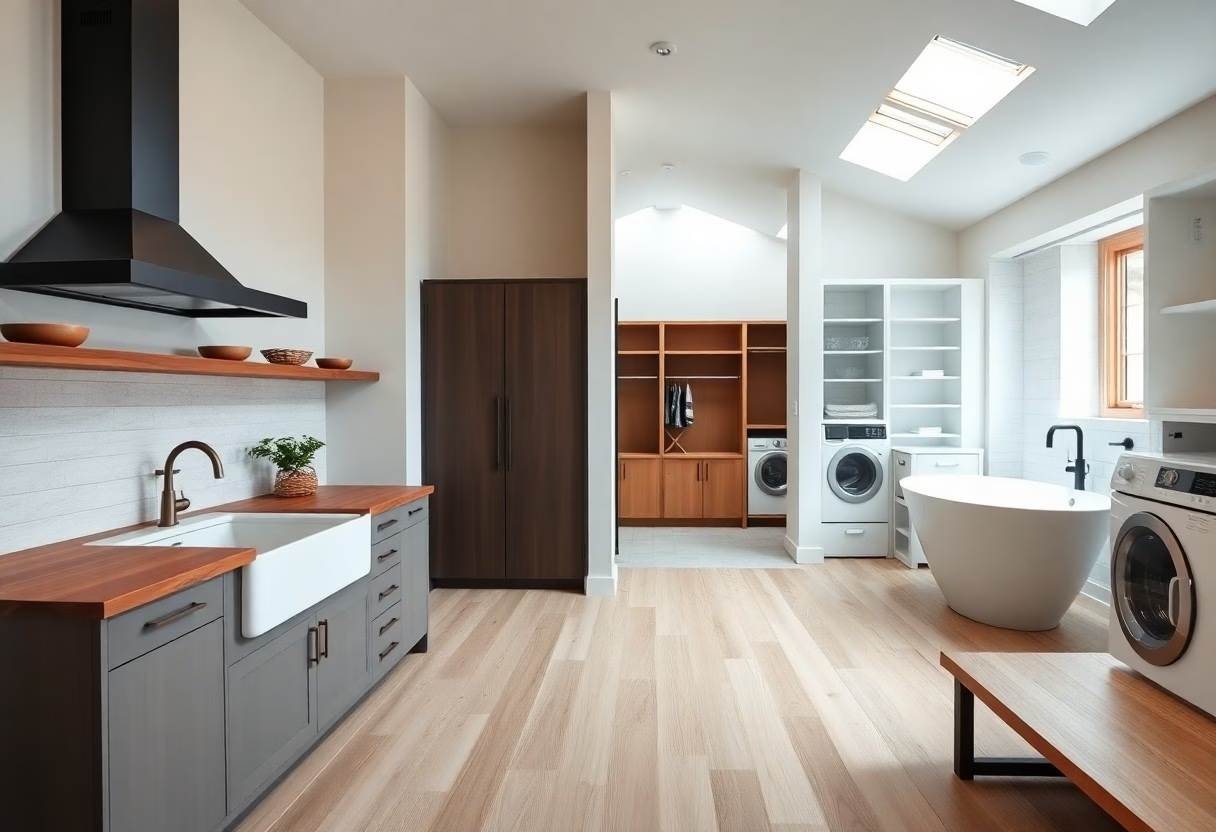
Prioritizing High-ROI Rooms for Maximum Impact
Focus on high-return areas-kitchens, bathrooms, and the primary suite-to maximize resale appeal. You should choose neutral finishes, upgrade mechanicals, and simplify layouts while avoiding overly personalized touches that shrink your buyer pool.
How to renovate kitchens for modern buyer appeal
Update kitchens with durable counters, refreshed cabinets, and energy-efficient appliances to signal modern value. The open-plan layout and neutral palette help buyers imagine themselves living there.
- open-plan
- energy-efficient appliances
- durable countertops
Tips for creating luxurious, spa-inspired bathrooms
Create spa-inspired bathrooms using large-format tile, glass showers, and layered lighting to convey luxury without excess. The inclusion of water-efficient fixtures and slip-resistant flooring adds safety and buyer appeal.
- water-efficient fixtures
- slip-resistant flooring
- rainfall shower
Consider adding heated floors, ample storage, and upgraded ventilation to deliver comfort and low maintenance that buyers appreciate. The thoughtful storage and durable finishes you install will boost perceived luxury and resale prospects.
- heated floors
- ventilation
- storage
- durable finishes
Optimizing Floor Plans for Long-Term Versatility
Optimize your layout to prioritize adaptable rooms, clear circulation, and universal design touches; explore practical plan examples in Maximizing Resale Value: How the Right House Plan Can …
Factors in designing a functional open-concept layout
Open layouts should balance sightlines with defined zones so you can adapt rooms for changing needs and preserve privacy where required. Specify durable finishes and clear traffic flow to make the space appealing to buyers. After you test furniture layouts and confirm daylighting, the open plan will hold value.
- open-concept
- traffic flow
- flexible storage
- durable finishes
How to incorporate a dedicated and flexible home office
Position the office near natural light and away from busy paths so you can work quietly while keeping it convertible to a bedroom later.
Design the space with built-in power, strong wired connectivity, good acoustics, and modular shelving so you can quickly adapt the room for different buyers or uses without heavy remodeling.
Tips for adding a multi-generational living suite
Plan a ground-floor suite with a separate entry, full bath, and compact kitchenette so you can host relatives or rent for income. Include wider doors and no-step access to increase marketability. This enhances appeal across age groups.
- separate entry
- no-step entry
- accessible bathroom
- kitchenette
Include flexible partitions, independent controls, and easy-access storage so you can convert the suite as needs change; add slip-resistant flooring and reachable switches to improve safety. This adaptability attracts multigenerational buyers and downsizers.
- independent HVAC
- accessible features
- flexible layout
- safety upgrades
To wrap up
Drawing together, you should prioritize timeless finishes, efficient layouts, quality materials, strong curb appeal, flexible rooms, and energy-efficient systems to attract buyers and maximize resale value.
FAQ
Q: What design elements most increase a house’s resale value?
A: A clear, logical layout with good flow between living areas appeals to many buyers. Open sightlines from kitchen to family space, a well-proportioned primary suite, and at least two full bathrooms raise market appeal. Ample storage, natural light, and durable, low-maintenance finishes make the home feel move-in ready. A garage or reliable off-street parking and usable outdoor space for entertaining add measurable value in most markets.
Q: How should I choose finishes and fixtures to attract buyers?
A: Select neutral, timeless finishes that suit the neighborhood and target buyer rather than bold, personal trends. Invest most in the kitchen and bathrooms: solid-surface counters, quality cabinetry with soft-close hardware, and mid- to high-grade plumbing fixtures deliver strong returns. Hardwood or wide-plank engineered flooring in main living areas and durable tile in wet zones balance appearance and longevity. Keep paint tones light and consistent to make spaces appear larger and easier for buyers to envision their own decor.
Q: Which systems and upgrades provide the best return on investment?
A: Heating, cooling, and insulation that improve energy efficiency attract buyers and reduce operating costs. Modern windows, a high-efficiency HVAC unit, and well-sealed building envelope often recoup part of their cost at sale. Smart home basics like efficient thermostats, quality lighting, and prewiring for internet improve perceived value without large expense. Solar panels or EV charging pay off in some areas; verify local buyer interest and incentives before committing.
Q: How do I design for the local market and typical buyer profile?
A: Study comparable homes and recent sales to match size, bedroom count, and finish level to neighborhood expectations. Design flexible rooms that can serve as home offices, guest rooms, or play areas to broaden buyer appeal. Avoid overbuilding for the lot or neighborhood; oversized luxury choices rarely recover costs if surrounding homes are modest. Prioritize features sought by your likely buyers: families may value yards and schools, while professionals may prefer low-maintenance exteriors and proximity to transit.
Q: What role do exterior condition and curb appeal play in resale value?
A: First impressions shape buyer interest before they step inside, so a tidy yard, attractive entry, and well-maintained siding or paint matter. Replace or refresh the garage door, upgrade porch or entry lighting, and add durable plantings that reduce maintenance needs. Ensure proper drainage and a clean, level driveway to avoid red flags on inspections. Simple, cost-effective upgrades to the exterior frequently yield a strong near-term return by increasing buyer showings and offers.
Compare what each upgrade really costs with the house renovation cost calculator before deciding where to invest.