
Drapery as Art – Oversized Pleats, Balloon Shades & Patterned Installations
Curtains can be the art in a room. Oversized pleats add drama, balloon shades bring softness and patterned panels create a focal point. Below are drapery ideas, colors and textures that make windows stand out, plus installation tips that help panels look custom.
Table of Contents
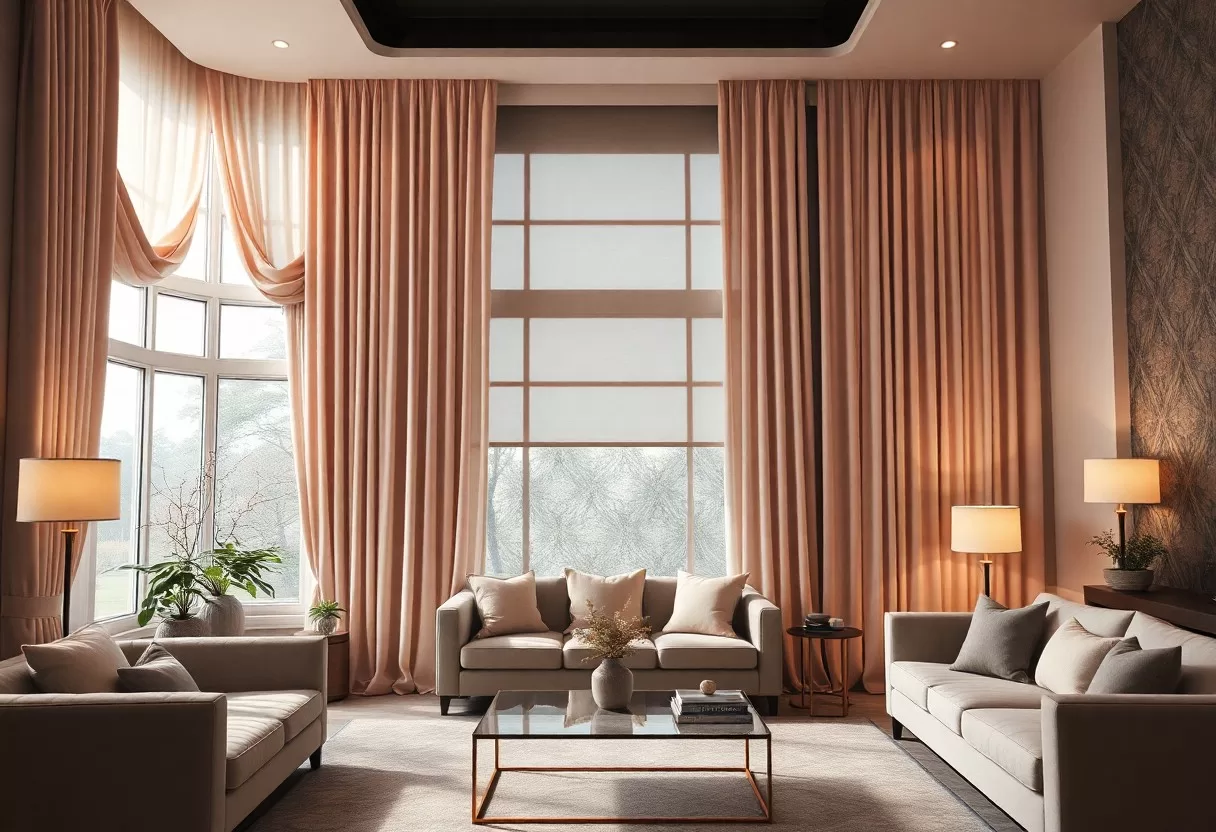
Key Takeaways: Drapery Ideas
- Oversized pleats create dramatic visual impact and add texture to spaces.
- Balloon shades add a soft, playful look while still controlling light.
- Patterned drapery can act like artwork and become a room’s focal point.
Understanding Drapery as Art
Drapery does more than block light and give you privacy. Fabric, texture and pattern can set the mood of a room as much as paint or art does. Think of your curtains as a large, soft surface you get to design: the way they fold, the color, the sheen and how they meet the floor all say something about your style. Chosen with care, they can carry a room on their own.
Historical Context
Using fabric as decoration goes back a long way. Ancient Egyptians and Romans used textiles for both practical and decorative purposes, hanging them in doorways and around beds. By the Renaissance, and later in European palaces, layered swags, tassels and heavy silk curtains had become a show of wealth and taste. Many of the headings and pleat styles you see today, like pinch pleats and swags, grew out of those traditions.
Modern Interpretations
Today, designers mix traditional techniques with a cleaner, modern look. You’ll see oversized pleats used for drama next to simple, minimal panels on slim rods. Sheer linens, textured weaves and recycled fabrics let you play with light and texture, and patterns range from bold and graphic to quiet and tone-on-tone. The trick is to pick one strong idea per room and keep the rest simple.
Modern drapery ideas cover a wide range of styles. Oversized pleats in a tall living room can look almost like sculpture, while tailored balloon shades in a solid fabric give a playful shape a more grown-up feel. Some designers use metallic or high-sheen fabrics to catch the light, while others choose natural, eco-friendly fibers for a relaxed look. The shift is clear: curtains are no longer an afterthought but a design element you plan from the start.
Oversized Pleats
Oversized pleats make a bold statement. Deep, generous folds catch light and shadow, giving the window a sculptural, almost architectural look. They work best on tall windows and in rooms with high ceilings, where there is enough height for the folds to fall in long, even columns. Used well, they add drama and make people notice the window first.
Techniques and Styles
Getting oversized pleats right is mostly about fabric and fullness. Heavier fabrics like velvet, wool or lined linen hold crisp, structured folds, while lighter ones fall in softer, looser waves. Plan for generous fullness, often around 2 to 2.5 times the window width, so the pleats look rich rather than stretched. Pinch pleats, goblet pleats and inverted box pleats all scale up well, and a stiff buckram header keeps the top of each pleat sharp.
Visual Impact in Interiors
Oversized pleats draw the eye and give a room a clear focal point. Because the folds run vertically, they lead the eye up toward the ceiling without crowding other decor.
Pleats can also change how big a room feels. Hanging the rod high, close to the ceiling, and letting tall pleated panels drop to the floor makes the ceiling look taller, while deep folds add depth. Picture a living room with floor-to-ceiling windows, where full-length pleated drapery frames the view and softens the hard edges of the glass. For the best effect, extend the rod several inches past each side of the frame, often 6 to 12 inches, so the open panels stack beside the glass instead of blocking daylight.
Balloon Shades
Balloon shades are a playful take on traditional window treatments. When raised, the fabric gathers into soft, rounded poufs along the bottom, giving a classic yet relaxed look. They add shape and interest to a window and filter light gently, so the room feels soft rather than dim. Unlike curtains, they stay within the window frame, which makes them handy where there’s no room for panels to stack.
Design Concepts
Choose balloon shade fabrics that suit your color scheme and the mood you want. Florals, stripes or small checks show off the gathered folds, while solid colors look more understated and modern. Medium-weight cotton or linen works best, since very stiff fabric won’t pouf nicely and very thin fabric can look limp. Adjust the number and depth of the poufs to make the look more dramatic or more subtle.
Practical Applications
Balloon shades work in many rooms, from a formal living room to a nursery. Pick a floral cotton for a romantic cottage feel, or a crisp solid for a cleaner, contemporary look. They frame a good view nicely and give you privacy when lowered. Inside-mounted shades need a window recess deep enough for the headrail, so measure the depth before you order.
Think about where a balloon shade would be most useful. In a reading nook, it filters daylight and softens glare on the page. In a dining room, it adds a touch of formality without taking up wall space beside the window. In a child’s room, a cheerful print can set the tone for the whole space; choose a cordless or continuous-loop lift there for safety. Balloon shades are less suited to steamy bathrooms or kitchens near the stove, where fabric collects moisture and grease.
Patterned Installations
Patterned drapery adds personality and color to a room. From bold geometrics to detailed florals, a good pattern can act as a backdrop or become the main feature. Because curtains cover such a large area, a pattern on them often has more impact than a patterned pillow or rug. Choose one you’ll still like in a few years, and let the rest of the room support it.
Choosing Patterns
Choosing the right pattern sets the mood you want. Consider the scale of the print against the size of the room and the window: large patterns suit big rooms and tall windows, while smaller prints add detail to cozy spaces. Large patterns also have a bigger repeat, so you may need extra fabric to match the design across panels. Pick a pattern whose colors already appear in your furniture or walls, so the drapery feels like part of the room.
Creating Cohesion in Space
A cohesive room comes from repeating colors and shapes. Pull one or two colors from the drapery into cushions, a throw or a piece of art. If your curtains have a bold floral, for instance, keep other patterns smaller in scale or geometric so they don’t compete. The aim is balance: the drapery should be the star without making the room feel busy.
Cohesion means your drapery works with everything else in the space. If you choose a detailed patterned installation, echo its colors in upholstered furniture, a rug or throw pillows. A simple rule of thumb is to mix one large pattern, one medium and one small, all sharing a color. This makes each element feel intentional and adds depth, and it lets your patterned drapery stand out for the right reasons.
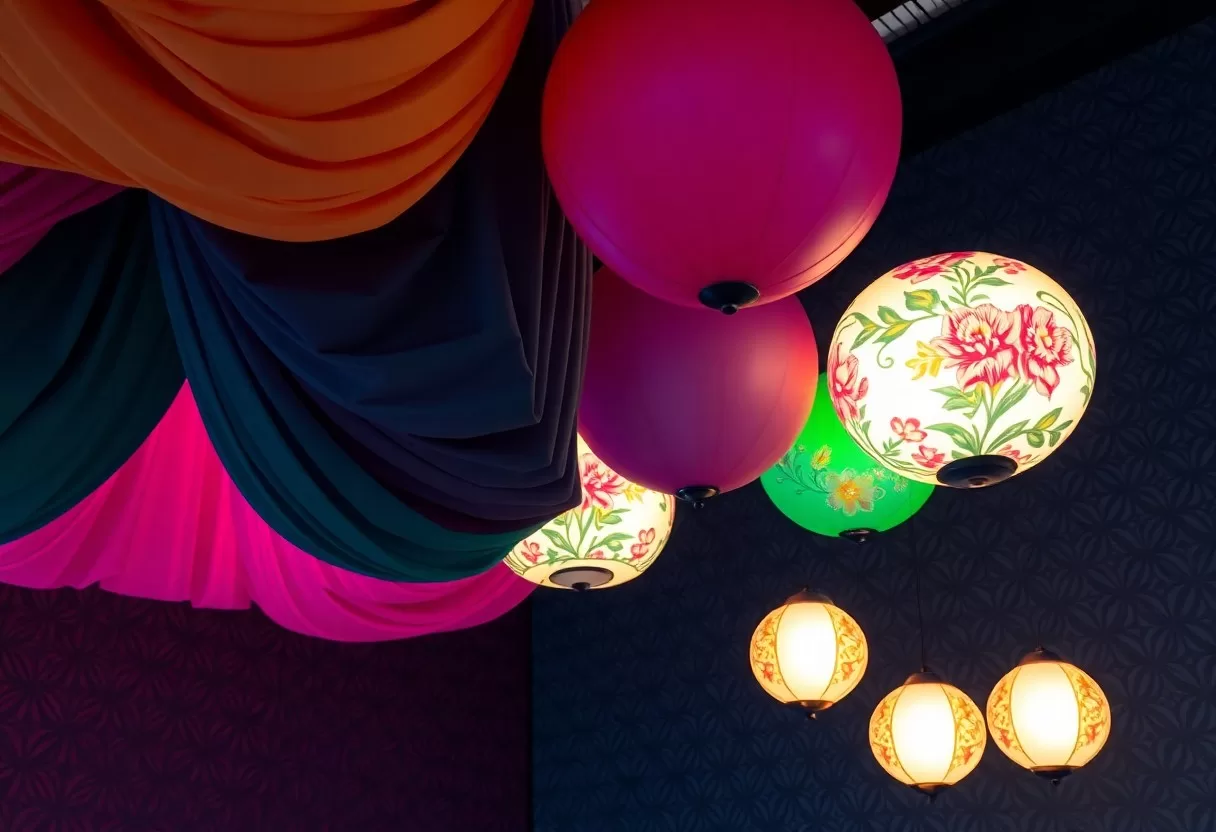
Colors and Textures
Color and texture set much of a room’s atmosphere. Bold hues can energize a space, while soft pastels and neutrals feel calmer. Textured fabrics like velvet, linen or bouclé add depth you can see and touch. Layering helps too: a sheer panel behind heavier drapery gives you soft daylight during the day and privacy at night, and it makes even an ordinary window look finished.
Emotional Influence
Color changes how a room feels. Warm reds and oranges tend to feel lively and energetic, while blues and greens feel calmer and more restful. Remember that light shines through curtains, so the color will glow and shift during the day, and unlined fabrics in strong colors can tint the light in the whole room. Hold a sample up to the window at different times of day before you commit.
Material Choices
Material choice affects both looks and performance. Natural fibers like cotton, linen and silk have a lovely feel, while synthetic blends tend to resist fading and wrinkling better. Sheers soften harsh sunlight, and heavier fabrics add privacy and some insulation. Linings matter as much as the face fabric: a standard lining protects against sun damage and helps panels hang well, while thermal or blackout linings block more light and drafts.
Here are some specific choices. Linen is breathable and has a relaxed, timeless look, but it wrinkles easily and can shift with humidity. Silk looks luxurious, yet it fades and weakens in strong sun, so line it and avoid sunny south- or west-facing windows. Velvet adds weight and richness and drapes beautifully in big pleats. Blackout fabric is useful for bedrooms. Organic cotton and recycled polyester are good options if you want more sustainable textiles.
Installation Techniques
Installation is where drapery goes from nice fabric to a real focal point. Hanging the rod higher and wider than the window makes the room feel taller and the window bigger; a common approach is to mount it about halfway between the top of the frame and the ceiling, or just below the crown molding. Layering styles, like sheers under pleated panels, adds depth. For more drapery ideas, check out the 32 Best Window Treatment Ideas 2021 – Veranda.
Professional vs. DIY
The choice between professional installation and DIY depends on your skills and the size of the project. Professionals are worth it for very tall windows, heavy custom drapery, motorized systems or tricky walls like plaster or tile. Simple panels on a standard rod are an easy DIY job. Use a level, anchor brackets into studs or with wall anchors rated for the weight, and add a center support bracket on wide rods so they don’t sag.
Enhancing Overall Aesthetic
Drapery can be the artistic element that pulls a room together. Choose patterns and textures that work with your existing decor while adding depth and interest. Oversized pleats or playful balloon shades can turn a plain room into a stylish one. Velvet and silk feel rich and formal, while linen and cotton give a breezy, relaxed look. For length, let panels just touch the floor for a tailored finish, or add an inch or two of puddle for a softer, more romantic feel.
Summing up
Drapery can be one of the most expressive parts of a room. Oversized pleats, balloon shades and patterned installations give you different ways to personalize your space, from dramatic to soft and playful. Start with the window and the mood you want, choose the fabric and fullness carefully, and hang everything high and wide. With these drapery ideas, your windows can become a focal point that looks custom and still works hard every day.
60-30-10 color palette generator
Pick a color you love and get a balanced room palette using the designers’ 60-30-10 rule.
FAQ
Q: What are oversized pleats and how do they enhance drapery?
A: Oversized pleats are deeper, wider folds than standard pinch or pencil pleats, so the curtains hang in fuller, more sculptural waves. They need extra fabric, often two to three times the window width, and a heavier material helps them hold their shape. The result looks generous and tailored, and it works especially well on tall windows.
Q: What are balloon shades and what makes them unique?
A: Balloon shades are fabric shades that gather into soft, rounded puffs at the bottom when they are raised. They give a romantic, slightly traditional look and suit everything from light cottons to rich silks. On their own they offer only modest light control, so add a blackout or thermal lining if you need privacy or a darker room.
Q: How can patterned installations impact the decor of a room?
A: Patterned drapery adds visual interest and personality, and a bold print can become the focal point of a room. Choose a pattern that picks up a color already in your furniture, rug or walls so it ties the space together. Large-scale prints suit big windows and simple rooms, while smaller patterns are easier to mix with other drapery ideas and textiles.
Try new drapery styles on a photo of your room with the free AI interior design generator.
Related Guides
