
Why Copying Pinterest Homes Often Fails (And What to Do Instead)
With so many dreamy interiors at your fingertips, it’s tempting to replicate a Pinterest-perfect room exactly. But most copied designs ignore your real lifestyle, leading to costly mistakes and spaces that feel impersonal. Instead of copying, adapt ideas to fit your needs and create a home that’s beautiful and truly yours.
Key Takeaways:
- Pinterest homes often look perfect in photos but ignore real-life functionality-designs may not suit your daily routines, family needs, or local climate, leading to spaces that are beautiful but impractical.
- Many viral designs rely on staged elements like rented furniture, professional styling, or temporary decor that are hard to maintain long-term, setting unrealistic expectations for upkeep and cost.
- Successful home design starts with your personal habits and priorities-focus on creating spaces that support how you actually live, not how you think you should live based on trends.
The Geometry of the Lens: Why Cameras Lie
How Perspective Tricks the Eye
You’ve seen that perfect kitchen shot-marble countertops stretching endlessly, pendant lights floating like art installations, and a farmhouse sink that looks big enough for soaking heirloom pots. What you’re not seeing is how the camera’s wide-angle lens stretched space unnaturally, making a cramped galley feel like a chef’s dream. Lenses distort proportions, especially at the edges, so what appears balanced and spacious in a photo can feel distorted or disjointed in real life. That cozy reading nook? It might only exist from one exact angle. Step two feet to the left, and the illusion collapses.
The Hidden Cost of Forced Angles
A single photograph rarely shows how a room functions. Instead, it captures a moment engineered for visual impact-often at the expense of truth. Photographers crouch, tilt, and crop to eliminate clutter, compress depth, and hide awkward transitions. A hallway that looks short and inviting may actually feel claustrophobic when walked through. A living room that appears open and airy could be missing half its furniture to fit in frame. When you try to replicate these spaces, you’re not copying a design-you’re copying a trick of light, angle, and selective framing.
Lighting That Doesn’t Exist in Reality
Natural light in Pinterest photos often looks golden, even, and abundant-regardless of the home’s actual orientation. This isn’t magic; it’s manipulation. Professional shoots use reflectors, diffusers, and artificial lighting to create ideal conditions that rarely occur organically. That sun-drenched bedroom with perfect shadows? It might only look that way for 12 minutes on a May afternoon. Build your space around that image, and you could end up with a room that feels flat or dark most of the year. Relying on these false lighting cues sets you up for disappointment.
What You Can Control (And Should)
Your home doesn’t need to look like a staged photo to feel beautiful. Focus on sightlines you actually experience-how the space looks when you walk in, sit down, or move from room to room. Design for real movement, not static poses. Use mirrors and strategic lighting to enhance natural conditions, not fabricate them. Choose finishes and furniture that age well, not just photograph well. When you prioritize lived experience over lens illusion, your space gains authenticity that no filter can replicate.
The Ergonomic Illusion: Beauty vs. Biology
The Hidden Cost of Aesthetic Perfection
You’ve seen the photos: living rooms with sleek, low-slung sofas, dining chairs that look like sculptures, and beds so minimalist they resemble hotel displays. What you don’t see is the lower back pain after 20 minutes on that stylish couch or the neck strain from sitting in a chair that prioritizes form over function. Most Pinterest-famous furniture isn’t designed for human bodies-it’s designed for cameras. When you replicate these spaces without considering posture, weight distribution, or daily use, you trade comfort for appearance, and your body pays the price.
Design That Works Against You
Your spine doesn’t care how Instagrammable your sectional is. It responds to lumbar support, seat depth, and arm height-factors rarely visible in a wide-angle shot. Many viral designs feature seating that’s too deep, armrests that are too low, or mattresses that offer no support for side sleepers. What looks effortlessly chic in a photo can become a source of chronic discomfort in real life. You might love the look of a mid-century dining chair, but sitting on it through dinner, let alone a holiday meal, could leave you sore and regretful.
Seeing Beyond the Surface
A well-designed home balances visual appeal with physical well-being. Instead of copying an image, ask yourself: How long will I sit here? Will this support me while I read, work, or relax? Test furniture in person whenever possible, and prioritize adjustable features like cushion firmness or reclining backs. Spaces that feel good to live in always outlast those that only look good in photos. Choose pieces that serve your body first-your long-term comfort is more important than a fleeting aesthetic trend.
Rebuilding with Real Life in Mind
You don’t have to sacrifice style to gain comfort. Many ergonomic designs now blend clean lines with supportive engineering-think modular sofas with customizable depths or dining chairs with subtle lumbar curves. Look for brands that publish dimensions and specifications, not just lifestyle images. When you design for how you actually move and rest, your home becomes both beautiful and sustainable. That’s the kind of space you’ll love not just on day one, but for years to come.
The Lighting Paradox: The Myth of the Golden Hour
The Hidden Role of Light in Pinterest Perfection
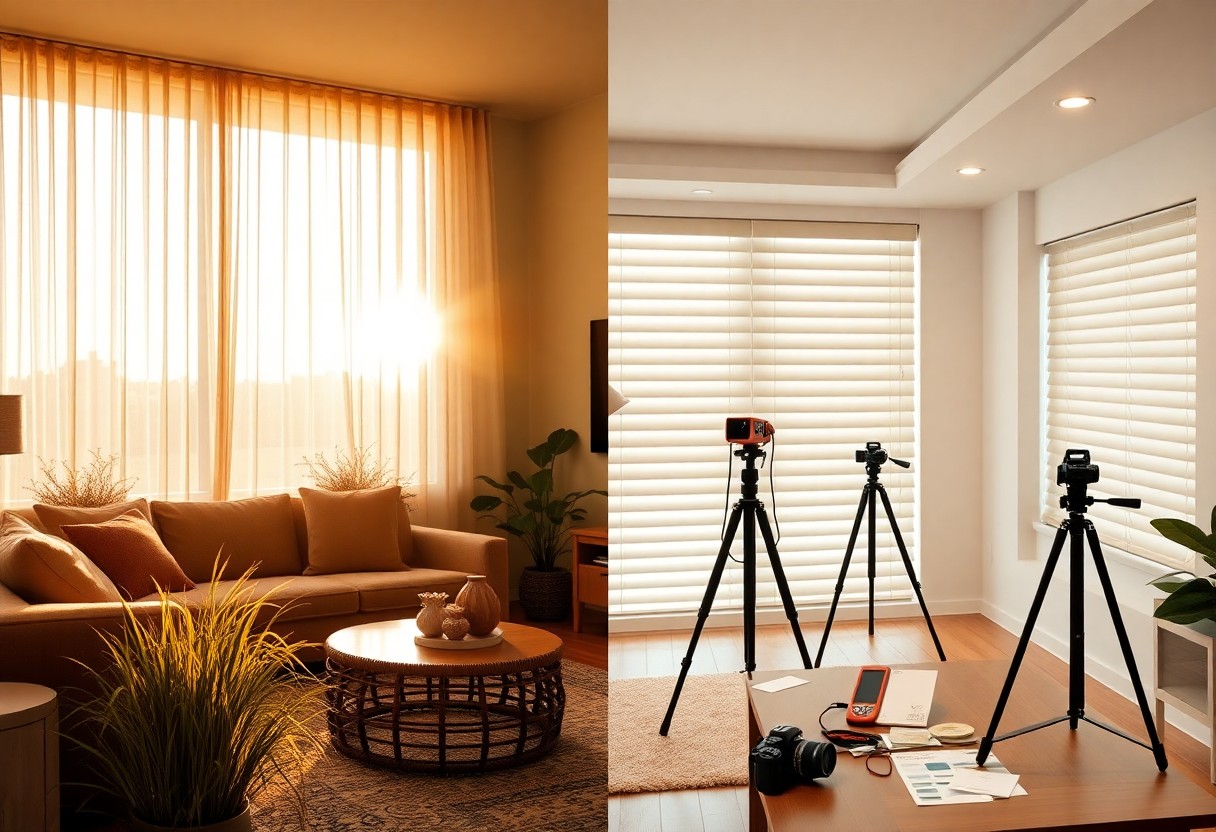
You’ve seen those dreamy living rooms bathed in soft, warm light that seems to glow from every surface. What you’re actually seeing is the carefully staged illusion of the golden hour-that fleeting window just after sunrise or before sunset when natural light wraps everything in a flattering, almost magical hue. Most Pinterest homes are shot during this narrow timeframe, making ordinary spaces look extraordinary. But your apartment doesn’t get that kind of light all day, and certainly not when you’re home in the evenings. Relying on this aesthetic without considering your actual lighting conditions sets you up for disappointment.
Why Your Space Never Looks Like the Photo
Light changes throughout the day, and your room likely experiences harsh midday glare or flat, cool shadows in the evening. The photos you admire were captured in ideal conditions, often enhanced with professional lighting equipment or post-processing edits. What looks warm and inviting at 5:30 PM in a photo may appear dull or washed out by noon in real life. This mismatch between expectation and reality is one of the biggest reasons Pinterest-inspired designs fall flat. You’re not failing-you’re just working with different light.
Designing for Your Real Lighting Conditions
Instead of chasing the golden hour glow, assess how light moves through your space at different times. Notice where shadows fall, which corners stay dark, and how artificial lighting interacts with natural light. Choose finishes, colors, and materials that perform well under your actual conditions. Matte surfaces often handle varied lighting better than high-gloss ones, and layered lighting-like floor lamps and sconces-can compensate when daylight fades. Designing for your real light, not someone else’s perfect moment, creates a space that feels consistently good, not just photogenic for 20 minutes a day. Learn more about why these discrepancies happen by reading Why Pinterest Rooms Fail in Real Apartments.
The Cost of Homogeneity: How Neutrality Fails the Brain
Your Brain Craves Visual Diversity
You weren’t designed to live inside a beige void. While Pinterest homes often celebrate monochrome palettes and minimalist repetition, your brain responds poorly to environments that lack visual contrast and sensory stimulation. Extended exposure to overly neutral spaces can dull cognitive function, reduce alertness, and even contribute to low mood. Color, texture, and pattern aren’t just decorative choices-they’re neurological necessities. When every room looks like a stock photo with gray walls, white linens, and matching baskets, you’re not creating calm-you’re creating sensory deprivation.
Emotional Resonance Gets Lost in Translation
Neutral spaces often promise serenity but deliver sterility. What looks peaceful in a two-second scroll rarely sustains emotional warmth over months of daily life. The absence of personal artifacts, bold hues, or unexpected details makes it harder for you to form a deep connection with your home. You need environments that reflect your history, energy, and quirks-not just what photographs well under filtered lighting. A space that doesn’t spark recognition or joy when you walk in is failing its most basic purpose, no matter how “on trend” it appears.
Real Life Isn’t Curated
Children leave toys on the floor. Books pile up. Kitchen counters get cluttered. These aren’t design flaws-they’re signs of a lived-in, functional home. When you model your space after sterile Pinterest aesthetics, you set yourself up for constant frustration. The pressure to maintain an unattainable standard can lead to anxiety, guilt, and a sense of failure-not peace. Instead of fighting your natural rhythms, design around them. Choose materials that hide wear, furniture that fits your family’s size, and layouts that support your actual routines, not someone else’s highlight reel.
Breaking Free Starts With Intention
You don’t have to reject neutral tones entirely-balance is possible. But ask yourself: are you choosing this look because it serves you, or because you’ve seen it everywhere? Why “Pinterest Design” Often Fails in Real Homes explains how aesthetic trends often ignore human behavior and long-term usability. Design that lasts embraces complexity, imperfection, and individuality. Start by introducing one bold color, one inherited piece, or one wall that breaks the mold. Let your home tell your story-not someone else’s algorithm.
The Algorithmic Mimicry: The Death of Personal Narrative
The Illusion of Choice
You scroll through Pinterest, convinced each pin reflects a unique vision, but what you’re actually seeing is a feedback loop shaped by engagement patterns. The algorithm rewards sameness-tiles with white shaker cabinets, matte black fixtures, and woven jute rugs rise to the top because they perform, not because they inspire. This creates an illusion of variety while quietly erasing true originality. What feels like personal discovery is often just curated repetition, nudging you toward what others have already liked, saved, and copied. Your taste isn’t being expanded-it’s being narrowed, one similar image at a time.
Design by Popularity, Not Purpose
Popularity becomes the default standard when you base decisions on trending boards. A kitchen layout goes viral not because it suits your cooking habits, but because it photographs well in flat-lay lighting. Choosing design elements for their shareability over functionality leads to spaces that look good online but fail in daily life. That open shelving might dominate your feed, but if you cook daily and hate dusting, it becomes a source of frustration, not joy. When aesthetics override lived experience, your home stops serving you and starts serving the camera.
The Erosion of Your Story
Your home should reflect the way you live, not the way someone else edits their life. Every time you replicate a pin without questioning its fit, you silence a piece of your own narrative. The danger isn’t in borrowing ideas-it’s in outsourcing your identity. A space stripped of personal history, quirks, and imperfections may look polished, but it lacks warmth, memory, and meaning. What feels aspirational at first often ends up feeling alien, like wearing clothes that fit perfectly but don’t feel like you.
Reclaiming Authentic Design
You don’t need more inspiration-you need more introspection. Start by asking what routines, values, and memories matter most in your daily life. Did your grandmother collect ceramic birds? Do you read in dim light with a cat on your lap? These details are the foundation of authentic design, far more powerful than any trend. Use Pinterest as a reference, not a rulebook. Pull colors, textures, or layouts that resonate, then adapt them to your reality. When your environment mirrors your life instead of a feed, it becomes not just beautiful, but deeply yours.
The Architecture of the Self: Designing for Lived Experience
Your Home Should Reflect How You Live, Not Just How You Pose
You’ve seen the photos: spotless kitchens with a single artisanal coffee cup placed just so, living rooms where no one ever actually sits, bedrooms so pristine they look untouched for weeks. These images sell a fantasy, but they rarely account for the chaos, comfort, and authenticity of daily life. When you copy these spaces, you’re not designing for your morning routine, your family’s habits, or your need to unwind after a long day-you’re designing for a photograph. A home built for performance fails the moment real life moves in.
Function Is the Foundation of True Style
Real beauty emerges when design serves purpose. A coffee table that doubles as storage for children’s books, a kitchen island that hosts homework and quick meals, a reading nook that fits your favorite blanket and a stack of well-worn novels-these are the details that shape a meaningful space. Ignoring function in favor of aesthetics leads to frustration, not fulfillment. You don’t need a magazine-perfect dining set if it means avoiding the table altogether because it feels too formal to use. Prioritize how you move through your home, not how it looks in a flat lay.
Emotional Resonance Beats Visual Perfection
Spaces that feel like home carry traces of your story-faded artwork from a family trip, a mismatched chair that’s perfect for naps, a well-loved rug that’s seen years of movie nights. These elements may not align with a curated Pinterest board, but they hold emotional weight that sterile perfection can’t replicate. When you design for lived experience, you invite warmth, memory, and identity into every corner. That kind of authenticity can’t be copied; it must be lived into.
Designing for Yourself Is an Act of Self-Respect
Choosing a paint color because it calms you, arranging furniture to encourage conversation, or keeping a cozy corner just for solitude-these decisions honor your inner world. Copying someone else’s home often means silencing your own needs in favor of external approval. But a space that reflects who you are fosters well-being, clarity, and a deeper sense of belonging. You deserve a home that supports your life, not one that demands you change to fit it.
Conclusion
Drawing together what works in your home means understanding your lifestyle, not replicating images. Pinterest inspires, but copying it exactly often fails because those spaces aren’t designed for your needs. Instead, take ideas as a starting point-adapt colors, layouts, and furniture to fit how you live. Design should serve you, not the other way around.
FAQ
Q: Why do Pinterest-inspired home designs often look different in real life than they do online?
A: Pinterest images are usually styled for photography, using tricks like wide-angle lenses, perfect lighting, and temporary decor. These photos often show a room at its best moment, not how it functions daily. Real homes have clutter, uneven lighting, and personal items that affect the look. A space that appears spacious and minimalist in a photo might feel cramped or impractical when lived in. The gap between image and reality comes from editing, staging, and selective framing that don’t reflect everyday living.
Q: Can small homes really replicate the open, airy spaces seen on Pinterest?
A: Most Pinterest homes labeled as “small” are actually professionally designed with custom layouts, high budgets, or structural advantages not visible in photos. Many use mirrors, neutral tones, and built-in storage to create the illusion of space. Real small homes often have awkward corners, limited natural light, or shared functions in one room. Copying these designs without adjusting for actual square footage or layout can lead to overcrowding or poor flow. Designing for your home’s real dimensions works better than forcing a viral look.
Q: Why does copying a Pinterest color scheme sometimes make a room feel off?
A: Pinterest color palettes are chosen to look cohesive in photos, but they don’t always consider how light, furniture, or existing materials interact in your space. A moody navy wall might look dramatic in a sunlit photo but feel dark and cold in a north-facing room. Paint swatches also vary by brand and lighting. Matching a photo exactly ignores your home’s unique conditions. Testing paint on large swatches at different times of day and pairing it with your actual furniture gives more reliable results.
Q: Is it a problem to mix too many Pinterest trends in one room?
A: Yes. Combining multiple trends-like exposed brick, rattan lights, arched mirrors, and checkerboard floors-can make a room feel chaotic instead of curated. Pinterest promotes standout details, but real comfort comes from consistency and balance. A room filled with trend-focused pieces lacks a clear style and can feel impersonal. Choosing one or two elements that fit your taste and blending them with timeless basics creates a more cohesive and lasting space.
Q: What should I do instead of copying Pinterest designs exactly?
A: Use Pinterest as inspiration, not a blueprint. Save images that appeal to you, then identify what specifically draws you in-color, texture, layout, or mood. Apply those ideas in ways that suit your lifestyle, budget, and home’s architecture. A cozy reading nook might inspire you, but adapt the size, materials, and location to fit your space. Prioritize function, comfort, and personal meaning over visual perfection. Designing with intention leads to a home that feels authentic and works well every day.