
Upcycled Garden DIY – Creative Ways to Repurpose Household Items Into Planters and Art
It’s easy to transform old objects into garden planters and art when you follow practical steps: assess materials, plan drainage, and use safe finishes; prioritize proper drainage and material suitability. You’ll save money, cut waste, and boost curb appeal-upcycling reduces landfill waste and lowers costs-but avoid toxic paints and wear gloves when cutting or drilling to stay safe.
Key Takeaways:
- Repurpose everyday items-mason jars, tin cans, pallets, old boots-into planters and garden art to reduce waste and personalize outdoor space; prioritize drainage, suitable soil, and plant size.
- Combine aesthetics and durability by using paint, sealants, and sturdy fastenings so pieces withstand weather; match container depth and light exposure to the plant’s needs.
- Prep and maintain upcycled containers: clean thoroughly, use non-toxic coatings when needed, add drainage or a reservoir for small vessels, and inspect regularly for corrosion or rot.
Benefits of Upcycling in Gardening
Beyond aesthetics, upcycling delivers tangible wins: you reduce waste streams, stretch budgets, and deepen garden diversity by creating varied microhabitats. Many hobbyists and community plots report cutting material expenses by more than 50% versus buying new, while creating planters that boost pollinator shelter and soil life. You also lower demand for newly manufactured goods, which translates to fewer emissions and resource extraction-practical outcomes that compound season after season when you choose salvaged over shop-bought.
Environmental Impact
When you convert bottles, pallets, or broken ceramics into planters, you divert solid waste from landfills and reduce the need for virgin materials; repurposing 50 plastic containers keeps 50 items out of the waste stream. At the same time, be cautious: avoid using containers that held toxic chemicals or pressure-treated wood, as these can leach into soil and plants. Practical examples include vertical gardens from 2‑liter bottles and pallet beds that cut embodied material use compared with new raised-bed kits.
Cost Savings
You can save real money by upcycling: a typical retail planter runs $15-$60, whereas salvaged buckets, tires, or jars are often free or under $5. Small-scale gardeners commonly reduce starter costs by 50%-80% and community plots frequently save hundreds to thousands of dollars annually by reusing materials, buying soil and amendments more selectively, and avoiding disposal fees.
To maximize savings, you should combine upcycling with DIY soil and compost-making compost can replace up to 30-50% of purchased fertilizer and potting amendments-use reclaimed wood for beds, and swap cuttings to expand plantings at near-zero cost. Also factor in longevity: properly sealed tires or ceramic reuse lasts years, but inspect for paint, chemical residues, or structural failure before planting to avoid costly plant loss or contamination.
Choosing the Right Household Items
When opting for items, assess shape, material, and former contents: a shallow drawer suits succulents while a deep 5‑gallon bucket is ideal for tomatoes. Aim for balance between form and function-vented colanders already provide drainage, glass jars work for indoor herb cuttings, and heavy ceramic can withstand wind. You should prefer items that fit your plant’s root depth, sun exposure, and the load they’ll carry; for reference, a filled 5‑gallon container can weigh about 40-50 lb.
Common Household Items to Repurpose
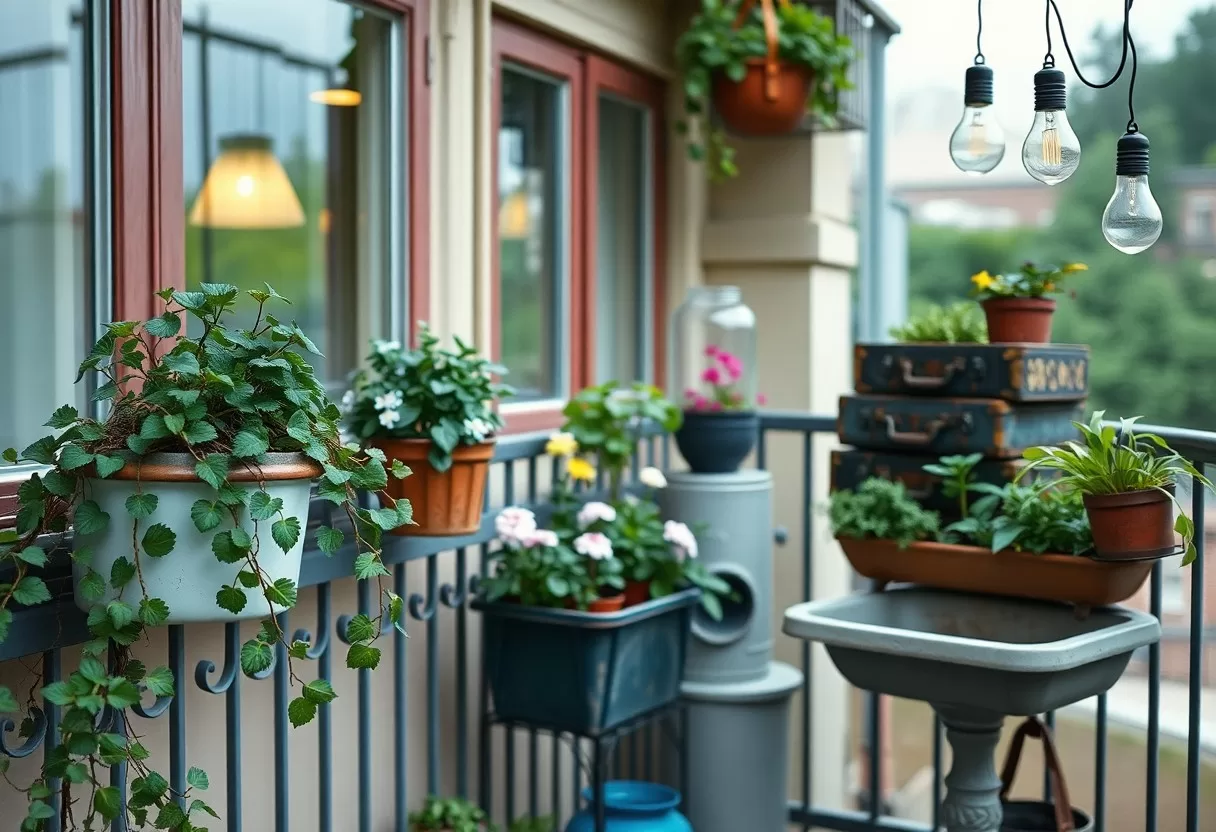
Consider 2‑liter soda bottles for mini greenhouses, quart mason jars for herb starters, old tires as sandbox planters, wooden crates for raised beds, and metal tea kettles for decorative pots. Household favorites also include pallets turned into vertical gardens and chipped sinks for hardy perennials. You can safely reuse food‑grade plastics (HDPE, marked #2) for edibles, while painted or chemical containers are better reserved for ornamentals.
Evaluating Durability and Safety
Check material codes: PET bottles degrade faster outdoors, while HDPE and ceramics last longer; thin plastics often become brittle within 1-3 years under UV. Inspect for lead paint, pesticide residues, or toxic coatings-if the previous use is unknown, use the item for non‑edible plants or line it first. Always provide drainage holes and smooth sharp edges to prevent injury.
Assess structural integrity by testing weight and water retention: a cubic foot of moist soil weighs roughly 75 lb, so secure hanging planters and reinforce pallets or crates. Treat rust‑prone metals with a non‑toxic sealant, sand and prime painted surfaces, and use heavy‑duty pond liners or food‑safe silicone as barriers when you plan to grow edibles. If contamination is suspected, send samples for testing or restrict use to ornamental displays.
Creative DIY Planter Ideas
Upcycled Containers
Repurpose tin cans, mason jars, wine bottles, plastic milk jugs and old boots into planters by drilling drainage holes and lining with landscape fabric; most herbs need 6-8 inches of soil depth so pick vessels accordingly. When you plant edibles, use food‑safe liners for painted tins and avoid containers that held chemicals like motor oil or pesticides – these are toxic. Many projects cost under $5 and cut household waste while creating unique displays.
Vertical Garden Solutions
Stacked pallets, shoe organizers, gutters and modular pocket panels let you grow upward and can expand planting area 2-5× in the same footprint. You can run 1/4″ drip tubing with emitters every 6-8 inches or use wicking reservoirs for low-maintenance watering. A 3‑tier pallet planter typically holds 12-18 herb‑sized plants; secure anchoring is vital because saturated soil adds significant weight to walls and frames.
Choose lightweight soilless mixes (coconut coir + perlite) to reduce weight and speed drainage, and space pockets 6-10 inches for herbs or 10-12 inches for salad greens. Select plants like lettuce, basil, strawberries and trailing succulents and avoid large root crops unless pockets are deep. Install a drip timer for consistent runs of 3-8 minutes depending on sun, and add a waterproof backboard to protect surfaces – prevent rot and structural damage.
Transforming Items into Garden Art
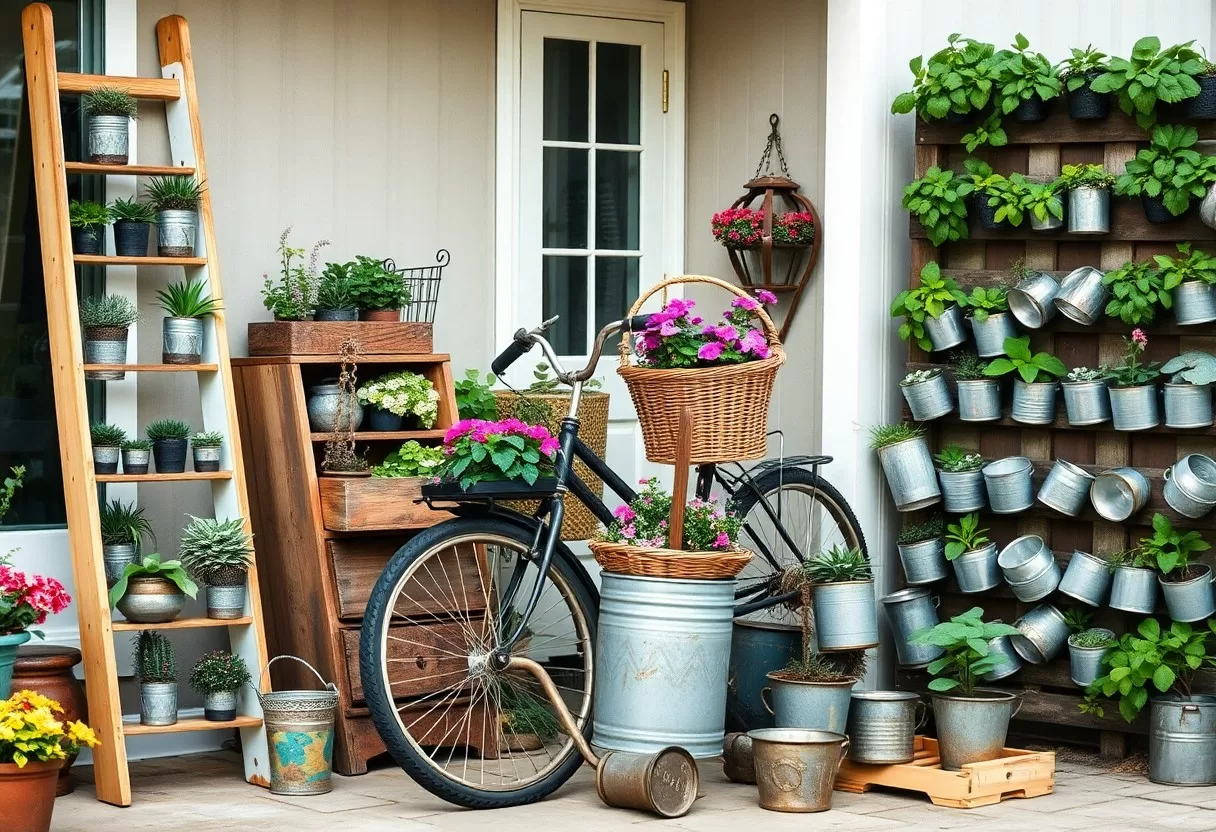
When you turn a weathered ladder into a tiered plant display or stack painted teacups into a birdbath, you add both form and story to borders; many gardeners find inspiration in galleries like 35+ Upcycled Container Gardens and Yard Art Made …. Prioritize secure mounting, drainage, and non-toxic finishes so your installations last and remain safe in sun and rain.
Decorative Features
You can create striking accents with small projects: glue 6-10 recycled glass bottle bottoms into a fence for a stained-glass effect, mosaic broken china onto a stepping stone, or paint an old tire with 2-3 coats of outdoor acrylic for a bold focal point. Add solar LEDs or mirrored pieces for evening impact, and always use UV-resistant paint and sand sharp edges to avoid hazards.
Functional Art Pieces
Make art that pulls weight-build a vertical herb wall from a pallet with 6-8 fabric pockets, convert a 55-gallon drum into a painted rain barrel, or repurpose an old dresser drawer into a layered planter. These projects boost productivity and curb appeal, but you must ensure stable anchoring and proper drainage to prevent collapse and root rot.
When you assemble functional art, use hardware-grade materials: fasten heavy pieces with 3-inch exterior screws or lag bolts into studs or concrete, line containers with landscape fabric and drill 4-6 drainage holes, and apply 2-3 coats of exterior sealer. Test glazes for lead and choose non-toxic paints, and anchor tall items with ground stakes or concrete footings to eliminate the risk of tipping.
Step-by-Step Upcycling Projects
You’ll tackle five practical upcycles with clear timelines: teapot planters (1-2 hrs), wine-bottle self-watering stations (2-3 hrs), pallet vertical gardens (4-6 hrs), boot planters (30-60 mins), and tin-can herb pots (20-40 mins). Each entry lists tools, safety steps, and finishing options so you can complete 1-2 projects per weekend; for power-tool tasks, wear eye and ear protection and work on a stable surface.
Quick Project Guide
| Project | Time / Skill / Key tip |
|---|---|
| Teapot Planter | 1-2 hrs · Easy · Add drainage holes (1/4″) and use succulents for shallow soil |
| Wine-Bottle Self-Watering | 2-3 hrs · Moderate · Use diamond drill bit and water-cooling when drilling glass |
| Pallet Vertical Garden | 4-6 hrs · Intermediate · Line with landscape fabric; mount to studs for stability |
| Old Boots | 30-60 mins · Easy · Punch drainage and fill with gritty mix for herbs |
| Tin-Can Succulents | 20-40 mins · Easy · Sand sharp edges and coat interior with non-toxic sealant |
Planning and Design
Start by mapping your space and matching items to scale: aim for 10-15 cm of potting mix for shallow herbs and 30+ cm for vegetables. Measure sunlight-south-facing areas give 6+ hours-and group plants by water needs. Sketch a layout, list exact quantities (e.g., 3 wine bottles, 2 bags potting mix), and plan mount points or stands; that level of detail prevents mid-project changes and wasted materials.
Tools and Techniques
You’ll use a cordless drill with 1/8″ and 1/4″ bits, a jigsaw or hacksaw, 80-120 grit sandpaper, exterior acrylic paint, and silicone sealant. Wear gloves and a dust mask when cutting or sanding metals and glass since sharp edges and glass shards are the top hazards. Test techniques on scrap materials before working on the final piece.
For glass, drill at 300-500 RPM with a diamond bit and constant water to prevent cracking; for metal, use a high-speed steel bit at 1,500-2,500 RPM. Ensure drainage with a 1/4″ hole or layer of gravel; seal fabrics with spray-on acrylic and allow 24-48 hours to cure. Reinforce cut edges with metal grommets to reduce wear and tearing.
Maintenance Tips for Upcycled Planters
Maintain upcycled planters by checking drainage, refreshing soil, and avoiding standing water; for example, empty saucers weekly and add 1-2 inches of gravel under soil in non-draining containers. Rotate containers monthly for even light, and treat rusted metal by sanding and sealing to prevent soil contamination. For inspiration on vintage containers and protective finishes see 33 Ideas Using Repurposed, Upcycled Vintage Finds For … Thou follow these simple checks each 7-14 days.
- Inspect drainage holes weekly and clear blockages.
- Top-dress soil with 2-3 inches of fresh potting mix each spring.
- Watch for rust or old paint that may leach; seal or line containers.
- Check plants for pests every 7-10 days and treat infestations promptly.
Care for Plants in Repurposed Items
You should match watering to the container: terracotta wicks moisture so water herbs every 4-7 days, while glazed or metal planters need water every 2-3 days in summer; succulents generally require 2-3 weeks. Use a moisture meter or finger test to avoid root rot, and replace potting mix annually or top-dress with 2-3 inches of fresh soil to maintain nutrients and reduce disease buildup.
Seasonal Upkeep and Adjustments
Move sensitive repurposed containers indoors before the first frost and insulate exterior planters with burlap; reduce watering by about 30-50% during dormancy. Prune perennials in late winter, refresh mulch each season, and check seals on metal or painted finds to prevent winter damage.
During heatwaves monitor soil daily-containers can heat 10-15°F above ambient in direct sun-so shade roots with light fabric and increase watering to once every 24-48 hours for thirsty annuals; for frozen conditions, lift lightweight planters off icy surfaces to avoid cracked bottoms, and for sealed vessels consider adding a 1-2 inch reservoir layer plus monthly aeration to maintain oxygen and prevent root rot.
Conclusion
Drawing together the ideas and techniques from your upcycled garden DIY projects, you transform ordinary household items into distinctive planters and garden art that reflect your style while reducing waste. With simple tools and creativity, you can adapt containers, textiles, and reclaimed wood to suit plant needs, enhance microhabitats, and create seasonal displays; ongoing experimentation refines your skills and yields durable, functional pieces you can proudly showcase.
FAQ
Q: How do I prepare household items so they’re safe and long-lasting as planters?
A: Clean item thoroughly to remove dirt, grease and any food residue. Remove or sand off flaking paint and rust; treat metal with a rust inhibitor or primer before repainting. Drill or punch drainage holes whenever possible; if the item can’t be pierced, create an internal drainage layer (gravel, broken pottery, or a plastic pot inserted with holes). Line porous materials like wood, wicker or cardboard with landscape fabric, heavy-duty plastic, or a food-safe sealant to limit rot and soil contact. For indoor planters, use a breathable liner and a saucer to catch overflow. Use non-toxic, outdoor-grade paints and sealers labeled safe for plants (water-based acrylics, exterior polyurethanes, or plant-safe stains). Finish by choosing an appropriate potting mix for the plant type and placing a layer of activated charcoal under the soil in closed containers to prevent odors and mold.
Q: Which household items make the best upcycled planters and which plants suit them?
A: Mason jars and glass bottles are ideal for succulents, cuttings and small herbs-add pebbles or a drainage layer for glass. Teapots and kettles work for small annuals or trailing plants; ensure a drainage hole or use a liner. Colanders and metal sieves make ready-made hanging planters thanks to built-in drainage. Old boots, baskets and drawers suit shallow-rooted annuals and trailing plants once lined. Pallets, gutters and shoe organizers are perfect for vertical herb walls and strawberries. Tires and large buckets fit shrubs and compact vegetables. Match plant root depth and moisture needs to the container: succulents in shallow, well-draining vessels; herbs in moderate-depth containers; tomatoes and peppers in deeper, sturdier receptacles. Consider sun exposure and material durability-plastic and glass may overheat in direct sun, wood benefits from shade or regular sealing.
Q: How can I protect upcycled garden art from weather and pests while staying eco-friendly?
A: Use UV-resistant exterior paints and a clear outdoor sealant to slow fading and water damage; for wood, choose a plant-safe oil or water-based exterior sealer. Elevate planters off the ground or add feet to improve air circulation and prevent standing water. For metal pieces, coat with rustproof primer and paint; inspect and touch up annually. To deter slugs and some pests, use physical barriers (copper tape, crushed eggshells) or encourage predators like birds and beneficial insects rather than chemical pesticides. Store fragile or decorated items indoors over winter or cover them with breathable fabric. Clean and refresh soil yearly and replace liners if they break down to prevent rot and pest buildup.