
Textured Walls Are In – From Limewash to Plaster for a Tactile Makeover
Textured walls add depth, warmth and movement that flat paint cannot. Limewash gives soft, cloudy color, while lime and Venetian plasters add subtle sheen and a hand-made feel. Here is how each finish works, which colors suit them and how to maintain textured walls over time.
Table of Contents
Key Takeaways:
- Limewash and plaster add depth and interest that flat paint can’t match.
- These finishes invite touch and make a room feel warmer and more lived-in.
- The right texture suits many styles, from rustic farmhouse to clean modern.
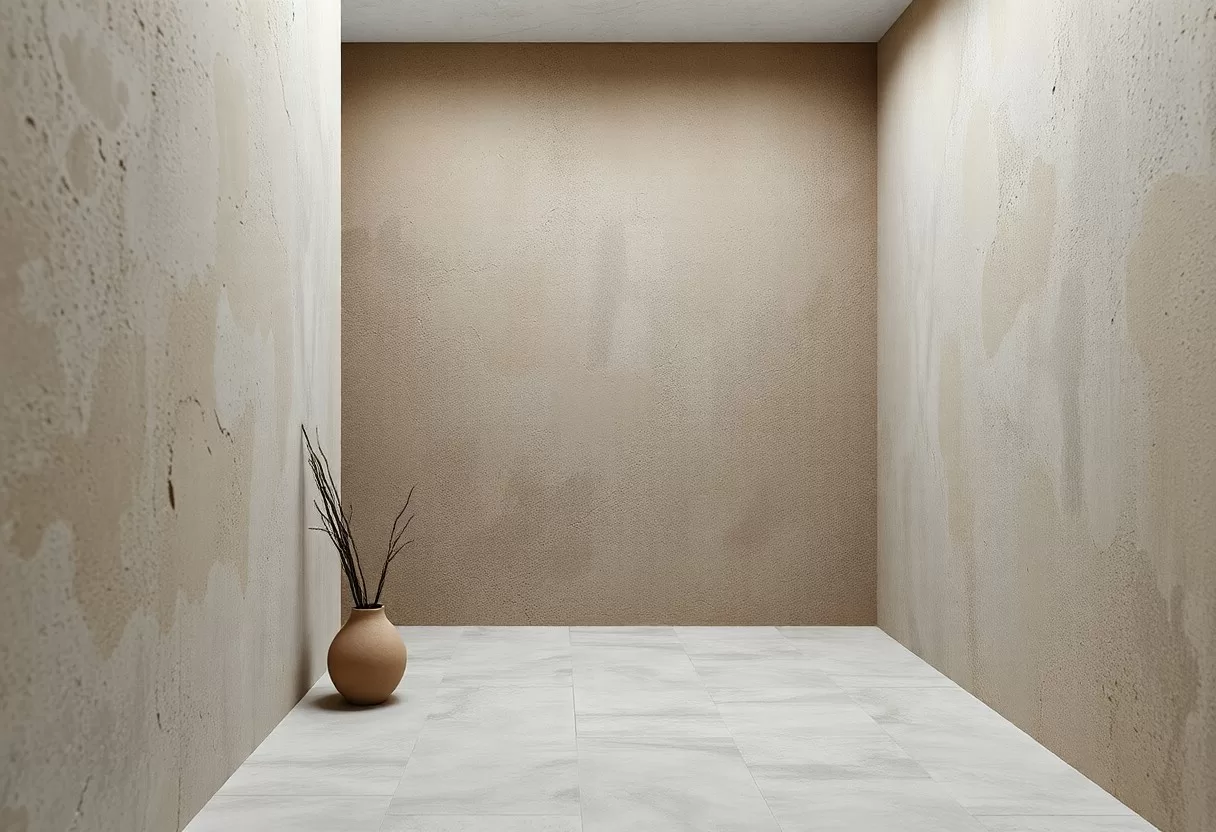
Understanding Textured Walls
Textured walls give a room depth and character that flat paint can’t. Light skims across the surface and picks out tiny ridges and shifts in tone, so the wall looks different in the morning than it does at dusk. Finishes range from robust troweled plaster to soft, cloudy limewash. Because they are applied by hand, no two walls look exactly alike, which is a big part of their appeal in today’s interiors.
The Appeal of Tactile Surfaces
People want homes that feel calm and personal, and tactile surfaces help. A slightly uneven wall reads as handmade and makes a space feel cozy and lived-in, especially next to wood, linen and stone. Glossy, perfectly flat finishes can feel cold in comparison. Textured walls also hide small dents and imperfections well, which is a practical bonus in older houses where walls are rarely perfectly straight.
Historical Context and Trends
Wall texture is nothing new. Builders have used lime plaster for thousands of years, from ancient Roman interiors to Mediterranean farmhouses, and the polished Venetian plaster popular today grew out of those traditions. Styles come and go, but the current interest in natural materials has brought limewash and plaster back into fashion. They connect a modern home to old building methods while still looking fresh.
Different cultures have used texture in their own ways. Classical buildings featured decorative plasterwork, and traditional Japanese houses used earthen clay walls alongside paper shoji screens. In the 20th century, textured finishes showed up in Art Deco interiors and later in mid-century homes. Today’s revival is partly a reaction to years of stark, all-white minimalism. Homeowners want surfaces with a bit of soul, and handmade wall finishes deliver that without adding clutter.
Limewash: A Natural Choice
Limewash is a mineral paint made from slaked lime, water and natural pigments. It soaks into porous surfaces like plaster, brick and stone, then cures into a soft, matte finish with gentle color variation. It suits textured surfaces well, because it settles into the dips and highlights the high points. Over drywall or existing paint, you will need a special mineral primer first. For more detail, read Is Limewash Good For Textured Walls?.
Benefits of Limewash
Limewash has several practical advantages. Its natural breathability lets moisture pass through the wall instead of getting trapped, and its high alkalinity naturally resists mold. It is durable in the sense that it bonds into mineral surfaces rather than forming a film that peels, though it can chalk slightly and may need a fresh coat every few years in busy areas. It is also very low-VOC, with almost no odor, which makes it a good choice for bedrooms and nurseries.
Application Techniques
Good results start with preparation. Clean the wall of dust and grease, repair cracks, and prime with a mineral primer if the surface is painted, glossy or very uneven in porosity. Use a wide, soft block brush for the classic cloudy look; a brush gives the most movement, while a roller or sponge gives a calmer finish. Apply two or three thin coats, letting each dry fully, usually a few hours, before the next one.
Thin the limewash with water according to the maker’s directions; many brands suggest diluting it somewhere up to a 1:1 ratio for a more transparent look. Lightly mist the wall with water before you start, which helps the limewash bond and slows drying. Work in small sections with loose, crisscross strokes, and keep a wet edge so you don’t get hard lines. Test on a sample board first, since color dries much lighter than it looks when wet.
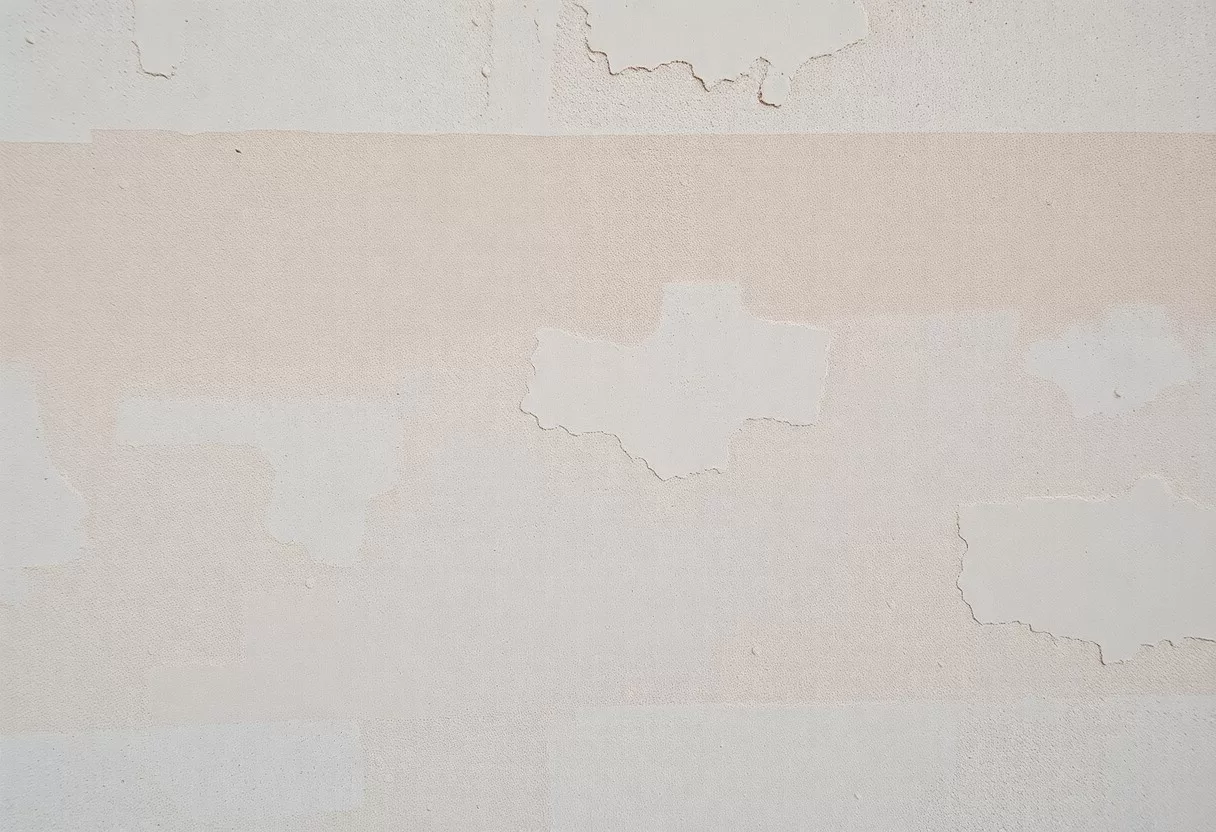
Plaster Finishes
Plaster finishes add a refined, solid layer to your walls and hold up well to everyday wear. They suit a wide range of styles, from rustic to sleek and modern, depending on how they are troweled. Unlike limewash, plaster has real thickness, so it can smooth out uneven surfaces or create textured walls with pronounced relief. Most decorative plasters need a skilled hand, so get samples and see a pro’s past work before you commit.
Various Types of Plaster
| Gypsum Board | Commonly used for interior walls, lightweight and easy to install. |
| Venetian Plaster | Offers a marble-like finish, ideal for luxurious settings. |
| Clay Plaster | Environmentally friendly option that promotes indoor air quality. |
| Stucco | Durable exterior finish providing texture and weather resistance. |
| Traditional Lime Plaster | Breathable, flexible, and perfect for historical restorations. |
Common types include lime plaster, Venetian plaster (polished to a soft sheen), clay plaster and veneer plaster. Each has a different look, cost and level of skill required.
Creative Applications and Textures
Plaster gives you lots of creative options. Troweling in tight, overlapping strokes builds a smooth, stone-like finish, while looser strokes or a sponge float leave a softer, more rustic surface. You can also burnish plaster for a subtle sheen or leave it matte. A single plaster feature wall behind a bed or sofa is a good way to try it without committing a whole room, and it gives the space a clear focal point.
Maintenance and Care
Like any finish, limewash and plaster need some maintenance to look their best. Check them once or twice a year for chips, cracks or worn spots in high-traffic areas, and touch them up early. For real-world tips from homeowners who have tried it, see this discussion where Lime washed walls have been my new favorite technique. Keep a little leftover material for repairs, labeled with the color and date.
Long-Term Durability
When cared for, textured walls offer exceptional longevity. Limewash ages gracefully and develops a soft patina, and a quick recoat refreshes it whenever needed. Properly applied plaster can last for decades and resists peeling, because it is part of the wall rather than a film on top. Hairline cracks can appear as a house settles, but they are usually easy to fill and blend in.
Cleaning Techniques
Use gentle cleaning methods on textured walls. Dust settles into grooves and ridges, so go over the wall every few months with a soft-bristled brush, a vacuum brush attachment or a dry microfiber cloth. For marks, a barely damp sponge often works. Avoid harsh chemicals and abrasive pads, which can wear away the finish and leave shiny or pale spots.
Don’t scrub too hard, or you may disturb the texture. For plaster, a solution of water and a little mild soap is usually safe; test it in a hidden spot first. Limewash is more delicate, so use only the slightest moisture and blot rather than rub. Sealed Venetian plaster in kitchens and baths can handle more cleaning. If a stain won’t lift, touching up that area with a little extra limewash or plaster is often easier than cleaning it.
Color and Finish Options
Color and finish change the whole mood of a room. Textured walls play with light and shadow, so even a plain color looks richer. Soft whites, warm grays and earthy tones like clay, sand and terracotta suit limewash’s natural, chalky look. Deep greens, blues and charcoals bring out the depth of polished plaster and make a room feel enveloping. Always look at large samples on the actual wall at different times of day before you choose.
Choosing the Right Palette
Pick a palette that fits the room’s purpose and light. North-facing rooms get cooler light, so warm tones help balance them, while sunny south-facing rooms can take cooler shades. Warm colors make a space feel cozy, cool tones feel more open. A monochromatic scheme, with wall, trim and even ceiling in close shades, lets textured walls take center stage. Contrasting colors can add drama, but use them sparingly so the texture still stands out.
Customizing Textures
You can customize texture in many ways. A skilled plasterer can create anything from a fine, burnished trowel finish to a rough, sandy surface. Venetian plaster gives a polished, almost marble-like sheen, while a sand finish looks more rustic and hides imperfections well. Some homeowners add subtle stenciled patterns or a contrasting band of color. Ask for a sample board of each option so you can see and touch it in your own light.
Mixing textures in one room can look great when it is done with restraint. Picture a living room with a smooth, polished plaster accent wall and a rough, limewashed brick fireplace. The contrast draws attention to the features you love. Techniques like sponging or dragging add layered effects, but keep to two or three finishes per room so the space feels calm rather than busy.
Incorporating Textured Walls in Design
Use texture where it has the most effect. Limewash, veneer plaster or stucco on a wall that catches side light from a window will show off the finish best. Texture can also shape how a room feels: a darker textured wall at the end of a long room makes it feel shorter and cozier, while light texture on all walls keeps a small room bright. If you’re unsure, start with one key wall before you commit to textured walls throughout the house.
Complementary Decor Styles
Your decor style affects which texture works best. Industrial spaces suit rougher, raw finishes like limewashed brick or concrete-look plaster. Scandinavian rooms favor soft, pale limewash that adds warmth without visual weight. Bohemian spaces can take bolder earthy colors and more pronounced texture, while modern minimalist rooms look best with subtle, smooth plaster that keeps everything light and calm.
Case Studies and Inspiration
Real homes show how versatile these finishes can be. From city lofts to country cabins, here are a few common ways designers and homeowners use texture:
- Urban loft: limewash on bare brick softens an industrial space without hiding the brick.
- Modern home: smooth plaster walls give a clean, continuous look with more warmth than paint.
- Bohemian retreat: stucco tinted with earthy natural pigments ties the room to its outdoor setting.
- Minimalist apartment: textured wallpaper adds interest and can slightly soften echo in a bare room.
- Rustic cabin: wood paneling paired with decorative plaster feels warm and cozy in winter.
Looking at finished rooms is one of the best ways to decide what you like. Save photos of rooms that appeal to you and notice what they share: the color, the amount of texture, the materials around it. Soft, textured finishes can also help a bit with echo in sparse rooms, and natural mineral materials like lime and clay are a good fit for anyone choosing lower-impact products. Bring those photos to your painter or plasterer so you are both working toward the same look.
Paint calculator
Find out how much paint you need for a room, minus doors and windows.
Conclusion
Adding textured walls with limewash or plaster is a simple way to make a room feel warmer, more personal and more interesting to live in. Start with one wall, test samples in your own light and choose a color that suits the room’s purpose. With basic care, these finishes last for years and only get better with age. A tactile makeover is less about following a trend and more about making your home feel like your own.
FAQ
Q: What are the benefits of using limewash for textured walls?
A: Limewash offers a unique aesthetic with a natural, breathable finish that enhances the texture of walls. It is eco-friendly, allowing for moisture regulation which helps in preventing mold and decay. Additionally, limewash develops a beautiful patina over time, adding character to interiors.
Q: How do I choose between limewash and plaster for my wall textures?
A: The choice between limewash and plaster depends on desired aesthetics and functionality. Limewash provides a softer, more organic look with a matte finish, while plaster offers durability and can achieve a range of finishes including smooth and polished textures. Consider the room’s humidity and usage when making your decision.
Q: What is the application process for textured walls using plaster?
A: The application of plaster involves preparing the wall surface, applying a bonding agent if necessary, followed by the plaster application in layers. Each layer should be allowed to dry before the next is applied. Finish with texture tools or trowels for the desired look, and seal for protection if required.
Preview limewash or plaster on a photo of your room with the free AI interior design generator.
Related Guides
