
Woven Wonders – Textural Trends for Next-Gen Interiors
Woven textures such as rattan, cane, jute and chunky wool bring warmth, depth and a handmade feel to modern interiors. Layered carefully, they add interest without clutter. Here are the textural trends to know and how to apply them in every room.
Key Takeaways: Woven Textures Interior
- Woven textures in interior design add warmth and a handmade feel.
- Rattan, cane, jute and wool layer well together.
- Use them in moderation to avoid clutter.
Table of Contents
The Artistry of Textures
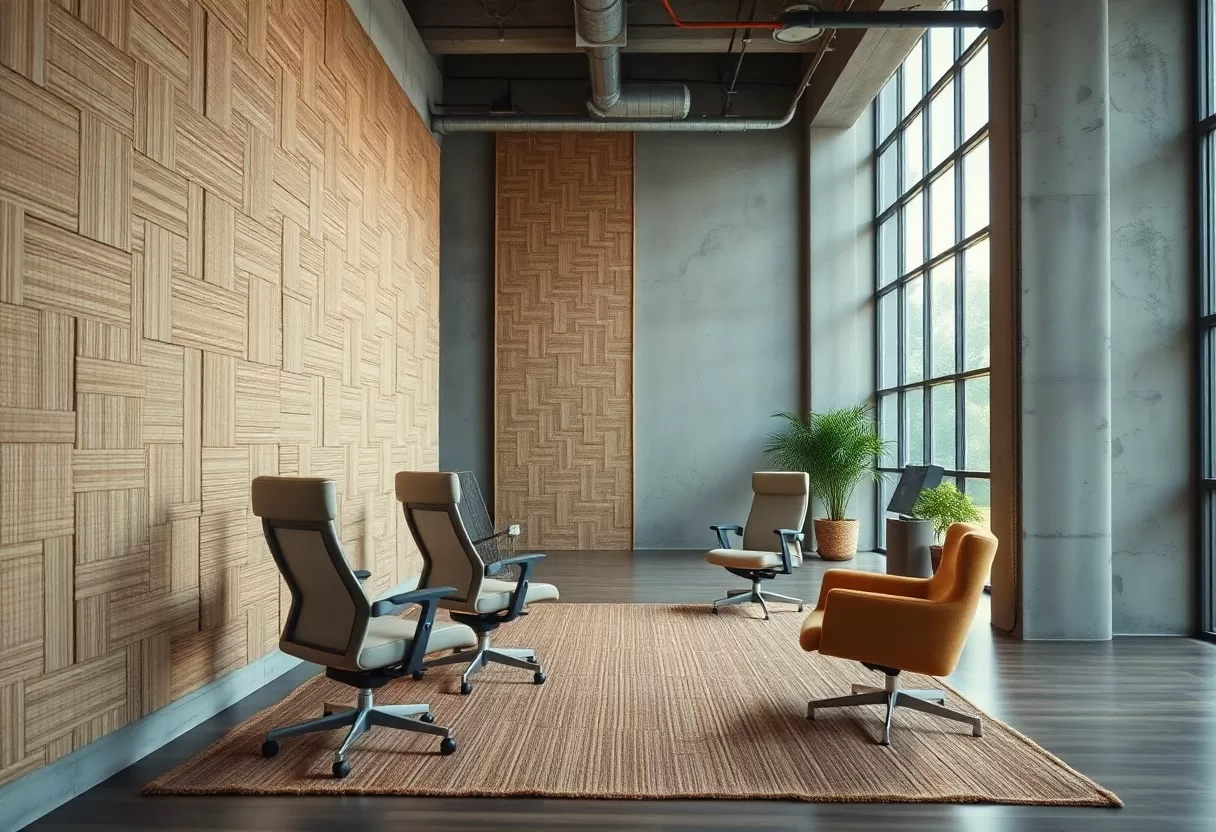
Texture gives a room its personality. It’s what you notice when you run a hand along a sofa arm or step barefoot onto a rug. Mixing materials keeps the eye moving and makes a space feel lived in rather than staged. Layer a few textures with care and you get depth and comfort without clutter, even in a room with a very simple color scheme.
Natural Fiber Revival: Embracing Sustainability
Natural fibers are back in a big way, largely because people want furnishings that are kinder to the planet. Hemp, jute and wool are renewable, and they bring warmth and an honest, handmade look to any room. Wool is naturally resilient and resists soiling, while jute and hemp feel earthy and casual. Choosing them lets you follow the trend and make a lower-impact choice at the same time.
Each natural fiber has its strengths. Jute is soft and affordable but sheds and stains easily, so keep it out of kitchens and entryways. Sisal is tougher and good for halls, though it feels rough underfoot. Seagrass is naturally stain resistant. Rattan and cane furniture prefer stable humidity; wipe them with a damp cloth and keep them out of direct, all-day sun to prevent cracking and fading.
Innovations in Synthetic Materials: The New Age of Textiles
Synthetic materials have improved a lot, and they now come in options that are durable, versatile and often more affordable than natural fibers. Textiles made from recycled plastics and biodegradable polymers let you get an interesting look with a smaller environmental cost. They make the most sense where natural fibers struggle, such as outdoors, in bathrooms or in busy family rooms.
Modern synthetics, such as polyester blends and nylon alternatives, can offer moisture resistance, stain resistance and even UV protection. That makes them a smart pick for high-traffic areas, sunny porches and homes with pets or kids. Many outdoor rugs and performance fabrics now copy the look of jute, linen or wool while standing up to spills and sun much better. Check the label for cleaning codes and fade ratings before you buy, so you know how a piece will hold up over time.
Pattern Play: Bold Designs Reshaping Spaces
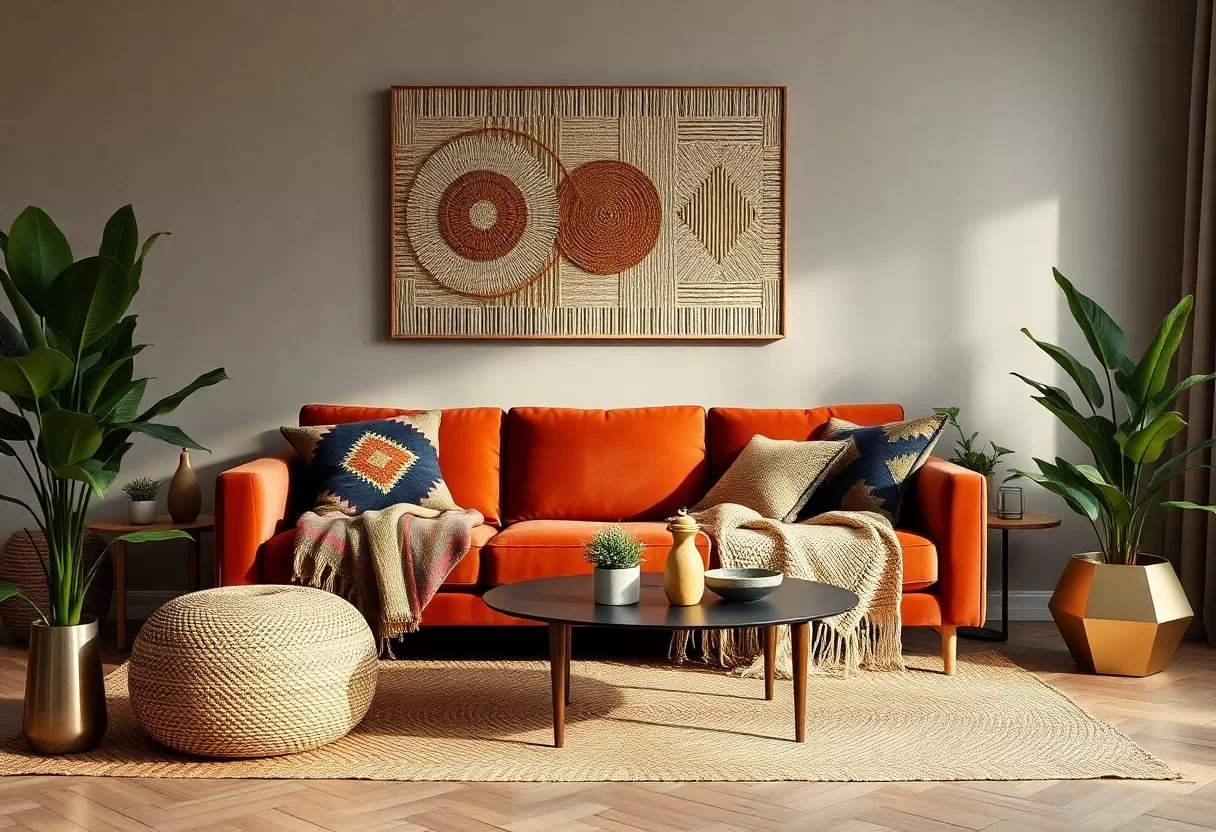
Bold patterns are a great way to show personality in a modern home. Layered motifs and contrasting colors draw the eye and give a room energy. Oversized florals, graphic geometrics and abstract, art-inspired prints all work if you control the scale. A simple rule for mixing: pair one large pattern with one medium and one small, and repeat at least one color across all three so they feel related.
Geometric Inspirations: A Mathematical Approach to Interior Aesthetics
Geometric patterns bring order and a crisp, modern edge. Lines, shapes and symmetry give a room structure, which is helpful in open plans that can feel shapeless. Try them on wallpaper, a woven rug, cushion covers or a tiled backsplash. In a small room, choose a smaller repeat or a tone-on-tone version so the pattern adds interest without making the space feel busy.
Organic Forms: Nature-Inspired Patterns for Tranquility
Organic forms borrow from nature: curving lines, leaf shapes and soft, irregular edges. These patterns feel calm and fluid, and they balance the straight lines of walls, windows and cabinets. Woven pieces like a round rattan mirror, a curved cane chair or a pebble-shaped jute rug are easy ways to bring that gentle, outdoorsy feeling into a city apartment.
Organic patterns work because they remind us of the outdoors. Think flowing lines like ripples on water, or leaf and branch motifs that echo a garden. Many people find rooms with natural shapes and materials more restful. Use these designs on textiles, wall art and rugs to create a focal point, then keep the surrounding pieces simple so the pattern can breathe. A single large leaf-print rug often does more than a dozen small accessories.
Layering Techniques: Creating Depth and Dimension
To give a room depth, layer textures and materials on purpose. Combine soft velvet with crisp linen, or a chunky knit throw with a smooth leather chair. Vary the heights of furniture and decor so the eye travels up and down, not just across. Use rugs to define zones, and notice how light hits each surface: matte weaves soak it up, while glossy finishes bounce it around.
A handy rule of three: in any one seating area, aim for at least three different textures, such as one smooth, one nubby and one woven. For rugs, choose a size large enough that at least the front legs of your sofa and chairs sit on it. A rug that floats in the middle of the room looks small and makes the whole space feel disconnected.
The Power of Contrast: Balancing Hard and Soft Elements
Pairing hard and soft elements creates a pleasing tension. Sleek, modern furniture looks warmer next to plush cushions and woven throws. A polished metal or glass coffee table, for example, feels more inviting with a textured knit blanket over the arm of a big sofa and a jute rug underneath. Aim for a mix in every room, so no corner feels too cold or too fluffy.
Color Harmony: Uniting Shades for Visual Cohesion
A consistent color palette helps rooms flow into each other. When colors repeat, the space feels planned and calm instead of random. A good guide is three to five related colors in different shades and tones. Use the lightest for walls, a mid tone for big furniture and the strongest for small accents like cushions, baskets and art. That way the room has variety but never feels chaotic.
Choose a palette that reflects your style and still holds together. Earthy tones with a small pop of a brighter color look balanced and intentional. Terracotta, olive and warm beige make a calm base, while forest green or navy add weight and depth. Woven materials in natural tan and honey shades sit happily within this kind of scheme, so they tie the whole palette together.
Integrating Technology: The Future of Textile Interactivity
Textiles are starting to do more than look good. Some fabrics now include sensors or conductive threads that can control lighting or temperature with a touch. This technology is still new and mostly found in high-end or experimental products, but it hints at homes where your sofa or curtains could respond to how you use the room. For most people, it’s something to watch rather than buy today.
Smart Fabrics: Function Meets Design in Modern Interiors
Smart fabrics combine technology with design. Built with conductive fibers and sensors, some can react to touch, heat or light. Designers are experimenting with textiles that shift color or pattern intensity, though these are mostly prototypes so far. If you want tech-friendly textiles now, look for practical features that already exist, like heated throws, blackout linings that also insulate, and performance fabrics that resist stains.
Augmented Reality: Visualizing Textures Before Adoption
Augmented reality (AR) lets you see how textiles and furniture might look in your room before you buy. Using an app, you point your phone at the space and place a virtual rug, sofa or curtain in it. It’s a quick way to test color, texture and scale without hauling samples home, and it helps you spot pieces that are too big or too dark.
AR is especially helpful for big purchases like rugs and sofas. As you move your phone around, you can switch colors and patterns in real time and see how they work with your floors and walls. Many large furniture retailers now offer this in their apps. Still, order a physical swatch before you commit. Screens can’t show how rough jute feels or how a weave catches afternoon light.
Elevating Spaces: Applications in Different Environments
Texture shapes how a space feels, at home and at work. In a cozy living room or a busy office, the mix of textiles, wall coverings and furniture finishes sets the mood and affects how people use the room. Learning to blend and contrast textures is one of the simplest ways to lift your design, because it adds richness without needing more stuff.
Residential Retreats: Personalizing Homes with Textural Elements
At home, textures are a way to show who you are. Pair soft velvet with natural wood for a warm, balanced look. Distressed or vintage furniture adds character and a sense of history, while a few sleek metal accents keep things modern. Choose each piece with care and you’ll end up with a home that feels inviting and personal, not copied from a catalog.
Commercial Spaces: Crafting Unique Experiences Through Texture
Shops, cafes and hotels use texture to shape how customers feel. In a hotel lounge, plush upholstery and soft wall coverings invite people to sit and relax. In retail, a mix of materials can make people curious and keep them moving through the space. The right balance makes a space both functional and comfortable, so people want to stay a little longer.
In commercial spaces, texture also tells a brand’s story. Reclaimed wood in a cafe hints at sustainability and craft, while sleek glass and metal in a tech office suggest precision. A well-chosen mix of textures can make a space feel distinctive and memorable, which helps a business stand out. You can borrow the same idea at home by picking one material that sums up the feeling you want, then building around it.
What’s your interior design style?
Answer 6 quick questions to discover the style that fits you — and how to bring it home.
To wrap up
Woven textures and layered materials are an easy way to make your home feel warmer and more personal. Start with one or two pieces, like a jute rug or a rattan chair, and build from there. Mix natural and performance fibers where it makes sense, balance hard and soft surfaces and keep your color palette tight. The result is a home that looks current, feels comfortable and suits the way you actually live.
FAQ
Q: What materials are used in Woven Wonders for modern interiors?
A: Woven pieces for modern interiors are usually made from natural fibers such as cotton, linen, wool, jute, rattan, seagrass and bamboo. Some rugs and outdoor pieces use synthetic fibers like polypropylene, which stand up better to wear, moisture and stains while still giving a woven look.
Q: How do Woven Wonders contribute to sustainability in interior design?
A: Natural fibers like jute, seagrass and bamboo are renewable and biodegradable, so they are often a lower-impact choice than plastic-based materials. Look for pieces made from responsibly sourced or recycled fibers, choose durable items you will keep for years, and check labels for low-VOC dyes and backings.
Q: What design styles best complement Woven Wonders?
A: Woven textures work with many styles, including bohemian, rustic, coastal, Scandinavian and minimalist interiors. They add warmth and texture to clean, modern rooms, so start with one or two pieces, such as a jute rug or a rattan chair, and build from there.
Preview woven textures in your space with the free AI interior design generator.
Related Guides
