
The Subtle Details That Make a Home Feel Instantly Welcoming
Warmth begins before guests cross the threshold. Soft lighting, a scented candle, and a neatly placed doormat signal care and comfort. You absorb these cues instantly-textures underfoot, a cozy throw over the sofa, art at eye level. These quiet choices shape how people feel, not just how a space looks. A warm color palette does more than decorate; it embraces.
Table of Contents
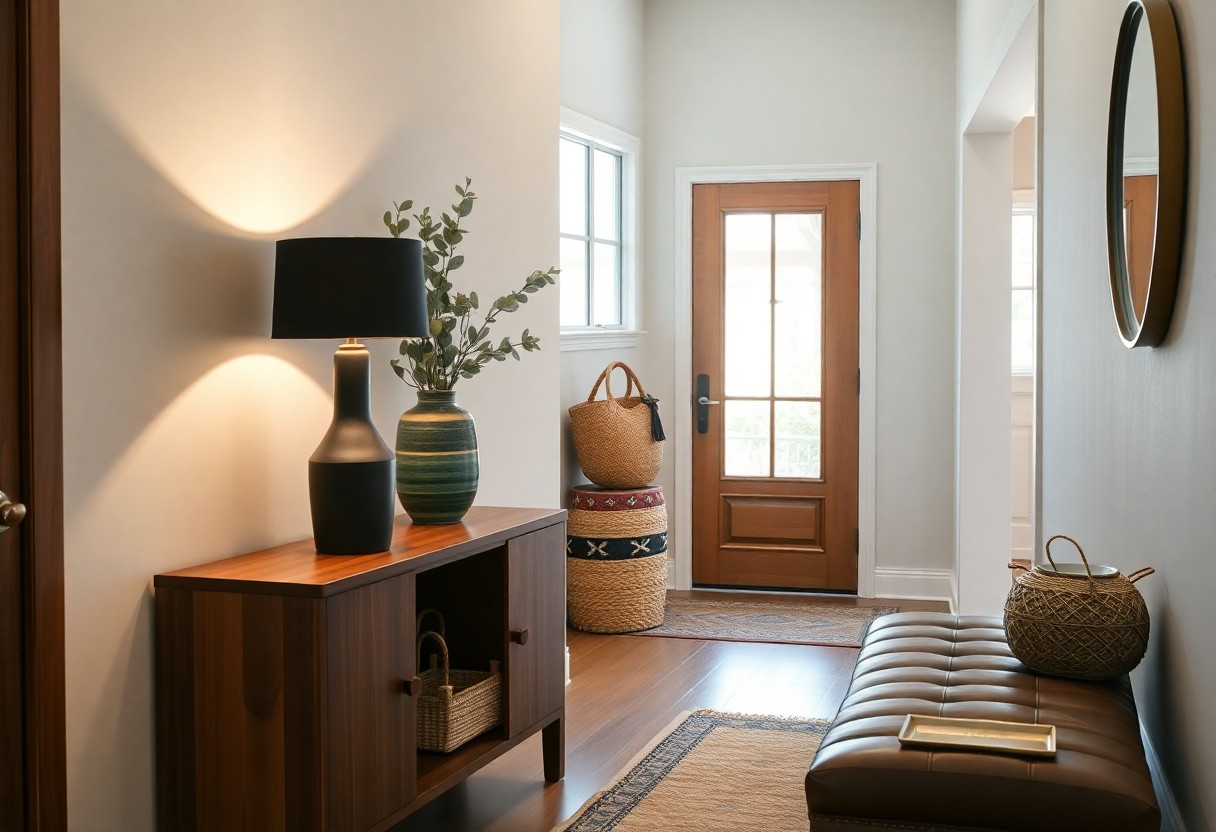
Key Takeaways: Welcoming Home
- Warm lighting, especially from lamps and candles, creates a soft glow that makes spaces feel cozy and inviting the moment someone walks in.
- A clean, clutter-free entryway with a personal touch-like a small plant or a neatly placed throw-sets a calm and welcoming tone.
- Familiar scents, such as freshly baked goods or mild imperative oils, trigger comfort and signal to guests that they’re in a cared-for space.
The Olfactory Greeting: Scent as a Prelude
Your Nose Knows Before You Do
You walk through the front door, and before your eyes adjust to the light or your coat comes off, your nose has already formed an impression. Scent reaches the brain faster than any other sense, bypassing conscious thought and landing directly in the emotional center. A home that greets you with a soft trace of vanilla, fresh linen, or lightly toasted bread doesn’t just smell pleasant-it signals safety, care, and intention. This isn’t about overpowering aromas or artificial air fresheners; it’s about subtle cues that tell your body you’re somewhere kind.
The Quiet Power of Natural Aromas
Real ingredients create the most lasting welcome. Simmering citrus peels and cinnamon sticks on low heat, a sprig of rosemary tucked into a vase, or beeswax candles burning for a few minutes before guests arrive-these choices speak of presence, not performance. Chemical-laden sprays often trigger discomfort or allergies, undermining the very comfort they aim to create. You’re better off letting the natural scent of clean cotton towels, well-oiled wood, or a recently brewed pot of coffee do the work. These are the smells that don’t announce themselves but linger in the background like a quiet hum of belonging.
Consistency Builds Emotional Memory
Over time, a consistent home scent becomes part of your identity. It’s the faint trace of sandalwood and sage that greets your child when they return from college, or the clean rain-like note that follows a weekend guest long after they’ve left. This olfactory signature can evoke comfort years later, surfacing in memory with surprising clarity. Choose a scent profile that aligns with your space-earthy for a cottage, crisp for a modern loft, warm for a family kitchen-and maintain it with restraint. Too much variation confuses the signal; too much intensity overwhelms. You want recognition, not reaction.
The Softness of Light: Beyond the Overhead Glare
Layering Light for Emotional Warmth
You already know harsh overhead lighting flattens a room, stripping it of depth and comfort. What you may not realize is how much your mood shifts when light comes from multiple levels-floor lamps casting gentle pools, table lights glowing at conversation height, sconces brushing walls with warmth. This layered approach mimics natural transitions between daylight and dusk, signaling your body to relax. The most inviting homes never rely on a single ceiling fixture; they use combinations that feel intuitive, almost subconscious, like light you didn’t plan but somehow knew was right.
The Temperature of Light Matters
Light isn’t just bright or dim-it has color, measured in kelvins, and that color shapes how safe and cozy a space feels. Cool, blue-tinged light (above 4000K) wakes the brain but can make a living room feel clinical or unwelcoming. Warm light (between 2700K and 3000K) wraps around you like a blanket, enhancing wood tones, softening edges, and making skin appear healthier. Switching to warm bulbs is one of the fastest, most affordable ways to transform a sterile space into one that feels lived-in and kind. You don’t need to renovate-just reframe how light behaves.
Shadows Are Part of the Welcome
Perfect, shadow-free illumination might work in a surgical suite, but not in a home meant to feel human. Shadows add mystery, depth, and intimacy. A reading nook with a slight dimness at the edges invites you to settle in. A hallway lit only by a single shaded lamp at the far end draws you forward, curious. Embracing shadow doesn’t mean sacrificing function-it means allowing quiet corners where the eye and mind can rest. When you stop fighting darkness and start shaping it, your home begins to breathe.
Dimmers Change Everything
A room without a dimmer is a room without mood. The ability to lower light levels transforms a space from functional to intimate in seconds. Dinner parties glow differently when the chandelier is at 60%. Morning coffee feels slower when the kitchen under-cabinet lights aren’t blinding. Installing dimmers is one of the most impactful upgrades you can make-and one of the most overlooked. They give you control not just over brightness, but over the emotional temperature of your home.
Tactile Comfort: The Language of Textures
The First Touch Matters
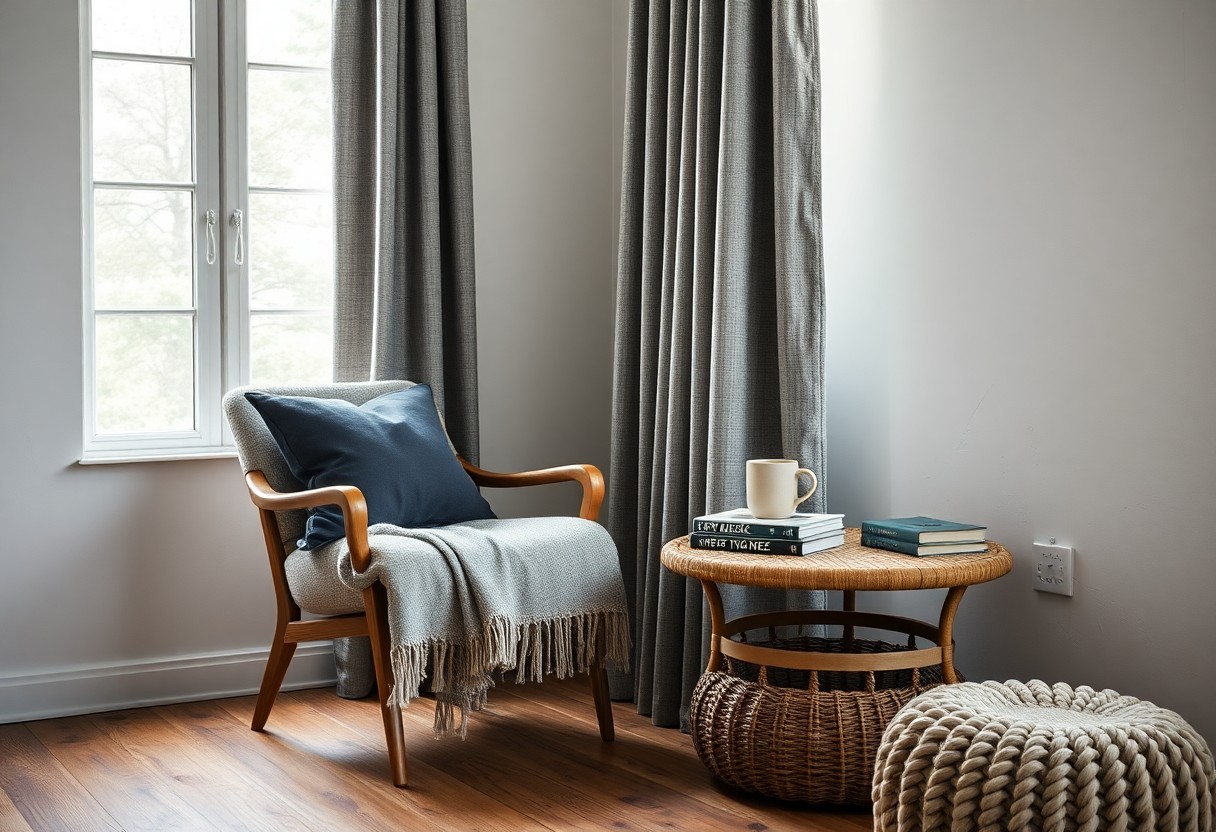
When you step into a space, your skin often speaks before your mind does. A smooth hardwood floor might feel elegant, but it can also feel distant-especially under bare feet on a cool morning. Introduce a plush rug near the bed or beside the sofa, and suddenly the room responds to you. This immediate physical warmth signals safety and comfort, making the environment feel less like a showpiece and more like a place meant for living. Texture isn’t just visual-it’s a silent handshake between you and your home.
Layering for Emotional Depth
Blankets draped casually over a couch, linen cushions with a slight wrinkle, a nubby wool throw at the foot of the bed-these aren’t just decorative choices. They invite touch, encouraging you to sink in, stay awhile, and relax. Materials with subtle irregularities feel more human, more forgiving than sleek, sterile surfaces. You don’t need luxury fabrics everywhere; even modest textiles with honest texture create a sense of belonging. Think of how a well-worn sweater feels more comforting than a stiff new one-that’s the feeling to aim for.
Balance Is Built Through Contrast
Pairing a sleek leather chair with a chunky knit pillow or placing a smooth ceramic lamp on a rough-hewn wood table creates visual and tactile interest. These contrasts keep a room from feeling flat or overly curated. Your hand notices the shift from cool metal to warm wood, from slick glass to soft cotton. This interplay keeps your senses engaged without overwhelming them, crafting an environment that feels thoughtfully composed, not staged. It’s in these small juxtapositions that a home begins to breathe.
What You Add First Sets the Tone
Many people reach for artwork or lighting as their first home touch, but often it’s the softness underfoot or within reach that makes the deepest impression. What’s the first thing you add to a home to make it feel lived-in? More often than not, the answer involves texture-something to wrap around your shoulders or cushion your seat. That initial tactile gesture tells your body you’re home, not just passing through. Choose textures that age gracefully, that gather stories in their fibers, and your space will welcome you deeper with every passing day.
Soundscapes: The Auditory Backdrop of Peace
The Quiet Power of Silence
You often overlook silence as a design element, yet it holds immense influence over how comfortable a space feels. A home that absorbs excess noise-through thick rugs, insulated walls, or soft furnishings-creates a sanctuary where thoughts can settle. When outside clamor fades, your body responds with lowered shoulders and a slower breath. This absence of sound isn’t emptiness; it’s a deliberate form of presence, offering your mind room to rest. Homes that respect quiet understand that peace isn’t always something you add-it’s something you protect.
Intentional Sounds That Invite Calm
A soft hum from a well-placed fan, the occasional tick of a vintage clock, or the gentle clink of wind chimes outside a kitchen window-these subtle cues shape your emotional response to a room. You don’t need music playing constantly to feel at ease; sometimes, a single, well-chosen sound becomes an anchor. The most effective auditory details are those you barely notice, yet they ground you. A kettle whistling in the distance signals warmth and care, while the muffled laughter from another room suggests connection without intrusion.
What to Avoid: The Hidden Stressors
Repetitive, unpredictable noises-like a flickering fluorescent light or a loose shutter tapping in the breeze-can trigger low-grade anxiety without you realizing why. These sounds wear on your nervous system over time, creating a sense of unease that’s hard to name. The most dangerous auditory elements are the ones you adapt to but never truly accept. Pay attention to what your body tenses at, even slightly. Replacing harsh tones with softer alternatives-such as switching to warm LED lighting or securing loose fixtures-can transform a space from merely functional to deeply restorative.
Curating Your Home’s Natural Rhythm
Your home already has a soundscape, whether you’ve shaped it or not. The question is whether it supports the mood you want to cultivate. Try listening to your space as if for the first time: What do you hear when you enter? Does the front door close with a reassuring thud or an unsettling rattle? Do floorboards creak with every step, or do they move quietly beneath your feet? Small, thoughtful adjustments-like oiling hinges, adding felt pads under cabinet doors, or placing a water fountain in a hallway-can introduce a rhythm that feels inherently peaceful. You don’t need silence everywhere-just harmony.
Personal Artifacts: The Soul in the Small Things
The Objects That Whisper Your Story
You don’t need a museum to tell your life’s tale-your home already does. A chipped teacup from your grandmother’s kitchen, a postcard pinned above the desk with smudged ink, a child’s crayon drawing taped to the fridge-these are not clutter. They are quiet declarations of who you are, and they signal to others that this space belongs to a real person, not a catalog spread. When guests enter, they don’t just see walls and furniture; they sense a history, a rhythm, a presence. That feeling of authenticity is one of the most powerful forms of welcome you can offer.
Why Imperfection Builds Connection
Perfection feels distant. A perfectly styled shelf with matching books and curated ceramics might impress, but it rarely invites. What draws people in is the slightly crooked frame, the well-worn novel left open on the armchair, the stack of records with a handwritten label. These details suggest a life lived, not staged. They say, “You can relax here. You don’t have to be perfect either.” That permission to be human is one of the most generous things a home can offer, and it often comes through in the smallest, most unpolished objects.
Curating Without Overthinking
You don’t need to fill every surface to make a space feel personal. In fact, too many artifacts can overwhelm instead of comfort. Choose a few meaningful items and let them breathe. A single framed photo from a long-ago trip, a handmade bowl on the coffee table, a favorite scarf draped over a chair-these are enough. The key is intention, not quantity. When you place something because it holds meaning, not because it matches the decor, people feel the difference. That authenticity is what transforms a house into a home, one honest object at a time.
To wrap up
Summing up, you create warmth the moment you notice soft lighting, familiar scents, and personal touches like a well-placed book or a cozy throw. These quiet details speak directly to comfort. You don’t need grand gestures-your space becomes inviting when it reflects quiet thoughtfulness and a sense of belonging.
FAQ
Q: What small lighting choices make a home feel more welcoming?
A: Soft, warm lighting from table lamps, floor lamps, or string lights creates a cozy atmosphere. Avoid relying only on overhead lights, which can feel harsh and impersonal. Placing lights at different levels-like a lamp on a side table or a candle on a shelf-adds depth and warmth. Dimmer switches also help adjust the mood depending on the time of day or activity.
Q: How do entryway details affect a home’s welcome factor?
A: The entryway is the first impression guests get. A clean, uncluttered space with a small rug, a place to set keys, and maybe a mirror or a piece of art sets a calm tone. Adding a bowl for imperatives or a vase with fresh flowers gives the space personality and shows care. Even a pleasant scent from a diffuser or a bar of soap in the nearby bathroom contributes to a sense of arrival.
Q: Can scent really influence how welcoming a home feels?
A: Yes. Smell is closely tied to memory and emotion. A home that smells clean and subtly pleasant-like fresh linen, baked bread, or a light citrus-feels more inviting. Avoid strong artificial fragrances. Simpler options like simmering citrus peels, a beeswax candle, or just open windows for fresh air make a noticeable difference without overwhelming the senses.
Q: What role do textiles play in creating a warm atmosphere?
A: Textiles like throw blankets, cushions, and area rugs add softness and texture. A well-placed knit throw on a sofa or a plush rug underfoot makes a space feel lived-in and comfortable. Natural materials such as cotton, wool, or linen feel more authentic and inviting than synthetic fabrics. Mixing textures-like a smooth pillow with a nubby blanket-adds visual interest and tactile warmth.
Q: How do personal touches impact the feeling of a home?
A: Photos in simple frames, a stack of favorite books on the coffee table, or a child’s drawing on the fridge make a space feel human and loved. These items don’t need to be elaborate. The key is authenticity-displaying things that reflect real life rather than perfection. A home that shows signs of use and care feels more approachable than one that looks untouched or staged.
See how warmer lighting and textures would look in your space with the free AI interior design generator.