
Smart City Infrastructure – Building The Urban Landscapes Of Tomorrow
Many urban areas are turning into smart cities, where advanced technologies and sustainable practices work together to make daily life easier for residents. The goal is better efficiency in public services and practical answers to problems like traffic congestion and high energy use. If you live in or near a growing city, it helps to understand how smart city infrastructure will shape your community’s future, from the roads you drive on to the way your home connects to the grid.
Table of Contents
Key Takeaways:
- Smart city infrastructure uses technologies like IoT, AI and big data to improve city services and daily life.
- Sustainability is a core goal, with less energy use, lower emissions and more green space.
- Real-time data helps cities manage traffic, resources and services more effectively.
- Public-private partnerships help fund and deliver smart projects.
- Digital infrastructure supports better connectivity, transportation and access to services.
Redefining Urban Mobility: The Future of Transportation
Getting around is one of the first things smart technology changes in a city. New mobility tools aim to make trips faster, safer and easier to plan, whether you drive, ride transit or cycle. The focus is on people rather than just cars: safer crossings, better access for wheelchairs and strollers, and cleaner vehicles. From self-driving cars to upgraded bus and rail networks, the goal is a transport system that fits the way residents actually live and move.
Autonomous Vehicles and Smart Traffic Management
Self-driving vehicles use sensors, software and real-time data to read the road. In a connected city, they could also talk to traffic signals and to each other, which would help smooth traffic and cut the stop-and-go driving that wastes fuel. Even before driverless cars are common, adaptive traffic signals that adjust their timing to real traffic can shorten waits at busy intersections and reduce idling, so you spend less time and fuel on your commute.
Sustainable Public Transit Solutions
Clean public transit is a core part of modern urban mobility. Electric buses, light rail and bike-sharing programs help build a low-emission network. Amsterdam and Copenhagen are well known for making cycling and transit the easy choice, with protected bike lanes and good connections between modes. Dedicated bus lanes and contactless or app-based ticketing also make public transit faster and simpler to use, so more people choose it over driving.
These transit options also ease traffic and improve air quality. Electric buses produce no tailpipe emissions, which matters most on busy streets where people walk, shop and live. When your city invests in frequent, reliable service, using it becomes a practical everyday choice rather than a sacrifice. If you are house hunting, check how far a home is from a frequent bus or rail stop. A walk of about 10 minutes, or roughly half a mile, is a common rule of thumb for transit people will actually use.
Decoding the Digital Backbone: Connectivity and Data Integration
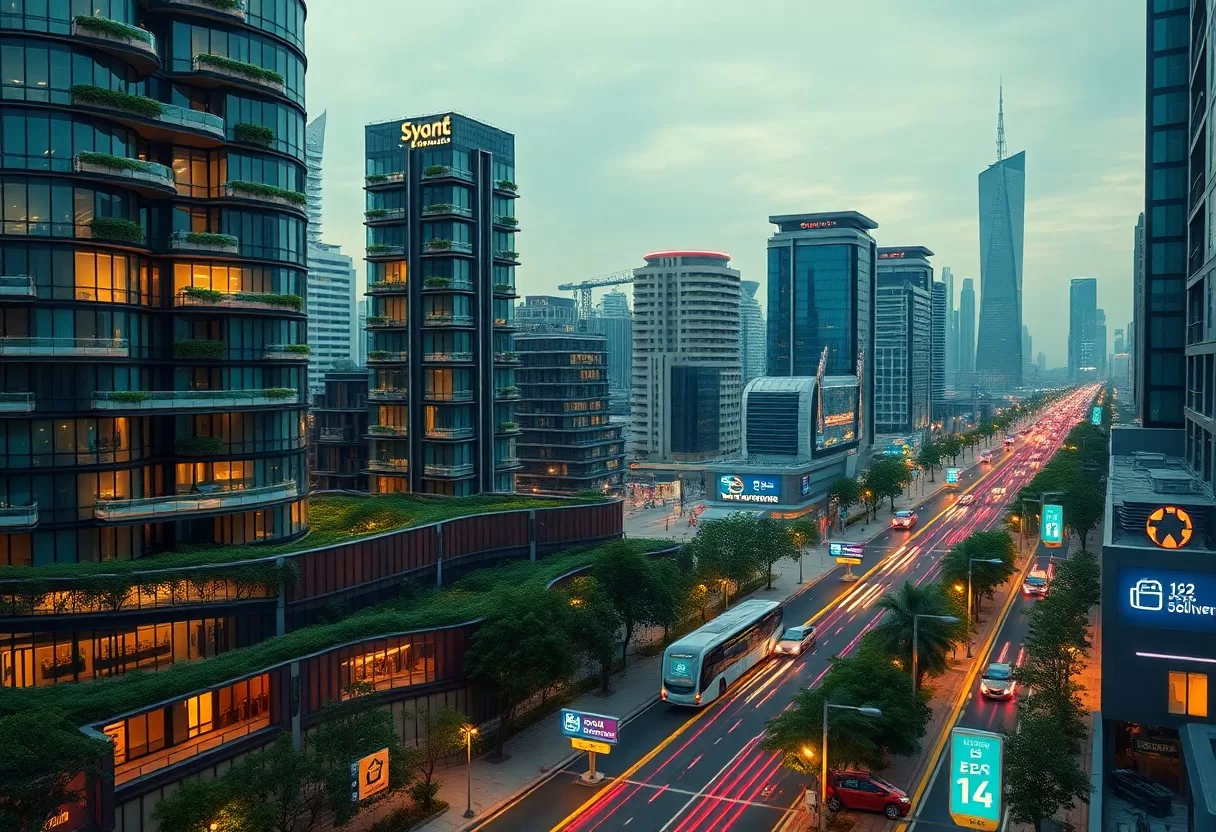
Every smart city relies on a digital backbone that links its systems together. That backbone carries huge amounts of data from sensors, devices and apps, so the city can run services more efficiently, respond faster to emergencies and spot problems early. Fiber-optic cables and 5G wireless networks carry this data with very little delay, which makes real-time monitoring and quick responses possible.
The Role of IoT in Smart City Infrastructure
The Internet of Things (IoT) connects physical parts of the city to the software that runs them. Smart city infrastructure uses large numbers of connected sensors to track traffic, energy use and even how full public trash bins are. Smart traffic lights, for example, can change their timing based on the vehicles waiting, which cuts delays and idling. With so many devices sharing data, cities can find waste, fix problems sooner and make services run more smoothly.
Your home can plug into this network too. Smart electric meters report usage to your utility automatically, and many utilities offer time-of-use rates that make power cheaper at off-peak hours. Running the dishwasher, laundry or EV charger later in the evening can lower your bill. If you are building or renovating, consider a dedicated 240-volt circuit in the garage for Level 2 EV charging and empty conduit for future network cables. Both cost much less to add during construction than later.
Cybersecurity Challenges and Solutions
As smart city systems grow more connected, the cybersecurity risks grow with them. Heavy reliance on digital systems means a cyberattack could disrupt key services such as traffic signals or water treatment, expose personal data and damage public trust. Protecting these systems has to be part of the plan from day one, not something added after launch.
To reduce these risks, cities need strong cybersecurity measures. Encryption, multi-factor authentication and constant security monitoring help protect data both in transit and in storage. Partnerships between public agencies and private companies can pool knowledge and resources to strengthen defenses. Regular training for the staff who run city technology keeps teams current on security practices and lowers the chance of a breach. Building security in from the start helps create a resilient city that residents can trust.
The same basics apply to the smart devices in your own home. Change the default password on every camera, doorbell and thermostat, turn on automatic firmware updates, and use multi-factor authentication for the apps that control them. Many routers let you set up a separate guest network. Putting smart devices on it keeps them apart from the laptops and phones that hold your personal files.
Green Spaces in a High-Tech World: Balancing Nature and Infrastructure
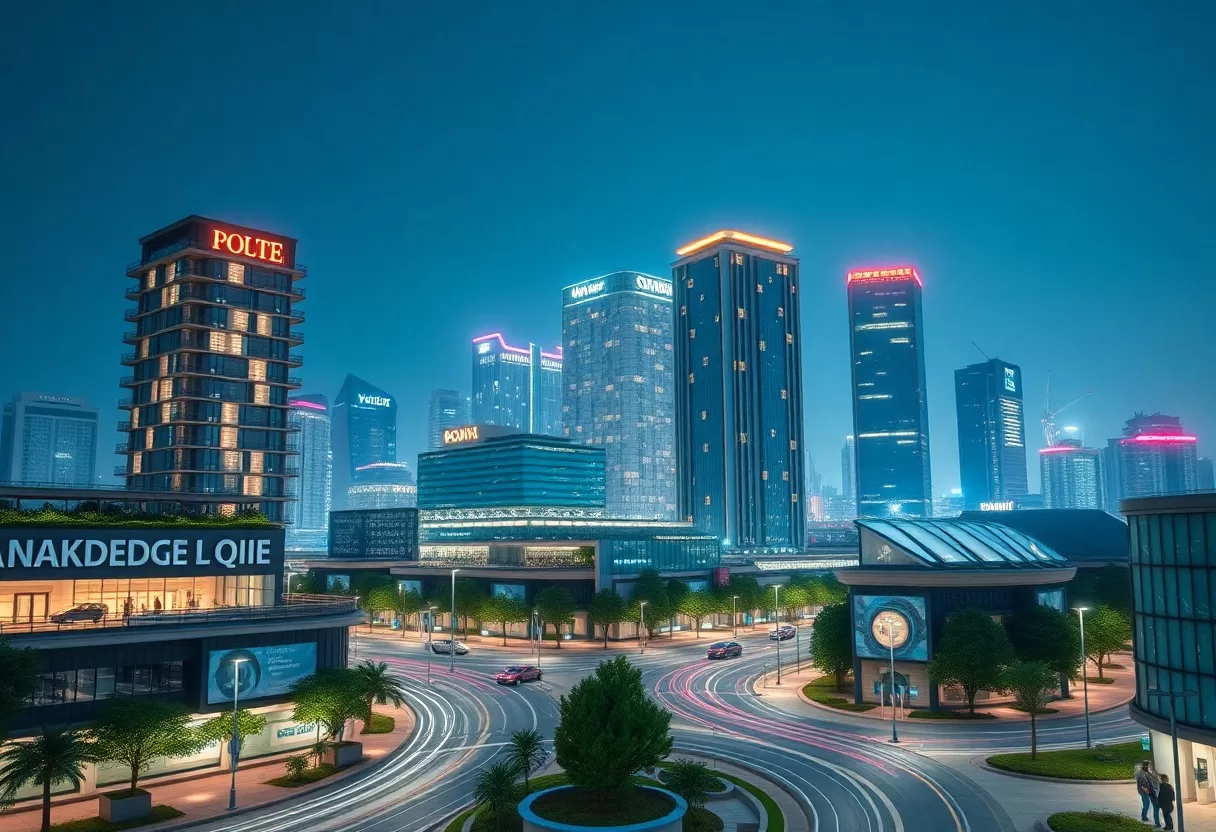
Cities increasingly see green space as part of smart infrastructure, not an extra. Parks and planted areas improve air quality, give residents places to relax and exercise, and bring neighbors together. Trees and plants also cool streets and soak up stormwater. When nature is planned alongside roads and buildings, a city becomes more pleasant to live in and better at handling heat and heavy rain.
Innovative Urban Parks and Green Roofs
Many cities are building innovative urban parks and green roofs to make better use of limited space. The High Line in New York City turned an old elevated rail line into a popular park, and Singapore is known for planted terraces and rooftop gardens on its high-rise buildings. These projects create living green spaces in areas dominated by concrete, giving both people and wildlife more room.
Creating Ecosystems for Biodiversity
Supporting biodiversity is now a priority for many city planners. You might see programs that encourage native plants, pollinator gardens and small wildlife habitats in parks and along streets. These efforts help cities cope with heat and heavy rain, support local plants and animals, and make neighborhoods healthier places to live.
You can help from your own yard. Native plants are adapted to your local climate, usually need less water once established, and feed local pollinators. Replace part of a lawn with a mixed bed of native perennials, add a small rain garden in a low spot where water collects, and leave some leaf litter in fall for overwintering insects. A shallow dish of water with a few stones gives bees and butterflies a safe place to drink.
Green roofs show how biodiversity can grow even in dense downtown areas. Some cities now require or reward green roofs and vertical gardens on new buildings. Planted roofs help reduce the urban heat island effect, slow stormwater runoff and give birds and insects places to feed and rest. On a bigger scale, linking parks, street trees and green roofs into corridors lets wildlife move through the city. The result is a healthier balance between nature and infrastructure that benefits residents too.
The Economics of Smart City Investments: Funding and Viability
Investing in smart city infrastructure brings both challenges and opportunities for planners and local governments. They have to balance tight budgets today with long-term value. Many cities combine public funds, private investment and grants to pay for these projects. The case for spending usually rests on lower operating costs, better services and a more attractive place to live and work.
Private-Public Partnerships in Urban Development
Public-private partnerships (PPPs) are a common way to fund smart city projects. By working with private companies, cities gain both capital and technical know-how. These partnerships share risk and can speed up delivery, because private partners often build and operate the systems. Transportation projects and citywide sensor networks are typical examples. The key for residents is clear contracts that protect public interests, data privacy and long-term maintenance.
Cost-Benefit Analysis of Smart Technologies
Before a city adopts new technology, it needs a careful cost-benefit analysis (CBA). A good CBA compares upfront and ongoing costs with both measurable and harder-to-measure benefits. Energy savings, lower maintenance costs and smoother traffic can be put into numbers, while benefits like safer streets or cleaner air are harder to price but still count.
A detailed analysis usually looks at return on investment (ROI), payback period and expected gains in efficiency. Street lighting is a common starting point. LED streetlights use much less electricity and last far longer than the older sodium lamps they replace, and smart controls can dim them on quiet streets and report outages automatically. The data collected by smart systems also helps cities plan repairs and budgets. Many cities treat lighting upgrades as an early, low-risk test before larger projects.
Engaging Communities: The Human Element in Smart Cities
Smart cities work best when residents take an active part. When planners use feedback and ideas from the people who live there, they can build solutions that fit local needs. Digital tools and online platforms make that collaboration easier, as described in 3 Infrastructure Players Powering Tomorrow’s Smart Cities. When people feel a sense of ownership, they are more likely to use and support new projects.
Citizen Participation in Urban Planning
Citizen participation helps make sure new developments reflect what a community wants. Town hall meetings, online forums and interactive mapping apps let residents share their ideas and concerns. Barcelona, for example, runs an open online platform called Decidim where residents can propose and discuss city projects. Getting involved early, while plans are still flexible, gives you the most influence over what gets built near your home, from bike lanes to new parks.
Addressing Equity and Inclusivity in Smart Initiatives
Smart city projects need to put equity and inclusion first, or they risk widening existing gaps. Accessible technology and public services help make sure every resident benefits, whatever their income. Affordable transit, free public Wi-Fi in underserved neighborhoods and services that still work offline or by phone all help close the digital and physical divides between communities.
Inclusion is also a test of whether a smart city project succeeds. Lower-income communities often face more barriers to new infrastructure and technology. Targeted outreach, materials in several languages and partnerships with local groups help reach everyone. The best projects work with community leaders from the start, so the results meet the real needs of the people who have the most to gain.
Final Words
As you can see, smart city infrastructure is more than a trend. It is a practical roadmap for how cities will grow and run in the years ahead. By combining technology with sustainable practices, cities can improve daily life and become more resilient. Stay informed about the plans in your area, attend a public meeting or two, and think about how your own home fits in, from energy use to the plants in your yard.
Design homes for tomorrow cities with the free architectural house design software.
Frequently Asked Questions
What is smart city infrastructure?
Connected systems for transport, energy, water, waste and public services that use sensors and data to run more efficiently and improve quality of life.
How do smart cities affect homeowners?
Better transit, lower energy costs, faster services and smarter grids can raise neighborhood appeal, while data privacy remains an important consideration.
Related Guides
