
How to Plan Room Adjacencies for Better Daily Living
Room adjacencies decide how easily you move through your home every day. Kitchen next to dining, bedrooms away from noise, a home office with privacy and clear exit routes all come from planning which rooms sit next to each other. This guide explains how to group spaces into zones and audit your layout for smoother daily living.
Table of Contents
Key Takeaways:
- Group related activities together by placing the kitchen near the dining area and pantry, and situating laundry close to bedrooms or the mudroom for easier transfers.
- Place entry, mudroom, and a guest powder room adjacent to the main entrance to contain clutter and simplify arrivals and departures.
- Create direct circulation paths between high-use spaces like the kitchen, living room, and outdoor areas to reduce travel time and daily friction.
- Prioritize privacy by separating bedrooms from noisy living and service zones and by placing bathrooms adjacent to sleeping areas.
- Use buffer spaces such as hallways, closets, and transitional zones to control sound, provide storage, and allow future reconfiguration.
Essential Factors Influencing Room Adjacency
Consider how room adjacency shapes routines; prioritize traffic flow, privacy, daylight, and ventilation. Perceiving how proximity, function, and comfort interact helps you assign spaces for efficiency and wellbeing.
- Check traffic flow
- Assess privacy levels
- Maximize daylight access
- Ensure ventilation paths
Assessing Acoustic and Visual Privacy Needs
Balance noisy and quiet functions by placing bedrooms away from living zones, adding buffers like closets or halls, and using treated surfaces so you preserve acoustic and visual privacy without sacrificing adjacency.
Evaluating Natural Light and Ventilation Access
Maximize window exposure for living spaces and group service rooms to avoid blocking daylight; you should orient layouts to enable cross-ventilation and reduce reliance on mechanical systems.
Assess window orientation, shading, and external obstructions to chart when and where daylight reaches each room; place commonly used spaces where you gain beneficial sun, and mitigate west glazing to prevent overheating. Maintain cross-ventilation routes, site kitchens and baths near exterior walls or ducts, and add mechanical ventilation if natural flow is insufficient to avoid mold, stale air, and to secure long-term energy savings.
How to Categorize Your Home into Functional Zones
Map your home into clear zones: social, private, and service so you assign activities logically, keep noise-sensitive spaces apart, and group related tasks to improve daily flow.
Distinguishing Between Social and Private Areas
Place living and dining near entries for easy hosting, while you position bedrooms and studies in quieter wings; privacy should guide bedroom placement and circulation.
Identifying High-Traffic Utility and Service Hubs
Cluster kitchens, mudrooms, laundry, and garages so you create service hubs that reduce cross-house movement and keep chores efficient.
Design service hubs near primary entries so you shorten carrying distances and reduce spills. Group appliances, include adequate storage, and choose durable, slip-resistant flooring to limit accidents. Separate hot appliances and household chemicals from play and sleep areas to avoid fire or poisoning risks.
Tips for Optimizing Kitchen and Dining Flow
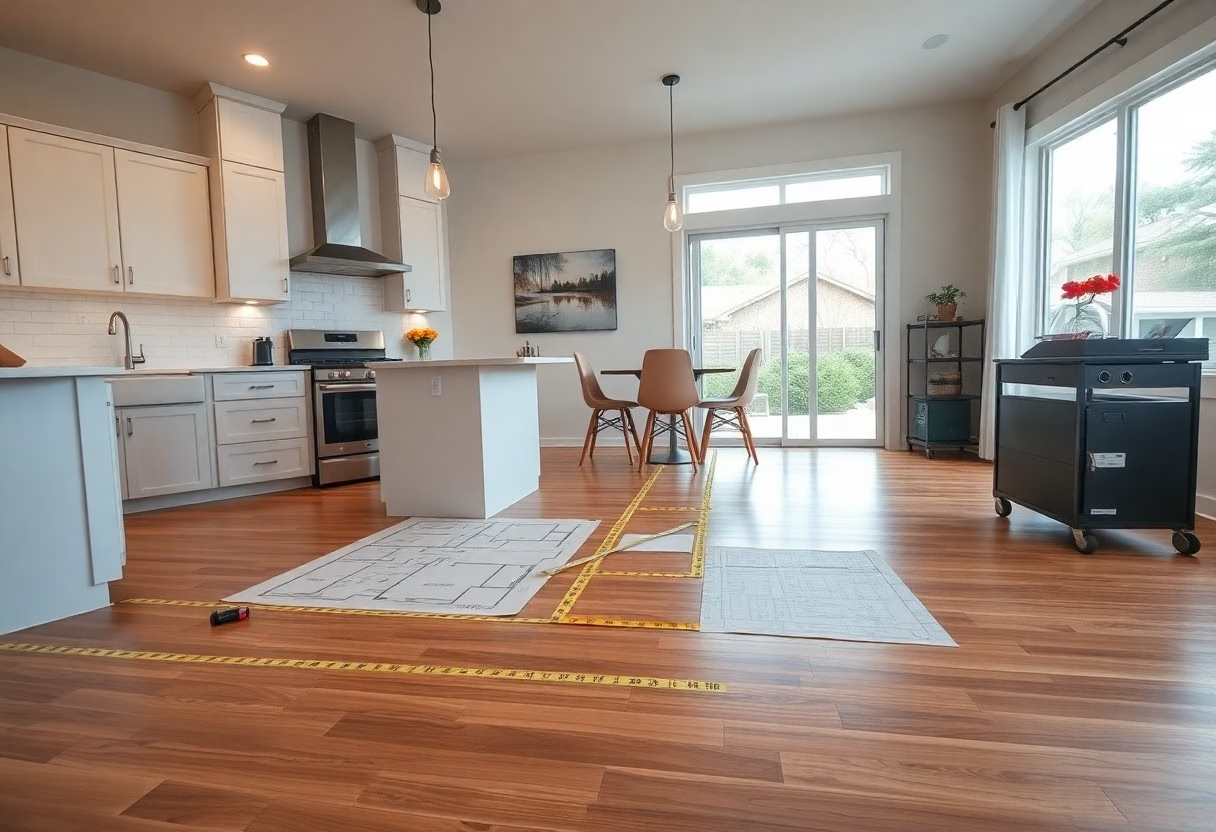
Optimize kitchen-dining adjacency to reduce steps and improve meal rhythm; position prep near service and storage for kitchen flow and work triangle. Assume that you prioritize clear traffic and ventilation to prevent bottlenecks.
- kitchen flow
- work triangle
- clear traffic
- ventilation
- dining adjacency
Streamlining the Path from Preparation to Service
Streamline the route from prep to table so you cut transfer time by aligning stove, sink, and plating area and leaving clear sightlines and unobstructed paths for service.
Managing Noise and Odor Migration Between Spaces
Control noise and odors by zoning with doors or buffers, installing range hoods and dedicated exhaust, and adding soft finishes to absorb sound so you protect dining comfort.
Address sound and scent transfer by combining mechanical and passive strategies: you can position the kitchen with knockout walls or a vestibule, fit a high-capacity range hood vented outdoors, and design separate HVAC zones with transfer grills or dampers. Use absorptive materials-ceiling baffles, upholstered seating-to lower reverberation. Be mindful that poor exhaust leads to grease buildup and odour retention; schedule easy-clean finishes and regular maintenance.
How to Plan Private Suite and Bedroom Placements
Place private suites so you enjoy privacy without isolation; locate bedrooms away from living-room noise, cluster them near bathrooms, and align sightlines for comfort. See principles in Designing for the Way You Live: How Floor Plan Flow …
Creating Buffer Zones for Noise Reduction
Buffer bedrooms with hallways, closets, or laundry rooms so you reduce sound transfer; place mechanicals and stairs away from sleeping areas and add acoustic insulation to protect sleep quality.
Ensuring Strategic Proximity to Bathrooms
Position bedrooms within easy reach of bathrooms so you shorten night-time trips; favor ensuites for masters and shared baths between secondary rooms to balance privacy and convenience with accessibility.
Consider aligning bathroom plumbing stacks to cut construction costs and simplify maintenance while you keep toilets and showers set away from primary living views to avoid odors and noise; provide good ventilation and sound-rated walls so you protect sleep and comfort, and plan clear circulation so guests and family can access facilities without passing through private suites.
Strategic Placement of Work-from-Home and Creative Spaces
Place work areas near natural light and away from high-traffic zones; position creative zones where you can spread materials. Use storage to contain clutter and add sound barriers to reduce noise. See How You Use Your Space Matters More Than Square ….
Isolating Focus Areas from Household Distractions
Locate focus areas where you can close doors or use screens; position them away from family routes and noisy appliances. Add rugs and soft finishes to cut echoes and protect deep focus.
Integrating Technology and Storage Requirements
Plan cabling, outlets, and lighting close to your desk; cluster storage for supplies and equipment so you can access tools quickly. Prioritize backup power and secure networks.
Ensure cables run through channels or raceways, label power and data lines, and reserve dedicated circuits so you avoid overloaded circuits; provide ventilation to prevent heat buildup. Use modular shelving and lockable cabinets for fragile items so you keep surfaces clear and maintain easy access while protecting secure networks.
How to Audit Your Layout for Improved Daily Circulation
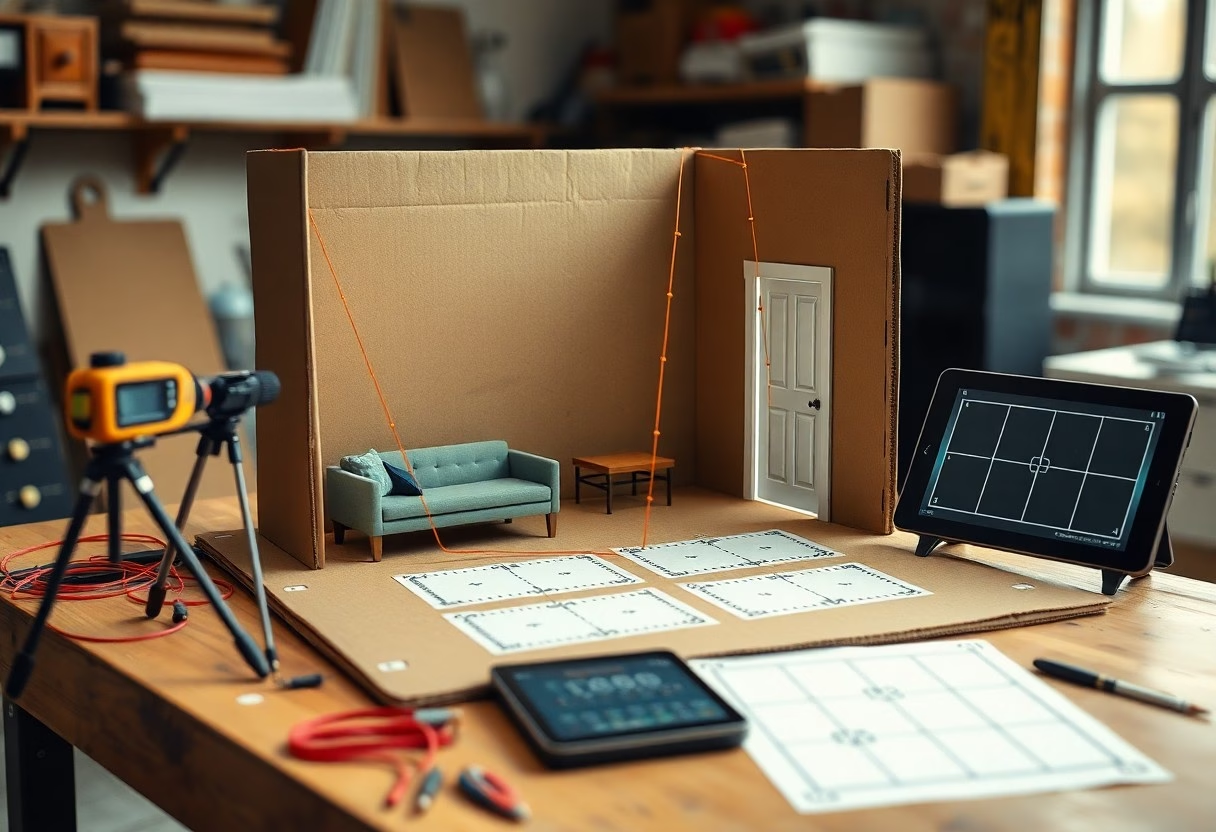
Begin by tracing daily routes and noting where movement slows or crosses. You can take quick observations and photos, then mark bottlenecks, traffic conflicts, and blocked exits. This evidence guides small shifts to open main lines and improve flow.
Mapping Common Pathways to Eliminate Bottlenecks
Map frequent routes between key rooms, timing them and noting overlap points. You should prioritize clear 36-inch routes through kitchens and entries, and reroute furniture that creates pinch points.
Adjusting Adjacencies for Future Accessibility Needs
Plan adjacencies so bedrooms, bathrooms, and kitchens have short, step-free connections. You can consider consolidating vitals near entrances and adding widened doors and turning spaces to accommodate future mobility aids.
Evaluate room adjacencies against measurable targets: you should aim for at least 36-inch continuous corridors, 32-inch clear doorways, and 60-inch turning circles in key rooms. Flag locations where plumbing or load-bearing walls constrain moves, since moving load-bearing walls is expensive; you should prioritize reassigning nearby non-structural spaces to create single-level living paths.
Summing up
You can plan room adjacencies by grouping daily-use spaces, separating noisy and private areas, aligning layouts with routines, optimizing circulation paths, and providing flexible buffer zones for storage and transition to enhance comfort and efficiency.
FAQ
Q: What are room adjacencies and why do they matter?
A: Room adjacencies are the planned spatial relationships between rooms in a home that determine how people move, interact, and use spaces daily. Good adjacencies reduce walking distances, save time on routine tasks, and improve comfort by placing related functions near each other, such as kitchens next to dining areas and laundry near bedrooms. Poor adjacencies create awkward circulation, wasted space, and privacy or noise conflicts that reduce the usability of a home.
Q: How should I plan adjacencies for the kitchen, dining, and living areas?
A: Place the kitchen close to the dining area to shorten serving and clearing routes; align the kitchen work zones (cooking, prep, cleaning) to support an efficient workflow and sightlines toward main living spaces when social cooking is important. Design a clear circulation path between entry, kitchen, and living room to avoid cutting through activity zones, and locate pantry and storage near food prep to limit repeated trips. If outdoor dining is used often, provide a direct route or door from the kitchen to the terrace or patio.
Q: How should bedrooms and bathrooms be arranged to improve daily living?
A: Group private bedrooms away from noisy public spaces, with at least one buffer such as a hallway, closet, or bathroom between sleeping areas and living zones. Place bathrooms so they serve both the nearby bedrooms and guests without forcing occupants to cross primary living spaces; consider an en-suite for the primary bedroom and a shared bath or powder room for other bedrooms. Locate laundry near bedrooms when possible to reduce carrying loads and plan closets and storage to support morning routines with minimal cross-traffic.
Q: What strategies reduce noise and protect privacy through adjacency planning?
A: Use transitional spaces like entry halls, closets, or bathrooms to separate noisy and quiet rooms and avoid putting a bedroom directly adjacent to a TV room, kitchen, or mechanical closet. Orient bedrooms toward quieter sides of the property and place playrooms or workshops near utility areas rather than bedrooms. Specify wall and floor assemblies with higher sound ratings where separation is required, and arrange windows and doors so sightlines into private areas are limited from common spaces.
Q: How can I plan adjacencies for accessibility and future flexibility?
A: Design main-floor living areas with level access and wide corridors and doorways to accommodate aging in place and varied mobility needs, and cluster plumbing runs for kitchens, bathrooms, and laundry to simplify later conversions or additions. Create flexible rooms that can change function over time by providing generous daylight, clear access, and adaptable storage so a study can become a bedroom or a nursery can become an office. Consider service zones and mechanical access that allow minor remodels without major disruption to the rest of the home.
Drag rooms around and test different adjacencies with the drag-and-drop floor plan creator.