
Arbor Revival – How Garden Arbors Transform Outdoor Living
A garden arbor creates an inviting entrance, frames views and supports climbing roses, clematis or grapes. It adds height and structure to even a small yard. Here is how to choose, design and place an arbor so it becomes a lasting feature of your outdoor space.
Key takeaways
- A garden arbor frames entrances and supports climbing plants.
- It adds height and structure to small yards.
- Choose materials and placement for long life.
Table of Contents
The Aesthetic Appeal of Garden Arbors
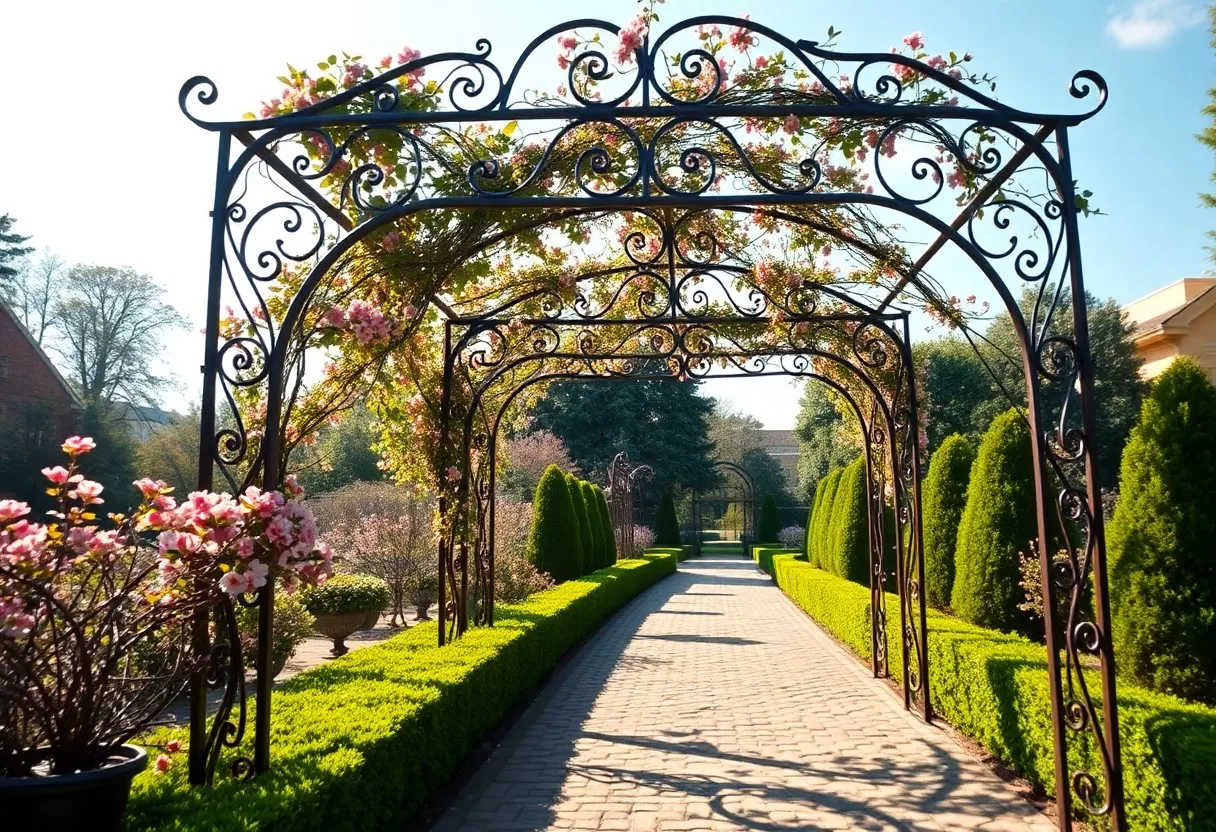
Garden arbors add charm and structure to a yard, and they’re useful too. Styles range from rustic cedar frames to slim modern steel arches, so you can find one that suits your garden and your house. An arbor gives climbing plants something to grow on, and once the vines fill in, it becomes a green, shaded frame for a path, gate or bench. Even before plants cover it, a well-made arbor gives a flat yard some height.
Creating Stunning Focal Points
A garden arbor makes a natural focal point. Place it where the eye already goes: at the end of a straight path, at the entrance to the backyard, or framing a view of a tree or bench. Line it up with a door or window of the house so you see it from inside too. Once it’s covered in flowering vines or paired with a bench, it becomes the spot people walk toward first.
Enhancing Landscaping with Vertical Elements
Vertical elements like arbors make a garden feel bigger by drawing the eye upward. In a small yard where ground space is limited, growing up instead of out lets you add more plants without crowding the beds. Climbing plants bring color and texture at eye level and above, and a planted arbor also adds a sense of enclosure and some privacy from neighbors.
Arbors also solve practical landscaping problems. Fragrant climbing roses or clematis bring color and scent right where you walk. An arbor with a lattice side panel can screen trash bins, an air conditioner or a neighbor’s shed. In a tiny courtyard, one arbor with a pair of climbers can do the work of a whole border. Choose plants that suit your sun and climate, and the arbor will look better every year.
Functional Benefits of Arbors in Outdoor Spaces
Garden arbors are about more than looks. They mark where one part of the garden ends and the next begins, which makes the yard easier to use and more inviting. An arbor over a path pulls you forward, while one over a bench creates a small outdoor room for quiet time or a chat with a friend. Add a leafy climber and you get shade and greenery as well.
Defining Outdoor Rooms and Pathways
Arbors act as natural dividers, splitting a yard into areas with different jobs, such as a vegetable patch, a lawn for play and a seating area. Set an arbor where a path enters a new zone and it works like a doorway. For comfortable walking, aim for an opening at least 4 feet wide and about 7 feet tall inside, so taller people and wheelbarrows pass through easily.
Providing Shade and Shelter
Garden arbors can make sunny yards much more comfortable in summer. On its own, the open frame gives only light shade, but once vines such as grapes or wisteria fill in, you get a cool, leafy canopy. That makes a great spot for reading, a small table or a hammock. Keep in mind that wisteria grows very heavy with age, so it needs a sturdy timber or steel structure, not a light kit.
Think about placement and plants together to get the most shade. Vines with dense leaves give the best cover, and deciduous ones let winter sun through when you want it. An arbor on the west side of a patio blocks harsh afternoon sun. Put seating or a small dining set underneath and the arbor becomes a space you’ll actually use, not just something to look at.
The Role of Arbors in Plant Health and Growth
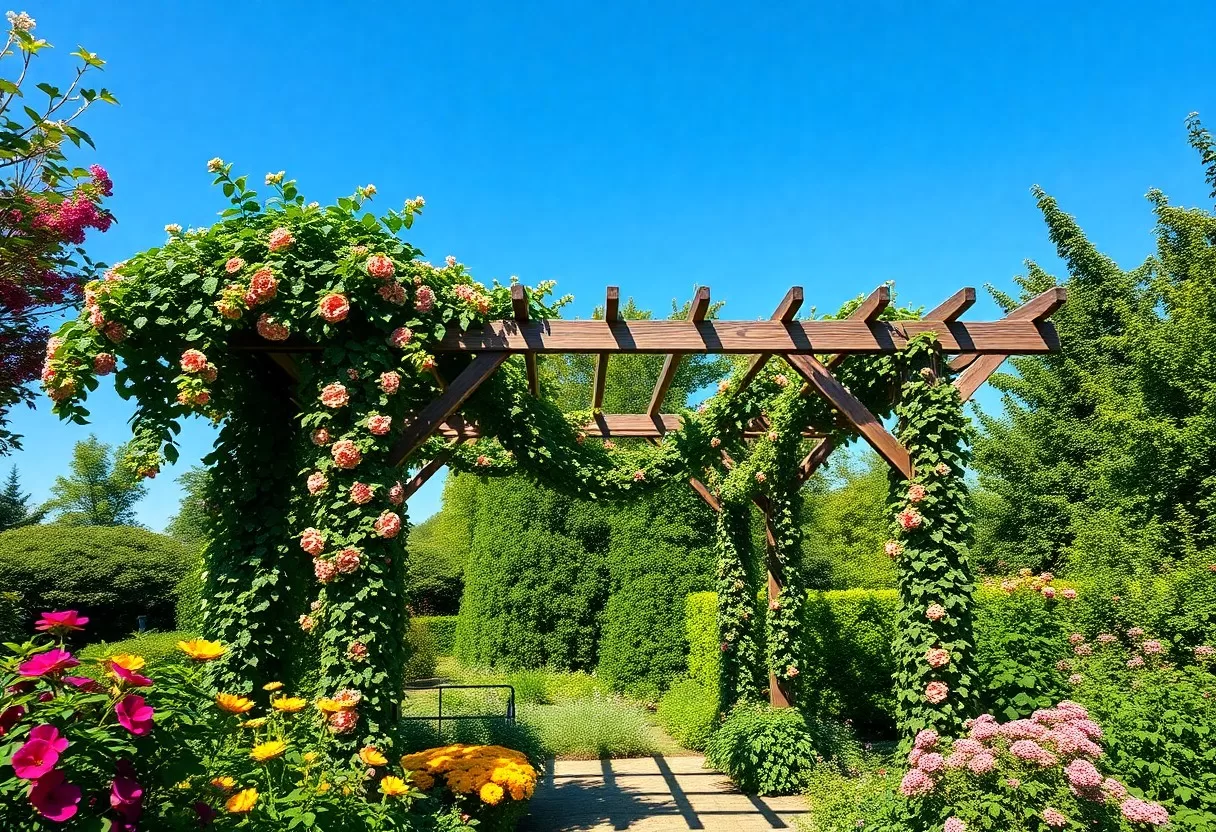
Arbors also help plants grow well. Climbers can reach up toward the light instead of sprawling on the ground, and the open frame lets air move through the leaves. Better airflow helps reduce fungal problems like powdery mildew. Leafy cover also shades the ground underneath, which keeps the soil a little cooler and suits shade-loving plants at the base.
Supporting Climbing Plants and Vines
An arbor gives climbers such as clematis, jasmine and grapes the support they need. Tie new stems loosely to the frame as they grow, and spread them out rather than letting them bunch up on one side. Most flowering climbers bloom best with at least 6 hours of sun, and grapes need full sun to ripen fruit. Clematis likes its roots shaded, so plant something low at its base.
Plan a little maintenance each year. Prune climbers after they flower or in late winter, depending on the plant, and remove dead or crossing stems so air can move through. Check the ties and loosen any that are cutting into stems. Once a year, look over the arbor itself for loose screws, rot at the base of wooden posts or rust on metal, and fix small problems before they spread.
Encouraging Biodiversity in Gardens
A planted arbor can bring more wildlife into your garden. Flowering vines attract bees, butterflies and other pollinators, and the dense growth gives small birds a place to shelter and sometimes nest. Choose plants that flower at different times, such as an early clematis and a late-blooming honeysuckle, so there’s something in bloom for most of the season.
Planting a mix of species on and around your arbor supports more kinds of wildlife. Nectar-rich flowers feed pollinators, while beneficial insects like ladybugs and lacewings eat aphids and other pests. A varied garden is usually more resilient and needs fewer chemical sprays. If you can, use native vines, which local insects and birds already know how to use.
Design Considerations for Building the Perfect Arbor
Good garden arbor design balances looks, function and site conditions. Match the size to the garden: a small, delicate arch can look lost in a big yard, while a heavy pergola-style arbor can overwhelm a tiny one. Check how much sun the spot gets, and line the arbor up with paths and seating. Your plant choice matters too, since heavy vines need a stronger frame and more frequent pruning.
Material Choices: Wood, Metal, and More
The material you choose affects both the look and the lifespan of the arbor. Wood looks natural and warm; cedar, redwood and pressure-treated pine resist rot best, but plan to re-stain or seal every few years. Metal, such as powder-coated steel, aluminum or wrought iron, is slim and strong with little upkeep. Vinyl resists weather and never needs paint, and composite materials offer a wood look with low maintenance. Whatever you pick, anchor the posts firmly, often in concrete, so wind and heavy vines can’t tip it.
Architectural Styles: Matching with Home Aesthetics
Your arbor should suit your home’s architecture. A colonial-style arbor with symmetrical lines, square columns and white paint fits a traditional house, while a modern arbor in dark metal with simple geometric lines suits contemporary homes. Rustic homes look best with natural, rough-sawn wood. Borrow details from the house, such as trim color, roof pitch or post style, so the arbor looks like it belongs.
For example, a Victorian home pairs well with an arbor that has decorative scrollwork or a curved top. A Craftsman-style house suits a sturdy timber arbor with tapered posts and exposed beams that echo its porch. When the arbor reflects your home’s character, the garden feels like a natural extension of the house rather than a separate project.
Transforming Outdoor Experiences Through Arbors
Arbors make your outdoor space more enjoyable by creating clear transitions from one part of the garden to the next. Use one to frame a view, mark a path or add structure to a flat lawn. Grow climbing vines on it, or hang a lantern or wind chime for interest. Either way, an arbor invites people to wander and linger.
Creating Intimate Gathering Spaces
An arbor is also a great base for a small gathering space. Place a bench, a pair of chairs or a bistro table under it, and the vines overhead create a cozy, sheltered feel. Add string lights or a lantern for evenings. Leave enough room around the furniture, about 3 feet on the sides you’ll walk through, so the space feels comfortable rather than cramped.
Boosting Property Value and Curb Appeal
A well-built arbor can also improve your home’s curb appeal. Buyers notice attractive, well-kept landscaping, and an arbor at the front gate or entry path makes a strong first impression. It works best as part of a tidy, cared-for garden. A rotting or wobbly arbor has the opposite effect, so keep it in good repair.
Arbors act as visual anchors that pull a landscape together. A well-placed arbor can make a garden look more finished and even larger, since it frames what lies beyond. Pair it with other improvements, such as a clear path, low-voltage lighting and neat planting beds, to make the most of it. Keep vines pruned so the structure stays visible and the opening stays clear.
To wrap up
Garden arbors add beauty and function to any outdoor space. They create inviting paths, give shade, support climbing plants and make natural focal points. Choose a size, material and style that suit your yard and your home, set it firmly in the ground, and pick plants that match your sun and climate. With a little care, your arbor will look better each year as the plants grow in.
FAQ
Q: What is an arbor and how does it enhance outdoor spaces?
A: An arbor is a garden structure often used as a focal point or entrance to a garden or pathway. It enhances outdoor spaces by providing vertical interest, creating shaded areas, and supporting climbing plants, which adds beauty and structure to the landscape.
Q: How can I incorporate an arbor into my existing garden design?
A: Incorporating an arbor can be achieved by placing it strategically at garden entrances, over paths, or near seating areas. It can be adorned with flowering vines or hanging decor to harmonize with existing plants, resulting in a more inviting and cohesive garden design.
Q: What materials are ideal for building or purchasing a garden arbor?
A: Popular materials for garden arbors include wood, metal, and vinyl. Wood offers a natural look and can be painted or stained, while metal provides durability and a contemporary feel. Vinyl is low-maintenance and resistant to weathering, making it a practical choice for long-term use.
Find the best spot for an arbor with the free AI garden and landscape designer.
Related Guides
