
How to Choose Lighting That Instantly Transforms Any Room
Lighting changes how a room looks and feels more than almost any other choice. Knowing how to choose lighting, layering ambient, task and accent light with the right fixtures and color temperature, makes spaces more comfortable and more beautiful. Here is a practical, room-by-room approach.
Table of Contents
Key Takeaways: How to Choose Lighting
- Start with the room’s function and pick lighting that supports it.
- Layer ambient, task and accent light instead of relying on one ceiling fixture.
- Choose fixtures that suit the room’s decor and add a little visual interest.
Understanding the Importance of Lighting
Lighting does more than help you see. It shapes how a room feels, how colors read and whether you notice a nice ceiling or a brick wall at all. Used with intention, light can make a small room feel bigger, pull the eye to a focal point and make it easier to work or read for long stretches. That is why it deserves a place in your plan from the start, not as an afterthought once the furniture arrives.
How Lighting Affects Mood and Space
Light sets the tone of a room fast. Warm light (around 2700 K) feels relaxed and suits living rooms and bedrooms, while cooler, brighter light keeps you alert in a home office or kitchen. Once you know this, you can pick bulbs and fixtures that support both the mood and the functionality you want, so the room feels right for the way you actually use it.
Factors to Consider When Choosing Lighting
Before you shop, look at a few basics. The size of the room, the ceiling height and the color scheme all affect which fixtures will work. Dark walls and floors absorb light, so they need more of it, and a low ceiling rules out a long-drop pendant. Run through this short list first and you will avoid most buying mistakes:
- Size of the room
- Ceiling height, which decides how far a fixture can hang
- Color scheme, since dark finishes need more light
- Functionality of each zone in the room
- Style that fits your existing decor
Next, think about what each type of light does. Ambient lighting gives the room its overall brightness, while accent lighting picks out art, shelves or texture. Check the energy efficiency of every fixture and the color temperature of the bulbs it takes, because those two details decide your running costs and the feel of the room. Keep these points in mind as you compare options:
- Ambient lighting for overall brightness
- Accent lighting to highlight features
- Energy efficiency to keep running costs down
- Color temperature to set the room’s mood
- Fixture style for personal taste
Types of Lighting Options
Choosing the right lighting starts with knowing the main lighting options. Each one has its own job and affects both the mood and the usefulness of the space. Here is a quick breakdown of the key categories:
| Ambient Lighting | Provides overall illumination, creating a welcoming atmosphere. |
| Task Lighting | Focused light for specific activities such as reading or cooking. |
| Accent Lighting | Highlights architectural features or artwork. |
| Natural Lighting | Uses sunlight to enhance a room’s brightness. |
| Smart Lighting | Controlled via apps for personalized ambiance. |
Once you understand what each type does, it gets much easier to plan a room that works well both day and night.
Ambient Lighting
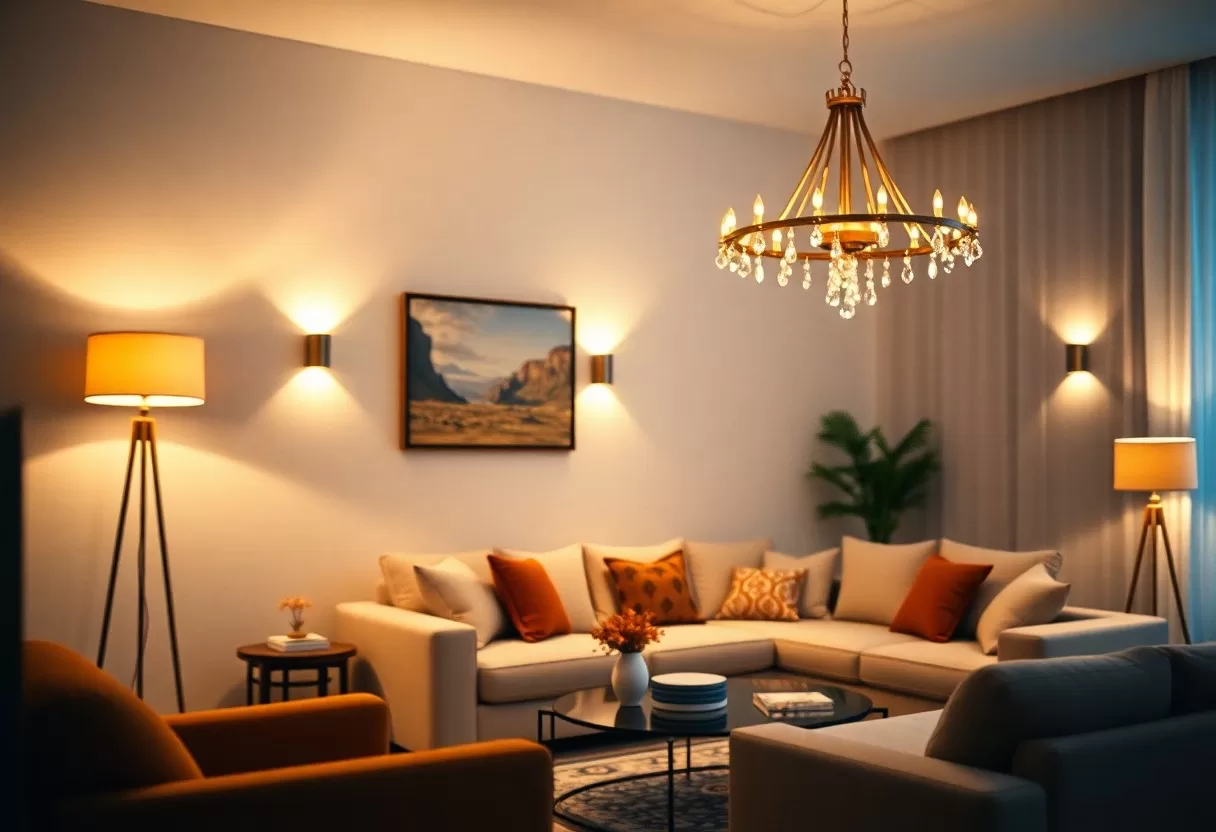
Ambient lighting is the base layer. It gives a soft, even glow so you can move around the room comfortably without harsh brightness. Ceiling fixtures, chandeliers, flush mounts, recessed lights, wall sconces and some floor lamps all do this job. In most living spaces, aim for ambient light that fills the room without making it feel like an office, and put it on a dimmer so you can lower it in the evening.
Task Lighting
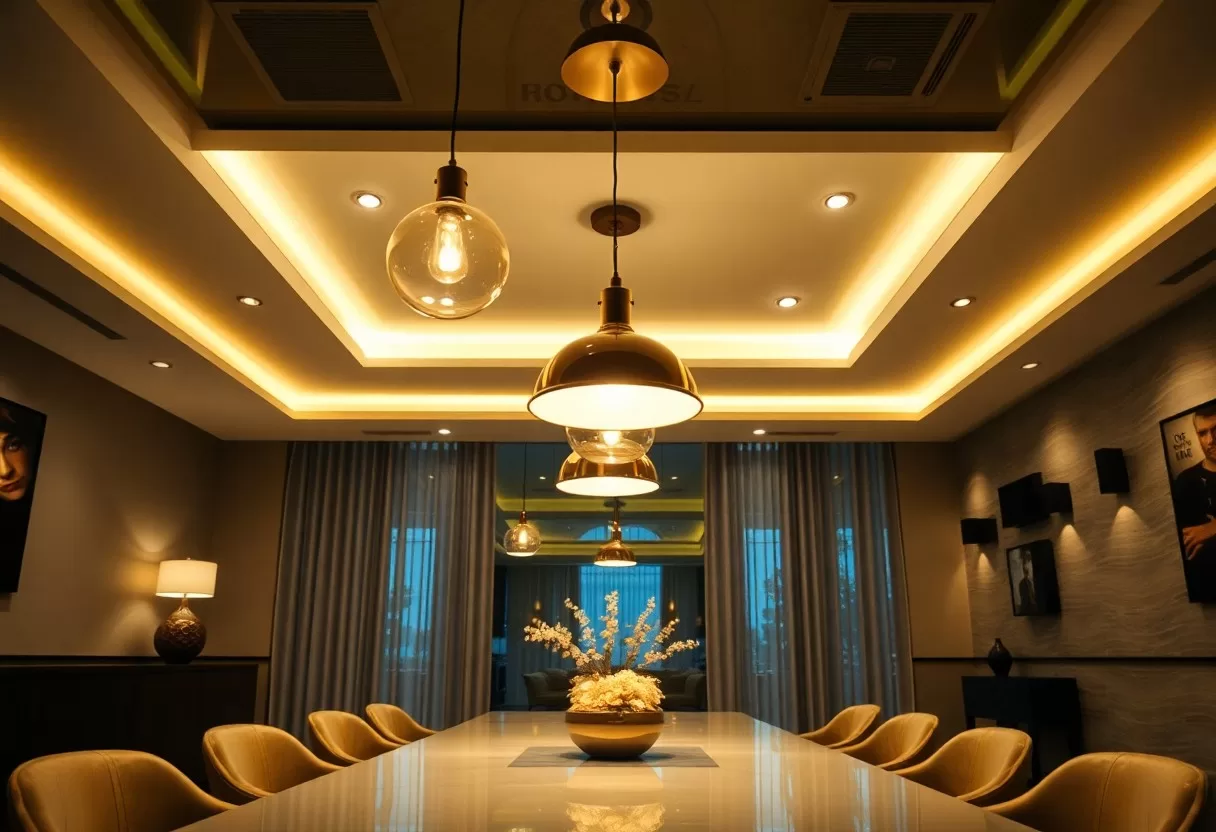
Task lighting puts focused light exactly where you need it. Think of a table lamp beside a reading chair, pendants over a kitchen island or under-cabinet strips that light the countertop while you chop. This kind of light makes detailed work easier and reduces eye strain. As a rule of thumb, place it so it falls on the work surface from the side or front, not from behind you, where your own shadow gets in the way.
Good task lighting makes everyday jobs easier. Adjustable lamps let you aim light right at the page or the cutting board, and brighter LED fixtures help with close work such as sewing or crafting. Hang kitchen island pendants roughly 30 to 36 inches above the counter so they light the surface without blocking your view across the room. Choose task lighting for the activities you actually do in each room, and you will notice the difference right away.
How to Evaluate Your Space
Before you buy anything, look closely at the room itself: its size, what you use it for and any features worth showing off. This tells you which lighting solutions fit the style of the room and which ones meet your practical needs. Spend a day noticing where natural light falls, where you usually sit and which corners feel gloomy after sunset.
Assessing Room Size and Function
Room size changes how much light you need and how you spread it. In a small room, an overhead light paired with a couple of wall sconces is often enough. Larger rooms need several sources, such as floor lamps and table lamps, so the light stays even and no corner turns into a dark hole. A simple sizing trick for a ceiling fixture: add the room’s length and width in feet, and use that number in inches as the fixture’s approximate diameter.
Identifying Architectural Features
Beams, niches, alcoves and fireplaces make natural focal points. Aim light at them and they gain depth and character, and the whole room looks more finished. Track lighting or wall washers work well here because you can direct the beam exactly where you want it, which gives the room a tailored look without much effort.
Once you know which features you want to show off, plan the light around them. If you have high ceilings, a pendant or chandelier draws the eye upward and makes the room feel airy; in walkways, keep the bottom of a chandelier about 7 feet above the floor. If you have cozy nooks, a few soft fixtures aimed at those spots make them inviting. When light and architecture work together, the lighting stops being purely practical and starts telling the story of the room.
Tips for Selecting Light Fixtures
The right fixtures shape how the whole room feels. Use these tips to choose well:
- Identify the room’s style so the fixtures match it.
- Pick a size that suits your furniture and the room.
- Check the functionality of each light and how bright it gets.
- Look for materials that add to the aesthetics and hold up well.
Every piece you choose should fit naturally into the room and lift its design.
Style and Aesthetics
Your light fixtures should reflect your personal taste and the room’s overall aesthetic. Classic designs may fit traditional spaces while sleek, modern fixtures suit contemporary settings. Mixing styles can also work well—pairing vintage lamps with modern decor can create a unique focal point. Pay attention to colors and textures to ensure that each piece complements your room’s palette.
Energy Efficiency Considerations
Energy-efficient lighting helps both your bills and the environment. LED bulbs use much less electricity than old incandescent bulbs for the same brightness, so compare bulbs by lumens, not watts. An 800-lumen LED gives about the light of a classic 60-watt bulb. Fixtures with dimmers or smart controls let you set light levels for the time of day or the activity, which saves even more energy.
Efficient lighting also lowers your carbon footprint and saves money. According to ENERGY STAR, certified LED bulbs use at least 75% less energy than incandescent bulbs and last many times longer. The ENERGY STAR label means a product meets strict efficiency and quality guidelines. Spending a little more up front on efficient fixtures pays you back through lower bills and fewer bulb changes.
Layering Your Lighting
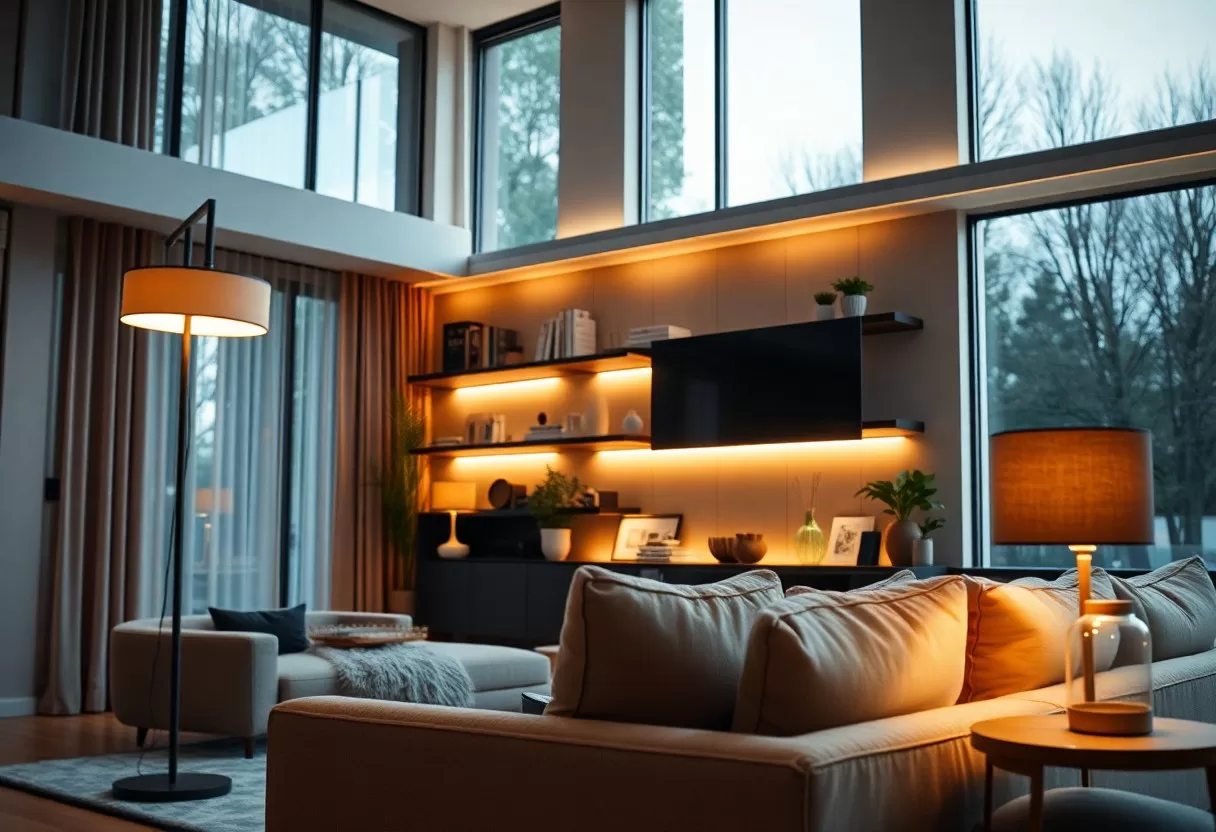
To get the most from any room, focus on layering your lighting. This means combining ambient, task and accent light so you can change the mood and use of the room with a flick of a switch. Several sources at different heights also light the room more evenly and give it more visual interest than one bright fixture ever could.
Combining Different Lighting Types
Mixing lighting types on purpose makes a room feel more alive. Ambient light provides the general glow, task light handles specific activities and accent light picks out features, adding depth and a little drama. For the best result, plan for:
- Ambient lighting: Soft overhead fixtures.
- Task lighting: Bright reading lamps.
- Accent lighting: Wall sconces and spotlights.
- Adjustability: Use dimmers for flexibility.
- Balance: Distribute light evenly throughout.
Get this mix right and you can set an inviting mood for any occasion, from a quiet night in to dinner with friends.
Creating Depth and Warmth
Layered lighting gives a room more depth and warmth. When you use light at different intensities and from different heights, you create contrast and dimension. Use warm LED bulbs and place lamps so they cast soft shadows rather than flat, even light, and the room starts to feel cozy and inviting.
Light and shadow working together can turn a flat, lifeless corner into a place you want to sit. Put a floor lamp beside a plush chair and you get light for reading plus a clearly defined spot, which adds a sense of intimacy. Warm tones, like the soft yellow of 2700 K bulbs, help you and your guests feel relaxed and at home. Keep the layers balanced, with no single source much brighter than the rest, and the room will look good and feel comfortable.
Practical Tips for Implementation
Good lighting takes a bit of planning. Start with the room’s purpose, layer different types of lighting and add dimmers so you can adjust them. Choose lighting fixtures for both style and function, and favor energy-efficient options. Position lights to show off focal points while avoiding harsh shadows and glare. Follow these steps and the room will feel balanced and easy to live in.
Placement Strategies
Where you put each fixture matters as much as what you buy. Use overhead lights for general light, table lamps for tasks, and spotlights or picture lights for architectural features and art. Keep the bottom of a lampshade around eye level when you are seated so you see light, not a bare bulb. That cuts glare and improves the effectiveness of every lamp. Try a few positions before you commit, especially with plug-in lamps.
Adjusting Brightness and Color Temperature
To get the ambiance right, adjust both brightness and color temperature. Dimmers let you control how bright the room feels for different activities. Then look at the bulbs: warmer tones (2700K-3000K) feel cozy, while cooler tones (4000K-5000K) help you focus. Choosing the right mix lets you match the light to any mood or occasion.
Importance of Brightness and Color Temperature
| Aspect | Benefits |
|---|---|
| Brightness Control | Enhances flexibility for different tasks and moods. |
| Color Temperature | Affects mood and productivity; choose wisely based on activity. |
Brightness and color temperature change how a room works. Bright white light can help your concentration in a workspace, while softer, warm light encourages relaxation in living areas. Using a mix of bulbs, or tunable smart bulbs, lets you shift the atmosphere with the time of day, cooler during work hours and warmer in the evening, so the room stays versatile and inviting.
More on Brightness and Color Temperature
| Lighting Type | Recommended Color Temperature |
|---|---|
| Living Room | 2700K-3000K |
| Kitchen | 3500K-4000K |
| Office | 4000K-5000K |
Room lighting calculator
Find how many lumens a room needs and how to split them into layers.
Conclusion
Choosing the right lighting comes down to the mood, function and design of each room, and it is one of the simplest ways to make a space feel like yours. Mix ambient, task and accent light to create depth and interest, and give every main fixture a dimmer. For more ideas, see 5 Things You Should Light That Make Your Home Look …, a helpful list of spots worth lighting in your own home.
FAQ
Q: What factors should I consider when selecting lighting for a room?
A: Consider the room’s purpose, size, and natural light availability. Assess the mood you want to create—warm lighting for coziness or bright lighting for functionality. Also, think about the style of fixtures that complement your decor.
Q: How can I use different types of lighting to enhance a space?
A: Use ambient lighting for general illumination, task lighting for activities like reading, cooking or working, and accent lighting to highlight art, shelves or architectural features. Layering all three on separate switches or dimmers adds depth and lets you change the atmosphere of the room for different times of day.
Q: What role do light bulbs play in achieving the desired effect?
A: Bulbs shape the mood as much as the fixture. Warm white (about 2700–3000 K) feels cozy for living rooms and bedrooms, while neutral or cool white (3500–5000 K) suits kitchens, bathrooms and work areas. Check lumens for brightness and a CRI of 90 or higher for natural-looking colors; colored or smart bulbs are fun for accents but are not a replacement for good white light.
Plan fixture positions and layers in the free 3D room designer.
Related Guides
