
How Natural Light Affects Your Productivity and Energy at Home
Natural light at home does more than save electricity. Daylight helps set your body clock and supports mood, focus and sleep. Here’s what we know about light and productivity, and practical ways to bring more daylight into every room, from desk placement to paint colors and window treatments.
Table of Contents
Key Takeaways:
- Daylight lifts mood and helps you stay alert, which makes focused work easier.
- Morning sunlight helps set your circadian rhythm, so your energy is steadier through the day.
- Too little daylight can leave you tired and less focused, which hurts your work.
The Science of Natural Light
Natural light affects both your body and your mind. Research has linked daylight exposure to better alertness, better sleep and general well-being. Light is the main signal that sets your circadian rhythm, the internal clock that decides when you feel awake and when you feel ready for bed. That rhythm shapes how productive you are during the day and how steady your energy feels from morning to evening.
Biological Effects of Natural Light
Light also influences hormones such as melatonin and serotonin. Bright daylight is linked to serotonin activity, which plays a part in mood, while darkness tells your body to release melatonin so you can sleep. That’s why getting good daylight during the day, and keeping evenings dim, helps your overall health. If you work from home, try to spend some time near a window or outdoors in the first hour after you wake up.
Psychological Influence on Mood
Natural light has a clear effect on mood. Many people say they feel more positive and energetic in bright, sunny rooms, and gloomy winter months leave some people feeling low. A room filled with daylight can feel calmer and more open, which makes it easier to focus and work through problems.
The link between daylight and mood also shows up in workplace design, where large windows and skylights are often used to make people more comfortable and satisfied at work. You can apply the same idea at home. A bright workspace with a view outside tends to feel less tiring than a dim corner, and it can lower frustration on long workdays. Making sure your home office gets good daylight is one of the simplest ways to support your mental and emotional well-being.
Natural Light and Productivity
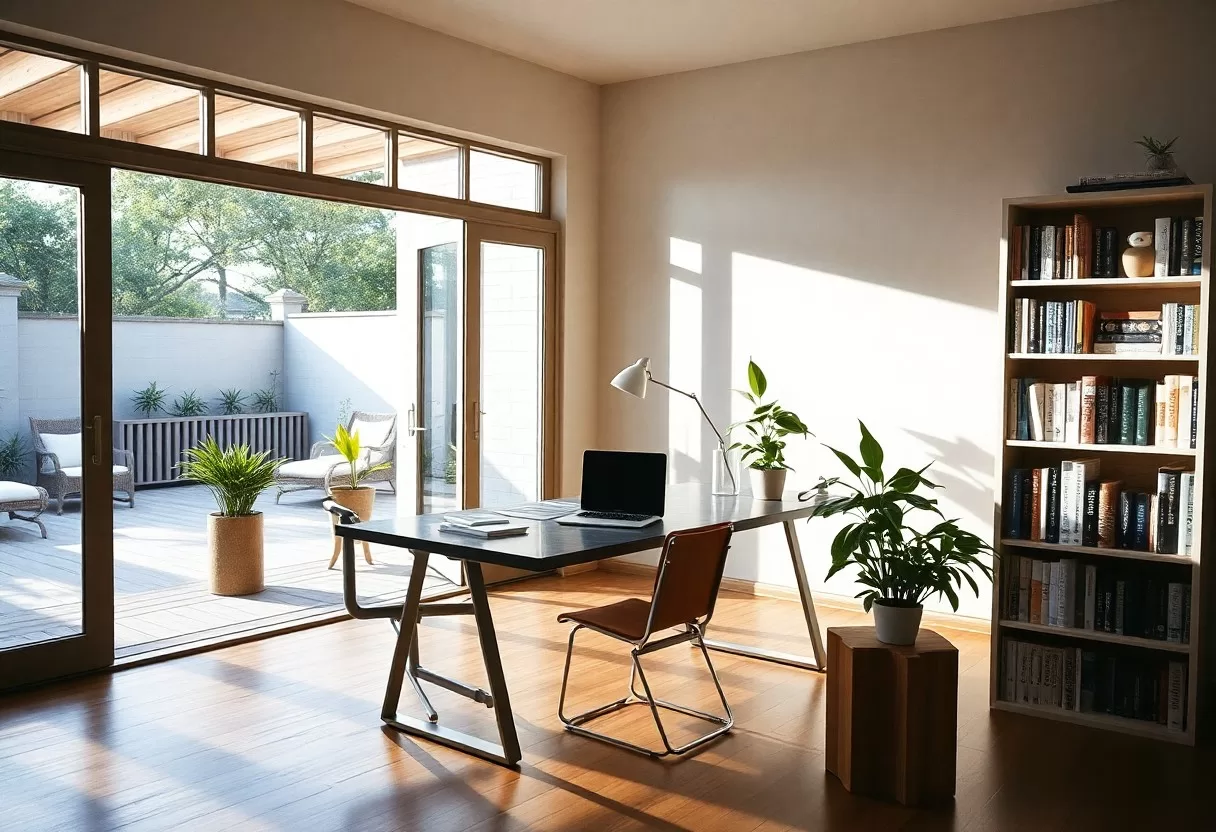
Natural light can make a real difference to your productivity at home. Daylight helps you concentrate, feel less tired and handle stress more easily. A workspace with good natural light keeps you alert and engaged. Set up your desk next to a window, ideally with the window to your side rather than directly in front of or behind your screen, which cuts glare and keeps light on your work surface.
Impact on Work Performance
Many people find they focus better and get distracted less in rooms with plenty of daylight. Good light also lowers eye strain, because your eyes don’t have to work as hard to read and see detail. Over a full workday, that comfort adds up to better concentration and fewer mistakes on your projects. If you can’t move your desk, a bright, cool-toned task lamp during the day helps fill the gap.
Enhancing Creativity and Focus
Daylight can help with creativity and focus as well as raw output. Bright, well-lit spaces tend to feel more energizing, which helps when you’re brainstorming or solving problems. Many people find a seat by the window, or a view of greenery, helps them think more freely and keep going on creative work.
Researchers continue to study how light affects creative work, and results suggest that comfortable, well-lit spaces support better thinking. Part of the effect likely comes from better mood and alertness, and part from simply feeling less cooped up. Try it yourself: do your most demanding creative work during your brightest hours, in your best-lit room, and see whether it makes a difference for you.
The Role of Circadian Rhythms
Understanding Circadian Cycles
Your circadian rhythms run your sleep-wake cycle on a roughly 24-hour schedule, and light is the main cue that keeps that clock on time. Bright daylight tells your body to be alert, while darkness signals the release of melatonin to prepare you for rest. Within the night, sleep itself moves through cycles of about 90 minutes. The daily rhythm also affects processes like metabolism, body temperature and mood.
Effects on Energy Levels
Light exposure shapes your energy levels through the day. Daylight supports mood and focus, while insufficient natural light can leave you tired and less sharp, and it is linked to seasonal mood problems. Bright light in the morning helps you wake up, while dim, warm light in the evening helps you wind down.
If you feel sluggish at home, look at your light first. Bright spaces generally feel more energizing than dim ones, so bringing more daylight into your workspace can raise your energy. Rearrange furniture so you sit closer to windows, and use light-reflecting surfaces to spread daylight deeper into the room. Taking a short walk outside in the morning or at lunch is another easy way to get bright light, even on cloudy days.
Maximizing Natural Light in Your Home
To get the most from natural light at home, make a few smart design choices. They can help your mood and your productivity. Well-placed mirrors, lighter paint colors and open layouts all help daylight travel further into your rooms. If you’re remodeling, consider energy-efficient windows or skylights to bring in more daylight without losing heat. Even small changes can make a noticeable difference to how you feel and work in your space.
Design Tips for Optimal Light
For good light, start with a few simple design tips. Keep furniture from blocking windows and choose an open layout that lets light flow from room to room. Use light-reflecting surfaces like mirrors and glass to spread sunlight, and choose neutral color palettes that keep rooms bright. Paint with a higher light reflectance value (LRV), shown on many paint chips, bounces more light around. Indoor plants add life and freshness to sunny spots.
- Keep furniture from blocking windows
- Use mirrors to reflect light
- Select light paint colors
- Create an open layout for light flow
- Incorporate indoor plants for aesthetics and air quality
Window Treatments and Placement
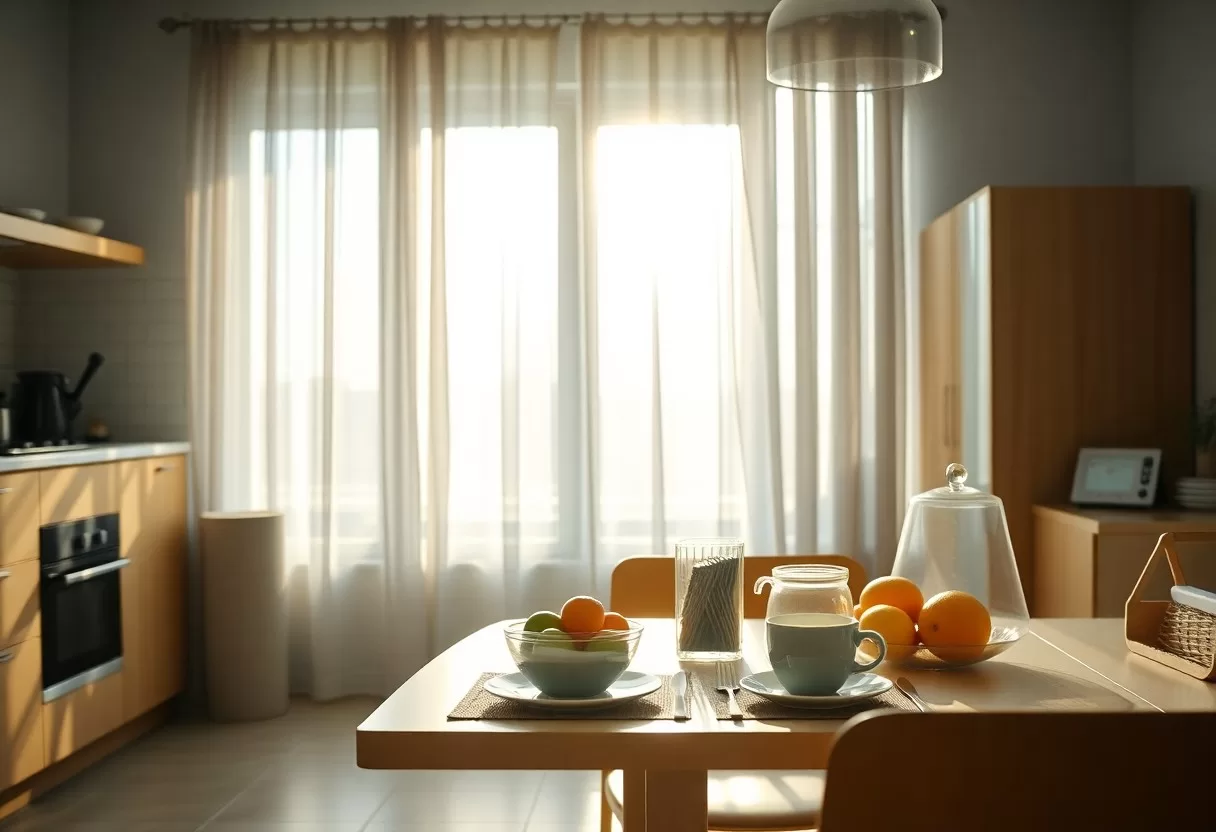
The right window treatments, and where you put them, decide how much daylight gets into a room. Sheer curtains soften light and still give you privacy, while heavy drapes block it. Mount curtain rods wider and higher than the window frame so the panels can pull fully clear of the glass. Keep windows unobstructed, and place reflective surfaces near them to bounce light around. In the Northern Hemisphere, south-facing windows get the most sunlight through the day.
Window treatments can be both attractive and practical. Smart blinds let you adjust light levels through the day, and top-down, bottom-up shades give privacy while letting light in from above. Window placement matters too: windows set higher on the wall, or clerestory windows, bring light deep into a room while leaving wall space for furniture and art. In summer, filter harsh afternoon sun on west-facing glass. Balancing beauty and brightness makes your home more comfortable and productive.
The Importance of Natural Light in Different Seasons
Seasonal Variations
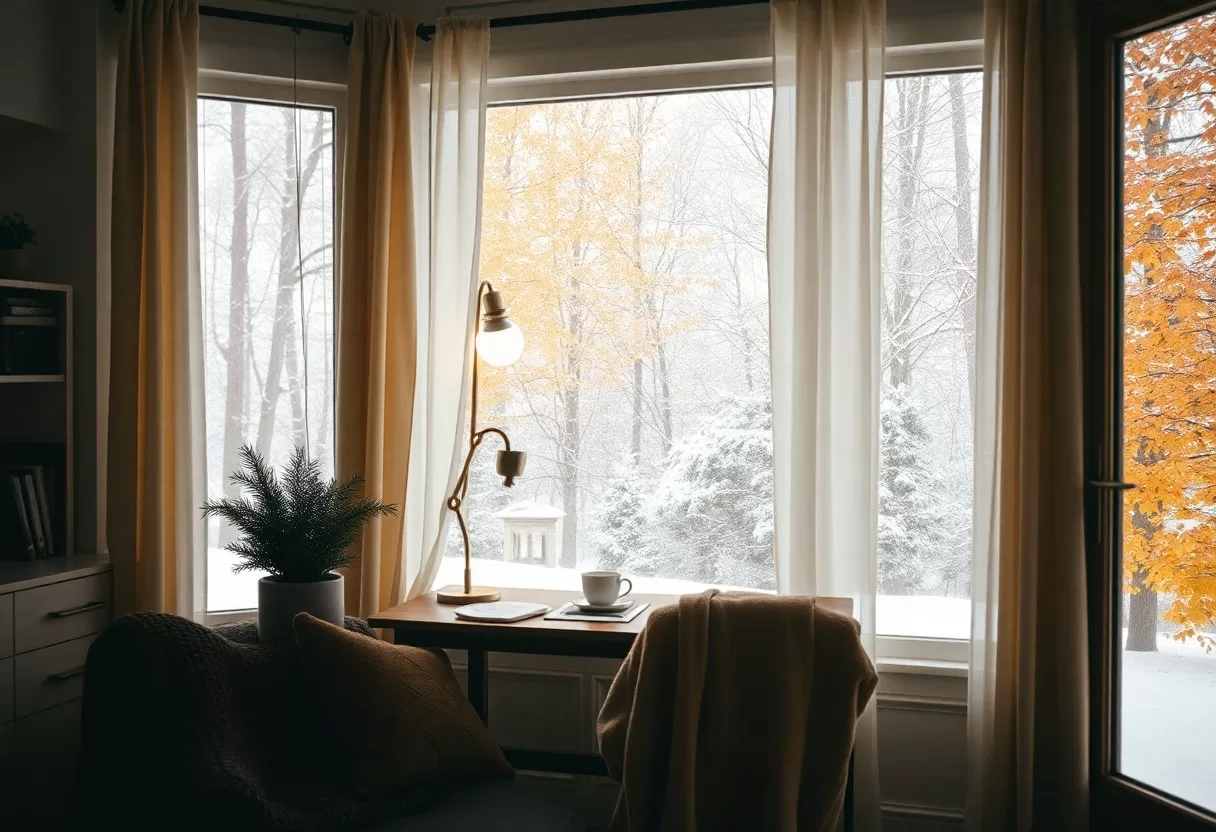
Natural light changes a lot with the seasons, and so can your mood and productivity. In winter, shorter days can leave you low on energy and feeling sluggish. Summer brings long, bright days that can lift motivation. Knowing these patterns helps you adjust your routine, for example by scheduling demanding work during the brightest part of a winter day.
Adapting Your Space
Adjusting your space for each season helps you stay productive. In winter, use light-colored curtains and reflective surfaces to make the most of limited daylight, and keep windows clean. In summer, choose window treatments that block heat while still letting light in, such as solar shades or light-filtering blinds. These changes keep your home comfortable for focus and energy all year.
In winter, place mirrors across from or beside windows to bounce daylight deeper into the room. Plants add life to a dull season. In summer, sheer curtains let in light and air when the windows are open. Rearranging furniture with the seasons, so your desk or reading chair follows the best light, can help your energy, as can light-colored decor. Small seasonal adjustments keep your mood and productivity steady throughout the year.
Sun angle & roof overhang calculator
Size an overhang that blocks hot summer sun but lets low winter sun warm your rooms.
To wrap up
Bringing more natural light into your home is one of the simplest ways to support your productivity and energy. When plenty of sunlight reaches your living space, it becomes easier to stay focused and motivated. To learn more, read the 10 Benefits of Having Natural Lighting in the Home and see how small changes could improve your daily routine and well-being.
FAQ
Q: How does natural light influence my productivity at home?
A: Plenty of daylight helps many people feel more alert and in a better mood, which makes it easier to focus on work. Daylight is also a comfortable, even light to read and work by, and a window view gives your eyes a chance to rest on something far away. The effect varies from person to person, but a bright, daylit workspace usually feels less tiring than a dim one lit only by lamps.
Q: What are the best strategies to maximize natural light in my workspace?
A: Put your desk near a window, ideally side-on to it so you avoid glare on your screen and shadows on your work. Light-colored walls and furniture bounce light around the room, and a well-placed mirror can bring light into darker corners. Sheer curtains or blinds diffuse harsh sun without making the room dark, and clean windows and trimmed shrubs outside let in more light.
Q: Can natural light affect my energy levels throughout the day?
A: Yes. Light is the main signal that sets your body clock, or circadian rhythm, which affects when you feel alert and when you feel sleepy. Getting bright daylight in the morning helps you wake up properly, and dimmer, warmer light in the evening helps you wind down. Regular daylight during the day can help steady your energy and make afternoon slumps less noticeable.
Test window positions and room orientation in the free 3D house layout planner.
Related Guides
