
Moroccan & Bohemian Fusion – Designing Vibrant, Patterned Spaces
Just combine Moroccan geometry with Bohemian layering to create a cohesive, lived-in aesthetic you control; you should balance scale and color so patterns sing without clashing, and always test palettes in natural light. Use bold, saturated hues for focal areas, be wary of visual overload from competing motifs, and embrace textured, handcrafted elements to add warmth and authenticity to your rooms.
Key Takeaways:
- Layer patterns and textures: mix Moroccan geometric tiles, kilim rugs, embroidered textiles and varied pattern scales; anchor the scheme with solid furniture and a limited 2-3 color palette plus neutrals to avoid visual overload.
- Combine materials and lighting for warmth: use carved wood, brass or copper accents, woven fibers and warm, layered lighting (lanterns, pendants, table lamps) with abundant plants to blend Moroccan formality and bohemian ease.
- Balance through editing and repetition: create cohesion by repeating key colors or motifs, establishing clear focal points, and editing accessories so the space feels vibrant without being cluttered.
Defining Moroccan & Bohemian Aesthetics
You balance the structured, geometric precision of Moroccan design with Bohemian’s relaxed, layered freedom, aiming for a fusion that reads intentional rather than accidental; many designers use a 3:1 ratio of Moroccan anchors (tiles, carved wood, brass lighting) to Boho textiles and objects, so your space keeps the architecture bold while allowing eclectic, collected warmth through textiles, plants, and hand-made artifacts.
Signature Moroccan motifs, materials and color sensibility
Think of zellige tiles (hand-cut, 1-2 cm pieces), tadelakt plaster baths, carved cedar ceilings and mashrabiya screens as your structural vocabulary; you pair those with jewel tones-indigo, saffron, pomegranate-and metallics like aged brass and copper, using patterned zellij geometry or arabesques at focal points while keeping other surfaces in warm neutrals to avoid visual overload.
Core Bohemian principles: eclectic layering, global handicrafts, relaxed form
Eclectic layering means you mix 2-4 rugs, 5+ textile patterns and pieces sourced from markets-kilims, ikats, block prints-so your room feels accumulated; you favor low, informal seating, visible craft marks and mismatched furniture, but you guard against chaos by anchoring with one strong color or a single large pattern and avoiding over-layering that can feel cluttered.
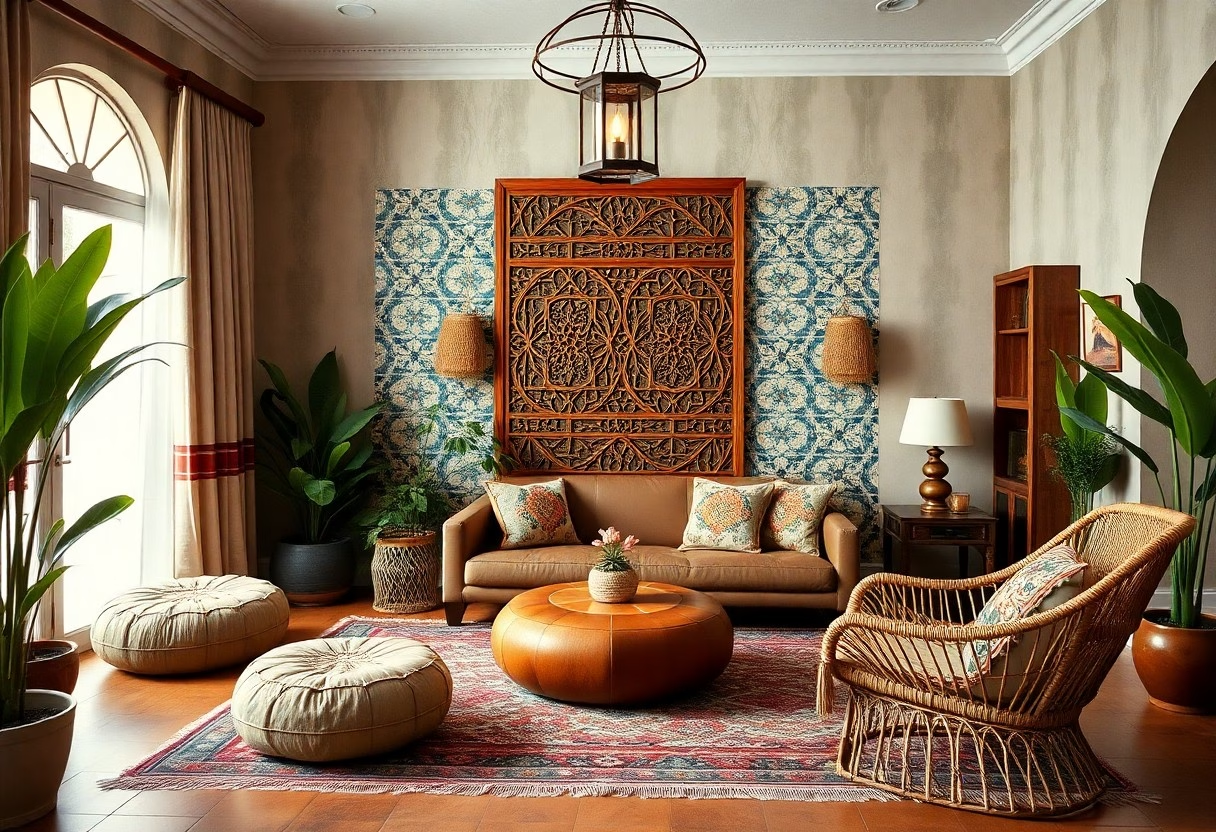
For example, you can ground a seating area with a 9×12 wool rug, layer a 6×9 kilim offset by a 4×6 jute runner, add 6-8 cushions in varied prints and one oversized macramé wall piece; this approach-used in many contemporary loft projects-creates depth and narrative while keeping circulation clear and focal points legible.
Color, Pattern and Material Strategy
Anchor your scheme with layered materials-glazed zellige, handwoven wool, matte lime plaster-and apply the 60/30/10 rule to keep energy balanced: 60% grounding neutrals, 30% jewel tones, 10% vivid accents. Use the palette from Colorful Moroccan Design With Bright Boho Style Decor for bright motif inspiration and pick materials that keep high-wear areas practical yet visually rich.
Harmonizing jewel tones, earth hues and accent brights
Pair sapphire, emerald and garnet with terracotta, ochre and sand to create depth, using accents of coral or mustard at about 10% of the composition. You should place jewel tones on upholstery or a focal wall, earth hues on floors and large surfaces, and reserve bright accents for lamps, trim or small textiles to maintain balance and lively contrast.
Principles for mixing geometric, floral and ikat patterns
Limit yourself to three pattern families and vary scale: one large geometric, one medium ikat, one small floral; repeat a dominant color across all patterns to unify them. You’ll emphasize scale contrast, texture and a single repeating hue to prevent visual chaos while keeping the eclectic energy of Moroccan‑Boho fusion.
In practice, place a large 2m x 3m geometric rug, add ikat lumbar pillows (30x50cm) and use tiny floral motifs on lampshades or trim; pair glazed tile (gloss) with raw linen (matte) for texture contrast. For a 12×14 living room, this method creates a layered look where the rug anchors the room, cushions tie the palette, and small florals soften edges-follow the three-pattern rule and color repeat for cohesion.
Textiles, Rugs and Layering Techniques
Start by anchoring a room with one substantial rug, then layer 1-3 smaller pieces or throws to build visual depth; designers often use a large 8’x10′ base with a 4’x6′ kilim offset by 18-24 inches. Mix pile heights, flatweaves and embroidered panels so patterns read at different distances. Use textiles on walls, benches and beds to create a coherent, tactile story while keeping your color palette limited to 3-4 tones for balance.
Sourcing and using Moroccan rugs, kilims and embroideries
Seek Beni Ourain for plush, creamy wool and Azilal for geometric accents; expect price ranges from roughly $200 for small recycled Boucherouite pieces to $3,000+ for rare, hand-knotted tribal rugs. Inspect knots, selvedges and natural-dye irregularities-these indicate authenticity. Buy from reputable dealers or vetted souks in Marrakech and Fes, and be wary of synthetic dyes that can bleed and fade when wet.
Boho layering: throws, cushions and mixed textures for depth
Layer cushions in odd numbers-3 or 5-combining sizes like two 24″x24″ euros with a 16″x24″ lumbar, and add a fringed wool or silk throw folded at the sofa arm. Pair coarse jute or hemp with soft alpaca or wool, and alternate scale: a bold kilim cushion, a small embroidered motif, and a neutral textured piece. Keep the palette cohesive; otherwise pattern overload can make the space feel chaotic.
Practically, follow a 60/30/10 rule: 60% base (neutral sofa or large rug), 30% secondary textures (kilim, flatweave, macramé) and 10% accent prints or metallics. On a three-seater use two large cushions, one lumbar and a single statement throw; rotate textiles seasonally and vacuum wool rugs weekly to prevent pests. Embrace vintage finds for sustainability, but always test for dye transfer and sun exposure-sunlight will fade colors over months.
Furniture, Lighting and Decorative Accents
Balancing carved wood, low seating and eclectic furniture mixes
Pair carved cedar cabinets and mashrabiya screens with low seating-poufs (40-50 cm diameter) and floor cushions at 30-40 cm height-to create intimate grouping. Mix in a mid-century sofa or rattan chair to break density, and anchor the scheme with a neutral larger piece or a low coffee table (about 30-40 cm high). Leave 60-90 cm circulation around arrangements so pattern and texture read without feeling crowded.
Lighting, metalwork and decorative elements that read Moroccan + Boho
Choose mosaic glass pendants, filigree brass lanterns and hammered copper shades alongside macramé or rattan fixtures to merge Moroccan intricacy with Boho warmth; scale pendants 30-60 cm for intimate zones and cluster in odd numbers over low tables. Use warm LEDs (2200-2700K) on dimmers for layered moods, and avoid open flames indoors because they pose a fire risk.
For finish choices, pair polished brass or aged patina copper with matte black iron for contrast and let textured materials-kilim cushions, woven baskets, beaded chandeliers-soften metal edges. Hang pendants roughly 70-90 cm above a table or set them 150-180 cm above the floor in circulation paths; cluster three varying-height lanterns to create focal depth. Specify LEDs with CRI ≥90 to keep textiles true, and use wall sconces or uplights to accent carved woodwork and zellij without overheating surfaces.
Room-by-Room Applications
Living and dining: creating social, patterned focal points
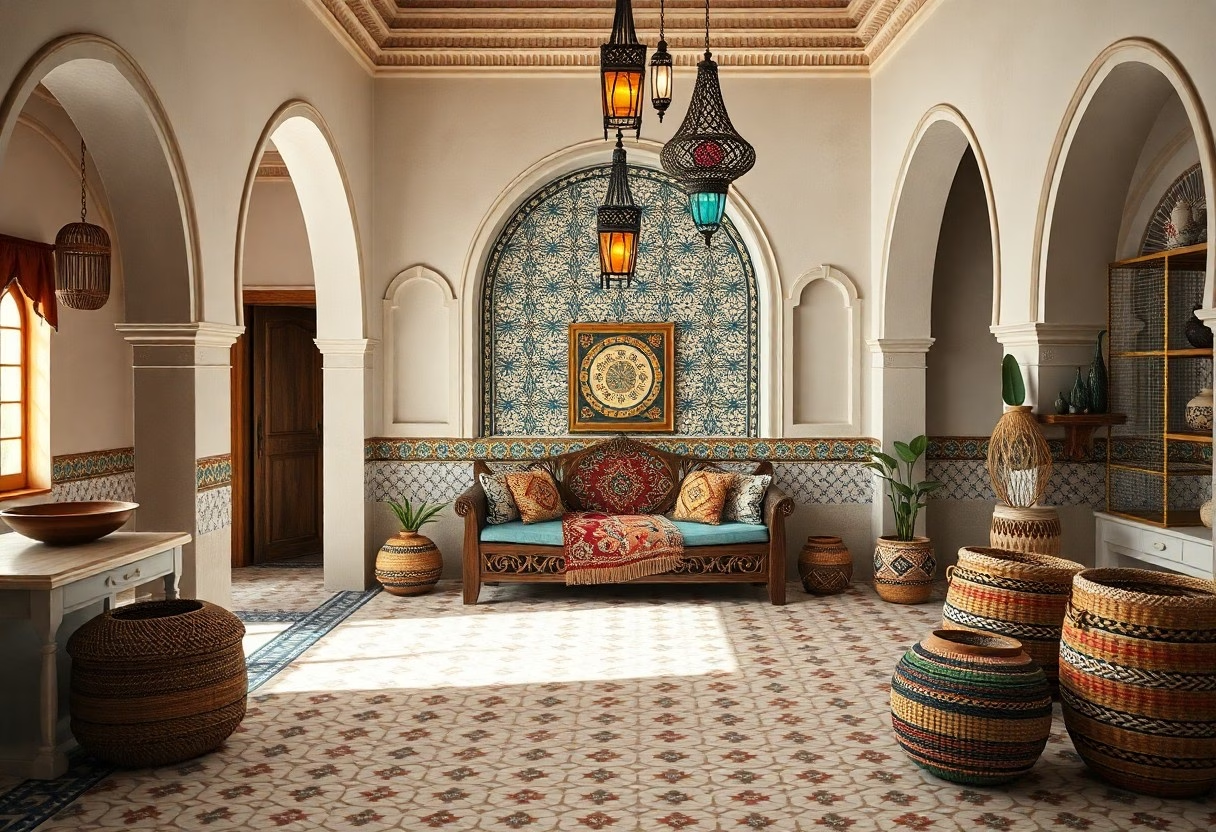
Layer patterns strategically: choose one large-scale pattern (like a geometric kilim rug) and two smaller-scale prints for cushions and curtains. Keep a 60/40 color balance-60% grounding neutrals, 40% saturated accents to avoid visual overload. Anchor seating with a brass tray table or low mashrabiya screen, hang 2-3 pendant lanterns at varied heights, and position the dining table under the boldest pattern to create a social focal point; if using wallpaper, limit it to a single wall.
Bedroom and outdoor: intimate, relaxed boho-Moroccan retreats
Create intimate boho-Moroccan retreats by layering three textile levels-sheets, a midweight coverlet, and a patterned throw-plus one large statement rug (e.g., 8×10) under the bed. Soften walls with tadelakt or matte paint in muted terracotta, add dimmable lanterns for warm light, and place two poufs for lounging. Outdoors, choose weatherproof Sunbrella cushions and drought-tolerant plants like rosemary or olive; note that metal lanterns can get hot, so use heat-safe placement.
For deeper detail, install zellige tile as a headboard accent or outdoor backsplash-small 2×2 tiles create intricate reflections-while sealing grout to prevent staining. Maintain 24-30 inches circulation around the bed and favor low-profile furniture to keep the space airy. Specify stainless or powder-coated frames and Sunbrella fabrics outdoors for >5-year fade resistance, and limit patterned elements to three scales, alternating solids between patterns so the layered look reads intentional, not chaotic.
Practical Tips, Sourcing and Budgeting
You can stretch your budget by prioritizing statement pieces and mixing affordable basics; focus on sourcing from multiple channels for best value:
- Flea markets – haggle and inspect for damage
- Artisan workshops – support makers and secure authentic pieces
- Online retailers – compare prices and check return policies
See detailed sourcing examples in Bohemian & Morrocan Interior Design – The Ultimate Guide. Any sensible budget puts 40-60% on impact pieces, 20% on textiles and 10-15% on lighting and accessories.
Mixing vintage, artisan-made and modern finds responsibly
You should aim for a 60/30/10 split – 60% modern anchors, 30% vintage character, 10% artisan accents – and vet vintage for pest or structural issues before buying. Inspect joints, finishes and labels, ask for provenance, and favour sellers who provide repair history; a restored teak console can raise value by 15-25%, while direct artisan purchases boost local economies and ensure authentic craftsmanship.
Styling, maintenance and adapting the fusion for small or large spaces
You scale patterns and furniture to room size: in rooms over 25 m² use large rugs and bold lighting, while in spaces under 35 m² choose slim profiles, small-scale motifs and a 2-3 color palette. Anchor seating with a rug covering 60-80% under legs, layer ambient, task and accent lighting, and repeat one key motif three times to create cohesion without overwhelm.
You should vacuum handwoven rugs weekly, rotate cushions monthly and condition leather every 6 months; protect textiles from direct sun to prevent fading, spot-clean kilim with cold water and mild soap, and use professional cleaning for dense wool. For large open plans create zones with rugs, screens and pendant groups; in compact flats maximize vertical storage, mirrors and slim-scale seating to keep the aesthetic airy and functional.
Conclusion
As a reminder, when blending Moroccan and Bohemian styles you should balance bold patterns, rich textures, and layered colors to create a cohesive, vibrant space; prioritize scale and rhythm, mix handmade and modern pieces, and let your personal tastes guide pattern combinations so your rooms feel adventurous yet unified.
FAQ
Q: How do I mix bold Moroccan patterns with Bohemian eclecticism without overwhelming the room?
A: Start with a restrained base-neutral walls or large solid furniture-to give the eye places to rest. Limit the palette to two or three repeat colors (one deep jewel tone, one warm earth tone, one neutral) and carry those colors through rugs, cushions, and art to create cohesion. Vary pattern scale (large-scale rug, medium throws, small trim or cushions) and alternate busy patterns with textured solids (wool, linen, raw cotton) to avoid visual noise. Use one strong focal element-zellige tile wall, a kilim rug, or an ornate headboard-and arrange layers around it. Leave deliberate negative space, keep major pieces simple and functional, and distribute pattern evenly across the room so no corner feels heavier than another.
Q: Which materials, colors, and textures best express Moroccan & Bohemian fusion, and how should I choose them for different rooms?
A: Combine Moroccan craftsmanship (zellige or encaustic tiles, carved wood, brass or hammered metal lanterns) with Bohemian textures (kilim and dhurrie rugs, macramé, fringed throws, rattan, natural fiber rugs). Palette options include jewel tones like sapphire, emerald, and pomegranate balanced with terracotta, ochre, and warm neutrals; introduce patinated metals and warmed woods for contrast. In wet areas pick glazed tiles and sealed woods for durability; in high-traffic rooms choose low-pile, tightly woven rugs and stain-resistant fabrics; bedrooms invite softer linens, plush throws, and layered cushions for comfort. Mix matte and glossy finishes-handmade tile glosses against matte plaster or lime wash-for depth.
Q: How can I furnish, light, and accessorize to keep the style functional and authentic while avoiding clichés or insensitive sourcing?
A: Prioritize function with a clear layout and multipurpose pieces (storage ottomans, low benches, nesting tables). Layer lighting: warm-toned ambient light, task lamps near seating, and decorative lanterns or pendant fixtures for shadow play that echoes Moroccan motifs. Accessorize with a curated mix of vintage and handcrafted items-textiles, metal trays, ceramic bowls, and plants-to add personality without pastiche. Source responsibly: buy directly from artisans, Fair Trade shops, or reputable vintage dealers and attribute pieces when possible. Scale accessories to the room and group objects in odd-numbered clusters; include mirrors to amplify light and woven baskets for tidy storage. Maintain finishes gently-brass polishing sparingly, spot-clean textiles, and rotate rugs to even wear.