
Small Changes, Big Impact – Layout Tweaks That Transform Any Home
You do not need a renovation to transform a home. Small layout changes, such as turning furniture to open clear pathways, zoning open spaces and using lighting and color strategically, can make rooms feel bigger, brighter and easier to use. Here are the tweaks with the biggest impact for the least effort.
Table of Contents
Key Takeaways:
- Rearranging furniture to create clear traffic paths increases usable space and improves flow.
- Defining zones with rugs, lighting, or furniture clusters makes multifunctional rooms feel organized.
- Swapping oversized pieces for scaled furniture and slim profiles opens visual space in small rooms.
- Adding mirrors and strategic lighting amplifies natural light and brightens dark corners.
- Creating a focal point with art, a plant, or a statement rug anchors the room and guides placement.
Strategic Furniture Reorientation
You can reposition major pieces to reshape flow and define zones without construction; angle a sofa toward a fireplace or pull seating into a conversation cluster and avoid blocking walkways. Try small shifts inspired by 3 Small Changes that Make a Big Difference in a Room for quick, high-impact results.
Transitioning from Perimeter Pushing to Floating Layouts
Start by pulling furniture a few inches from walls to form a floating grouping that invites conversation; define zones with rugs and lighting while keeping clear circulation so paths remain safe and comfortable.
Aligning Key Pieces to Establish Architectural Focal Points
Position key pieces to face or frame features like a fireplace or window, using scale and negative space to draw the eye while keeping egress unobstructed for safety and flow.
Consider aligning a sofa’s centerline with a mantel or window to create intentional sightlines; you should leave at least 30-36 inches for primary walkways and avoid placing bulky furniture in front of doors or stairs to prevent tripping or blocked exits. Small offsets, matching heights, and a single dominant piece will reinforce the architectural focal point.
Optimizing Vertical and Negative Space
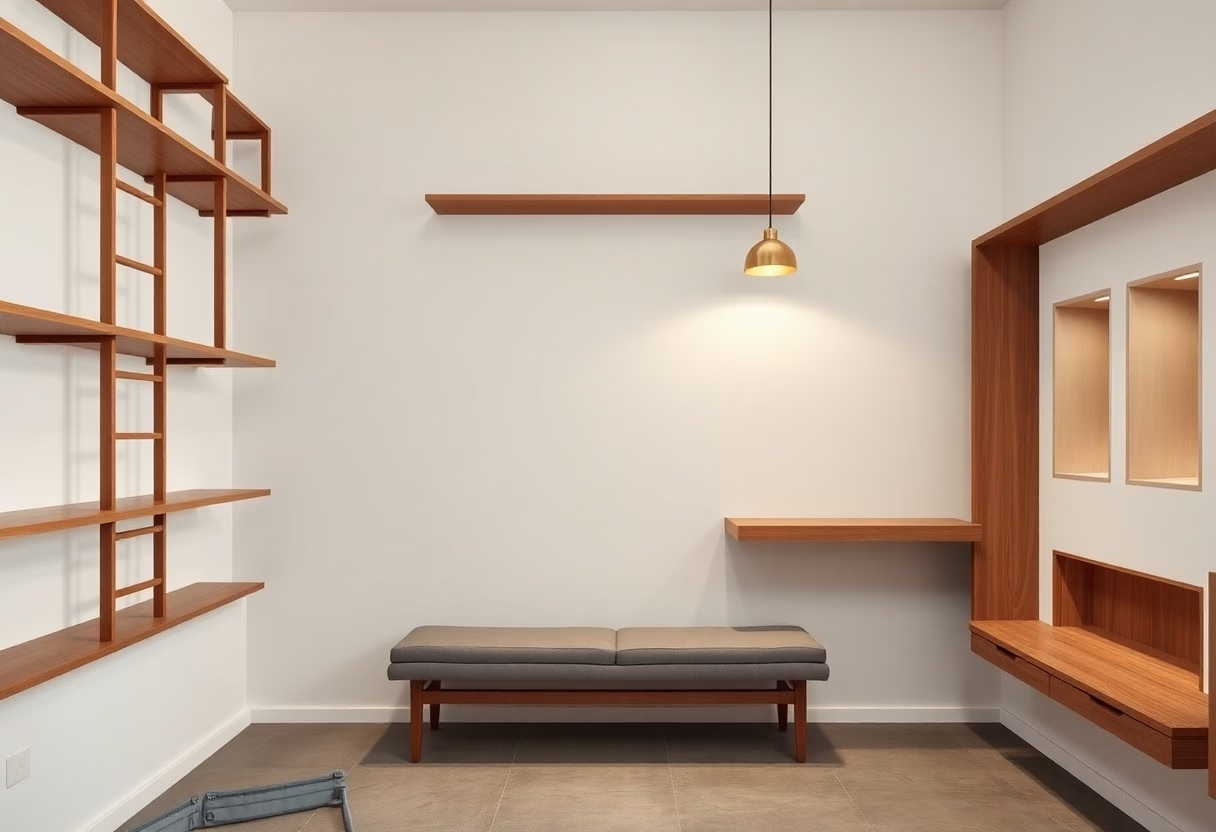
You can reshape a room by thinking vertically and leaving intentional emptiness; tall storage and blank walls steer the eye upward and let surfaces breathe. Watch out for top-heavy shelving that can tip and keep load-bearing safety in mind. Embracing negative space boosts perceived volume and reduces visual clutter.
Leveraging Wall Height to Create the Illusion of Volume
Hang curtains and art high and choose tall, narrow furniture so you stretch visual height; you make ceilings feel higher and rooms airier. Use vertical stripes or stacked shelving to accentuate lines, and keep upper walls mostly clear to maintain the effect.
The Role of Strategic Gaps in Preventing Visual Fatigue
Leave deliberate gaps between objects so your eyes can rest; you avoid sensory overload and keep pathways readable. Small pauses in patterning create rhythm and guide movement, with breathing room preventing visual fatigue.
Spacing groupings by at least a few inches and maintaining roughly 20-30% empty surface on shelves and walls helps you scan a space comfortably; you should cluster items in odd-numbered sets, stagger heights, and mix textures to keep interest without crowding. Avoid filling every wall to the ceiling, which can cause sensory overload and make rooms feel oppressive.
Lighting as a Dynamic Layout Tool
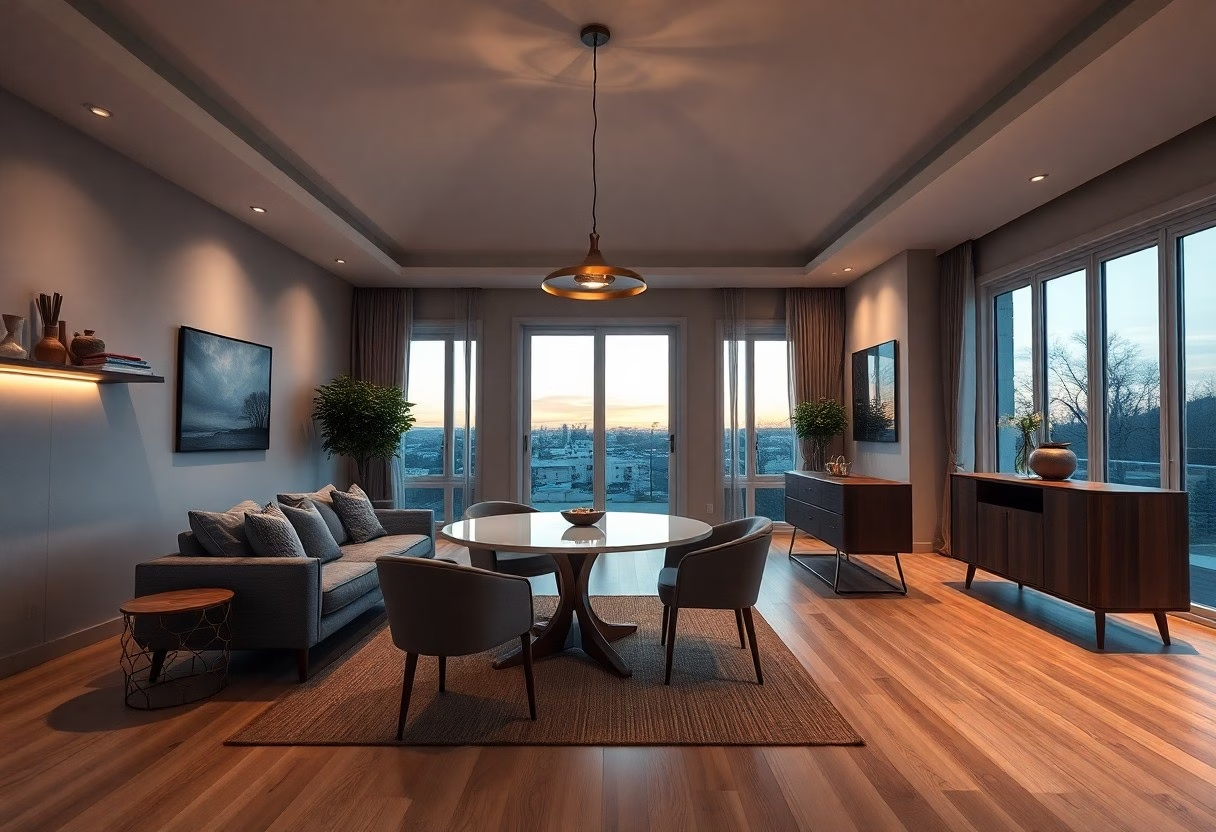
Lighting sculpts how you inhabit each room, shifting focus and improving flow with simple changes. By altering fixture placement, beam direction, and intensity you can expand perceived space, guide movement, and calm busy corners without moving furniture or walls.
Layering Ambient and Task Lighting to Define Zones
You combine soft ambient fixtures with targeted task lights to carve functional zones; dimmers and adjustable lamps let you set moods and mark activity areas, while directional bulbs help reduce glare at work surfaces.
Using Reflective Surfaces to Redirect and Amplify Natural Light
Reflectors like mirrors, glossy cabinets, and light floors bounce daylight deeper into rooms so you boost brightness with no extra electricity. Position carefully to avoid glare hotspots that can cause discomfort or fade fabrics.
Try placing a large mirror opposite or adjacent to a window to double perceived daylight, aiming the reflective surface to throw light toward darker corners and seating areas. Use pale, glossy finishes and low-iron glass to keep color fidelity. Be mindful that intense reflections can create glare or concentrate heat; watch for concentrated sunbeams and UV fading, and mitigate with UV window film, sheer curtains, or rotating textiles to protect finishes and comfort.
Defining Micro-Environments in Open-Concept Homes
Open-concept spaces rely on small, deliberate layout choices so you can switch between cooking, working, and relaxing without feeling exposed. Use visual anchors, varied floor textures, and selective storage to create distinct zones while keeping sightlines and clear pathways intact.
Utilizing Area Rugs as Anchors for Independent Sections
Rugs define activity areas so you can seat a conversation, frame a dining spot, or set a play area. Choose sizes that leave walkways clear and patterns that act as visual anchors; avoid raised edges to prevent tripping hazards.
Creating Functional Nooks with Multi-Purpose Furniture
Furniture that combines seating, storage, and surface space helps you carve private nooks without walls. Opt for pieces that fold or hide away to keep floor space open and add hidden storage for a tidy, efficient nook.
Consider sizing multi-purpose pieces to your circulation so you can move freely; measure clearances and leave at least 30-36 inches for primary walkways. Choose fold-down desks, storage benches, or sleeper ottomans with integrated storage to maximize function. Anchor tall or heavy items to the wall to prevent tipping, place task lighting for focused use, and keep outlets accessible so the nook remains comfortable and safe.
Color and Texture as Spatial Modifiers
Color and texture act as tools you can use to visually enlarge or define rooms; pair a light, neutral base with tactile accents and avoid heavy contrasts that cause overwhelm. See practical examples at Letting Your Home Grow With You: The Beauty of Small Changes Over Time.
Manipulating Depth Perception through Tonal Contrast
Tonal contrast manipulates depth: you make distant walls recede with pale tones while dark accents pull planes forward, so apply contrast sparingly and use mid-tones to keep transitions gentle.
Creating Visual Continuity with a Unified Material Palette
Material unity stitches spaces together so you can move between rooms without sudden visual stops; choose a limited set of woods, metals and textiles to create visual continuity.
When you repeat a core material language-consistent wood undertones, one metal finish and a restrained textile family-you create cohesion that simplifies sightlines and increases perceived flow. You should balance matte and sheen so surfaces complement rather than fight; too many mixed undertones can feel discordant. Consider running flooring or trim into adjacent rooms to strengthen the connection and make small spaces read as part of a larger whole.
Final Words
Taking this into account, you can implement small layout tweaks-shift furniture, open sightlines, and add targeted storage-that dramatically improve flow, comfort, and utility, making any home feel more spacious, functional, and welcoming.
FAQ
Q: How can small furniture adjustments change the feel of a room?
A: Slightly pulling seating away from walls creates a cozier, more intentional seating area and improves traffic flow. Angling a sofa or chair toward a focal point, such as a fireplace or TV, encourages conversation and draws the eye. Swapping bulky coffee tables for narrow or round options opens circulation and prevents trips. Placing area rugs to anchor furniture groups defines zones and gives the room visual structure. Check clearances of at least 30-36 inches for primary walkways and 18-24 inches between sofas and coffee tables.
Q: What quick tweaks make a small room feel larger?
A: Paint ceilings a shade lighter than the walls to create a sense of height and paint trim the same color as walls for a continuous look. Install a large mirror opposite a window to double perceived daylight and reflect outdoors. Choose furniture with exposed legs and low visual weight to increase sightlines. Keep flooring consistent across adjoining rooms to reduce visual breaks. Use vertical storage and tall, narrow shelving to draw the eye upward and free floor space.
Q: Which layout changes improve function in multi-use spaces?
A: Define activity zones with rugs, furniture placement, or lighting so each function reads clearly without permanent walls. Choose multi-functional pieces like sleeper sofas, fold-down desks, or nesting tables to adapt to changing needs. Position a console or bookshelf as a partial divider to separate work from relaxation without blocking light. Ensure power outlets are accessible for desks and media areas; add a floor lamp or power strip where needed. Create clear circulation paths that avoid cutting through active work or seating zones.
Q: How does lighting interact with layout to transform a home?
A: Layer ambient, task, and accent lighting to support how each zone is used; a single overhead fixture rarely suffices. Place task lights at work surfaces and reading spots so furniture can be arranged for comfort rather than proximity to windows. Mount wall sconces to free floor space in tight rooms and use dimmers to change mood without moving furniture. Highlight architectural features or artwork with directional fixtures to create depth and visual interest.
Q: What low-effort methods let me try layout ideas before moving heavy furniture?
A: Mark proposed furniture footprints on the floor with painter’s tape to test scale and walkways. Cut cardboard templates to the footprint of sofas, rugs, and cabinets and move them around for a day or two. Photograph the space from multiple angles to evaluate balance and proportion. Use a simple room-planning app or grid paper with accurate measurements when templates feel insufficient. Live with a temporary arrangement for several days to spot unforeseen circulation or lighting issues before committing.
Try each tweak virtually first in the free 3D room designer.