
How Long Does It Take to Design and Build a House? Real Timeline Explained
How long does it take to build a house? For most custom homes, the full journey from first sketch to move-in takes 10 to 18 months, and design and permits often take as long as construction itself. Below is a realistic, phase-by-phase timeline so you know what to expect and where delays usually happen.
Table of Contents
Timeline varies by size and permits; you should plan for 6-18 months from design to move-in, watch for permit delays and cost overruns, and use professional planning to shorten schedules.
Key Takeaways:
- Typical total timeline for a custom single-family house ranges from about 9 to 18 months; design and permits commonly take 2-6 months and construction 6-12 months.
- Design phase covers schematic design, construction documents, and contractor bidding; increased complexity or late client changes extend this phase.
- Permitting and inspections often add 1-4 months, with local jurisdiction rules, environmental reviews, and HOA approvals affecting timing.
- Common construction delays come from weather, material lead times, labor shortages, and change orders; plan for a 10-20% time contingency.
- Early decisions on layout and finishes, a clear written scope, and selecting an experienced builder reduce schedule risk and unexpected costs.
Pre-Construction: Planning, Budgeting, and Site Selection
Land Acquisition and Environmental Site Assessments
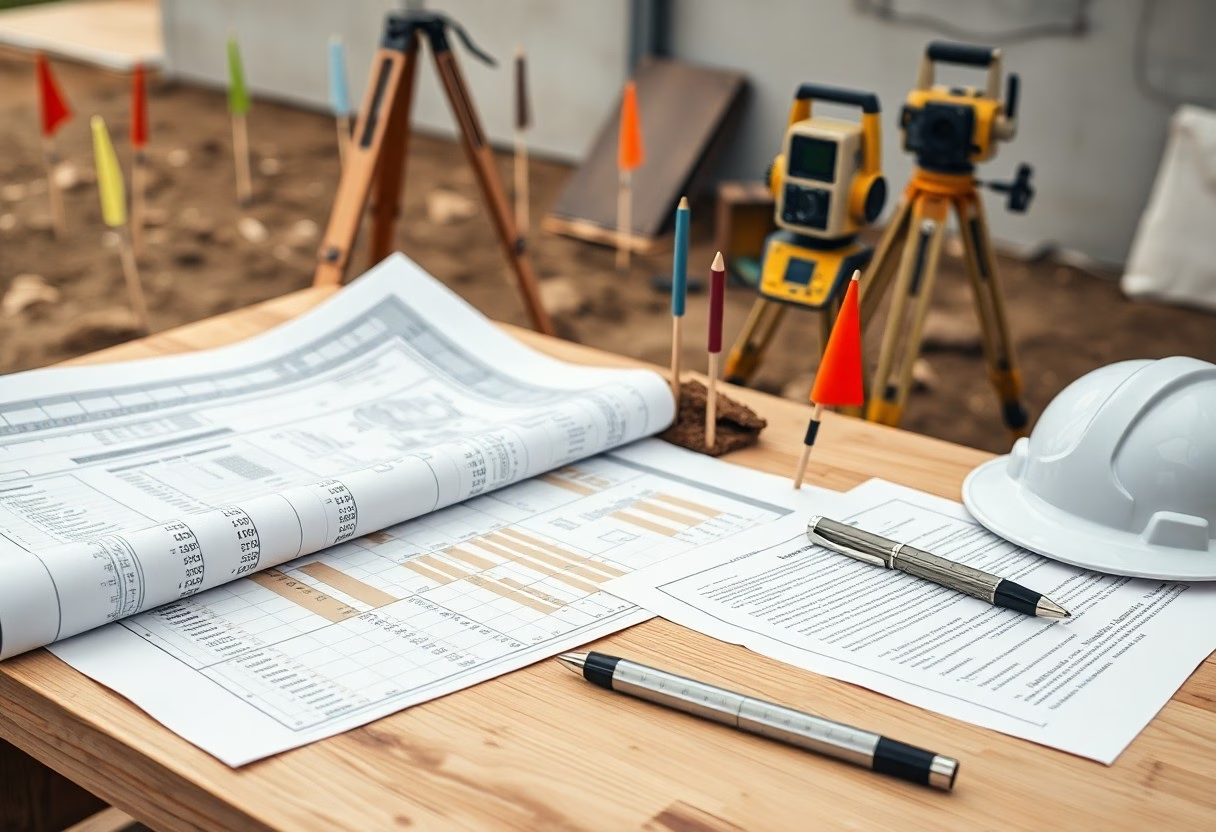
Start by verifying title, zoning, easements and access, and order a Phase I environmental assessment so you can identify contamination or floodplain risks before purchase and avoid costly surprises.
Establishing a Realistic Project Budget and Financing
Estimate hard and soft costs, include a 10-20% contingency, and confirm lending terms so you can cover overruns, escalation, and holding costs without stalling the project.
Build a detailed cost model that separates site work, structure, finishes, permits, and design fees so you see where money goes. You should factor in contingency, expected material escalation, allowances, and lender draw schedules; ask for phased cash-flow forecasts and contract clauses that limit your exposure to unexpected change orders.
Selecting and Vetting Architects, Engineers, and Contractors
Choose professionals with relevant experience, verify licenses and insurance, check references, and request sample budgets and schedules so you can judge reliability and fit for your project.
Interview candidates about past projects, subcontractor relationships, permitting success rates, and safety records so you can assess performance. Ask for three recent references, project photos, and sample contracts; watch for red flags like no proof of insurance, frequent change orders, or unresolved liens, and require clear warranty and payment terms before signing.
The Architectural Design and Blueprints Phase
Conceptual Design and Schematic Development
Design sketches and schematics give you the first tangible layout, usually taking 2-6 weeks, and let you make inexpensive changes before final documents start to lock in dimensions and systems.
Finalizing Construction Documents and Technical Specifications
Detailed construction documents and specifications turn schematics into buildable instructions, often taking 4-12 weeks, and missing details can cause costly delays during bidding or permitting.
Coordination between you, the architect, structural and MEP engineers, and consultants produces stamped drawings, energy reports, and a spec book; expect permit-ready sets, but allow extra time for engineering revisions and code reviews, since unresolved issues frequently trigger permit denials or costly change orders once construction begins.
Navigating the Permitting and Approval Process
Understanding Municipal Building Permit Timelines
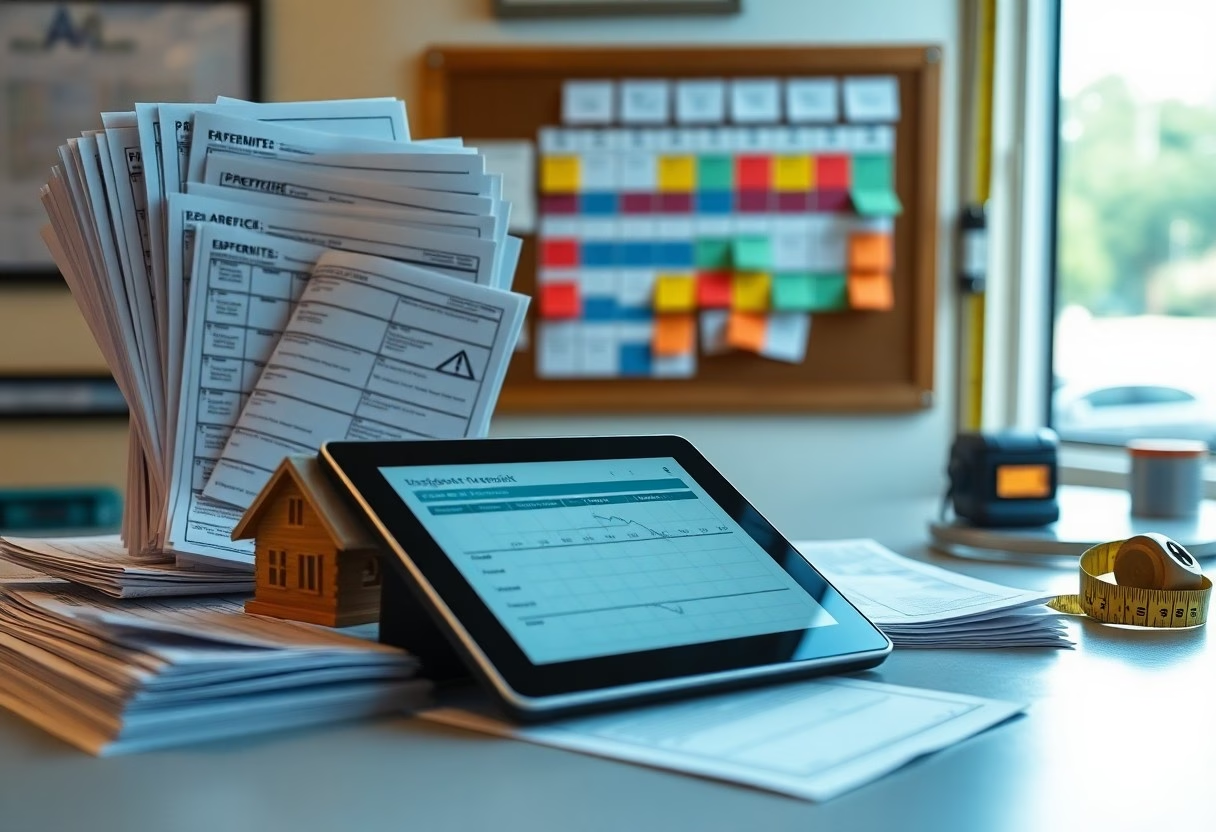
Permitting timelines vary by city; you should expect reviews from 2 weeks to several months, with revisions adding time. Check local review schedules and submit complete plans to reduce permit delays. See detailed estimates at How Long Does It Take to Build a House?.
Managing HOA Reviews and Zoning Variances
HOAs often require design submittals; you can face weeks of review and possible design changes. Prepare complete packages to avoid costly redesigns and get approvals faster.
Expect HOA reviews to focus on elevations, materials, and setbacks; you should meet the board early, provide high-quality renderings, and complete application packets to shorten review cycles. For zoning variances, you’ll attend public hearings where neighbors can object, which can lead to variance denials or conditions that increase costs and time. Hiring a planner or attorney and pursuing a pre-application meeting can be one of the fastest ways to resolve issues and set realistic timelines.
Site Preparation and Foundation Construction
Site preparation and foundation construction set the schedule for your project, requiring coordinated surveys, permits, utility hookups and heavy equipment sequencing; expect weather-related delays and soil instability to alter excavation windows and impact your framing start date.
Land Clearing, Grading, and Excavation Logistics
Clearing the lot removes vegetation and sets grading lines while you arrange utility locates and erosion controls; protected trees or unexpected subsurface conditions can trigger permit holds or extra excavation that extend timelines and costs.
Pouring the Foundation and Necessary Curing Periods
Pouring requires accurate formwork, reinforcement placement and immediate protection, with at least a 7-day initial cure and commonly a 28-day period before full structural loading to avoid cracking and strength loss.
Understanding the full pour sequence helps you avoid common failures: footings must be inspected and compacted, rebar tied and vapor barriers installed before concrete placement; you need to control temperature and moisture during the first days to prevent cold-weather freeze or heat-induced shrinkage. You should plan for form removal schedules, concrete testing and final inspection before applying loads-premature loading or poor curing can lead to long-term settlement or structural failure, increasing repair time and cost.
Structural Framing and Exterior Enclosure
Structural framing sets the schedule tone for the build: you watch walls and roof outlines rise within weeks while sheathing, house wrap and exterior components start protecting the shell from weather. Consult typical timelines at How Long Does It Take to Build a New House?
Vertical Construction: Framing Walls and Roof Trusses
Framing establishes your home’s skeleton: crews typically finish wall and roof truss erection in 1-3 weeks on an average lot, though size and weather can extend that schedule.
The “Dried-In” Milestone: Windows, Doors, and Roofing
Dried-In marks when windows, doors and roofing are installed so your interior is shielded from weather, allowing interior trades to proceed despite rain.
Once the house is dried-in, you can schedule insulation, HVAC rough-in and interior finishes without major weather risk; check flashing and sealant work closely because poor installation can cause long-term water intrusion and costly repairs. Coordinate inspections so your timeline stays on track and your budget avoids avoidable setbacks.
Mechanical Systems and Interior Finishing
Systems like plumbing, electrical, and HVAC move into focus during interior work; you should expect 3-8 weeks to coordinate trades, inspections, and material delivery, and you can follow a practical timeline at How Long Does It Take to Build a House? Timeline & Steps, with buffers for failed inspections or delayed shipments.
Rough-in Installations for Plumbing, Electrical, and HVAC
Pipes, wiring, and ducts are roughed in while framing is open; you coordinate plumbers, electricians, and HVAC techs, allowing time for pressure tests and electrical inspections. Typical duration: 1-3 weeks for an average home.
Interior Insulation, Drywall, and Surface Priming
Walls receive insulation and air-sealing before drywall; you confirm R-values and vapor barriers, then priming follows to improve finish adhesion and energy performance. Quality air sealing reduces drafts and long-term energy loss.
After insulation, drywall hanging, taping, mudding, and sanding produce the smooth planes you’ll paint; you should budget 2-3 weeks for installation and drying cycles, with complex ceilings or high humidity adding time. Poor taping or trapped moisture often causes rework that delays finishes and increases cost, so schedule inspections and adequate drying time.
Finish Carpentry, Cabinetry, and Final Aesthetic Touches
Trim, door casings, and cabinets are installed as painters and finishers coordinate; you’ll see the space take shape, but expect 2-4 weeks for cabinet set, countertop templating, and hardware fitment. Accurate templates prevent costly delays.
When finish carpenters set cabinets and millwork, you’ll need follow-up for countertop templates, appliance fits, and final caulking; coordinate painters, electricians, and tile crews to avoid rework. Poor sequencing can force costly adjustments, while timely coordination delivers the visual transformation you planned.
Final Inspections and Securing the Certificate of Occupancy
Permits and final inspections wrap up mechanical approvals; you schedule building, plumbing, electrical, and HVAC inspections and should expect 1-3 weeks for sign-offs depending on local availability. Certificate of Occupancy follows successful inspections.
Securing the Certificate of Occupancy requires punch-list completion, utility hookups, and any necessary re-inspections; you should allow extra time for municipal scheduling because a failed inspection can halt occupancy and add significant cost, while passing inspections lets you move in and close out construction.
Conclusion
So you should plan design and permitting over several months, expect construction of a typical home in 6-12 months, and allow 12-24 months overall for complex projects, with contingency time built into your schedule.
FAQ
Q: How long does it typically take to design and build a house from start to finish?
A: Typical total timelines vary widely by project type and location. Using pre-drawn plans with minimal changes, expect 3-6 months total; custom designs generally run 9-18 months for design and permitting plus 6-12 months for construction, producing a 15-30 month total; large or highly customized homes can take 24 months or more. Permit reviews, site complexity, and supply or labor shortages commonly shift schedules by weeks to many months.
Q: What are the main stages of the process and how long does each stage usually take?
A: Design and construction break into defined stages with typical durations: pre-design/site assessment 2-6 weeks; schematic design 2-8 weeks; design development 4-12 weeks; construction documents 4-12 weeks; permit review 4-12 weeks (longer in some jurisdictions); contractor selection/bidding 2-6 weeks; site preparation and foundation 2-6 weeks; framing 2-8 weeks; mechanical/electrical/plumbing rough-ins 4-8 weeks; insulation, drywall and interior prep 2-6 weeks; finishes and trim 6-12 weeks; final inspections and punchlist 1-4 weeks. Overlaps are possible when teams work in parallel, which can shorten the calendar time but requires coordination.
Q: How do permits, inspections, and local approvals affect the project timeline?
A: Permitting and inspections commonly create the largest uncontrollable schedule variability. Initial plan review often takes 4-12 weeks; required revisions can add another 2-8 weeks per review cycle. Homeowners association approvals or special permits (e.g., coastal or historical) add extra months. Inspection scheduling during construction can introduce delays if trades finish early or late, or if re-inspections are required. Projects in busy jurisdictions or with incomplete documents face the longest waits.
Q: What are the most common causes of delays and how much time can they add?
A: Common delay drivers and typical impacts include design changes (2-12+ weeks per major change), material lead times (2-20+ weeks for specialty items), weather and seasonal site access (weeks to months), unknown site conditions like poor soils or utilities (2-12 weeks), contractor or subcontractor availability (several weeks to months), permit/plan-review hold-ups (4-16+ weeks), and financing or owner decision delays (weeks to months). Multiple issues often stack, extending the schedule significantly.
Q: What practical steps speed up the design and build process without sacrificing quality?
A: Select pre-designed plans or limit major revisions; hire an experienced architect or design-build firm early to coordinate documents and permits; submit complete permit sets to reduce review cycles; order long-lead items (windows, HVAC, specialty fixtures) as soon as possible; lock finishes and material selections early to avoid last-minute changes; schedule overlapping work where safe (e.g., permit-ready envelope work vs. interior selections); choose contractors with verified capacity and local permit experience; maintain clear, timely decision-making and a contingency buffer for weather and supply variability.
Plan your phases and costs side by side with the free home renovation budget planner.