
Healing Architecture – Wellness and Relaxation Rooms
Healing architecture uses daylight, nature, materials, acoustics and layout to reduce stress and support recovery. The same ideas used in hospitals can create wellness and relaxation rooms at home. Here are the key elements and how to bring them into your own space.
Table of Contents
Key Takeaways:
- Natural light, soft colors and calming textures help a room feel restful.
- Bringing in nature, from plants to garden views, is one of the simplest ways to lower stress.
- A flexible room can host yoga, reading, meditation or a quiet chat, so it gets used every day.
The Concept of Healing Architecture
Definition and Principles
Healing architecture uses design to support well-being and relaxation. It leans on daylight, natural materials, quiet acoustics and calm colors to make a space easier on your body and mind. The core principles focus on the senses: what you see, hear, touch and smell. A strong connection to nature, through views, plants or materials, sits at the center of most healing spaces.
Historical Context
The roots of healing architecture go back thousands of years. Ancient Greeks visited temples of Asclepius, the god of medicine, where patients rested in quiet halls, bathed and slept in hopes of recovery. Roman baths combined exercise, warm and cold pools, and social time. Ideas about health and buildings have changed over the centuries, and today they shape how hospitals, clinics and spas are designed.
In the 19th century, Florence Nightingale argued that fresh air, daylight, quiet and cleanliness helped patients recover, and her ideas shaped hospital wards for decades. In 1984, researcher Roger Ulrich published a well-known study suggesting that surgery patients with a window view of trees recovered somewhat faster than those facing a brick wall. Biophilic design builds on these ideas today by bringing nature into buildings wherever possible.
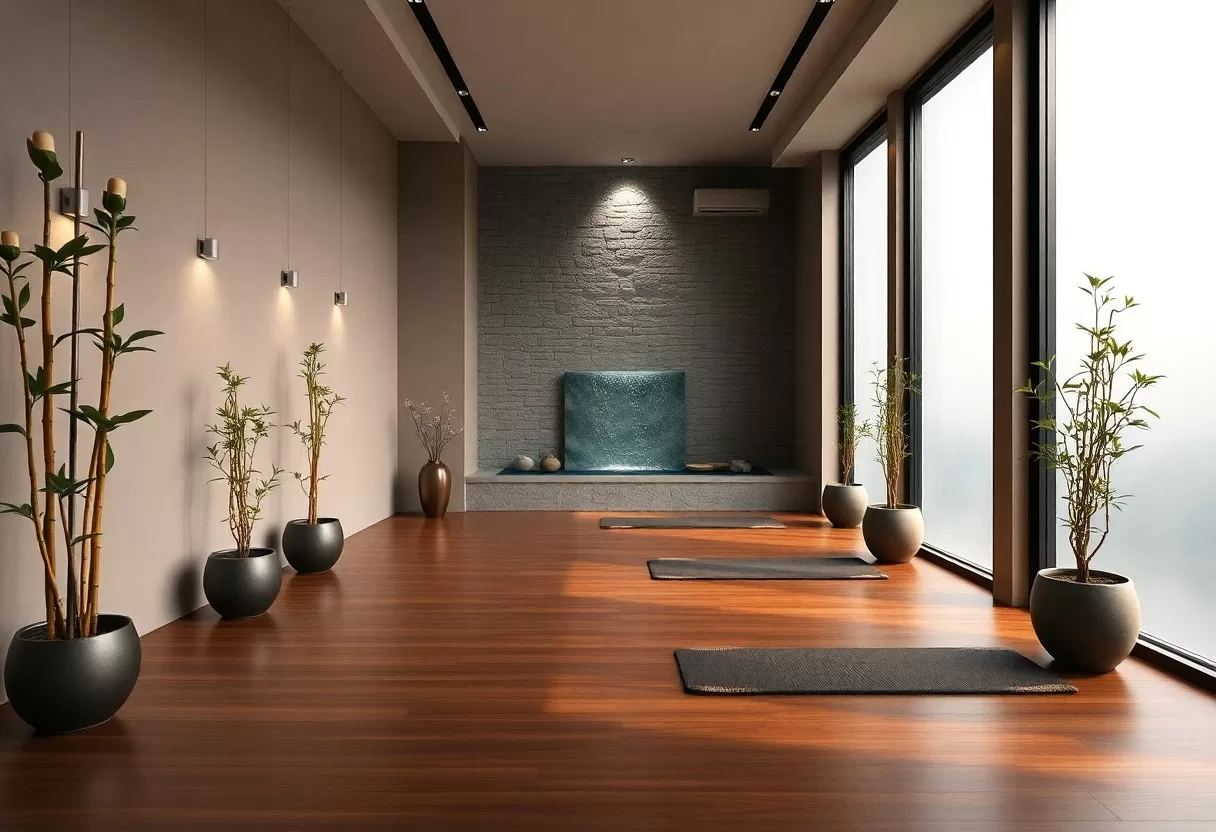
Importance of Wellness and Relaxation Rooms
A wellness or relaxation room gives you one place at home set aside for rest. It does not need to be big. A spare bedroom, a corner of your bedroom or even a large closet can work. What matters is that the space is quiet, comfortable and free of work and clutter, so stepping into it tells your mind to slow down. Over time, that habit makes it easier to unwind after a busy day.
Start by picking the spot. Look for the quietest room in the house, ideally away from the kitchen, TV and front door. A window with a pleasant view is a big plus. Then decide what you will do there: stretching and yoga need an open patch of floor of roughly 6 by 8 feet, while reading or meditation only needs a comfortable chair, a side table and good light.
Psychological Benefits
A calm room can help your mood. Having a quiet, uncluttered place makes it easier to practice breathing exercises, meditate or simply sit without your phone. Small touches matter: a view of a garden or tree, a soft sound like a small fountain, or a favorite scent can make the space feel inviting. Many people find that a few minutes in a room like this helps them think more clearly and feel less frazzled.
Physiological Benefits
Your body reacts to its surroundings, too. Quiet, softly lit rooms make it easier to slow your breathing and let your muscles relax. Practices such as slow breathing and meditation are widely used to ease physical tension, and a dedicated room makes them easier to stick with. Calming sounds or a gentle scent like lavender can help set the mood, as long as they suit you.
Contact with nature seems to be one of the strongest ingredients. Research on hospital patients and on time spent in green spaces has linked natural views and surroundings with lower stress, though results vary from person to person. You do not need a forest outside your window to benefit. Houseplants, a window box, natural wood and stone, or even good nature photography can bring some of that feeling indoors.
Key Elements in Designing Healing Spaces
Good healing spaces combine several design elements. Layout, acoustics, lighting, materials and nature all work together to make a room feel comfortable and calm. Think about the experience of the person using the room: where they sit, what they look at and what they hear. Plan your wellness room around those details and it will feel restful rather than just decorated.
Natural Light and Air Quality
Bring in as much natural light as you can, and keep the air quality good. Windows, skylights and light-filtering shades let daylight in without glare. Open a window when the weather allows, run a quiet exhaust fan or air purifier if needed, and avoid harsh cleaners or smoky candles. For evenings, use warm white bulbs around 2700 K on dimmers, and skip bright overhead lights.
Sound control is just as important. Soft surfaces such as a thick rug, upholstered chairs, curtains and fabric wall panels absorb echo. A solid-core door and a door sweep keep household noise out. If you cannot block outside sound completely, a small fountain or a white noise machine can mask it with something gentler.
Materials and Color Psychology
Your choice of materials and your use of color psychology shape how the room feels. Natural materials like wood, stone, linen, wool and cotton feel warm and grounded. Soft blues, greens and muted earth tones are widely seen as calming, while bright, saturated colors tend to feel energizing. Pick the shades that relax you personally, since reactions to color vary a lot.
When choosing materials, look for natural, low-VOC options: solid or FSC-certified wood, wool rugs, cotton and linen fabrics, and low-VOC paints and finishes that give off fewer fumes. For color, warm neutrals like oatmeal, sand and soft clay make a room feel welcoming, while cool tones like sage and pale blue feel quieter. Keep patterns simple and limit the palette to three or four colors so the room stays easy on the eyes.
Examples of Healing Architecture
Healing architecture has changed how many hospitals, clinics and spas look. Designers now focus on natural materials, plenty of daylight and soft colors, and they often add water features, indoor gardens and calm soundscapes. These ideas translate well to homes. A small tabletop fountain, a cluster of plants by the window or a playlist of nature sounds can bring the same effect to your wellness room.
Case Studies of Successful Wellness Rooms
Looking at where these ideas are already in use helps you see what works. The examples below are common types of wellness spaces, each built around one or two key features you can borrow for your own room.
- Hospital healing garden: a walled garden with seating, shade and paths gives patients and staff a quiet place to step outside.
- Spa relaxation room: dim lighting, warm wood, reclining chairs and soft music help guests rest between treatments.
- Biophilic patient room: large windows facing trees, natural wood finishes and plants bring nature to the bedside.
- Home meditation nook: a corner with a floor cushion, a plant and a window seat makes a daily practice easy.
Innovations in Architectural Design
Recent design trends tie wellness spaces more closely to nature and technology. Smart technology lets you adjust lighting and temperature to suit your mood. Sustainable materials make spaces healthier and easier on the planet. Modular structures, such as prefab garden studios, offer a way to add a separate retreat without a major build. Good acoustic design, with sound-absorbing panels and quiet ventilation, keeps noise down so the room stays calm.
Integrating Technology in Wellness Spaces
In a wellness room, technology works best when it stays in the background. Automated lighting, a small speaker for soundscapes and a smart thermostat let you set the room the way you like it with one tap or a schedule. Keep screens out of sight, and turn off notifications on any device you bring in. The goal is a room that feels simple, even if smart tools run it.
Smart Design for Relaxation
Smart design in wellness spaces pairs eco-friendly materials with practical features that support rest. A light therapy lamp can help some people on dark winter mornings, adjustable acoustic panels let you tune the sound, and biophilic touches like plants and wood keep the room grounded. Every piece should serve rest or comfort; if it does not, leave it out.
Digital Solutions for Enhanced Wellbeing
Digital tools can support your wellness routine. Apps can guide meditation and breathing exercises, track sleep or remind you to take a break. Wearable technology such as fitness watches can show how well you slept or how active you were, and some people enjoy virtual reality nature scenes for short relaxation sessions. Use them as helpers, not as another source of screen time.
Choose digital tools that fit your needs. Mood journals, breathing apps with real-time feedback and simple biofeedback devices can help you notice how your body responds to stress. Telehealth visits let you talk with a professional from home. Set up a small charging spot outside the room so devices do not pull at your attention when you want to rest. That way your wellness room stays a place to recharge, not a second office.
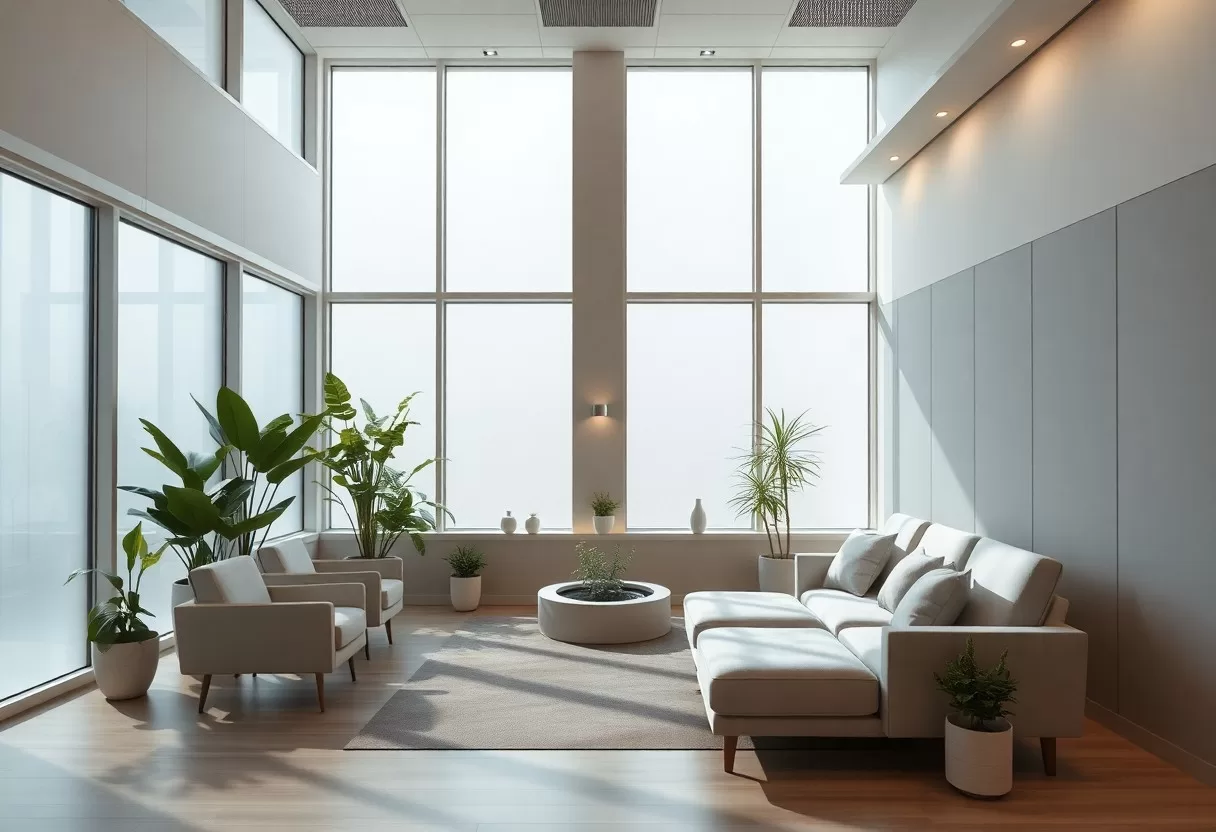
Challenges in Implementing Healing Architecture
Putting healing architecture into practice comes with challenges. Budgets are often tight, design has to work alongside practical needs, and large institutions can be slow to change. At home, the hurdles are usually smaller: limited space, noise from the rest of the house and the temptation to let the room fill up with clutter. Planning ahead helps you avoid most of them.
Budget Constraints
Budget is often the biggest barrier to healing architecture, at home and in larger buildings. Skylights, custom woodwork and soundproofing add up fast. Start with the changes that matter most and cost least: declutter, add warm lighting and dimmers, bring in plants and a comfortable chair, and hang heavy curtains. You can add bigger upgrades later, one at a time, as your budget allows.
Balancing Aesthetics with Functionality
Balancing beauty with function is another ongoing challenge in healing architecture. A room can look calm in photos and still be uncomfortable to use. In hospitals, design has to meet strict safety and cleaning standards. At home, think about practical needs: a chair that supports your back, storage for blankets and mats, outlets where you need them and a floor that is easy to clean.
Think about large windows, for example. They bring in daylight and views, which help a room feel relaxing, but they can also let in heat, glare and prying eyes. Light-filtering shades, low-E glass and plants on the sill solve most of these problems. The same goes for materials: sustainably sourced wood and natural fabrics look good and help keep indoor air healthier. With some thought, healing architecture can be both beautiful and practical.
Final Words
The way you design a wellness room has a real effect on how you feel in it. Natural light, soft colors, quiet and a touch of nature make it easier to rest and recharge. Bring the ideas of healing architecture into your home one step at a time, starting with a quiet corner and a comfortable chair. Notice what helps you relax, and build the room around it.
Box breathing: a 2-minute reset
Follow the circle: breathe in, hold, breathe out, hold — 4 seconds each. Four to six cycles calm the nervous system.
FAQ
Q: What is Healing Architecture?
A: Healing architecture is an approach to designing spaces that support rest, comfort and recovery. It relies on plenty of natural light, calm color palettes, good acoustics, fresh air and views of or contact with nature, ideas that first took hold in hospitals and are now used in homes.
Q: What features are included in Wellness and Relaxation Rooms?
A: Wellness and relaxation rooms usually include comfortable seating or a daybed, natural materials like wood, stone and linen, dimmable warm lighting, a few plants and good sound insulation. Keeping clutter and screens out of the room helps it stay a calm place to unwind.
Q: How does the design impact mental health?
A: Design can influence how relaxed or stressed you feel. Daylight, quiet, comfortable temperatures and a tidy, uncluttered room can help lift mood and make it easier to unwind, while noise and harsh lighting tend to do the opposite. A well-planned room supports good habits like rest and mindfulness, but it is not a substitute for professional care.
Q: Can Healing Architecture be applied in residential settings?
A: Yes, healing architecture works well at home. You can apply it through better daylight, soft warm lighting in the evening, calming colors, natural materials, plants and a dedicated quiet corner for rest or meditation.
Q: What role does nature play in Healing Architecture?
A: Nature is central to healing architecture because contact with the outdoors helps people feel calmer. Large windows with green views, indoor plants, natural materials and easy access to a garden, balcony or patio can make a room feel more restful and help reduce everyday stress.
Plan a wellness room in the free 3D room designer.
Related Guides
