
French Country Interiors – Romantic Rustic Elegance for Modern Living
There’s a way you can blend rustic charm and refined comfort to create French Country Interiors that suit modern living: embrace distressed wood, soft linen and muted pastels while balancing scale and function. To keep your space authentic and safe, avoid overcluttering and ensure proper lighting and ventilation; mix warm antiques with clean-lined modern pieces and prioritize durable finishes and clear circulation so your home stays romantic yet practical.
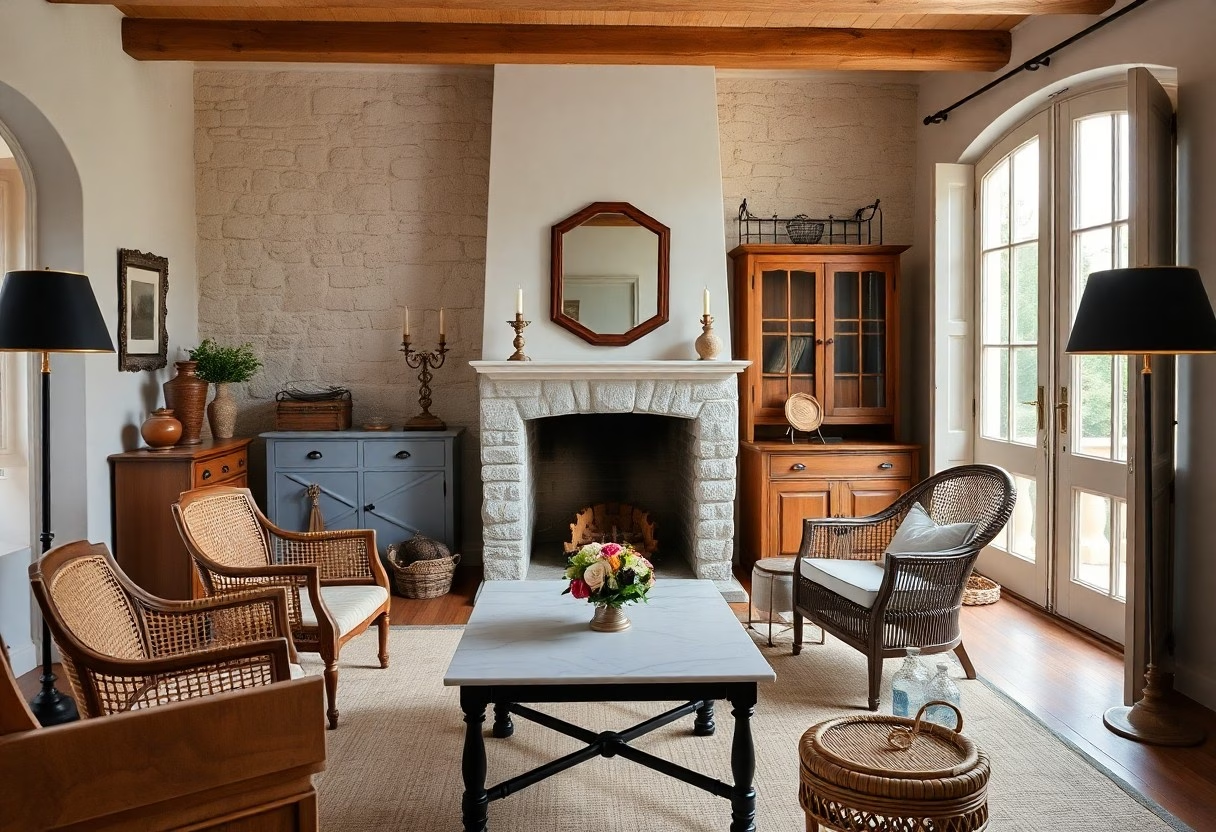
Key Takeaways:
- Blend of rustic and refined: natural materials, distressed finishes, and antique pieces create warm, lived-in elegance.
- Romantic textiles and details: layered linens, florals, toile, and soft color palettes add femininity and gentle patterning.
- Modern livability: contemporary lighting, efficient layouts, and smart storage integrate functionality without losing vintage charm.
Foundations of French Country Style
You’ll recognize the foundation in proportion, texture and weathered materials from 17th-18th century rural Provence and Normandy; exposed beams, limewash walls and terracotta floors set the tone. Combine 8-12-inch reclaimed oak beams with a 4-8-inch limestone mantel and 10-12-inch terracotta tiles to achieve authentic scale. Layer slipcovered seating and painted antiques so rooms read lived-in yet deliberately elegant, with aged patina as the defining visual thread.
Architectural cues: beams, mantels, stone
You should specify exposed beams 8-14 inches wide-reclaimed oak is common for its patina-and pair them with limestone mantels 4-8 inches thick to frame fireplaces. Solid stone walls add thermal mass, improving year-round comfort by up to 30% in traditional masonry rooms. If you remove plaster or insert structural beams, hire a structural engineer to verify load paths and avoid hazardous failures.
Core materials: wood, limestone, plaster
You’ll favor species like oak or chestnut for floors and beams because they harden with age; opt for regional limestone (Burgundy, Languedoc) for mantels and hearths to achieve warm cream tones. Choose lime plaster over gypsum for breathability and compatibility with limewash finishes. Apply plaster in 2-3 thin coats totaling about 6-12 mm to mirror historic technique and ensure adhesion.
Focus on moisture control: lime plaster’s porosity lets walls dry and can cut mold risk by roughly 50% versus impermeable paints. For flooring, specify 16-22 mm solid oak or reclaimed wide planks (180-300 mm) nailed to joists for longevity. When sourcing limestone, pick blocks with moderate porosity and 2-4% fossil content for consistent aging and easier tooling on-site.
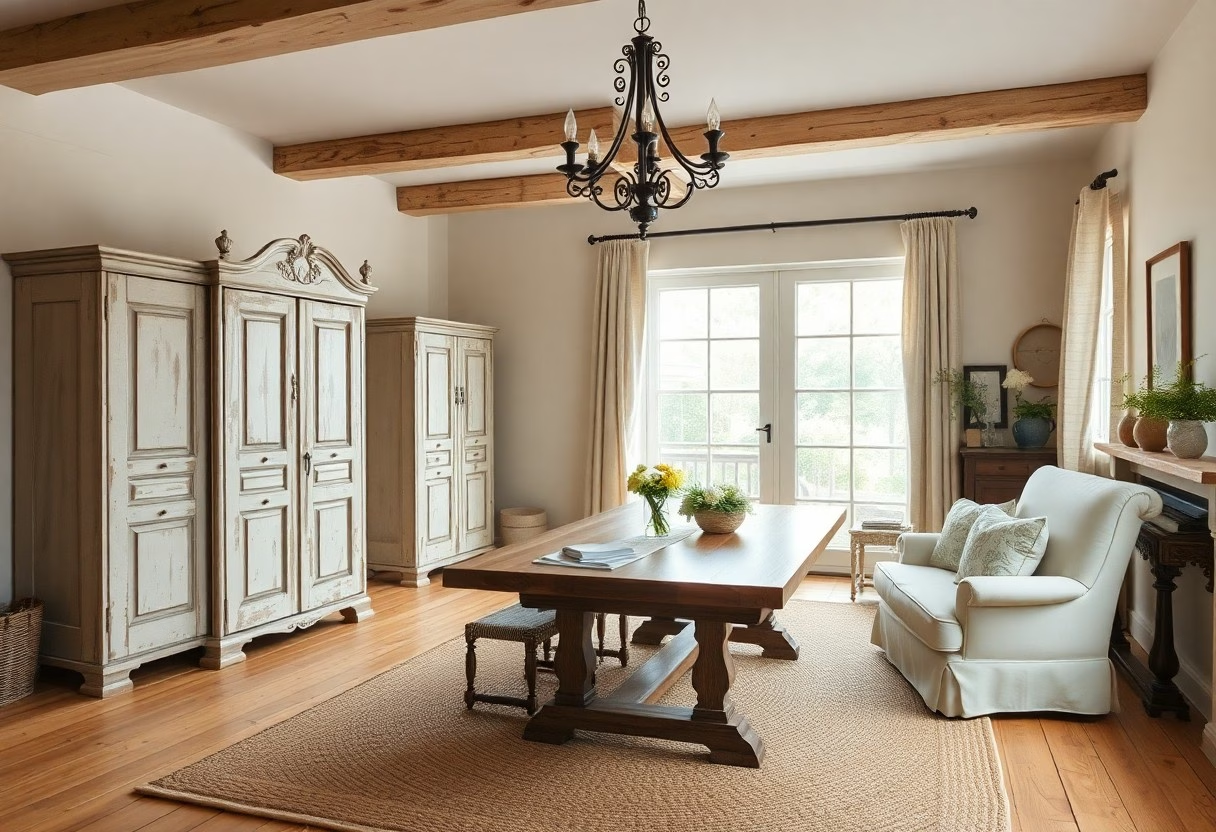
Color, Pattern & Textiles
You anchor rooms with a palette and fabrics that balance rustic warmth and refined detail. Apply a 60:30:10 rule-60% soft neutrals, 30% warm accents, 10% faded blue or patterned focal points. Mix textures like washed linen, braided jute, and aged oak to add depth; use natural fibers (linen, wool, cotton) for authenticity. Keep bold color and pattern to accents so the space reads layered, not cluttered, and limit patterns to 2-3 scales per room to avoid visual chaos.
Soft neutrals, warm accents, faded blues
Begin with warm creams, oatmeal, and pale taupe as your base, then introduce terracotta or mustard for warmth and faded blues drawn from Provençal ceramics as your highlight. Use the 60:30:10 split-60% neutrals, 30% warm accents, 10% blue pops-and favor matte or limewash finishes to catch light. Choose 100% linen or washed cotton for upholstery and window treatments so surfaces age gracefully and feel lived-in.
Toile, stripes, florals, layered linens
Toile, stripes, and florals become your signature vocabulary: toile for story-driven focal points, stripes for structure, florals for softness. Use toile sparingly-on a headboard, lampshade, or accent wall-and balance it with narrow stripes or small-scale florals. Aim for no more than 2-3 different patterns in a room and rely on layered linens (sheets, duvet, throws) to harmonize motifs and add tactile warmth.
When you mix toile with stripes and florals, control scale: pair a large toile (pattern repeat 24-30 inches) with narrow stripes (4-6 inches) and a medium floral (12-18 inches). Keep strong patterns to two primary fabrics and add a neutral textured third-washed linen or hemp-to give the eye rest. For durability choose heavier textiles for upholstery (around 12-18 oz/yd) and lighter weights for curtains (6-9 oz) to maintain drape. Always test samples on a 3×3 foot section to judge color, scale, and how natural light alters the interplay before committing.
Furniture, Layout & Scale
Scale is everything: pair a 200-220 cm three-seat sofa with low, rounded bergères to keep sightlines and the room feeling airy. Aim for clear pathways of 75-90 cm (30-36 in) and coffee-table-to-sofa gaps of 30-45 cm so movement and conversation flow naturally. Mix a substantial antique armoire with lighter, modern pieces to avoid heaviness, and size rugs to anchor zones-one 160×230 cm rug won’t ground a large seating group.
Provençal pieces: patina, curves, scale
Seek Provençal pieces in fruitwood or painted pine with a soft patina-oxidation and worn edges signal age and authenticity. Look for cabriole legs, bombe fronts and carved rosettes; a typical buffet spans 120-180 cm, which pairs well with a 3-seat sofa. If joints are loose or there’s insect damage, treat as repair-needed and factor in restoration costs rather than buying an unsafe piece.
Practical layouts for modern living
In an open-plan living area, define zones with rugs: a 200×300 cm rug for the main seating and a 160×230 cm rug for a reading nook. Place the TV at a distance of about 2.5-3.5× the screen diagonal to avoid tight viewing lines, and keep circulation paths at 75-90 cm. Use a 180-200 cm dining table for six to balance scale between kitchen and living spaces.
For added flexibility, incorporate multifunctional Provençal pieces: a 180 cm refectory table on casters doubles as island workspace, while a painted chest can conceal media equipment and offer hidden storage. In rooms under 30 m², configure three zones (dining, seating, work) using furniture rather than walls, and choose seating with 45 cm seat height to match contemporary dining and sofa standards.
Kitchens & Dining: Rustic Romance
Kitchens blend rough-hewn textures and soft hues to create romantic rustic elegance you can enjoy daily; see 36 French Country Living Room Ideas That Embody Rustic … for visual cues.
Farmhouse cabinetry, open shelving, islands
Cabinetry pairs painted finishes and beadboard with islands you can use for prep and seating; open shelving showcases heirlooms, so you should guard against dust and clutter with baskets and designated zones.
Informal dining, tablescapes & storage
Dining nooks favor worn tables and mixed chairs so you can host relaxed meals; combine linens, simple centerpieces and ample concealed storage for a tidy, inviting setting.
Use a table sized for traffic flow and choose hardwood or painted finishes that patina with time; you can layer linen runners, mismatched china and a low floral centerpiece to keep sightlines clear, and rely on a sideboard or hutch with lockable drawers for glassware-avoid candles near fabrics to reduce fire risk.
Lighting, Accessories & Art
You should layer lighting-ambient, task and accent-with at least three light sources per room, using warm 2700-3000K bulbs to preserve the golden French-country glow. Use dimmers to shift mood from day to evening, position mirrors to amplify natural light, and treat antiques gently: fragile antiques need stable hanging and soft LED bulbs to avoid heat damage.
Vintage chandeliers, mirrors, sconces
You can anchor a room with a 1920s French crystal chandelier or a large gilt mirror (36×48 in) and flank windows with 3-arm brass sconces for balanced light. Swap incandescent for LED filament bulbs (4-6W) to maintain sparkle while cutting energy. Install dimmer switches and have old wiring inspected before rehanging heavy fixtures to avoid electrical hazards.
Curated accessories: baskets, ceramics, art
You can use woven seagrass baskets (14-18 in diam.) for pantry and entry storage, display hand-thrown Provençal ceramics on open shelving, and hang original oils or vintage botanical prints in 18×24-inch frames to add patina. Combine textures-wood, linen, clay-and stick to a restrained palette of 2-3 muted tones so your accessories read cohesive rather than cluttered. Original art elevates an otherwise simple vignette.
You should group accessories in odd numbers-3 or 5 pieces-to create rhythm; for shelving, arrange objects in layers with heights from 6 to 18 inches and leave negative space. Hang gallery walls with the center at roughly 145 cm from the floor, use acid-free backing for prints, and wrap fragile ceramics in tissue and foam when you store them to prevent chips. Rotate seasonal items twice a year to keep your displays fresh.
Modern Adaptations & Sustainability
You can marry rustic charm with modern performance by combining antique beams and toile with Energy Star appliances, LED lighting (uses ~75% less energy), and smart thermostats; practical layouts and finish ideas are easy to find in 75 French Country Living Room Ideas You’ll Love. Prioritize neutral palettes, mixed metals, and multi-use zones so the aesthetic stays romantic while your home runs more efficiently.
Mixing contemporary elements and technology
You should hide wiring in crown moulding or behind baseboards, specify recessed speakers and in-wall TV mounts, and add motorized shades and dimmable smart lighting to preserve sightlines; include USB outlets and wireless charging pads in side tables for modern convenience without betraying the vintage look.
Durable, eco-friendly materials & maintenance
You can choose reclaimed wood, FSC-certified oak, bamboo (regrows in 3-5 years) or cork floors, low-VOC paints, and natural stone sealed with penetrating sealers; pair those with stain-resistant performance fabrics (Sunbrella, Crypton) to keep the French country feel while reducing waste and VOC exposure.
For upkeep, plan simple schedules: seal natural stone every 1-3 years, oil or wax unfinished wood every 6-12 months, and use pH-neutral cleaners to protect finishes. Specify epoxy grout or sealed grout on high-traffic floors to limit staining, install a dehumidifier or HRV/ERV to control moisture (reducing mold risk), and favor certified materials (FSC, GREENGUARD) so your choices deliver long life and lower indoor pollutants.
Final Words
Taking this into account, you can embrace French country interiors by balancing romantic, rustic elements with modern functionality-soft, muted palettes, weathered wood, linen and distressed finishes combined with clean lines, efficient layouts and contemporary comforts. Use layered textiles, vintage accents and purposeful lighting to create warmth and character while ensuring your space supports everyday living, so your home feels timeless, lived-in and effortlessly refined.
FAQ
Q: What defines French Country interiors and how does that translate to modern living?
A: French Country interiors combine rustic, timeworn elements with soft, romantic details: weathered wood, hand-painted finishes, curving furniture silhouettes, and a palette of warm neutrals with muted pastels. For modern living, emphasize functionality and comfortable scale-open layouts, durable upholstery, layered lighting, and integrated storage-while keeping the signature mix of natural materials (linen, stone, wood) and vintage accents to preserve the style’s relaxed, lived-in elegance.
Q: How can I mix rustic French elements with contemporary pieces without creating visual conflict?
A: Start with a neutral base (creams, soft grays) and introduce modern pieces as deliberate focal points-a sleek sofa, a glass coffee table, or a contemporary light fixture. Maintain cohesion by repeating materials or colors (brushed metal, warm wood tones, muted blues) and balancing scale so no single item overwhelms the room. Layer textures-distressed wood, linen, wool-and anchor the space with one or two antiques or vintage-inspired pieces to keep the romantic character while allowing modern comforts and clean lines.
Q: What practical choices for color, textiles, and accessories create a romantic yet livable French Country room?
A: Choose a soft, sun-faded palette: warm cream, taupe, faded blue, lavender or blush as accents. Opt for durable natural textiles-linen slipcovers, cotton ticking, braided wool rugs-and mix small-scale florals or toile with stripes to avoid pattern overload. Select washable or removable covers for high-use furniture, use area rugs to protect floors, and favor functional accessories like baskets and storage benches. Finish with layered lighting (ambient, task, accent), mirrors and chandeliers for romance, and fresh flowers or potted greenery for an authentic, lived-in feel.