
Energy-Efficient Heating and Cooling Strategies for Your Home
Most of us want a home that is comfortable and cheaper to run, and energy efficient heating and cooling is where those two goals meet. With energy prices rising, a few upgrades to how you heat and cool can pay off every month. This post covers practical ways to make the heating and cooling in your home more efficient, so you stay comfortable all year round.
Key Takeaways: Energy Efficient Heating and Cooling
- Energy efficient heating and cooling starts with insulation and sealing.
- Heat pumps are among the most efficient systems.
- Smart thermostats and zoning cut waste.
Table of Contents
Introduction
Heating and cooling account for roughly half of the energy used in a typical US home, so this is where efficiency upgrades pay off most. Energy costs keep rising, and many homeowners also want to cut their carbon footprint. The good news is that efficiency does not mean living in a cold house in winter or a hot one in summer. It means using building science, good equipment and a few smart habits so you stay comfortable while using less energy.
1. Understanding the Basics of Energy-Efficient Heating and Cooling
Before looking at specific strategies, it helps to know what energy efficient heating and cooling actually means. Put simply, it is reaching the temperature you want with the least energy possible. You get there in three ways: keep heat where it belongs with a tight, well-insulated house; use efficient equipment; and run that equipment wisely. Start with the house itself, because even the best furnace wastes money if warm air leaks out through the attic.
a. The Role of Insulation
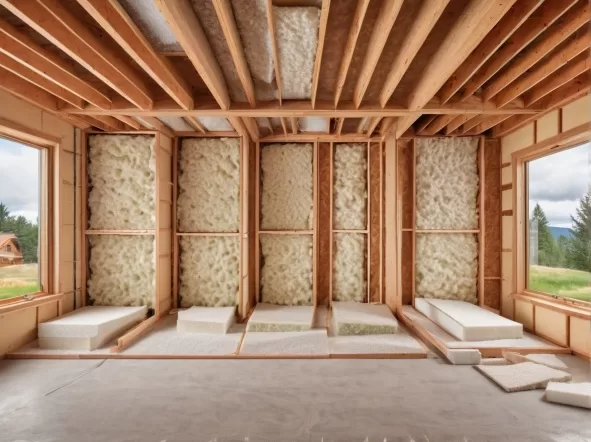
Insulation does much of the quiet work in an efficient home. Good insulation in your attic, walls and floors over unheated spaces slows the flow of heat between inside and outside, so your heating system runs less in winter and your air conditioner runs less in summer. The attic is usually the best place to start: if you can see the tops of the floor joists, you probably need more. Check the Department of Energy’s recommended R-values for your climate zone before you add any.
b. The Impact of Windows and Doors
Windows and doors are often weak spots in your home’s thermal envelope. Double- or triple-pane windows with low-e coatings cut heat loss in winter and heat gain in summer. New windows are a big expense, though, so start with cheaper fixes. Weatherstripping, caulk around frames and door sweeps stop drafts for very little money. On a windy day, hold a lit incense stick near window frames and outlets; where the smoke wavers, air is leaking.
c. Smart Thermostats: A Game Changer
Smart thermostats make it easy to save energy without thinking about it. They learn your schedule or follow one you set, lowering the temperature when you are asleep or away and bringing it back before you wake up or come home. The Department of Energy estimates that turning your thermostat back 7 to 10°F for about eight hours a day can save up to around 10% a year on heating and cooling. Many models also send filter reminders and usage reports, so you can spot waste.
2. Heating Strategies for an Energy-Efficient Home
When it comes to heating, the right system and settings can make a real difference to both your comfort and your utility bills.
a. Heat Pumps: The Ultimate Efficiency
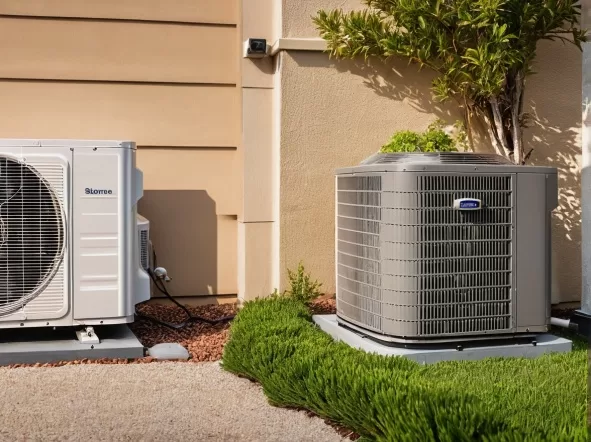
Heat pumps are among the most energy-efficient heating options available. They move heat instead of creating it by burning fuel, so they can deliver more heat energy than the electricity they use. In winter they pull heat from the outside air, even on cold days, and bring it inside. In summer the process reverses, and the heat pump works as an air conditioner. Modern cold-climate models handle much lower temperatures than older units, so they are now an option in many northern regions.
A heat pump usually costs more upfront than a basic furnace, but lower energy use can offset part or all of the difference over its life, especially if you are replacing electric baseboard or oil heat. Check for local utility rebates and tax incentives, and get quotes from installers who do a proper load calculation for your house.
b. Radiant Floor Heating
Radiant floor heating is a comfortable and efficient option. It circulates warm water through tubes in the floor, or uses electric mats under the flooring. Heat spreads evenly across the room, so there are fewer cold spots, and because warmth comes from below, many people feel comfortable at a slightly lower thermostat setting. Water-based systems suit whole houses, while electric mats work best in small areas like bathrooms.
c. High-Efficiency Furnaces and Boilers
If you prefer a traditional system, choose a high-efficiency furnace or boiler. Look at the Annual Fuel Utilization Efficiency (AFUE) rating, which tells you how much of the fuel becomes usable heat. Condensing gas furnaces typically reach 90% AFUE or more, while older units can be far lower. Pair any system with a smart thermostat to get even more out of it.
3. Cooling Strategies for an Energy-Efficient Home
As summers get hotter, efficient cooling matters more each year.
a. Air Conditioning Systems: Efficiency is Key
Central air conditioning can use a lot of electricity, but newer high-efficiency models help. Look for a high SEER or SEER2 rating (Seasonal Energy Efficiency Ratio), which compares cooling output to the energy used. Higher-rated units cost more upfront but use less electricity and save money over time. Size matters too: an oversized unit cycles on and off too often, which wastes energy and leaves the air feeling clammy.
b. Natural Ventilation: Harnessing the Power of Nature
Natural ventilation cools your home without using any energy. Open windows on opposite sides of the house to create a cross-breeze, especially in the cooler evening and night hours, then close them and the blinds before the day heats up. Ceiling fans help too. Set them to spin counterclockwise in summer; the breeze makes a room feel cooler, so you can raise the thermostat a little. Turn fans off when you leave the room, since they cool people, not air.
c. Reflective Roofing and Shading Solutions
One of the best strategies is to stop heat from getting in at all. Reflective or light-colored roofing bounces more of the sun’s energy away, which lowers cooling needs, especially in hot, sunny climates. Shades, blinds and exterior awnings block sun on east- and west-facing windows, where morning and afternoon sun is hardest to control. Exterior shading works best because it stops the heat before it reaches the glass.
4. Comprehensive Strategies for Year-Round Energy Efficiency
Combining heating and cooling strategies into one plan keeps you comfortable all year and avoids wasted energy.
a. Zoning Systems: Tailored Comfort
Zoning systems divide your home into areas, each with its own thermostat. You heat or cool only the rooms you use, which avoids wasting energy on empty spaces. For example, you can let bedrooms drift warmer or cooler during the day and keep them comfortable at night, while doing the opposite in living areas. Zoning works especially well in two-story homes, where upstairs rooms tend to run warmer than the ground floor.
b. Regular Maintenance: A Key to Longevity and Efficiency
Regular maintenance keeps your system running efficiently. Check air filters monthly and replace them at least every three months, or more often if you have pets. Keep outdoor units clear of leaves and plants, and have a professional tune up the furnace in fall and the air conditioner in spring. Skipping maintenance leads to higher energy use, a shorter equipment life and costly repairs.
c. The Role of Landscaping in Energy Efficiency
Your landscaping can also affect your home’s energy use. Trees and shrubs planted in the right spots shade the house in summer and block cold winds in winter. Deciduous trees on the south and west sides are especially useful: they provide shade in summer, then drop their leaves so winter sun can warm your home. Evergreens on the north side make a good windbreak. Keep shrubs a few feet away from walls and outdoor AC units so air can flow.
Heating & cooling savings calculator
Pick the upgrades you are considering and see how much they could cut your yearly energy bill.
Conclusion
Overall, energy efficient heating and cooling is more than a trend. It is a smarter way to think about home comfort and sustainability. Seal and insulate first, choose efficient equipment when it is time to replace, and use thermostats, fans and shading wisely. Do that, and you get a home that stays comfortable year-round and is kinder to your wallet and the planet. Pick one upgrade this season and build from there.
Calculate the payback of an HVAC upgrade with the energy efficiency savings calculator.
Frequently Asked Questions
What is the most energy-efficient heating system?
Heat pumps, especially ground source and modern air source models, are among the most efficient options because they move heat instead of generating it.
How can I lower heating and cooling costs without replacing my system?
Seal air leaks, add insulation, use a smart thermostat, maintain filters and shade windows in summer. These steps often save more than an equipment upgrade.
Related Guides
