
Innovative Home Design Solutions for Eco-Conscious Living
Climate change and rising energy costs have pushed many homeowners to rethink how their houses are built and run. You probably want a home that’s comfortable and good-looking, but you also want it to be easy on the planet and on your monthly bills. That’s where ecological home design comes in. It isn’t a passing trend; it’s a practical way to build and live. In this post, we’ll walk through design solutions for eco-conscious living that you can apply to a new build or a renovation.
Key Takeaways: Ecological Home Design
- Ecological home design reduces energy, water and material impact.
- Air sealing and insulation give the biggest savings.
- Renewables and smart systems complete the picture.
Introduction to Ecological Home Design
Ecological home design means creating a home with as little impact on the environment as possible. It goes beyond buying efficient appliances or recycling. It looks at the whole life of the house, from the materials used to build it to the energy that powers it and what happens to it decades from now. The goal is a smaller carbon footprint and a better daily life for the people who live there.
As we look at each part of eco-friendly design, keep in mind that every building choice adds up. A material, a window or a water fixture might seem small on its own, but together they shape how much energy and water your home uses for decades. Whether it’s a new build or a renovation, the ideas below can help you create a home that looks good and works sustainably.
1. Sustainable Building Materials
Any ecological home design starts with the materials. Conventional materials like concrete and steel carry a large carbon footprint because making them takes a lot of energy. The good news is that there are plenty of sustainable alternatives that can lower your home’s footprint. When comparing options, look at where the material comes from, how far it travels, how long it lasts and whether it can be reused or recycled later.
Bamboo is a popular choice. It grows quickly, needs little water and is usually grown with few pesticides, which makes it a renewable resource. You’ll see it in flooring, cabinets and some structural products. Choose products with low-formaldehyde adhesives, since some bamboo flooring uses glues that can off-gas. Recycled steel is another option for framing. Using recycled steel cuts the need for new steel production, which is a major source of greenhouse gas emissions.
Rammed earth has been used for centuries in many parts of the world. Builders compact a damp mix of earth, gravel and often a little cement into thick, solid walls. The walls use mostly local, natural materials and provide strong thermal mass, which soaks up heat during the day and releases it at night. That steadies indoor temperatures and reduces heating and cooling needs, especially in climates with big day-night temperature swings.
Eco-friendly insulation options, such as sheep’s wool, cotton (often made from recycled denim) and cellulose (made from recycled paper), are becoming more common. They keep heat where you want it, which cuts energy use, and they avoid many of the chemicals found in some conventional products. Whatever type you choose, proper installation matters as much as the material. Gaps and compressed batts can cut performance noticeably.
2. Energy-Efficient Systems
Energy efficiency is at the center of eco-friendly design. The less energy a home needs, the less it depends on fossil fuels, a major source of greenhouse gas emissions. Start with the building shell: air sealing and good insulation usually give the biggest savings for the money. After that, efficient systems and appliances are an essential next step toward an eco-friendly home.
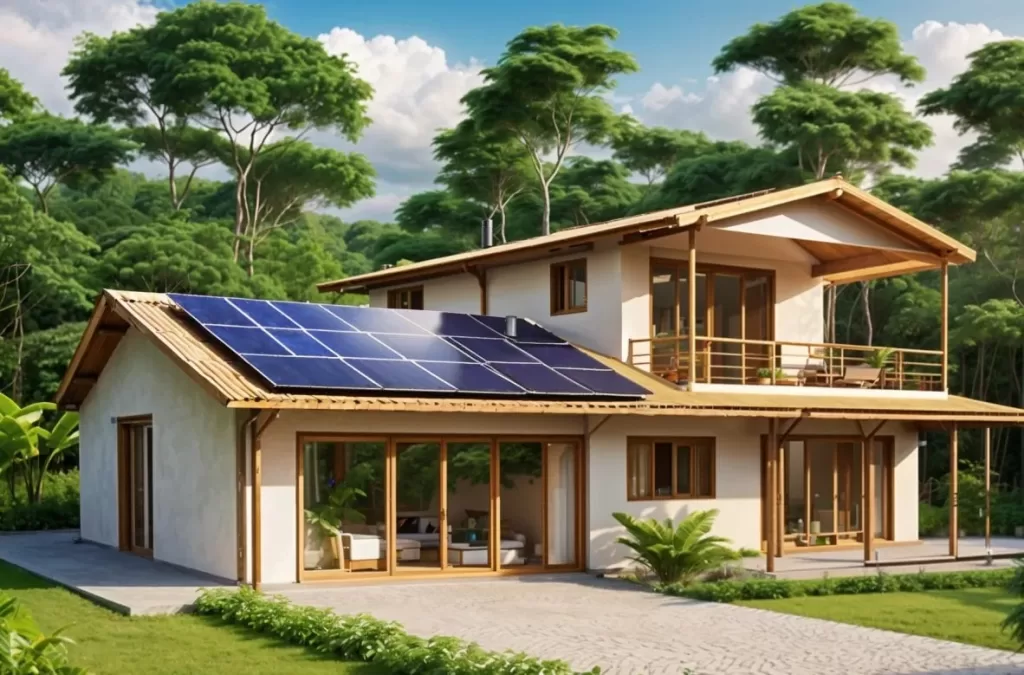
Solar panels are the best-known way to make renewable energy at home. Using sunlight, they can cover a large share of a home’s electricity needs, cutting your reliance on the grid and lowering your bills. Prices have dropped a lot over the past decade, and panels have become more efficient. A south-facing roof (in the Northern Hemisphere) with little shade is ideal, though east- and west-facing roofs can work well too.
Once you’re producing energy, think about how you use it. Energy-efficient appliances, such as refrigerators, washing machines and ovens, use noticeably less electricity than older or standard models. Look for the ENERGY STAR label, which shows that a product meets efficiency guidelines set by the Environmental Protection Agency (EPA). Heat pump water heaters and heat pump dryers are worth a look too.
Smart home systems can help you cut waste by letting you track and control energy use in real time. A smart thermostat can learn your routine and adjust the temperature so you’re not heating or cooling an empty house. Smart lighting can switch off when rooms are empty. A whole-home energy monitor shows which appliances use the most power, which makes it easier to know where to start.
3. Water Conservation Strategies
Water is another precious resource, and an eco-conscious home should use it carefully. With water shortages growing in many regions, it makes sense to build water-saving features into your home.
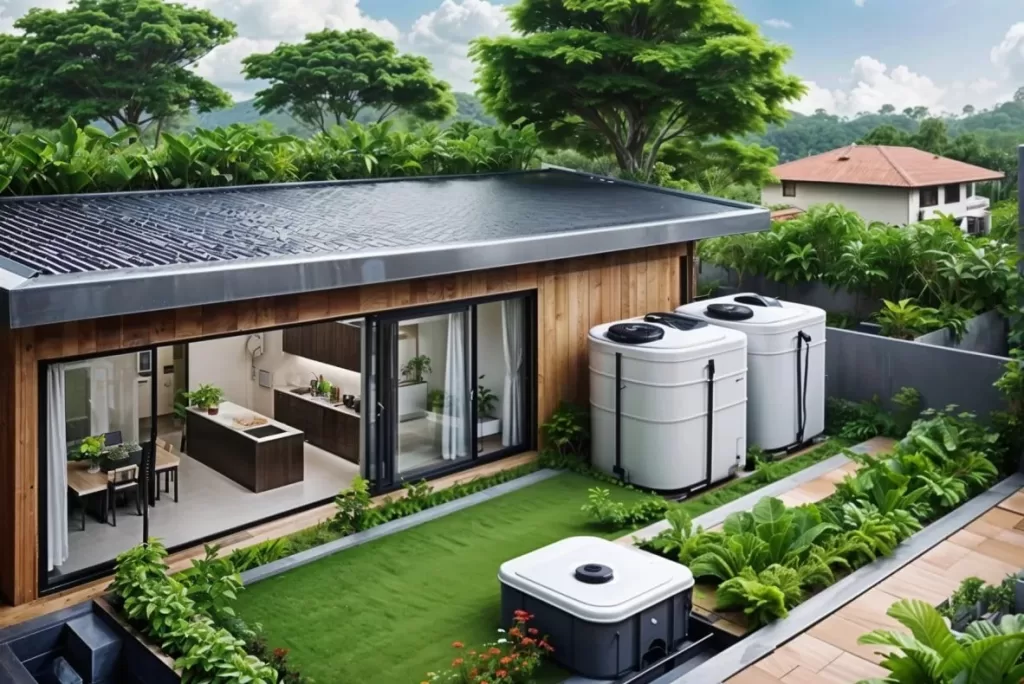
Rainwater harvesting is a simple way to rely less on city water. Collected rain can water your garden and, with the right filtration, flush toilets or run the washing machine. A basic setup can be as simple as a rain barrel under a downspout, while larger systems use buried tanks and pumps. Check your local rules first, since some areas regulate how rainwater can be collected and used indoors.
Low-flow fixtures are another key part of saving water. Faucets, showerheads and toilets designed to use less water can cut household use without a noticeable drop in performance. Look for the EPA’s WaterSense label: WaterSense showerheads use no more than 2.0 gallons per minute, compared with the 2.5 gallon federal maximum, and WaterSense toilets use 1.28 gallons per flush or less.
Greywater recycling is a more advanced option. It reuses water from sinks, showers and washing machines for irrigation or toilet flushing. Simple laundry-to-landscape systems are a common starting point. Treating and reusing greywater can cut your freshwater use a good deal, but rules vary widely, so check local plumbing codes and permits before you install anything.
4. Indoor Air Quality and Natural Ventilation
Good indoor air quality is essential for your health. Many conventional products release volatile organic compounds (VOCs) into the air, which can cause headaches and irritation. Ecological home design favors natural materials and good ventilation to keep the air cleaner. In a well-sealed home, a mechanical ventilation system, such as an HRV or ERV, keeps fresh air coming in without wasting much heat.
Natural ventilation plays a key role in keeping air fresh. Well-placed windows, operable skylights and vents let air move freely through the house and reduce the need for air conditioning. Cross-ventilation, with windows on opposite sides of a room or house, creates a natural breeze. Openings placed high and low also help, since warm air rises and escapes through the upper openings while cooler air comes in below.
Using low-VOC paints and finishes is another simple step toward a healthier home. These products release fewer harmful chemicals than conventional paints, so they’re a safer choice for both your family and the environment. Look for labels that say low-VOC or zero-VOC, and still keep windows open while you paint and for a few days afterward.
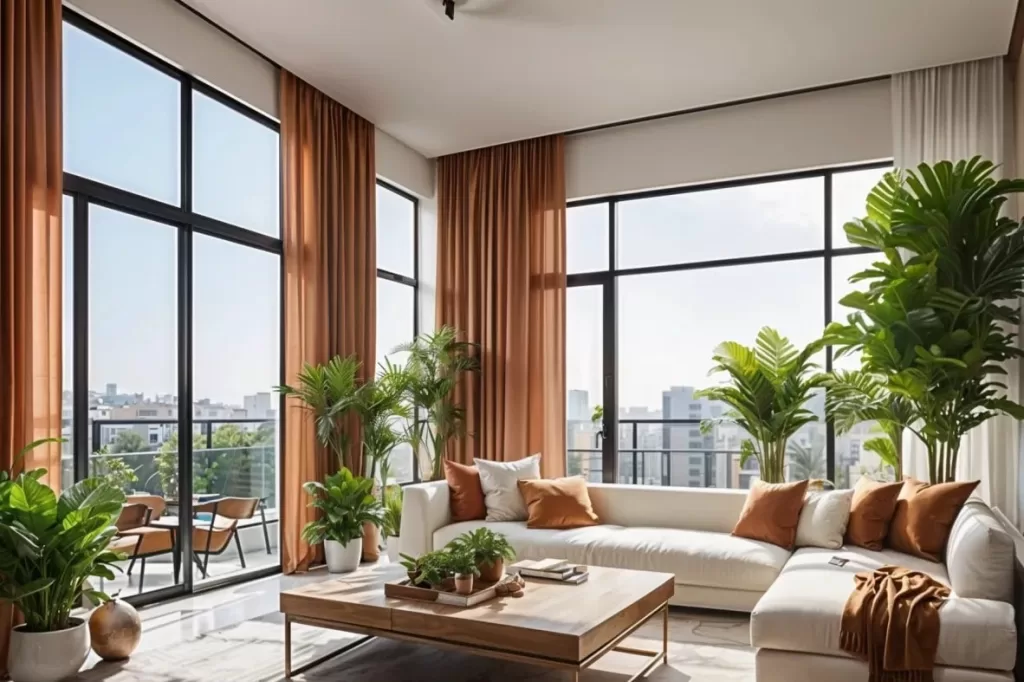
Green walls and indoor plants make a home feel fresher and more pleasant. Plants do absorb small amounts of some pollutants, but at normal household numbers their effect on air quality is modest, so treat them as a bonus rather than a substitute for ventilation. Choose easy-care plants that suit your light, like pothos, snake plants or ferns, and you’ll enjoy the look and the mood boost with little effort.
Conclusion: Embracing Ecological Home Design for a Sustainable Future
Building an ecological home comes down to a series of thoughtful choices. By combining sustainable materials, efficient systems, water-saving strategies and better indoor air, you can create a home that meets your needs while using far fewer resources.
Climate change is a big challenge, but every step toward greener living counts. When you choose smart, eco-friendly design solutions, you help build a more sustainable future for yourself, your community and the planet.
If you’re not sure where to start, begin with an energy audit, then tackle air sealing and insulation before moving on to bigger projects. The choices you make today will shape your home, and your bills, for years to come.
Estimate savings from eco upgrades with the energy efficiency savings calculator.
Heating & cooling savings calculator
Pick the upgrades you are considering and see how much they could cut your yearly energy bill.
Frequently Asked Questions
What is ecological home design?
Designing homes that minimize environmental impact through efficient energy and water use, healthy low-impact materials, renewable energy and a layout that uses daylight and natural ventilation.
What is the easiest eco upgrade for an existing home?
Air sealing and insulation usually deliver the biggest savings for the money, followed by LED lighting, efficient appliances and a smart thermostat.
Related Guides
