Eco-Friendly Homes – Why Sustainability Is The Future Of Living?
Eco-friendly homes use less energy and water, are built with healthier materials and cost less to run. With rising energy prices and new incentives, sustainable design is quickly becoming the norm. Here is what makes a home eco-friendly and how to get there.
Table of Contents
Key Takeaways:
- Eco-friendly homes use efficient systems and better materials to cut energy use and utility bills.
- Solar panels and other renewables reduce reliance on fossil fuels and grid power.
- Good daylight and fresh-air ventilation are core features of eco-friendly homes and help indoor comfort.
- Efficient homes that are cheap to run can appeal to buyers who care about energy bills.
- Building eco-friendly homes with local materials and native landscaping supports the wider community.
The Paradigm Shift: From Conventional to Eco-Friendly Living
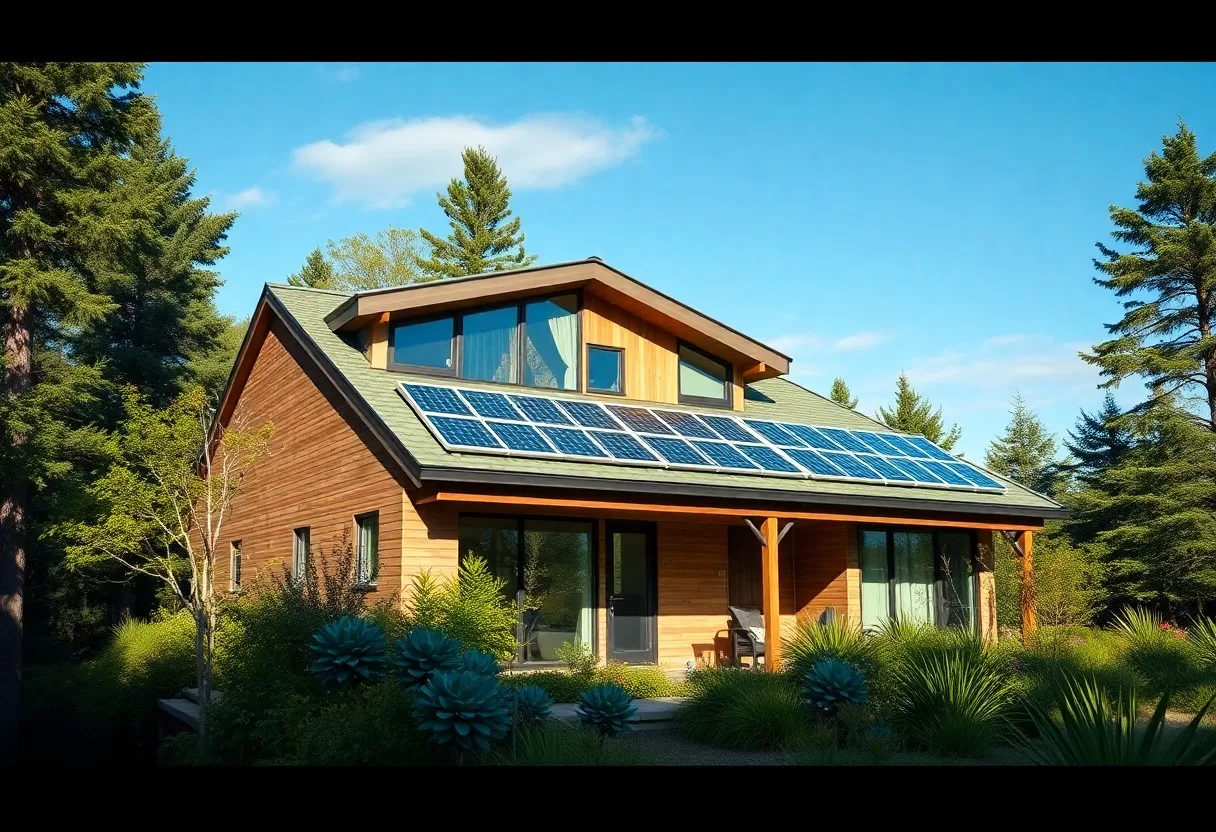
Moving to eco-friendly living changes how you think about your home. Instead of asking only how a house looks, you start asking how much energy, water and upkeep it needs. That shift covers more than solar panels. It includes buying less, wasting less and designing with the sun, wind and site in mind. Small steps add up, and they leave a healthier home and planet for the people who come after you.
The Rise of Environmental Consciousness
Awareness of environmental issues has grown a lot in recent years, and it shapes many everyday choices. News about extreme weather, pollution and energy prices has pushed more people to look closely at their own homes. Interest in renewable energy, simpler living and growing your own food has moved from niche to mainstream, and home design has followed.
Economic Incentives for Sustainable Choices
Sustainable choices often make financial sense too. Lower energy and water use means lower monthly bills, and many governments and utilities offer rebates, credits or low-interest loans for upgrades such as insulation, heat pumps or solar. These programs exist to lower the upfront cost, so check what is available before you buy anything.
Incentives change often, so treat any figure you read online with care. In the U.S., federal tax credits for solar and efficiency upgrades have been expanded and cut back several times, and state and utility programs come and go. Check the current rules on official government and utility websites, or ask your installer to show the program details in writing. Even without incentives, efficient equipment and solar can lower monthly bills, and that steady saving is what pays back the investment over time.
Building the Future: Innovative Eco-Designs that Inspire
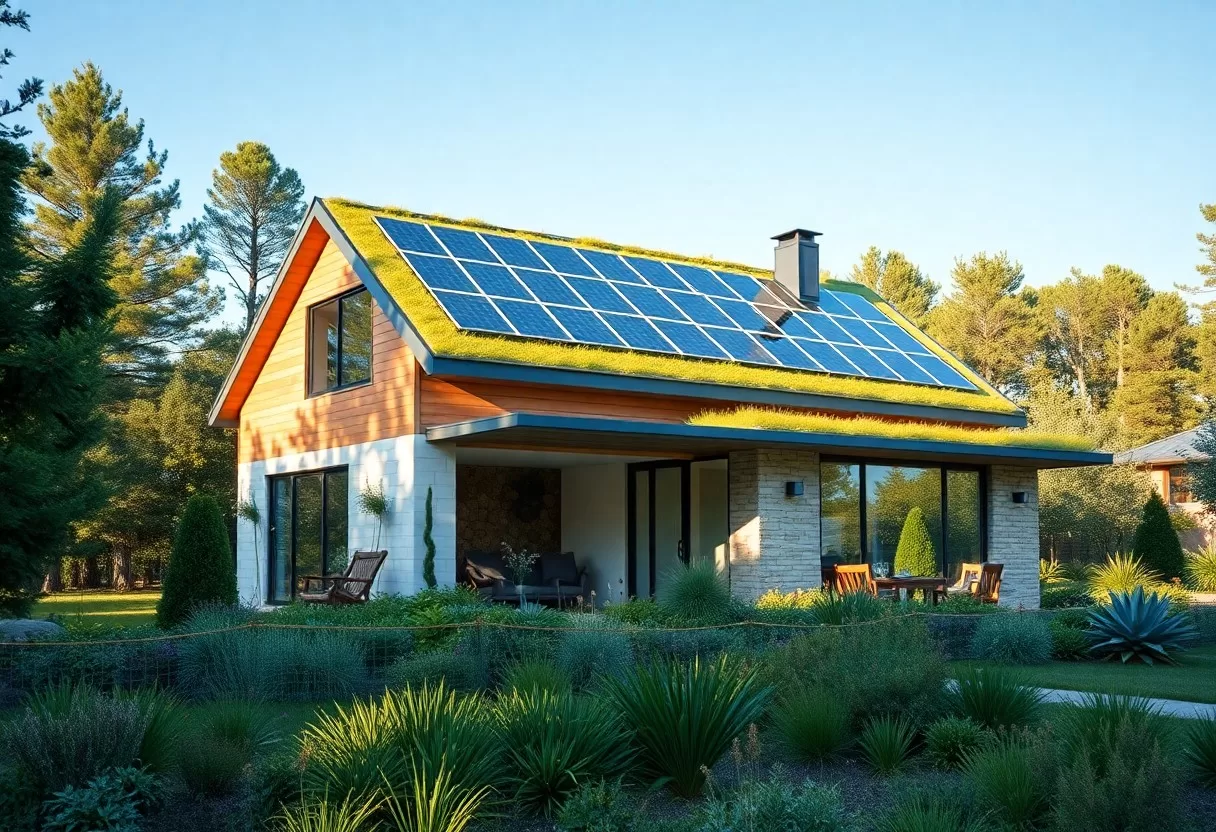
Touring real eco houses is one of the best ways to see what works. Many combine modern design with features like solar panels, green roofs, thick insulation and natural ventilation. Seeing them in person helps you judge comfort, light and noise, not just specs on paper. For more ideas on designing and building your own, read Eco houses: how to build for a sustainable future.
The cheapest green features are the ones designed in from the start. Orient the main living areas and most windows toward the sun side of the lot (south in the Northern Hemisphere) to gain winter warmth. Add roof overhangs or exterior shades to block the high summer sun. Place windows on opposite walls so breezes can cross the house. These passive design choices cost little extra and keep working for the life of the building.
Smart Technologies Enhancing Energy Efficiency
Smart technology helps you use energy more carefully by showing what your home uses in real time. Smart thermostats learn your schedule and lower heating or cooling when you are out. Energy monitors show which devices use the most power, and automated lighting turns off lights in empty rooms. Together they cut waste, lower your carbon footprint and trim your utility bills.
Sustainable Materials: The Backbone of Green Construction
Materials matter in sustainable construction. Recycled, reclaimed or responsibly sourced materials lower the environmental impact of a build. Look for certifications such as FSC for wood and low- or zero-VOC labels for paints and finishes. Natural materials such as bamboo, cork and wool are durable and attractive, so your home can be both practical and good-looking.
Sustainable materials are the backbone of green building. Bamboo grows fast and can be harvested within a few years, which makes it a good renewable choice for flooring and cabinets. Recycled steel is strong and keeps scrap in use, and reclaimed wood adds character while keeping old timber out of landfills. Think about each material’s full life: where it comes from, how far it travels, how long it lasts and whether it can be reused later. That way your home looks good and matches your goals.
Beyond Construction: The Broader Impacts of Eco-Friendly Homes
The benefits of eco-friendly homes reach well beyond construction. They affect your neighborhood, the local environment and your daily quality of life. Once you live in a sustainable home, you may find yourself more involved in local efforts to save resources, plant native species and support wildlife. Reading about the Sustainable Home vs. Eco Friendly Home difference helps frame these impacts more clearly.
Community and Urban Planning with Sustainability in Mind
Demand for eco-friendly homes also nudges planners and local governments toward greener development. That can mean more parks and street trees, better public transit, bike lanes and efficient public buildings that benefit everyone. As more eco-friendly homes go up, neighborhoods often attract residents who care about these issues and push for further improvements.
Impact on Public Health and Well-Being
Eco-friendly homes are designed to support better health. They use low-toxicity materials, bring in plenty of daylight and manage indoor air carefully. Fewer chemical fumes and less dust and mold can make a home more comfortable, especially for people with allergies or asthma. Many people also find that daylight, plants and views of nature make a home feel calmer.
Several features work together here. Good insulation and air sealing keep temperatures steady through the year, so you get fewer cold drafts in winter and less overheating in summer. Mechanical ventilation, such as an energy or heat recovery ventilator (ERV or HRV), brings in fresh air without wasting much heat. Low-VOC paints, finishes and furniture reduce indoor air pollutants. And communities with parks and walkable streets make it easier to get outside, stay active and meet your neighbors.
The Incentive Landscape: Government Policies and Incentives
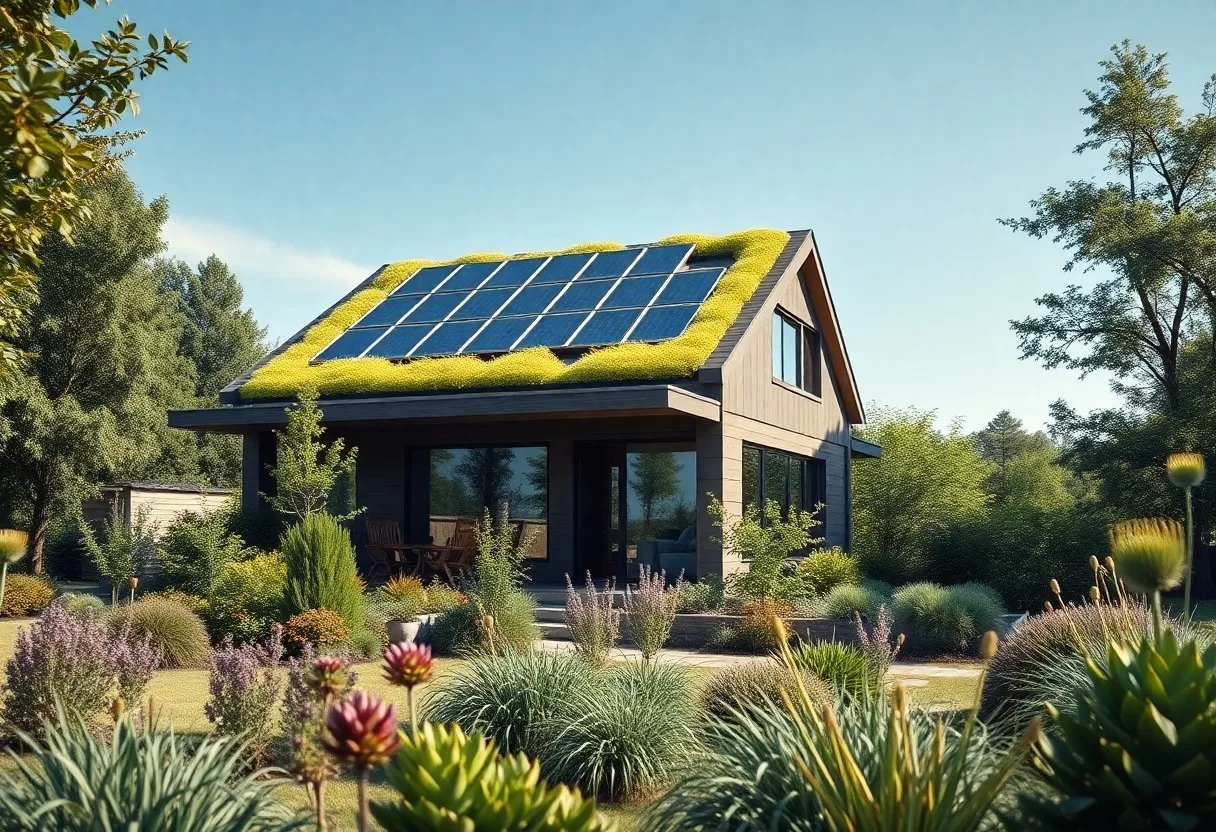
Government policies are one of the main reasons eco-friendly homes are spreading. Many programs aim to lower the cost barrier for homeowners through grants, rebates, tax credits or cheaper loans. When the funding path is clear, more people adopt efficient equipment and materials, and you end up with a more comfortable home that costs less to run.
Tax Benefits and Rebates Driving Eco-Friendly Choices
Tax benefits and rebates can make a real difference. In the U.S., federal credits for solar and efficiency upgrades have helped many homeowners, but the rules and deadlines change, so confirm what still applies to you. Many states and utilities add their own rebates for heat pumps, insulation or efficient appliances, and some states exempt solar equipment from sales tax. Stacking several programs can lower your upfront cost noticeably.
The Role of Nonprofits and Private Sector Partnerships
Nonprofits and private companies often team up to promote eco-friendly homes. Together they may offer grants, free or low-cost home energy audits, training and buying guides that help you make informed choices. These partnerships spread good information further and help keep sustainable options affordable for more households.
Some nonprofit home builders, including many Habitat for Humanity affiliates, build energy-efficient homes and involve volunteers and future owners in the work. Partnerships with solar installers and equipment makers can bring donated or discounted systems into new builds. For you as a homeowner, the takeaway is to look locally: community energy programs, weatherization assistance and nonprofit advice centers can help you take your first steps toward a greener home.
Overcoming Barriers: Challenges in the Global Transition to Sustainability
Moving to eco-friendly living still comes with hurdles. Upfront costs, common myths and slow-changing building practices can all get in the way. The change needs both individual effort and wider action. Tackling these issues one at a time makes the process manageable, and each step improves your own comfort while adding to the bigger shift toward sustainability.
Addressing Misconceptions about Eco-Friendly Living
Myths about eco-friendly living still put people off. Some assume it is always expensive or that it means giving up comfort. In reality, many steps cost little: LED bulbs, low-flow showerheads, sealing drafts around doors and windows, and setting your thermostat a few degrees lower in winter. You can start with simple habits that fit your budget and build from there.
Water is another easy win. Low-flow faucets and showerheads, dual-flush or WaterSense toilets and fixing small leaks quickly can cut water use without any change in comfort. Outside, a rain barrel under a downspout, a layer of mulch and native plants that suit your rainfall mean far less watering through the summer.
The Economic Barriers to Entry for Homeowners
Cost is still the biggest barrier for many homeowners. Efficient equipment and better materials can cost more upfront, and that can be hard to manage. Knowing your options helps. Incentives, tax credits, energy-efficient mortgages and utility on-bill financing can spread the cost, so you start saving on bills sooner and add lasting value to your home.
A smart way to plan is to start with a home energy audit. It shows where your house loses the most heat and energy, so you can fix the cheapest, most effective items first, usually air sealing and attic insulation, before moving to bigger upgrades like a heat pump or solar. Get several quotes, ask about current rebates and compare the payback time of each upgrade. Replacing equipment in stages, as old units wear out, also keeps costs manageable.
Summing up
Choosing one of the many eco-friendly homes on the market, or upgrading your own, is a practical step toward a more sustainable life. You get a healthier home, lower bills and better indoor air while doing your part for the planet. Reading Why Sustainable Homes Should Matter to You—Especially … can help you make informed decisions about your own space. Sustainability is fast becoming the standard for new homes, so it pays to plan for it now.
Estimate savings from green upgrades with the energy efficiency savings calculator.
Solar panel size & payback calculator
Estimate the system size, number of panels and payback time for your home.
Frequently Asked Questions
What makes a home eco-friendly?
Good insulation and airtightness, efficient heating and cooling, renewable energy, water-saving fixtures, durable low-impact materials and a design that uses daylight and natural ventilation.
Are eco-friendly homes more expensive?
They can cost somewhat more to build, but lower energy and water bills usually recover much of the difference over time. Incentives can help, but they change often (the US federal residential clean energy credit, for example, ended after 2025), so check current local programs before you budget.
Related Guides
