
Embrace Nature – A Comprehensive Guide To Drought-Tolerant Landscaping
Drought tolerant landscaping lets you have a good-looking yard that gets by on very little water. In this guide, you’ll learn how to plan a water-wise outdoor space using native plants, efficient watering and smart design. A well-planned dry garden uses far less water than a traditional lawn, helps you conserve precious resources and supports local wildlife. Below you’ll find practical steps for soil, plant choice, irrigation and hardscaping, plus ideas from regions that have gardened this way for generations.
Table of Contents
Key Takeaways: Drought Tolerant Landscaping
- Native and other climate-adapted plants need less water and care, and they support local pollinators and wildlife.
- Hardscape such as gravel, stone and paths can replace thirsty lawn while giving the yard structure.
- Drip irrigation and smart controllers put water at the roots and cut waste during dry spells.
- Healthy soil, mulch and compost help the ground hold moisture between waterings.
- Knowing your local climate and seasons helps you pick the right plants and plan a resilient yard.
The Climate Crisis and Its Impact on Landscaping
Changing weather is making traditional gardening harder in many regions. Longer dry spells, water restrictions and hotter summers put stress on lawns and thirsty borders that once got by on rain and a sprinkler. Adapting your yard to these conditions keeps it healthy with less effort and less water. It also means fewer dead patches to replace after a hot summer, and a garden that is better suited to the climate you actually have.
Understanding Drought Patterns and Climate Trends
As droughts become more common in many areas, it pays to understand the pattern where you live. Check your local rainfall averages, the timing of your dry season and how often you get heat waves. Your local cooperative extension office or water utility usually publishes this information. Use it to choose plants and materials that handle dry conditions naturally, instead of fighting the climate with extra water every summer.
The Economic Implications of Water Scarcity
Water scarcity is also a money issue. As water rates rise, keeping a large lawn green through summer gets more expensive. Drought tolerant landscaping can lower both your water bill and your upkeep, since established water-wise plants need less mowing, feeding and replacing. Savings vary a lot by region, lawn size and local rates, so look at your own summer bills to see how much of your water goes outdoors.
When water gets scarce, many towns limit outdoor watering to certain days or hours, and some charge higher rates for heavy use. A yard designed around low water needs keeps you on the right side of those rules and keeps looking good when restrictions hit. Low-water plants and efficient irrigation cut both water bills and maintenance time. Before you plan, check whether your water utility offers rebates for removing lawn, installing a smart controller or adding a rain barrel. Many do, and those programs can cover part of your project costs.
Embracing Xeriscaping Principles
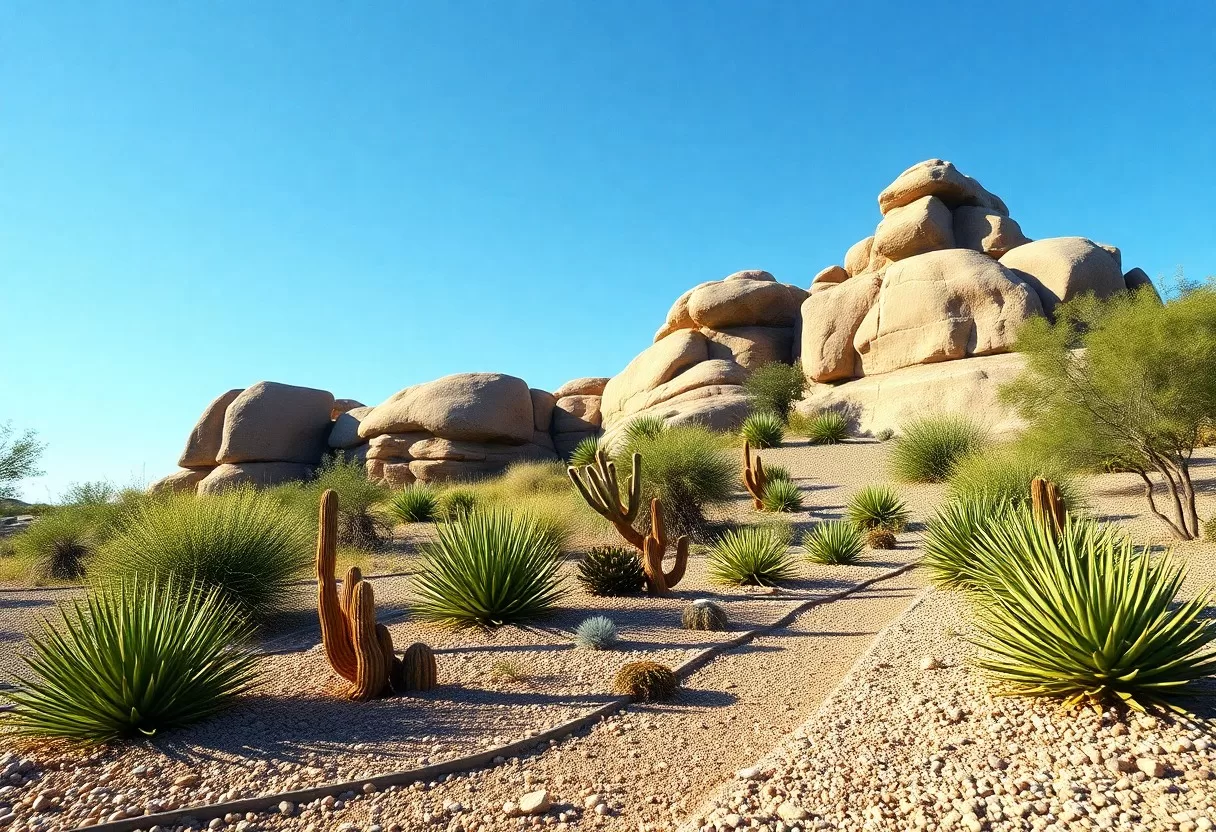
Xeriscaping is a design approach, developed by Denver Water in the early 1980s, that focuses on saving water while still creating attractive outdoor spaces. It doesn’t mean rocks and cactus. By choosing plants that suit your climate and using water-efficient methods, you can grow a full, colorful garden that supports local wildlife. The approach also lowers maintenance, since plants matched to your conditions need less fussing once they settle in.
Seven Essential Practices for Drought-Tolerant Design
The classic xeriscape approach rests on seven practices: plan the design, improve the soil, choose suitable plants, limit lawn to areas you actually use, water efficiently, mulch, and keep up basic maintenance. In practice, start by grouping plants with similar water needs into zones, so you never overwater a tough shrub to keep a thirsty one alive. Put plants that need more water closest to the house or hose, and the toughest ones at the edges of the yard.
Check sunlight before you plant. Watch where shade falls in the morning and afternoon, because a plant labeled drought tolerant for full sun may struggle in deep shade, and a shade lover will scorch in a hot, west-facing bed. Then mulch every bed with 2 to 3 inches of wood chips, bark or gravel, keeping it a few inches away from stems. Mulch slows evaporation, keeps roots cooler and cuts down on weeds.
The Role of Native Plants in Sustainable Landscaping
Native plants are a smart base for a sustainable yard because they are adapted to local climate, soil and wildlife. They provide food and shelter for pollinators, birds and beneficial insects. Once established, most need little extra water or fertilizer. Not every native is drought tolerant, though. A native from a stream bank still wants moisture, so match each plant to the conditions in your yard, not just your region.
Purple coneflower and black-eyed Susan are good examples for many parts of North America. Both are native to the central and eastern U.S., handle summer dry spells well once established, and attract bees and butterflies. Their roots also help hold soil in place. Ask a local native plant society or extension office for lists that suit your area, and remember that even tough plants need regular watering for the first season while their roots grow.

Soil and Water Management Strategies
Good soil and water management is the backbone of a healthy drought-tolerant landscape. The goal is to help the ground soak up water when it rains and hold onto it longer. Mulching, adding organic matter and choosing deep-rooted plants all help your garden stay hydrated between waterings. For more practical ideas, see Embrace Drought Tolerant Landscaping.
Building Healthy Soil for Moisture Retention
To hold moisture, build healthy soil with plenty of organic matter. Work compost or aged manure into new beds to improve structure, helping sandy soil hold water and clay soil drain. Top up with an inch or so of compost each year. In bare areas, a cover crop can prevent erosion over the off-season. A simple soil test every few years tells you the pH and nutrient levels, so you add only what your plants need. Many Mediterranean herbs and some natives prefer lean soil, so don’t overdo amendments in those beds.
Innovative Irrigation Techniques to Conserve Water
Smarter irrigation can cut water use a great deal while still keeping plants healthy. Drip irrigation delivers water right to the root zone, so less is lost to evaporation and runoff than with sprinklers. Rain barrels capture runoff from your roof for later use; roughly 600 gallons run off every 1,000 square feet of roof in a 1-inch rain. Add a timer and a soil moisture sensor so you water only when plants actually need it.
Smart irrigation controllers take this further by adjusting schedules based on weather data and soil moisture, so the system skips watering after rain. Look for models with the EPA WaterSense label. Many can be managed from your phone. Whatever system you use, water deeply and less often, ideally early in the morning. Deep watering encourages roots to grow down where the soil stays moist, which makes plants much more resilient in dry weather.
Check your system each spring. Look for clogged emitters, leaks, and sprinkler heads spraying the sidewalk. Adjust the schedule through the year as well: plants need far less water in spring and fall than in midsummer, and most established drought-tolerant plants need little or no extra water in winter. Before installing rain barrels, check local rules, since a few areas limit rainwater collection.
Global Inspiration: Successful Drought-Resistant Landscapes
Looking at dry-climate gardens around the world gives you plenty of tested ideas. Mediterranean gardens use silvery herbs, gravel and clipped shrubs, while Australian gardeners have long relied on tough native plants and heavy mulch. For more design ideas for your own water-wise garden, check out Drought Tolerant Landscape Design: Tips and Tricks for a ….
Lessons from Arid Regions: A Global Perspective
Gardeners in the American Southwest and other dry regions have used water-wise methods for a long time. Native plants, thick mulch, shaping the ground to slow and capture rain, and choosing species suited to heat all help gardens survive with little irrigation. These methods also support local wildlife where water is scarce. Borrow the ideas that fit your climate, even if you live somewhere with more rain.
How Urban Environments are Adapting to Water Challenges
Cities are also paying more attention to water-wise landscaping. Many now plant native flora in public spaces and encourage rainwater harvesting systems, while parks and plazas use permeable paving so rain soaks into the ground instead of running into storm drains.
Los Angeles and Tucson are well-known examples. Both have encouraged residents to replace lawns and capture rainwater, and both use green infrastructure such as bioswales and rain gardens to slow stormwater. You can copy these ideas at home. A rain garden is a shallow planted dip placed where roof or driveway runoff collects, usually at least 10 feet from the house. Fill it with plants that tolerate both brief flooding and dry spells, and it will soak up water that would otherwise run into the street.
Designing for Aesthetics and Functionality
A good drought-tolerant yard balances looks and practicality. Choose plants with varied textures, leaf colors and heights, and pick groups that bloom at different times so something is always going on. Place paths and seating where you’ll actually use them. A simple plan with repeated plants and materials keeps the design looking unified, so the garden feels intentional rather than sparse.
Creating Beautiful Spaces That Thrive on Minimal Water
Choosing the right drought-resistant plants is the key to a garden that does well with little water. Native wildflowers, succulents, ornamental grasses and Mediterranean herbs like lavender, rosemary and sage all handle dry conditions well and add color and texture. Grouping plants with similar water needs helps them all grow well and makes the beds look more cohesive. Plant in fall or early spring where possible, so roots can settle in before summer heat.
Think about year-round structure as well as flowers. Shrubs and grasses with good form keep the garden interesting in winter when perennials die back. Leave seed heads standing over winter for birds, then cut them back in late winter. Plant in odd-numbered groups and loose drifts rather than single plants for a more natural look, and leave enough space for each plant’s mature size so you aren’t pruning constantly.
Incorporating Hardscaping Elements to Enhance Practicality
Hardscape such as stone paths, patios and retaining walls gives a drought-tolerant landscape structure and makes it more usable. These features reduce the area that needs watering and give you solid surfaces for relaxing and entertaining. Choose stone and gravel in colors that match local rocks and soil so they blend in, and the whole yard will look more settled.
Hardscape can also reduce maintenance and irrigation. Permeable pavers and gravel let rain soak through, recharging the soil instead of running off. Stone benches and raised planters fit easily among plants and give you places to sit without adding to your water use. Reclaimed brick or stone adds character and keeps materials out of landfills. Large paved areas get hot in summer, so place tough, heat-loving plants next to them and add a shade tree or pergola near seating.
Final Words
Drought tolerant landscaping is a practical way to improve your property while using less water. With careful plant choices, efficient irrigation and thoughtful design, you can build a yard that stays healthy through dry spells. Start small, perhaps by replacing one patch of lawn or redoing one bed, and learn what works in your conditions. Over a few seasons, those changes add up to a garden that looks good, costs less to run and supports local wildlife.
Design a water-wise yard with the free AI garden and landscape designer.
Lawn-to-garden water savings calculator
See how much irrigation water you save by replacing lawn with drought-tolerant planting.
Frequently Asked Questions
What is drought-tolerant landscaping?
Landscaping that relies on plants and design adapted to low rainfall, such as native perennials, succulents, ornamental grasses and gravel areas, combined with efficient irrigation and mulch.
How much water can drought-tolerant landscaping save?
Savings depend on your climate, the plants you choose and how you water. Replacing a thirsty lawn with established drought-tolerant plants, mulch and drip irrigation often reduces outdoor watering substantially, and many plantings need little extra water once their roots are established, usually after the first year or two.
Related Guides
