
Designer Room Picks – What Creatives Love in Their Own Homes
What do designers choose for their own homes? Usually fewer, better pieces, a strong sense of mood and practical solutions hidden behind beautiful finishes. Here are designer home decor ideas you can borrow, from statement furniture to indoor-outdoor connections.
Key takeaways
- These designer home decor ideas favor fewer, better pieces.
- Mood and practical solutions matter as much as style.
- Indoor-outdoor connections add life to rooms.
Table of Contents
Trendsetters’ Choices: What Designers Adore
Designers’ own homes are often more relaxed than the projects they show off. They tend to buy fewer things and choose each one carefully, mixing color, texture and a few standout pieces so the rooms feel personal rather than staged. Comfort comes first: a beautiful chair still has to be good to sit in. That’s a useful lesson for anyone decorating, because a room you enjoy living in will always look better than one that only photographs well.
Iconic Furniture Pieces That Stand Out
Many designers invest in a few timeless furniture pieces that work as both seating and sculpture. A classic mid-century lounge chair, like the Eames Lounge, is a common example, as are sculptural coffee tables and solid wood dining tables built to last for decades. When you shop, look at construction as well as looks: solid joinery, quality upholstery and natural materials age better. Spend on the pieces you use every day, and save on accessories you might change in a few years.
Color Palettes and Textures That Resonate
Designers often build rooms around layered color and textural contrasts. An earthy palette of deep greens and browns, for example, comes alive with velvet, leather and natural wood. Mixing textures adds depth even when the colors are quiet, and it makes a room feel more comfortable and approachable. To try this at home, pick one main color family, then vary the finish: a matte wall, a nubby throw, a smooth leather chair and a glossy ceramic lamp.
Unexpected pairings can work well, too. Muted terracotta looks fresh against cool blues, and the warm-cool contrast keeps a room balanced. Mix finishes on purpose: glossy next to matte, rough next to smooth. Bouclé and linen add warmth, while brass or matte black hardware adds crisp detail. Repeat each material at least twice in a room, for example brass in a lamp and in a picture frame, so the choices look deliberate rather than random.
The Emotion of Space: How Creatives Curate Ambiance
Designers think about how a room feels, not just how it looks. Color, texture, layout and light all shape mood. A reading corner might use warm tones, a soft chair and a lamp at shoulder height, while a home office needs brighter light and a clear desk. Before you decorate a room, decide how you want to feel in it, whether calm, energized or cozy, and let that guide each choice you make.
Lighting as a Design Statement
Lighting shapes mood more than almost anything else. Plan three layers: ambient light for general brightness, task light for reading or cooking, and accent light to highlight art or architecture. Pendants, wall sconces and floor lamps can double as sculptural pieces. Put lights on dimmers where you can, and choose warm bulbs around 2700 K for living areas and 3000 to 4000 K where you need crisp task light. A picture light or small spotlight makes art or a textured wall stand out.
The Role of Personal Art and Inspiration
Personal art gives a room character that no store-bought decor can match. It doesn’t have to be expensive: prints, photographs, children’s drawings and pieces by friends all count. What matters is that you connect with it. A bold painting can lift a dull wall, and a small sculpture can anchor a shelf. Art also gives guests something to ask about. Hang pieces with the center at about 57 to 60 inches from the floor, which is roughly eye level for most people.
Art shapes the mood of your home as much as its look. Displaying work by local artists or your own creations makes the space feel rooted in your life and community. Choose pieces that mean something to you rather than ones that simply match the sofa. Group smaller works into a gallery wall with consistent spacing, about 2 to 3 inches between frames, or give one large piece a wall to itself. Rotate pieces now and then to keep the room feeling fresh.
Function Meets Aesthetics: Practical Must-Haves in Creative Homes
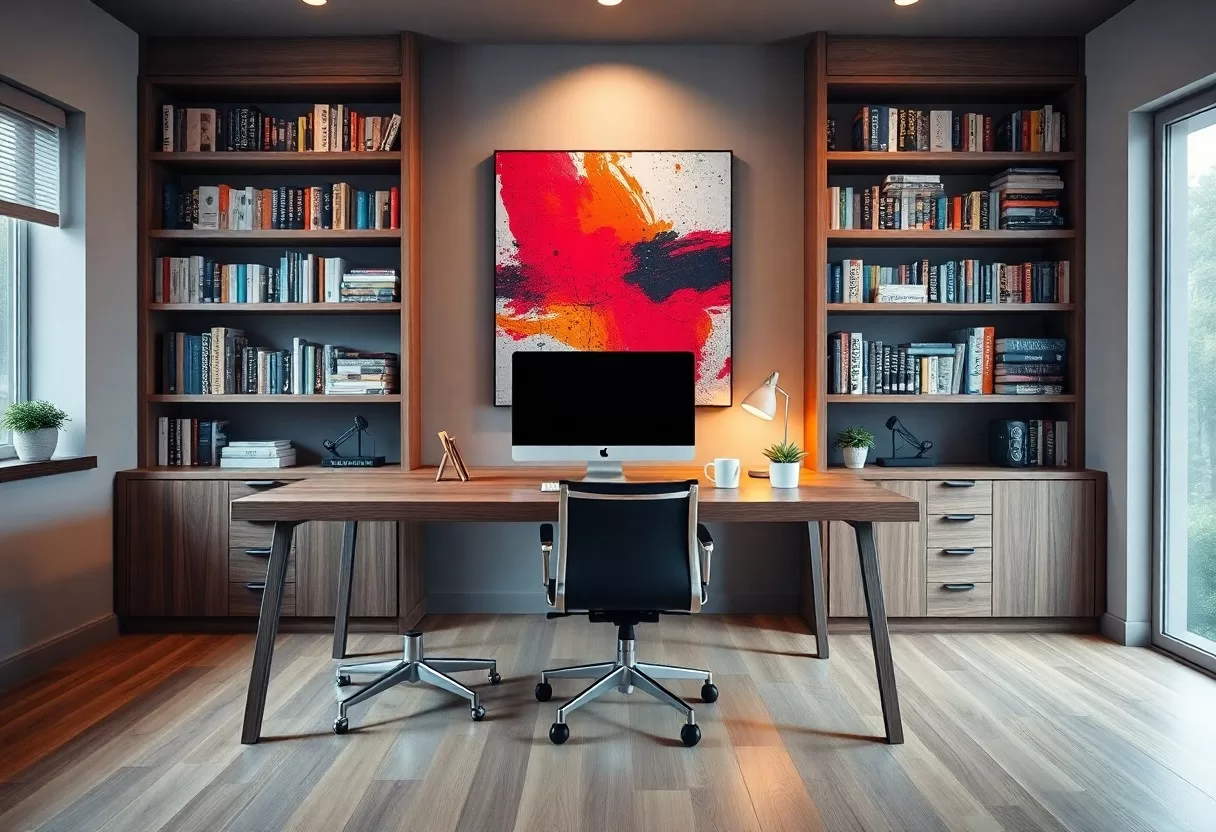
Creative homes still have to work hard. The best ones combine practical must-haves with good looks, so daily life runs smoothly and the rooms stay beautiful. Think about the tasks that happen in each room, like working, eating, storing and relaxing, and make sure each one has a comfortable, well-lit spot. When function is sorted, style has room to shine, and your home reflects both your taste and your needs.
Versatile Multi-Functional Furniture
Multi-functional furniture is a designer favorite, especially in smaller homes. A sleeper sofa handles overnight guests, an extendable dining table grows for holidays, and a storage ottoman hides blankets while serving as extra seating or a footrest. Before buying, test any moving parts in the store and check the extended size against your room, leaving about 36 inches around a dining table for chairs. Fewer, smarter pieces mean less clutter and a cleaner design.
Innovative Storage Solutions that Blend Style and Utility
Good storage keeps a home calm while still showing off what you love. Shelving can double as display space for books and art, and under-bed drawers hide seasonal clothes and spare linens. Aim for a mix of closed storage for everyday clutter and open shelves for things that are nice to look at. Every piece should work hard and still fit the look of the room.
Designers often treat storage as part of the decor. Custom or built-in cabinetry can become a focal point, especially in a bold paint color, and modular shelving can grow or change with your needs. Open shelves work well for books, ceramics and art when you style them with breathing room, while matching bins or baskets hide the less attractive items. Hidden compartments, like a window seat with a lift-up lid, add storage without adding visual clutter.
Outdoor Extensions: Nature’s Influence on Interior Design
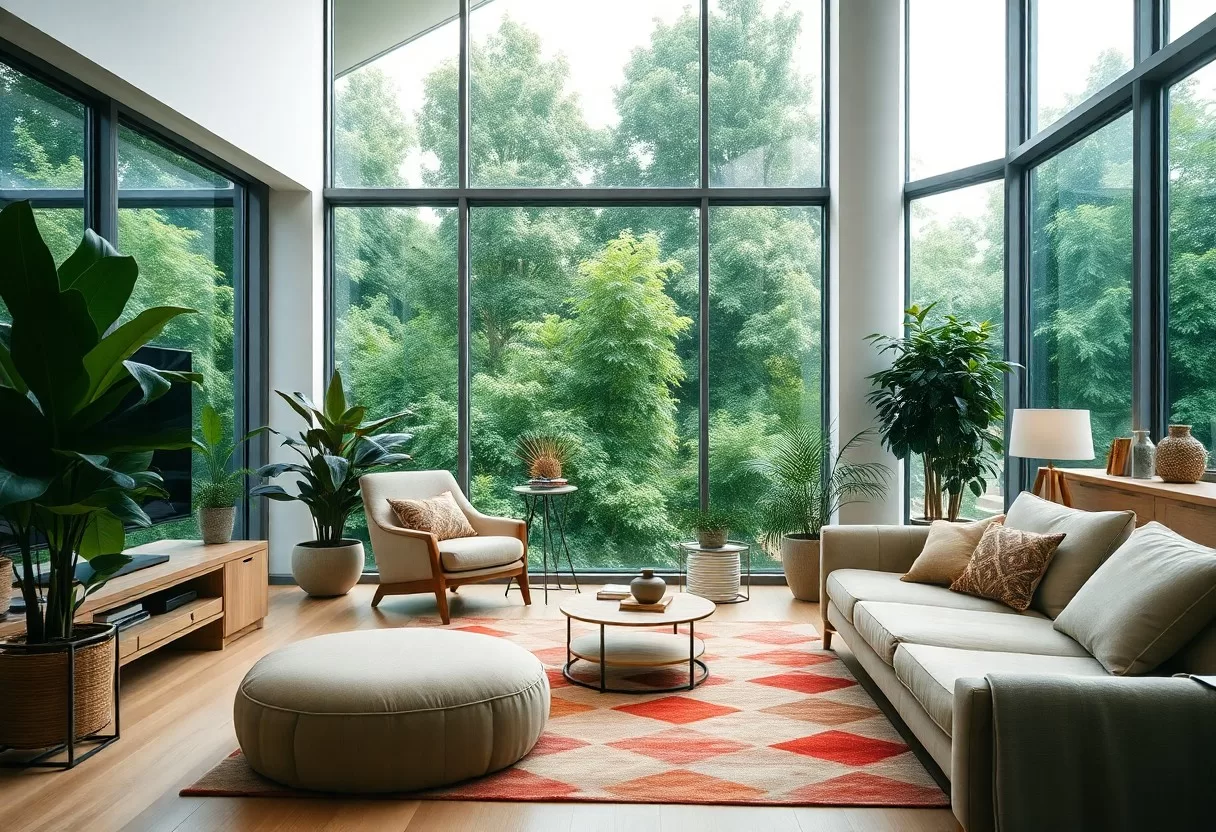
Many designers treat outdoor areas as extra rooms. A terrace, patio or balcony furnished with the same care as the living room extends your usable space and brings you closer to nature. Large glass doors that open onto a garden let in daylight and views of greenery, which makes interiors feel bigger and brighter. Even a small balcony can hold a bistro table and a few pots of herbs.
Seamless Transitions Between Indoor and Outdoor Spaces
Smooth transitions between inside and outside make the whole home feel bigger. Sliding or folding glass doors create a wide opening, and keeping flooring close to the same level and tone on both sides helps the eye travel outward. Repeat colors and materials too, such as the same wood tone in an indoor table and an outdoor bench. Then the outdoor area feels like part of the house, whether you’re hosting friends or enjoying a quiet coffee.
The Use of Plants and Natural Elements in Home Design
Plants and natural elements make any room feel more alive and relaxed. Greenery adds color and softness, and many people find it calming to have around. Choose plants to suit your light: succulents and cacti need bright sun, while pothos, snake plants and ZZ plants cope with lower light. Ferns like humidity, so they’re a good fit for bathrooms. Even a small shelf or windowsill can hold a few pots.
This idea ties into biophilic design, which is built on the observation that people tend to feel better with nature around them. A large floor plant, such as a rubber tree or fiddle leaf fig, can be a statement piece; place it within a few feet of a bright window. Smaller plants on shelves add layers of texture. Natural materials like wood, stone, rattan and bamboo complement plants and give the room an organic, grounded feel.
Personal Flair: Showcasing Unique Collections and Interests
Your home should say something about who you are. Displaying collections and interests adds personality and gives guests something to talk about. A gallery wall of favorite artists, a shelf of vintage cameras or a row of handmade ceramics all work. The trick is editing: group similar items together so they read as a collection, not clutter, and leave some empty space around them.
Incorporating Travel Finds and Souvenirs
Travel finds make great decor. Bring home souvenirs and finds you’ll actually display, like a woven rug from Morocco or hand-painted pottery from Italy, and they become a visual diary of your trips. Group items by color or material rather than by destination for a more pulled-together look. Frame small flat items like maps, tickets or textiles, and place a few pieces where they’ll spark stories when friends visit.
Displaying Hobbies and Passion Projects
Showing off your hobbies and projects brings energy and personality into a room. Handmade crafts, a vintage record collection or a guitar hung on the wall all tell people what you love. Set aside a specific area, like a craft corner or a small wall for your own artwork, so the display looks intentional and your supplies stay in one place.
A dedicated hobby space should be both good-looking and practical. Use open shelving for supplies you reach for often and closed bins for the rest. Shadow boxes work well for small items, and wall hooks or brackets can display instruments or tools while keeping them handy. Add good task lighting and a comfortable work surface at the right height. Personal touches, like framed sketches or finished projects, make the space feel like yours and invite guests into your creative world.
Final Words
As you look at designer room picks, focus on what each choice says about you. Buy fewer, better pieces, layer color and texture, plan your lighting, and make room for art, plants and the things you love. Borrow ideas from creatives, but adapt them to how you live. Start with one room, make changes gradually, and your home will end up comfortable, practical and full of personality.
What’s your interior design style?
Answer 6 quick questions to discover the style that fits you — and how to bring it home.
FAQ
Q: What types of decor are popular among creatives for their personal spaces?
A: Creatives often favor eclectic decor that reflects their individuality. Popular choices include vintage furniture, handmade art pieces, and unique lighting fixtures. These elements contribute to a personalized atmosphere that inspires creativity and comfort.
Q: How do creatives utilize color in their home design?
A: Many creatives embrace bold and unexpected color palettes to stimulate their imagination. They often mix contrasting colors and textures to create dynamic spaces. Soft, neutral shades may also be used as a backdrop to highlight vibrant artwork or design elements.
Q: What role does functionality play in the design choices of creatives?
A: Functionality is vital for creatives, as their spaces must cater to both aesthetic appeal and practical use. They often choose multi-functional furniture and design layouts that accommodate both work and relaxation, ensuring their homes support their creative processes.
Try designer looks on a photo of your room with the free AI interior design generator.