How to Design a Rental-Friendly Property That Maximizes Income
Good rental property design increases income and cuts maintenance at the same time. Durable finishes, smart layouts, efficient kitchens and bathrooms and clear compliance help attract quality tenants and reduce vacancies and repairs. This guide covers the design decisions that pay off for landlords.
Key takeaways
- Smart rental property design raises income while cutting maintenance.
- Durable finishes and efficient layouts attract quality tenants.
- Updated kitchens, bathrooms and curb appeal reduce vacancies.
Table of Contents
Analyzing Key Factors of Rental Profitability
Assessing rent drivers helps you prioritize investments and reduce risk. Assume that you track cash flow, occupancy rate, and cap rate to spot profitable moves.
- cash flow
- occupancy rate
- cap rate
Identifying target tenant demographics and needs
You map tenant age, income, and preferences to tailor units, amenities, and lease terms; target students, families, or young professionals to boost demand and reduce vacancy.
Evaluating location-specific market trends and demands
Check local zoning, rent growth, transit access, and competitor supply to set pricing; prioritize high-demand corridors and avoid oversupplied areas.
Focus on historical rent growth, current vacancy, employment trends, planned developments, and zoning changes; model how incoming new supply or regulatory shifts like eviction moratoria affect rents and occupancy, then apply conservative projections to protect returns.
How to Choose Durable and High-Yield Materials
Choose materials that reduce turnover costs and boost rents: prioritize scratch- and stain-resistant options, durable fixtures, and warranties; check local demand and follow tips like 6 Ways to Maximize Rental Income.
Selecting resilient flooring for high-traffic areas
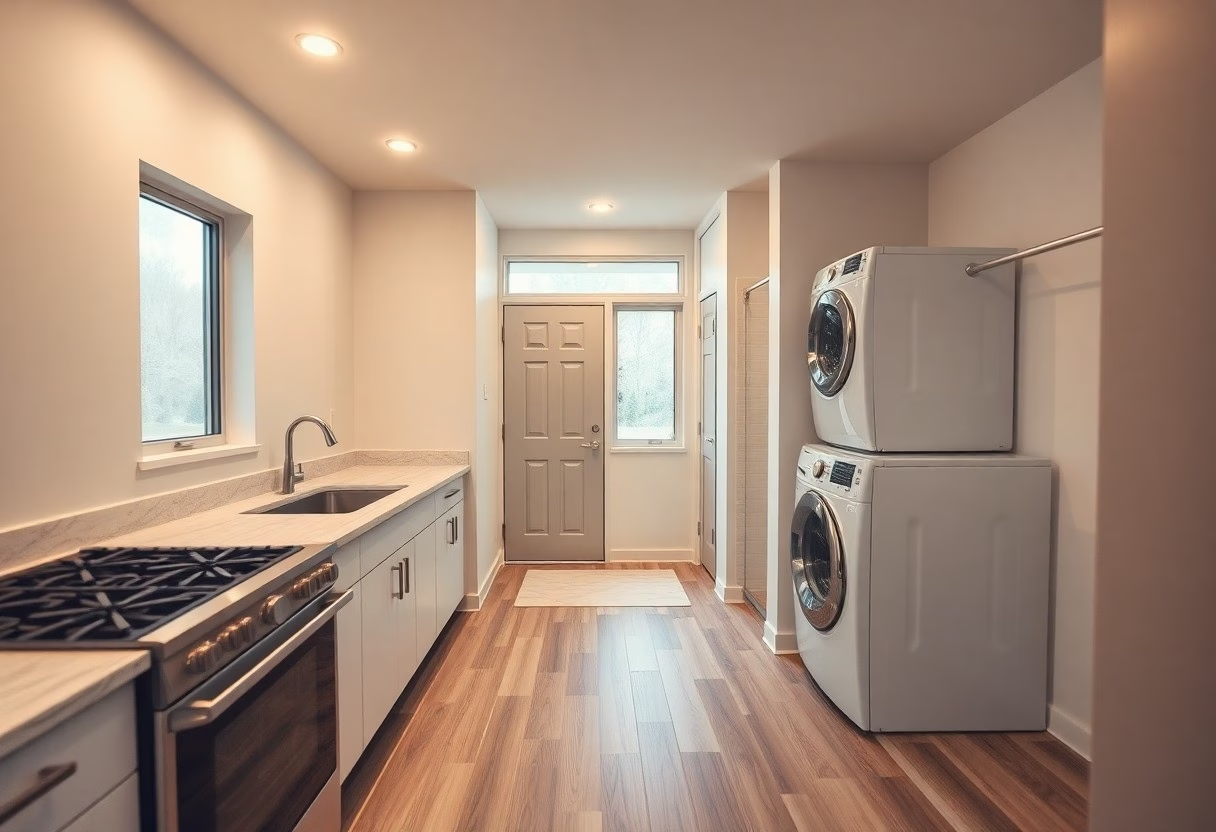
Flooring should endure heavy use: pick luxury vinyl plank or porcelain tile for wear resistance, easy cleaning, and slip safety so you lower replacement frequency and keep tenants satisfied.
Opting for neutral, low-maintenance wall finishes
Paint neutral tones using washable, low-VOC finishes so you can quickly remove scuffs, shorten turnaround time, and appeal to a wider tenant pool.
You can choose scrubbable latex or satin finishes to shorten repaint cycles; use primer and spot-treat stains to extend intervals between full repaints. Select semi-gloss or satin for trim and high-contact zones and stain- and mold-resistant formulas in bathrooms and kitchens to protect value and simplify upkeep.
How to Design a Rental-Friendly Property That Maximizes Income
Optimize your rental-friendly layout by combining multiuse furniture, clear circulation, and durable finishes; explore plan options at 5 House Plans Perfect for Rental Income. Any upgrades you add should focus on space and functionality to maximize income.
- Space optimization
- Functionality upgrades
- Durability and finishes
Implementing built-in storage solutions to increase value
Install built-in storage such as under-stair drawers, wall niches, and floor-to-ceiling closets to clear clutter, protect finishes, and make the unit more attractive to tenants seeking organized living.
Designing open-concept layouts for versatile living
Plan an open-concept scheme that uses furniture, lighting, and rugs to define areas so you provide versatile spaces while keeping functional separation for tenants.
Use clear sightlines, consistent flooring, and strategic lighting to maintain flow while adding sliding doors or screens for privacy; add acoustic insulation and zoned HVAC to control noise and comfort, and prioritize modular furniture to increase flexibility and market appeal.
How to Modernize Kitchens and Bathrooms Economically
You can modernize kitchens and bathrooms on a budget by focusing on paint, lighting, and hardware swaps; these changes deliver high rental appeal and quick ROI without gutting the space.
Updating hardware and fixtures for a premium aesthetic
Swapping drawer pulls, faucets, and light fixtures gives your property a premium look quickly; choose finishes that resist fingerprints and corrosion to cut maintenance and tenant complaints.
Refacing cabinetry to reduce renovation overhead
Refacing cabinet faces and replacing doors refreshes your kitchen at a fraction of full replacement cost, delivering major visual impact while preserving cabinet boxes and plumbing.
Consider refacing when cabinet boxes are sound: you can cut costs by 50-70% versus full replacement. Inspect for water damage or warping, since compromised boxes require replacement. Swap doors and drawer fronts, apply durable veneers, paint interiors, and fit new hinges and soft-close slides. Hire a pro for structural repairs or plumbing reroutes to avoid tenant safety problems.
Essential Factors for Energy Efficiency and Sustainability
You should prioritize efficient appliances, airtight sealing, and renewable-ready systems to reduce vacancies and operating expenses. Recognizing energy efficiency and sustainability as income drivers will direct cost-effective upgrades.
- Smart thermostats and LED lighting
- Insulation and air sealing
- High-efficiency HVAC and water heaters
Installing smart thermostats and LED lighting systems
Install smart thermostats to optimize heating and cooling schedules for tenants, and replace bulbs with LED lighting to cut energy use, reduce maintenance, and make units more attractive to renters.
Upgrading insulation to lower long-term utility costs
Upgrade insulation in attics, walls, and crawlspaces to stabilize indoor temperatures, shorten HVAC cycles, and lower tenant utility bills.
Properly assessing existing R-values and sealing gaps ensures measurable savings; prioritize attic, rim-joist, and wall cavities, and consider spray foam for air barriers or dense-packed cellulose for cost-effective thermal mass. You will see lower utility costs, improved comfort, and reduced moisture and mold risk over time.
Strategic Tips for Enhancing Curb Appeal
Smart exterior choices increase tenant interest and justify higher rents while minimizing upkeep. Knowing you prioritize curb appeal and rental income helps guide cost-effective decisions.
- Use durable siding, fresh paint, and energy-efficient lighting.
- Choose low-maintenance landscaping and smart irrigation.
- Highlight secure, welcoming entryways and clear signage.
Landscaping for low maintenance and high visual impact
Choose low-maintenance, drought-tolerant plants, native shrubs, and generous mulch to cut upkeep while creating high visual impact. You reduce costs and tenant complaints, making the property more appealing to higher-paying applicants.
Refreshing exterior entryways to attract quality applicants
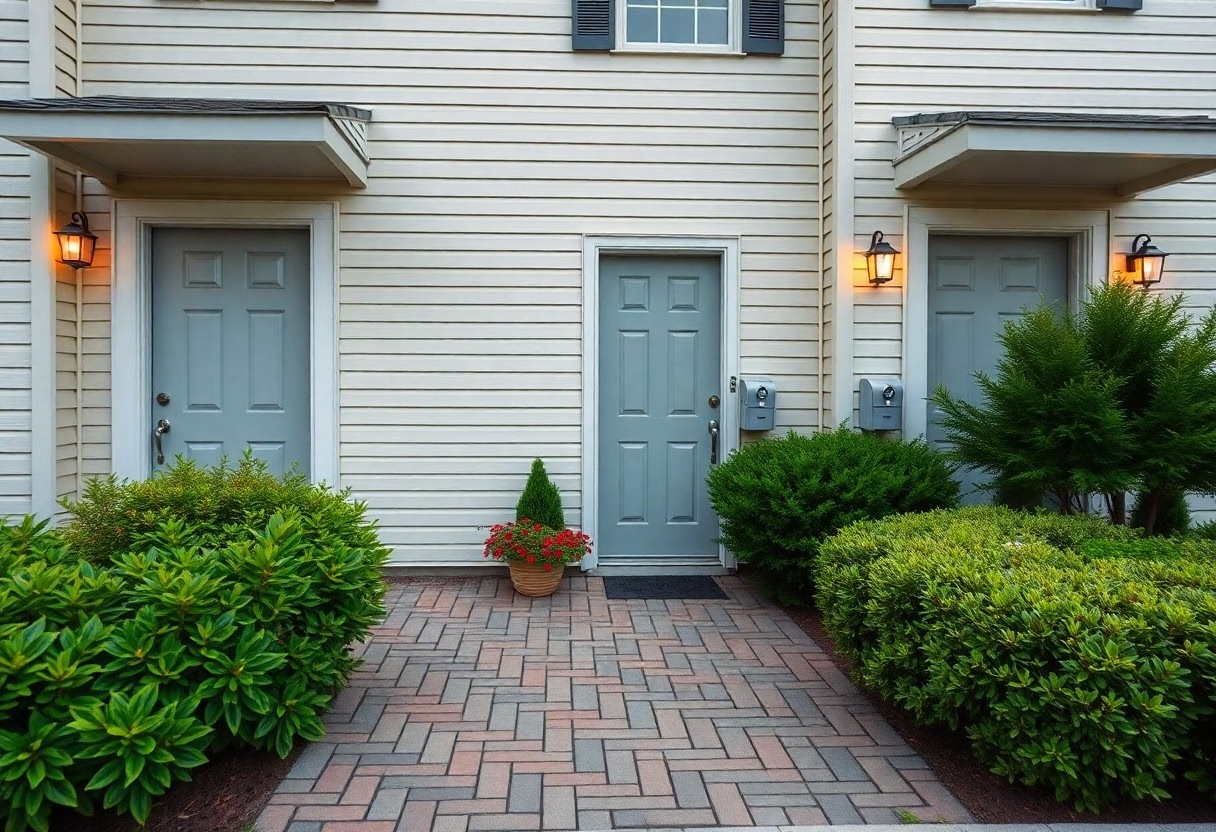
Update entryways with fresh paint, new hardware, bright numbers, and secure lighting to signal safety and care. You create a welcoming first impression that draws quality applicants.
Focus on functional upgrades that reduce liability and impress applicants: install bright, timed or motion-activated LED lighting, replace worn thresholds with non-slip surfaces, display a clearly visible address, and fit high-grade secure locks or a smart lock. You should remove trip hazards, apply weather-resistant paint, and add minimal-planter accents or a porch bench to boost perceived value and justify higher rents.
Conclusion
Now you design a rental-friendly property that maximizes income by prioritizing durable finishes, efficient layouts, energy-saving systems, strong tenant screening and clear lease terms, plus adaptable spaces and targeted marketing to attract higher-paying tenants.
FAQ
Q: What design features most increase rental income for a property?
A: Adding an extra bedroom or creating a legal ADU provides the largest lift in rent by increasing usable sleeping space. In-unit laundry, a private entrance, and dedicated parking attract higher-paying tenants and reduce vacancy. Well-designed outdoor space, secure storage, and flexible rooms that serve as offices or guest spaces expand appeal across tenant types. High-quality natural light, modern fixtures, and ample electrical outlets for devices raise perceived value without large structural work. Proper permits and clear lease language for any new units prevent legal problems that could erase financial gains.
Q: Which finishes and fixtures offer the best balance of durability, cost, and tenant appeal?
A: Luxury vinyl plank and porcelain tile provide long life and easy cleaning at a moderate cost. Quartz or solid-surface counters resist staining and look premium with low maintenance needs. Matte, high-hide paints and commercial-grade cabinet hardware hide wear and are simple to touch up or replace. Stainless-steel appliances and energy-efficient HVAC reduce operating expenses and improve marketability. Choosing modular, replaceable elements such as cabinet doors, light fixtures, and handles keeps future refresh costs low.
Q: How should I design the unit to match my target tenant market?
A: Identify the tenant profile from local demand data and comparable listings; design choices should follow that profile. Families value multiple bedrooms, secure outdoor areas, and storage, while young professionals prioritize fast internet, a home office nook, and low-maintenance finishes. Students prefer furnished spaces, flexible leases, and proximity to transit, and short-term renters expect full furnishings, clear check-in systems, and strong photography. Create one or two layout templates that can be adapted quickly between markets by changing furniture and minor finishes.
Q: How do I decide which upgrades to fund first to get the best return on investment?
A: Start with systems that affect habitability and operating cost: heating/cooling, plumbing, electrical, roof, and water heaters. Next, invest in kitchens and bathrooms, where modern fixtures and surfaces typically produce the largest rent lift per dollar. Improve curb appeal and interior paint to reduce time on market, then add targeted comforts like in-unit laundry, storage solutions, and smart thermostats. Use simple cost-versus-added-rent calculations and local rent comp data to estimate payback periods before committing to major projects.
Q: What design choices support flexible rental models (short-term, long-term, mixed) to maximize income?
A: Install durable, easy-to-clean flooring and neutral finishes to allow rapid turnover between tenants. Design units for convertibility with lock-off options or separate entrances to enable short-term use or subletting when allowed by local rules. Provide furnishings that are modular and replaceable for short-term rentals, and fit submeters or utility billing setups to pass costs to occupants when legal. Confirm zoning, licensing, and insurance coverages for the intended rental type, and plan storage and cleaning workflows to keep operating costs predictable.
Compare upgrade costs before you renovate a unit with the house renovation cost calculator.