The Rise of 3D‑Printed Houses – Affordable, Fast & Sustainable Homes
3D-printed houses are built by machines that extrude concrete or other mixes layer by layer. They can cut construction time and waste and may help with housing affordability. Here is how the technology works, real projects, the current limitations and where printed homes are heading.
Table of Contents
Key Takeaways: 3D Printed Houses
- 3D-printed houses offer significant cost savings compared to traditional construction methods, making homeownership more accessible.
- The rapid construction process enables quicker project completion, addressing urgent housing needs effectively.
- 3D printing technology promotes sustainability by reducing material waste and utilizing eco-friendly materials.
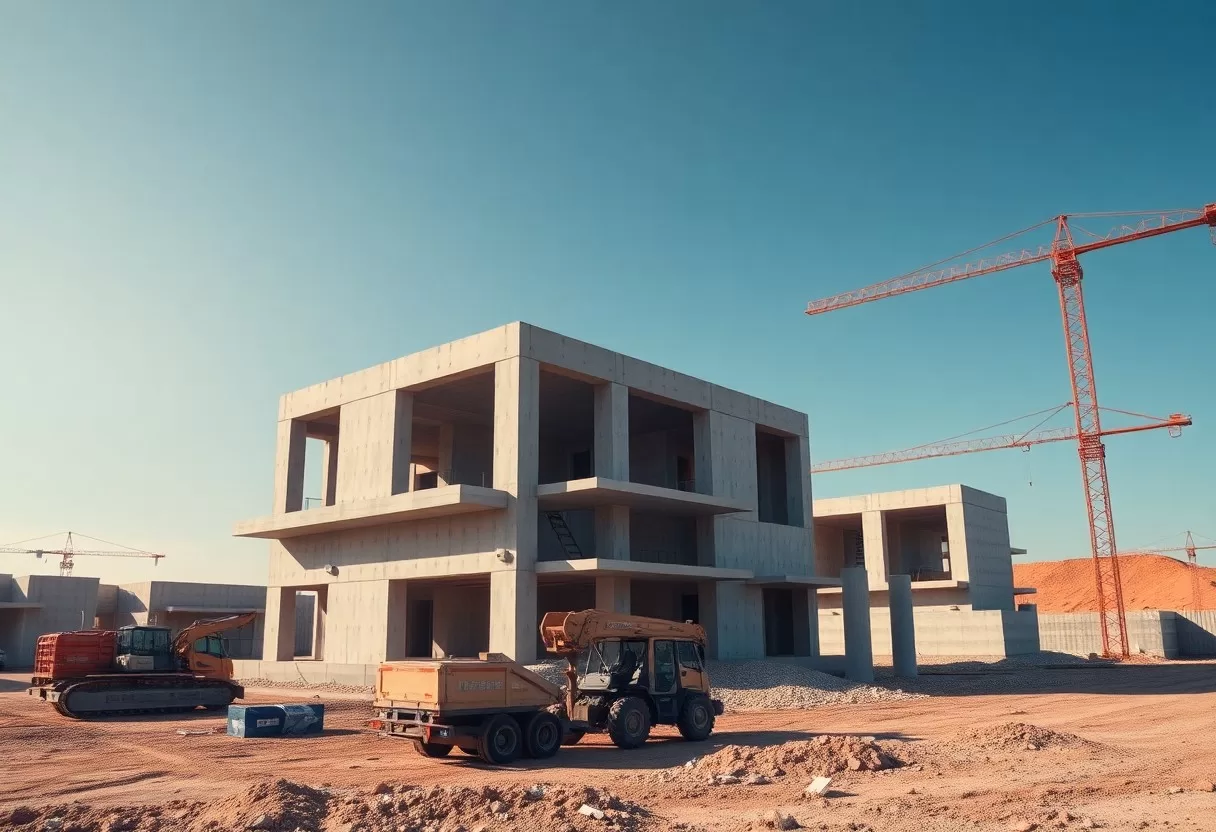
The Technology Behind 3D Printing
How 3D Printing Works
In 3D printing, a digital model is transformed into a physical object through a process called additive manufacturing. Layer by layer, materials are deposited to build structures, using techniques like extrusion or binder jetting. This innovative method significantly reduces the time needed to construct a house compared to traditional construction methods, allowing for rapid prototyping and increased design flexibility.
Materials Used in 3D Printing
3D printing utilizes a variety of materials, including concrete, plastics, and composites. Concrete is the most common choice for housing, providing durability and insulation. However, advanced materials like bioplastics and thermoplastics are gaining traction for their sustainable properties, ensuring fewer environmental impacts during construction.
For example, concrete mix specifically designed for 3D printing, often infused with additives, enhances flow properties, allowing for faster layering and better structural integrity. Innovative companies, like ICON, are employing proprietary mixtures that set rapidly while retaining strength, enabling homes to be built in days rather than weeks. Furthermore, research into recycled materials is paving the way for more eco-friendly options, enhancing the sustainability aspect of 3D-printed homes.
Advantages of 3D-Printed Houses
3D-printed houses bring a myriad of advantages, combining affordability, speed, and sustainability. With this innovative approach, you can achieve a more environmentally friendly housing solution while minimizing waste in the construction process. As detailed in The Rise of 3D Printed Houses: Changing The Future of …, these homes not only utilize less material but also significantly reduce labor costs.
Cost-Effectiveness
One of the standout features of 3D-printed houses is their cost-effectiveness. By using advanced technology, you can save on materials and labor, bringing overall construction costs down by up to 40% compared to traditional methods. This financial relief can make homeownership accessible to a broader demographic, addressing the ongoing housing crisis.
Speed of Construction
The speed of construction for 3D-printed homes is notably faster, with some structures being completed in as little as 24 hours. Traditional building methods can take several months; however, 3D printing streamlines the process by automating key stages. This rapid construction can significantly reduce waiting times for prospective homeowners, enabling quicker occupancy.
For instance, certain companies have reported that a team of just a few skilled workers can oversee the 3D printing of an entire home within a single day, leading to reduced project times and instant availability for buyers. With advanced robotics and innovative material use, the construction timeline becomes more efficient, allowing you to move into your new home without the prolonged wait typical of conventional building practices.
Sustainability in 3D-Printed Housing
By embracing 3D printing for home construction, you contribute to a paradigm shift towards sustainability. This innovative method minimizes waste and reduces the ecological footprint of traditional building processes, paving the way for affordable, eco-friendly shelters. For more insights, check out Top 5 Reasons 3D-Printed Homes Are the Future of ….
Environmental Benefits
3D printing significantly reduces construction waste, which often leads to a 30-50% decrease in debris compared to conventional methods. By using only the necessary materials, you effectively minimize the environmental impact while supporting a sustainable lifestyle.
Energy Efficiency
Energy efficiency is a key benefit of 3D-printed homes. These structures can be designed to incorporate better insulation and thermal performance, resulting in substantial energy savings. You can expect reduced heating and cooling costs compared to traditional houses.
For instance, many 3D-printed homes utilize advanced materials and designs that optimize energy consumption, often achieving an energy-efficient rating that outperforms standard builds. By incorporating solar panels and smart energy management systems, these residences can become self-sufficient, allowing you to significantly lower your carbon footprint and save on energy bills. This innovative approach not only addresses immediate housing needs but also aligns with global sustainability goals, making it a viable solution for the future.
Current Examples and Innovations
Various projects worldwide illustrate the potential of 3D-printed houses, showcasing rapid advancements and innovative approaches. Companies like ICON and SEEDhouse are leading the charge, producing homes that meet local needs while emphasizing affordability and sustainability. For instance, ICON has constructed entire communities in Texas, utilizing their Vulcan 3D printer technology to produce homes in just days. These examples highlight the ability to adapt 3D printing to different environments and cultures, proving it can revolutionize the housing market.
Notable Projects Worldwide
In the Netherlands, Project Milestone is turning heads with its 3D-printed concrete homes that blend traditional design with cutting-edge technology. Similarly, ICON’s 3D-printed village in Austin, Texas, aims to provide low-income housing, demonstrating how you can tackle housing shortages through innovative methods. Another noteworthy example is the ‘Habitat for Humanity’ initiative, which leverages 3D printing in partnership with ICON to create affordable, durable homes for families in need.
Emerging Trends in Design
3D-printed homes are increasingly reflecting personalized designs, catering to individual preferences and local requirements. With advanced software and printing techniques, you can now create unique home layouts with complex geometries that traditional methods struggle to replicate. This level of customization not only enhances aesthetic appeal but also improves functionality, allowing you to maximize space in small plots while incorporating eco-friendly materials.
Design trends are shifting toward flexibility and modularity, giving you the option to expand or modify your living space as needs change. Using biodegradable materials and energy-efficient systems is becoming more prevalent, ensuring that your home remains sustainable in the long term. Additionally, intricate patterns and textures that were once only seen in high-end architecture are now achievable, making your 3D-printed residence not just a home, but a statement of innovative living.
Challenges and Limitations
Despite the advances in 3D printing technology, several challenges and limitations must be addressed before widespread adoption can occur. Issues such as construction speed, material limitations, and financial considerations can hinder progress. Additionally, not every region has access to the necessary resources or infrastructure, creating disparities in availability and implementation. These factors contribute to a cautious approach to integrating 3D-printed homes into the mainstream housing market.
Regulatory Hurdles
Navigating regulatory hurdles remains a significant obstacle for 3D-printed houses. Building codes and zoning laws often do not accommodate these innovative structures, resulting in a complex and time-consuming approval process. Local governments might lack the resources or understanding needed to evaluate these new technologies, causing delays and uncertainty for builders and buyers alike.
Public Perception and Acceptance
Public perception and acceptance of 3D-printed homes can present a barrier to their success. Many individuals are initially skeptical about the safety, quality, and durability of these structures. Such concerns stem from a lack of familiarity with 3D printing in construction and the perception that these homes may lack traditional charm or character.
Public acceptance can be influenced by several factors, including demonstrations of durability and successful case studies. For instance, homes printed by companies like ICON have showcased not only aesthetic appeal but also structural integrity through real-world applications, gradually shifting public sentiment. Moreover, positive media coverage helps educate the public about the environmental benefits and affordability of these homes. Community engagement through tours and open houses can further bridge the gap between perception and reality, fostering greater acceptance as you learn more about the potential of 3D-printed architecture.
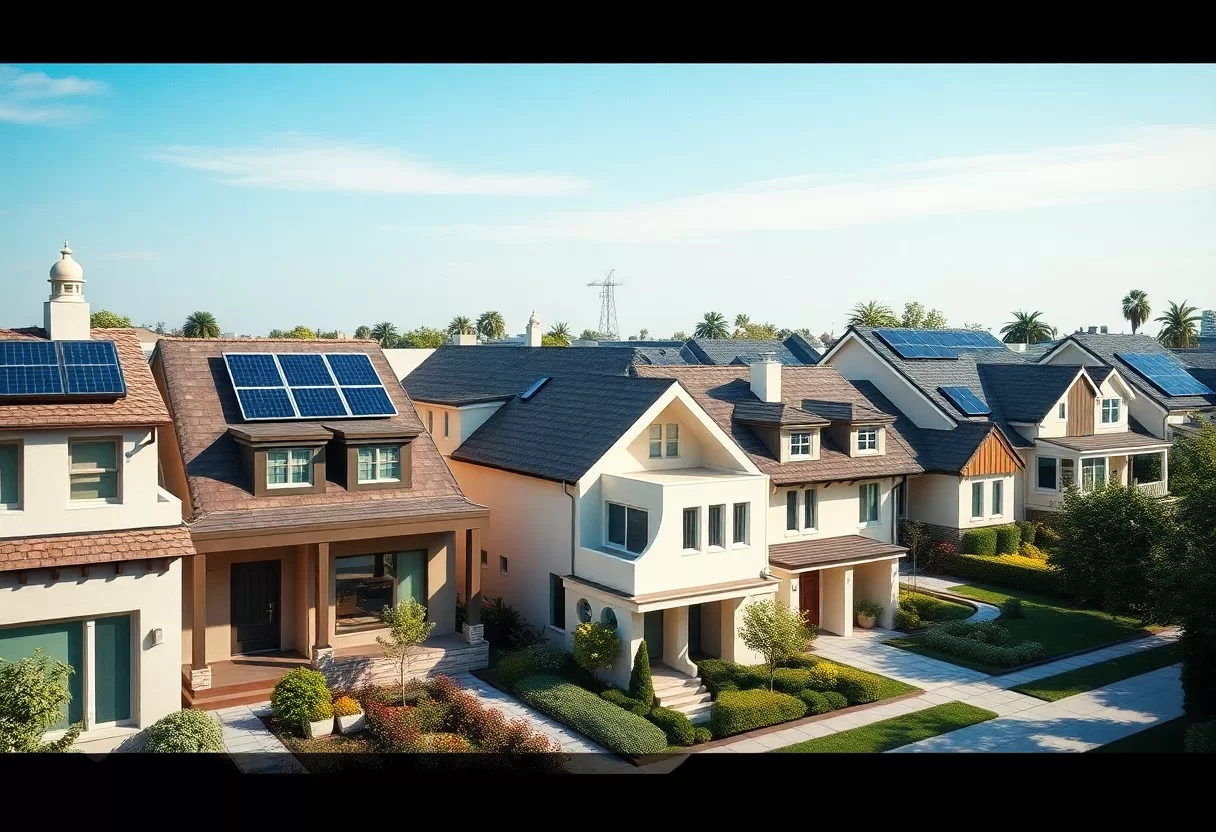
The Future of 3D-Printed Homes
As urbanization accelerates, 3D-printed homes are poised to transform the housing landscape. Their ability to be constructed rapidly and at lower costs makes them a viable solution for addressing the global housing crisis. You can expect to see a rise in adoption across various demographics, from first-time homebuyers to sustainable living enthusiasts, all seeking innovative solutions that meet their needs.
Potential Market Impact
The shift towards 3D-printed homes could revolutionize the affordable housing market, making homeownership accessible to a broader audience. You’ll find that developers are increasingly attracted to the reduced labor costs and faster construction times, ultimately passing savings onto buyers. This shift may also lead to a surplus of housing in high-demand areas, exerting positive pressure on rising market prices.
Predictions for Growth
Analysts predict a substantial growth trajectory for 3D-printed homes, projecting market expansion to reach $1.5 billion by 2025. This surge is fueled by technological advancements and heightened consumer awareness of environmental issues. As you engage with this rising trend, observe how regulatory frameworks are evolving to facilitate 3D construction methods, paving the way for new business models and consumer acceptance.
The combination of technological innovation and increasing demand makes the prospects for 3D-printed homes particularly bright. Market leaders are investing in research and development, further enhancing capabilities in customizable designs and sustainable materials. A recent study indicates that by 2030, nearly 50% of all new home construction could involve 3D printing methods, underlining its potential to disrupt traditional construction paradigms significantly.
Final Words
To wrap up, as you explore the landscape of housing solutions, 3D-printed homes offer an innovative approach that aligns with your needs for affordability, speed, and sustainability. These structures not only reduce construction time and costs but also minimize environmental impact, making them a viable option for the future of housing. Embracing this technology can empower you to make informed decisions that benefit both your financial well-being and the planet.
Q: How does 3D printing reduce the cost of housing construction?
A: 3D printing minimizes labor costs by automating construction processes, reduces material waste through precise layering, and allows for the use of cheaper materials like concrete and eco-friendly composites. These factors collectively contribute to lower overall construction expenses.
Q: What is the typical construction time for a 3D-printed house?
A: A 3D-printed house can typically be constructed within days or weeks, depending on the design and complexity. Traditional building methods often take several months, making 3D printing a significantly faster alternative.
Q: Are 3D-printed homes sustainable?
A: Yes, 3D-printed homes can be more sustainable than traditional structures. They often utilize recycled materials, generate less waste, and can incorporate energy-efficient designs and solar technology, further enhancing their eco-friendly profile.
Design your own home in 3D before it is built with our online 3D home design software.
Frequently Asked Questions
How long does it take to 3D print a house?
The walls of a small 3D-printed house can be printed in one to three days of machine time. Foundations, roofing, windows, systems and finishes still take several weeks, so total build time is shorter than conventional construction but not instant.
Are 3D-printed houses cheaper?
They can be, mainly through lower labor and material waste for walls. Savings depend on the project, local codes and finishes, which still use conventional methods.
Are 3D-printed houses safe and durable?
Printed concrete walls can be very strong and resistant to fire, pests and storms when engineered and permitted correctly. Long-term data is still limited, so choose builders with certified systems.