
Creative Ideas for Vertical Gardening in Your Apartment
Vertical gardening turns empty walls into green space, perfect for apartments with little floor area. Wall planters, hanging systems and shelves let you grow herbs, houseplants and even vegetables. Here are the best plants, techniques and design ideas for an apartment vertical garden.
Table of Contents
Key Takeaways: Vertical Garden Apartment
- Use wall-mounted planters or shelves to grow upward and keep your floor clear.
- Pick herbs, succulents and trailing plants that cope with small pots and modest light.
- Old crates, shoe organizers and plastic bottles make cheap, workable planters.
- Hydroponic or aquaponic towers grow plants in water instead of soil, which keeps things tidy indoors.
- Add LED grow lights if your apartment gets little direct sun.
Transforming Wall Spaces into Lush Gardens
A bare wall is the easiest place to start a garden in a small apartment, because it costs you no floor space. Mix leaf shapes, colors and plant sizes, and the wall becomes the first thing people notice when they walk in. Wall-mounted planters, hanging pots and vertical frames are the usual building blocks. Before you buy anything, check what the wall is made of: drywall needs proper anchors, and a wall full of wet soil is heavier than most people expect.
Choosing the Right Vertical Planters
Your planter choice affects how easy the garden is to keep alive. Every pocket or pot needs drainage, plus a tray or liner so water doesn’t run down the wall. Recycled plastic is light and cheap, wood looks warm but needs a liner to stop rot, and metal is sturdy but heats up in direct sun. Pick modular units if you can, so you can move plants around as they grow or as the light changes with the seasons.
Maximizing Light Exposure in Limited Spaces
Light is usually the limiting factor in an apartment. Put your wall garden as close to your brightest window as you can, ideally within a few feet of it. A mirror on a side wall bounces some extra daylight onto the plants. In winter, or in rooms that face north, plan on a grow light to fill the gap. Then choose plants that match the light you actually have, rather than the light you wish you had.
A mirror placed next to your planters reflects daylight back onto the leaves and makes a small room feel larger, which is a nice side benefit. For plants that want more light, such as herbs, mount an adjustable full-spectrum LED bar above the garden. Most indoor growers run these for around 12 to 16 hours a day on a simple plug-in timer. Keep the light roughly 6 to 12 inches above the foliage, and raise it if the leaves start to bleach or curl. That way each section of the wall gets the light it needs, even in a darker corner.
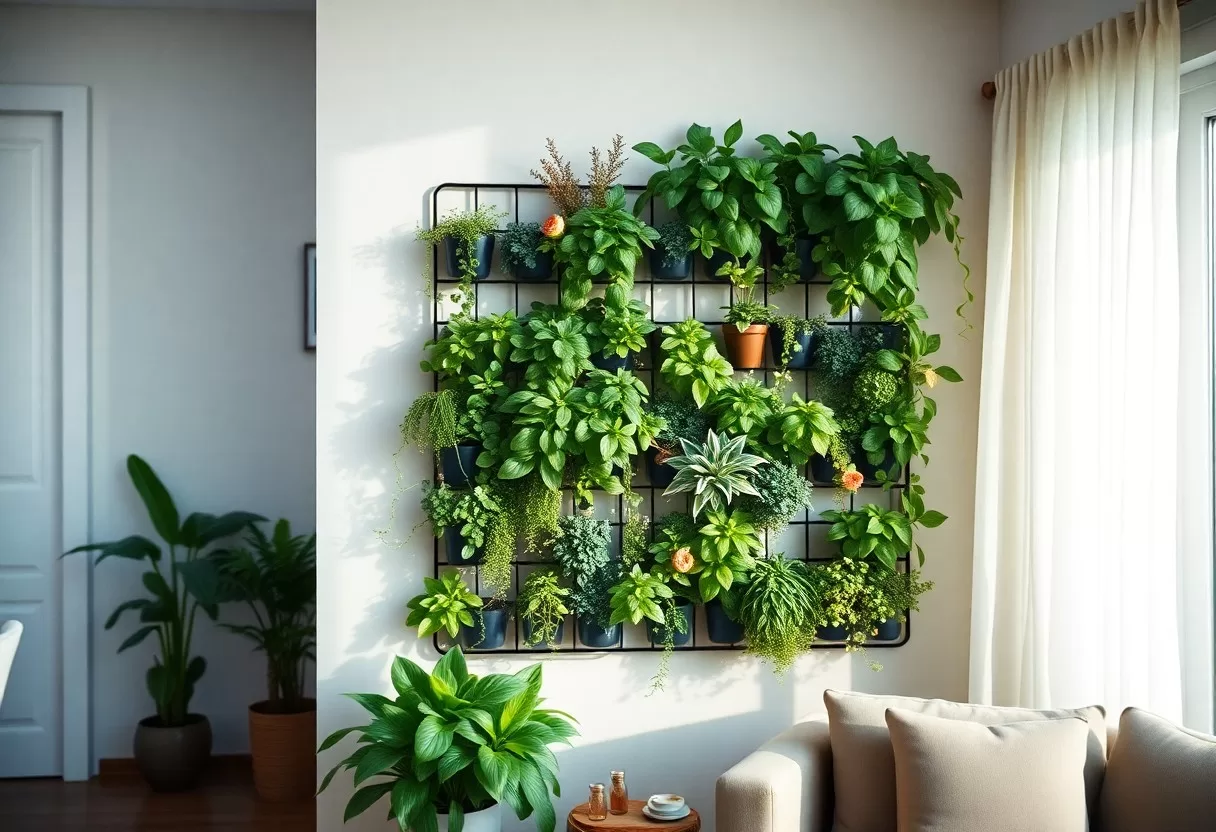
Selecting the Best Plants for Apartment Vertical Gardens
Pick the plants first and the system second. Look for species that tolerate the light you have and stay fairly compact, such as small vines, ferns and many herbs. Avoid fast, heavy growers that will shade out their neighbors within a few months. Succulents and air plants are good low-care picks for bright spots, though succulents rot quickly in wet pockets, so give them a free-draining mix and water them sparingly.
Ideal Indoor Plants for Vertical Settings
For indoor walls, pothos, spider plants and heartleaf philodendron are reliable starters. They tolerate medium to low light, grow quickly and trail nicely from shelves or wall pockets. Boston ferns and maidenhair ferns like humidity, so they do best in a bathroom or kitchen, or near a humidifier. Maidenhair is fussy and sulks if it dries out even once, so start with a Boston fern if you are new to ferns.
Edible Plants That Thrive in Small Spaces
If you want to eat from your wall, start with herbs, then try strawberries or cherry tomatoes. They stay compact, and fresh herbs alone can save you a lot of small trips to the store. Be realistic about light, though. Herbs manage with a bright window, but fruiting plants like tomatoes and strawberries need about six hours of direct sun or a strong grow light, plus pockets deep enough to hold moisture.
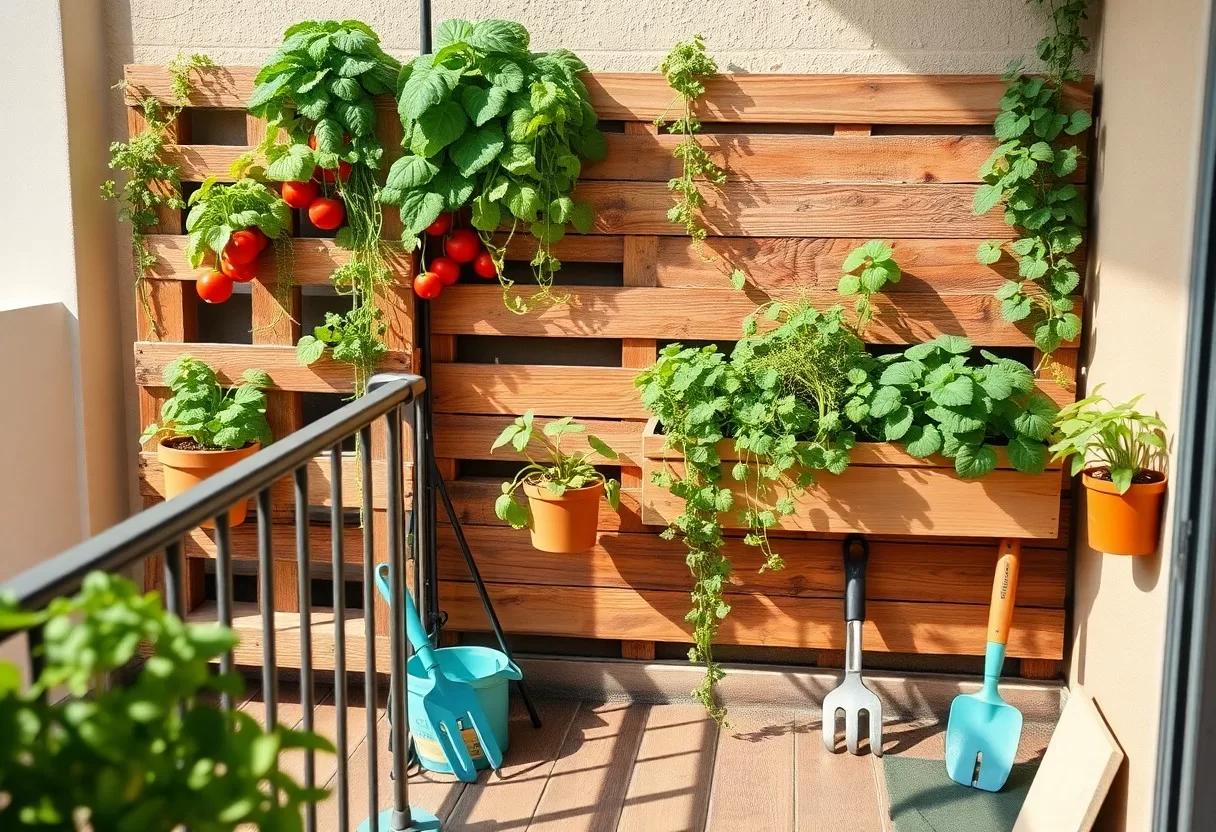
Basil, mint and parsley are good vertical herbs because they stay small and you can snip them often, which keeps them bushy. Plant mint in its own pocket, since it spreads and crowds out everything nearby. Strawberries hang their red fruit over the edge of the planter, which looks great on a sunny balcony wall. Cherry tomatoes need a stake or string to climb and a deeper container, around 5 gallons, to do well. Water fruiting plants often in hot weather, because small pots dry out fast.
Innovative Techniques for Vertical Gardening
Once the basics are in place, a few different growing methods can make your wall easier to run. Hydroponics, wall-mounted systems and simple DIY builds each solve a different problem: mess, weight or budget. Some setups also make watering and feeding more consistent, which keeps plants healthier. Here is how each option works, and where it makes sense in a small apartment.
The Power of Hydroponics and Soil-less Gardening
Hydroponic systems grow plants in water mixed with nutrients instead of soil. For apartment dwellers that means no bags of potting mix, no soil dust and fewer fungus gnats. Because you control the nutrients and moisture, leafy greens and herbs often grow faster than they would in pots. Many home units are stacked towers, so they fit a lot of plants into a footprint of a couple of square feet. The trade-off is upkeep: you need to top up the water, check the nutrient level and clean the reservoir every few weeks.
Utilizing Wall-mounted Systems and DIY Projects
Wall-mounted systems let you build a big display of plants without giving up any floor space. Options range from modular panels with built-in water channels to simple felt pocket planters made for vertical growing. DIY is a good route if you want a custom size or already have materials on hand. Wooden pallets, over-the-door shoe organizers and cut plastic bottles can all become planters. Whatever you build, add a drip tray or waterproof backing so the wall behind stays dry.
Wall systems are flexible, so you can match them to your style and your budget. A wooden pallet lined with landscape fabric makes a cheap, rustic herb wall; seal the wood and set a tray underneath to catch drips. A store-bought modular system lets you swap plants in and out and plant them in patterns or color blocks. Hang the top row no higher than you can comfortably reach with a watering can, and put the plants that need the most light at the top. DIY builds keep costs down and let you make something that fits your space exactly.
Creative Design Ideas to Enhance Aesthetics
A vertical garden is also a decorating decision. Done well, it becomes the focal point of the room, the way a large piece of art would. Choose plants with a clear color scheme, arrange them in patterns rather than at random, and pick planters that match your furniture and finishes. A cohesive look comes from repeating a few plants rather than using one of everything.
Vertical Garden Arrangements that Pop
Bold plants give the wall its character. Try leaves with strong color, like a pink-veined calathea or a dark-leaved begonia, or unusual shapes, like a fishbone cactus. Put contrasting textures side by side, such as smooth succulent rosettes next to soft, feathery ferns. Vary the heights too: upright plants at the top or center, trailing ones along the edges. That mix gives the eye somewhere to travel and keeps the wall from looking flat.
Incorporating Art and Texture with Natural Elements
Planters and decorative pieces add personality as well. Wooden frames, woven baskets and glazed ceramic pots all look good while holding plants securely. A small sculpture, a framed print or a single statement pot can break up the green and tie the wall to the rest of the room. Keep the extras few so the plants stay the main event.
Natural materials make the wall feel more like a real garden. A wooden trellis with a climbing plant suits a rustic or farmhouse room. Preserved moss and smooth stones add texture between pots and hide gaps while young plants fill in. A small tabletop fountain nearby adds a gentle water sound, and it raises the humidity a little for ferns. Choose materials that echo your floors and furniture, and the garden will look like part of the room rather than an add-on.
Maintaining Your Vertical Paradise: Tips and Tricks
A vertical garden needs a little care every week. Check that each plant still gets enough light, and look under leaves for pests. Keep watering consistent, and expect to water more in summer and less in winter. Self-watering planters help if you travel or tend to forget. Turn movable pots every couple of weeks so they grow evenly, and pinch or trim leggy stems to keep plants compact. These small habits do more for your plants than any fancy system.
Effective Watering Solutions for Vertical Gardens
Plants on a wall dry out at different rates: the top row dries fastest, and water collects at the bottom. A drip irrigation system spreads water more evenly, so each plant gets moisture without the lowest pockets staying soggy. Push a finger about an inch into the mix before watering; if it is still damp, wait. An automatic timer on the drip line means you don’t have to remember to water every day.
Fertilization and Pest Control Fundamentals
Feeding and pest control keep the garden healthy. A balanced slow-release fertilizer feeds plants gradually over a few months, so you don’t have to remember a schedule. Inspect leaves weekly for pests. If you find any, wipe them off and treat with neem oil or insecticidal soap right away, before they spread across the whole wall. Remove dead leaves and fallen debris, since they give pests and mold a place to start.
Different plants need different amounts of food. Cacti and succulents need very little: a diluted, low-nitrogen fertilizer a few times during spring and summer is plenty. Leafy herbs and fast growers like pothos benefit from a balanced liquid feed about once a month in the growing season, while most plants need little or none in winter. Watch for aphids, spider mites and fungus gnats, and catch them early. A quick weekly check-up keeps small problems from becoming big ones.
Houseplant finder
Tell us about your light and routine to get plants that will actually survive indoors.
Conclusion
You now have plenty of ideas for growing a vertical garden in your apartment. Start with one wall, a handful of easy plants and a planter that drains well, then expand once you know how much light and care your space really offers. Wall-mounted planters, hanging gardens and repurposed crates all work. Pick the approach that fits your budget and style, and enjoy building a green wall that suits the way you live.
FAQ
Q: What are the benefits of vertical gardening in an apartment?
A: Vertical gardening in an apartment makes the most of limited space by growing up instead of out. It lets you grow herbs, flowers or even small vegetables where there is no room for floor pots, and it makes a room feel greener and more inviting. A planted screen on a balcony can also add some privacy, though its effect on indoor air, noise or insulation is small.
Q: What types of plants work best for vertical gardening indoors?
A: For walls with less light, choose low-light tolerant species such as pothos, philodendron, spider plants or ferns. Herbs like basil, mint and thyme also grow well in vertical planters, but they need a sunny window or a grow light. Mixing trailing and upright plants adds visual interest and depth to your vertical garden.
Q: How do I set up a vertical garden in a small apartment?
A: To set up a vertical garden in your apartment, start by assessing your available wall space and light conditions. Create or purchase a vertical gardening system, such as wall planters, hanging pots, or a trellis. Use lightweight materials and ensure that the system is secure. Position it in an area that receives adequate sunlight and arrange your plants based on their size and light needs for optimal growth.
Q: What maintenance is required for vertical gardens in apartments?
A: Vertical gardens need regular care to keep plants healthy. Water when the top inch of soil feels dry, which varies by plant, pot size and season; small wall pockets dry out faster than floor pots. Check for pests, trim back overgrown foliage, rotate pots for even light, and feed with a diluted liquid fertilizer during the growing season to supply essential nutrients.
Q: Can I create a vertical garden without drilling holes in my walls?
A: Yes, you can create a vertical garden without drilling holes by utilizing freestanding vertical planters, leaning shelves, or using adhesive wall hooks for lightweight planters. Additionally, consider using tension rods or repurposing items like ladders and crates to create a vertical structure that can hold your plants without damaging your walls.
Plan where a green wall fits in your home with the free apartment design tool.
Related Guides
