
Vertical Vegetable Gardens – Maximizing Your Harvest In Small Spaces
If you’re short on space, vertical vegetable gardens let you grow more food on a balcony, patio or narrow side yard. Instead of spreading crops across the ground, you train them up walls, trellises and stacked planters. You keep the same footprint, but you gain growing room, better airflow and produce at a height that’s easy to pick. This guide covers structures, plants, soil, watering and pest control, with budget-friendly ideas throughout.
Table of Contents
Key Takeaways:
- Walls, trellises and vertical planters let you grow more food in a small footprint.
- Pick climbers and compact crops, such as pole beans, cucumbers, cherry tomatoes and herbs.
- Drip lines or soaker hoses keep moisture steady and cut down on runoff.
- Use a light, well-draining potting mix and feed often, since small containers run out of nutrients fast.
- Check plants weekly for pests, prune as needed and tie in new growth to keep harvests coming.
Transforming Vertical Space into Productive Gardens
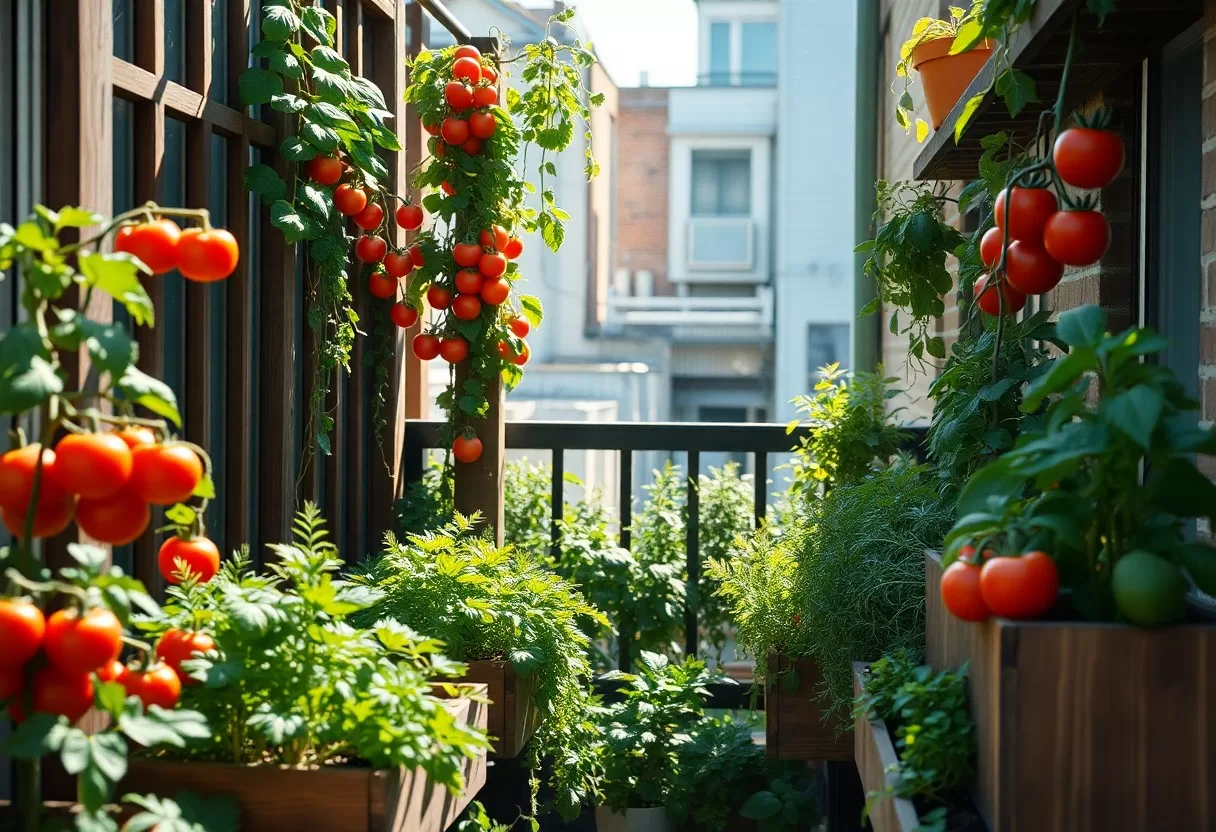
Growing up instead of out changes what a small space can produce. Climbing frames, wall-mounted planters and trellises add layers of planting, so a narrow strip can hold several tiers of crops. Placement matters most. Put structures along your sunniest wall or railing, ideally where crops get 6 to 8 hours of direct sun, and leave a few inches between planters and the wall for airflow. Even a small balcony or narrow patio can become a productive vertical vegetable garden this way.
Innovative Structures for Vertical Gardening
You don’t need expensive kits. Wooden pallets, stackable pots, gutter planters and simple hydroponic towers all make use of every square inch. Good DIY projects include lining an old wooden crate with landscape fabric or hanging a fabric shoe organizer for herbs and lettuce. Whatever you build, make sure it can carry the weight of wet soil, which is much heavier than dry mix. Anchor tall frames to a wall or post so wind can’t tip them over.
For climbing crops, a trellis about 5 to 6 feet tall suits most pole beans, peas and cucumbers. Netting or wire panels with openings of roughly 4 to 6 inches give tendrils something to grab and leave room for your hand to reach through at harvest time. When you can, run long structures north to south so both sides get sun during the day, and keep tall frames on the north side of shorter crops so they don’t shade them.
Choosing the Right Plants for Vertical Growth
The right plants make all the difference in a vertical setup. Look for varieties that naturally climb or vine, such as cucumbers, peas, tomatoes, and pole beans. Herbs like basil, parsley and mint also do well in pockets and wall planters, though mint spreads fast, so give it its own container. Check the seed packet for mature size and support needs. A plant that outgrows its frame by midsummer will bend or break it.
Some crops are especially well suited to growing up. Cherry tomatoes and snap peas climb readily and keep producing over a long season in small containers. Herbs like thyme and oregano stay compact, need no support and handle the drier conditions near the top of a wall planter. Think about sun and moisture as you lay things out. Water drains downward, so put thirsty greens on the lower levels and drought-tolerant herbs higher up. Grouping plants with similar needs makes care much simpler.
Leafy greens are another easy win. Loose-leaf lettuce, spinach, arugula and Swiss chard have shallow roots, so they grow well in pockets as small as 4 to 6 inches deep. Strawberries also suit hanging planters because the fruit stays off the ground and away from slugs. Skip large, sprawling crops like full-size pumpkins or winter squash unless you have a very sturdy frame and slings to hold the fruit. Compact bush varieties of zucchini and peppers fit tight spaces better.
The Art and Science of Soil and Fertilization
Soil and feeding are where many vertical gardens struggle. Containers and wall pockets hold far less soil than a garden bed, so they dry out faster and run short of nutrients sooner. Each system also behaves a little differently. A fabric pocket planter dries quickly, while a deep stacked pot holds water longer. Get the mix and the feeding schedule right, and the rest of the work gets much easier.
Soil Composition for Vertical Systems
In a vertical garden, the soil should be light and drain well, both to keep weight down and to protect roots from rot. Don’t use plain garden soil, which compacts in containers. A good starting blend is quality potting mix with about a quarter compost, plus perlite or coconut coir for texture and air. The goal is a mix that holds some moisture but never stays soggy or packs down hard. Refresh the top few inches with compost each season, or replace the mix in small pockets every year or two.
Nutrient Management in Limited Spaces
Nutrient management works differently in a vertical garden because there’s so little soil for roots to draw from. A slow-release fertilizer with a balanced N-P-K ratio, such as 10-10-10, gives a steady supply over several weeks. Work it in at planting time and follow the label rate. Add organic matter, such as worm castings or compost tea, a few times a season to replenish nutrients and support healthy soil life. Frequent watering flushes nutrients out of containers quickly, which is why regular top-ups matter.
Fast-growing, heavy-feeding crops need extra help in small containers. A diluted liquid fertilizer gives them a quick boost, especially during peak growth. Feeding every two weeks works well for hungry crops like tomatoes and cucumbers once they start flowering. Watch the leaves. Pale, yellowing lower leaves often point to a nitrogen shortage, while burned leaf edges can mean you’re overfeeding. If plants look off, a simple soil test kit helps you adjust instead of guessing.
Watering Strategies: Efficiently Hydrating Your Garden
Watering is the biggest routine job in a vertical vegetable garden. Plants growing upward have less soil, more wind exposure and more sun on their containers, so they dry out faster than plants in the ground. Aim targeted watering at the root zone rather than the leaves. That cuts waste and lowers the risk of fungal disease. Check moisture by pushing a finger an inch into the soil. If it’s dry, water slowly until a little drains out the bottom. In hot weather, you may need to water daily.
Irrigation Methods Designed for Vertical Gardens
A drip irrigation system is the most efficient choice for most vertical setups. It delivers water straight to the roots, which reduces evaporation and runoff. Run a main line along the top and use emitters or drip tubing for each level. Alternatively, soaker hoses can be woven along planters for a slow, even release. Add a simple battery timer so watering happens early in the morning, even when you’re away. Check emitters every few weeks, because clogs are common and a dry pocket can kill plants quickly.
If you water by hand, start at the top and work down. In pocket and tiered systems, water from the upper levels trickles into the pockets below, so the bottom tier often needs less. Self-watering planters with a built-in reservoir are another good option for balconies, since they carry plants through a hot afternoon. A thin layer of straw or shredded leaves on the soil surface also slows evaporation in open containers.
Rainwater Harvesting Techniques for Sustainability
Collecting rainwater is a simple way to save on water and give your vertical garden a steady supply. Barrels or cisterns placed under gutters capture runoff from your roof at little cost. Set barrels on a sturdy, level base, such as concrete blocks, so you can fit a watering can under the spigot. Raising them also gives you a bit of gravity pressure for a hose or a low-pressure drip line.
To get the most out of rainwater harvesting, fit a mesh screen on the barrel inlet to keep out leaves, debris and mosquitoes. Position barrels right beneath downspouts to catch as much rainfall as possible. A useful rule of thumb is that each inch of rain on 1,000 square feet of roof yields roughly 600 gallons, so even a small roof can fill a barrel quickly. Rainwater is free of chlorine, and it costs nothing. Check local rules before you install a system, since some areas regulate collection, and keep barrels covered between uses.
Seasonal Planting: Extending Your Harvest Timeline
Careful seasonal planting can stretch your harvest over many more months. Plan a mix of crops, such as leafy greens and peas in spring, tomatoes and beans in summer, and kale or radishes in fall. Succession planting, where you sow a short row every two to three weeks, and intercropping, where you tuck fast crops between slow ones, keep every level of your vertical garden producing. For more ideas from a small-space grower, listen to this podcast episode on small space vegetable gardening and growing vertical.
Year-Round Planting Strategies
Year-round growing starts with knowing your climate zone and your average first and last frost dates. Cold-hardy crops like kale, spinach and lettuce handle cool months well. Heat-loving tomatoes and peppers can be started indoors about six to eight weeks before the last frost and moved outside once nights stay above about 50°F. In winter, row covers or a clear plastic sleeve over a trellis can protect plants from light frost and keep your vertical garden productive for longer.
Companion Planting for Increased Yields
Companion planting pairs crops that help each other. Many gardeners grow basil next to tomatoes, since its strong scent may help confuse some pests. Onions and carrots are a classic pair, because onion scent is thought to deter carrot flies. Tall climbers can also shade low, cool-season greens during hot afternoons. Once you understand how different crops interact, you can plan a more productive vertical layout.
Many companion pairings come from garden experience rather than hard data, so treat them as helpful habits, not guarantees. Marigolds and nasturtiums near your vegetables can attract beneficial insects and draw some pests away. Legumes like beans and peas host bacteria that fix nitrogen in the soil, which helps the next crop you plant in that spot. These habits help you get more from limited space and keep your garden healthier overall.
Overcoming Vertical Gardening Challenges
Vertical gardening saves space and looks great, but it comes with its own challenges. The lower tiers may get too little sun, water can pool at the bottom, and the highest plants can be hard to reach. Wind and heat also hit plants on a wall harder than those in the ground. Plan for these issues from the start: put shade-tolerant greens lower down, check drainage holes, and keep the top level within easy reach, around shoulder height for most people.
Pest Management in Compact Spaces
Pests can spread fast when plants grow close together, so regular checks are a must. Look under leaves and along stems at least once a week for aphids, spider mites and whiteflies. Companion planting can help deter some bugs, and beneficial insects like ladybugs and lacewings keep aphid numbers down. When you spot a problem, act early. A strong spray of water, hand-picking or insecticidal soap usually handles small outbreaks without chemical residues on your food. Remove badly infested leaves and keep good airflow between plants.
Climatic Considerations for Optimal Growth
Adapting your setup to the local climate has a big effect on your harvest. Temperature, humidity and the length of your growing season all decide which plants will thrive. A south-facing wall can get very hot in summer, while a north-facing one may not get enough light for fruiting crops at all. Once you know your conditions, you can pick varieties suited to your region and time your planting for the best growth.
In hot climates, choose heat-tolerant varieties like cherry tomatoes, peppers and eggplant, and give containers some afternoon shade so roots don’t overheat. Dark pots absorb heat, so light-colored planters or a shade cloth can help. In cooler areas, leafy greens and herbs grow well without the stress of extreme heat, and a sunny wall adds a few degrees of warmth. On dim balconies or indoors, LED grow lights can stretch short winter days, and a reflective surface behind plants bounces extra light onto lower leaves.
Companion planting checker
Pick two plants to see if they help each other, compete, or do fine side by side.
Conclusion
A vertical vegetable garden is one of the best ways to get a real harvest from a small space. By growing upward, you can fit a wide range of vegetables onto a balcony, patio or narrow yard while keeping the ground clear. Plants also get better airflow and more sun, and the garden dresses up a bare wall. Start small with one trellis or wall planter, learn what works in your spot, and expand from there. Even the smallest area can give you fresh produce right at home.
Plan trellises and vertical planters with the free AI garden and landscape designer.
Frequently Asked Questions
What vegetables grow well vertically?
Pole beans, peas, cucumbers, small melons, squash, tomatoes and leafy greens in wall pockets. Strong supports are essential for heavier crops.
How do I water a vertical garden?
Drip irrigation or self-watering planters work best, because vertical containers dry out quickly. Water at the top so it flows down through the layers.
Related Guides
