
The Rise Of Urban Vertical Gardens – Transforming Cities Into Green Oases
Cities keep growing, and space for parks and gardens keeps shrinking. That’s why urban vertical gardens are catching on. Vertical gardens grow plants up walls, fences and building facades, so even a narrow balcony or blank courtyard wall can turn green. They make streets more pleasant, help cool the air, soften noise and give birds and insects a place to feed. Here’s how they work and why they matter for sustainable urban living, from city-scale green walls to small projects you can try at home.
Table of Contents
Key Takeaways:
- Urban vertical gardens support biodiversity by giving birds, bees and other wildlife a place to live in dense neighborhoods.
- Plants on walls help filter the air and shade surfaces, which eases the urban heat island effect.
- Green walls turn bland facades into living features that neighbors notice and take pride in.
- Vertical systems make urban food growing possible on balconies, rooftops and walls, close to where people eat.
- More cities now support green walls through policies, grants and green infrastructure plans.
Urban Gardens: A Solution to Urban Challenges
Urban gardens help with many of the problems city dwellers face. They ease pressure on drainage systems, cool hot streets and give people a reason to get outside and meet neighbors. In some areas they also supply fresh food where good groceries are hard to find. Bringing nature into crowded neighborhoods won’t solve climate change alone, but it makes cities healthier and more pleasant places to live.
Alleviating Air Pollution and Urban Heat
Urban greenery helps with air quality and heat. Leaves trap some dust and particles, and plants take in carbon dioxide as they grow. On a hot day, a planted wall stays much cooler than bare brick or concrete, because the leaves shade the surface and release moisture as they transpire. That cooling benefits the people walking by and the rooms behind the wall. The effect is strongest when greenery covers large areas and is spread across a neighborhood.
Enhancing Biodiversity and Urban Ecosystems
Vertical gardens give wildlife a foothold in cities, where natural habitat is scarce. A well-planted wall can attract birds, bees, butterflies and helpful insects like ladybugs. Mixing many plant species also makes the planting tougher, since a pest or disease that hits one plant is less likely to wipe out the whole wall. The result is a healthier local environment and a more interesting one to look at.
Use a wide mix of native and well-adapted plants in your urban garden. Natives feed local pollinators better than most exotic plants, and a varied planting holds up better over time. Choose plants with different bloom times so there is food for insects from spring through fall. Supporting local plants and wildlife helps build a more balanced ecosystem that everyone in the neighborhood can enjoy.
If you want to try a green wall at home, start with the light. Most flowering plants and edibles need around six hours of direct sun, while ferns, pothos and heuchera handle shade. A south- or west-facing wall gets hot, so choose drought-tolerant plants there. Plan for water from day one: a drip line on a timer is far easier than hand watering pockets high on a wall.
Design Innovations Fueling Vertical Gardening
Better design has made vertical gardening much easier. Modular panels, stackable planter boxes and gravity-fed or drip irrigation let you grow plants up a wall without much fuss. These systems make gardening possible in very tight spaces, like a balcony or a narrow side yard. Many kits come with built-in water reservoirs, which cut down on daily watering and make green walls practical for busy people.
Advanced Hydroponics and Aeroponics Techniques
Soilless methods like hydroponics and aeroponics take vertical gardens a step further. Plants grow in a nutrient-rich water solution or in a fine mist of nutrients, with no soil at all. Because roots get exactly what they need, many plants grow quickly and produce well, especially leafy greens and herbs. Benefits include:
- Reduced water usage compared to traditional gardening.
- Faster growth for many crops, especially leafy greens and herbs.
- Precise control over nutrients for healthy plants.
Benefits of Advanced Techniques
| Hydroponics | Highly efficient, offering water savings and increased growth rates. |
| Aeroponics | Uses up to 90% less water than soil gardening, promoting sustainability. |
Aesthetic Considerations: Blending Nature with Architecture
A vertical garden can make a building look softer and more alive. Designers mix plants with frames, trellises and planters to create walls that contrast with glass, steel and concrete. A green facade or indoor living wall changes the mood of a space and makes it more inviting. Before planning a large wall, check that the structure can carry the weight of wet soil and water.
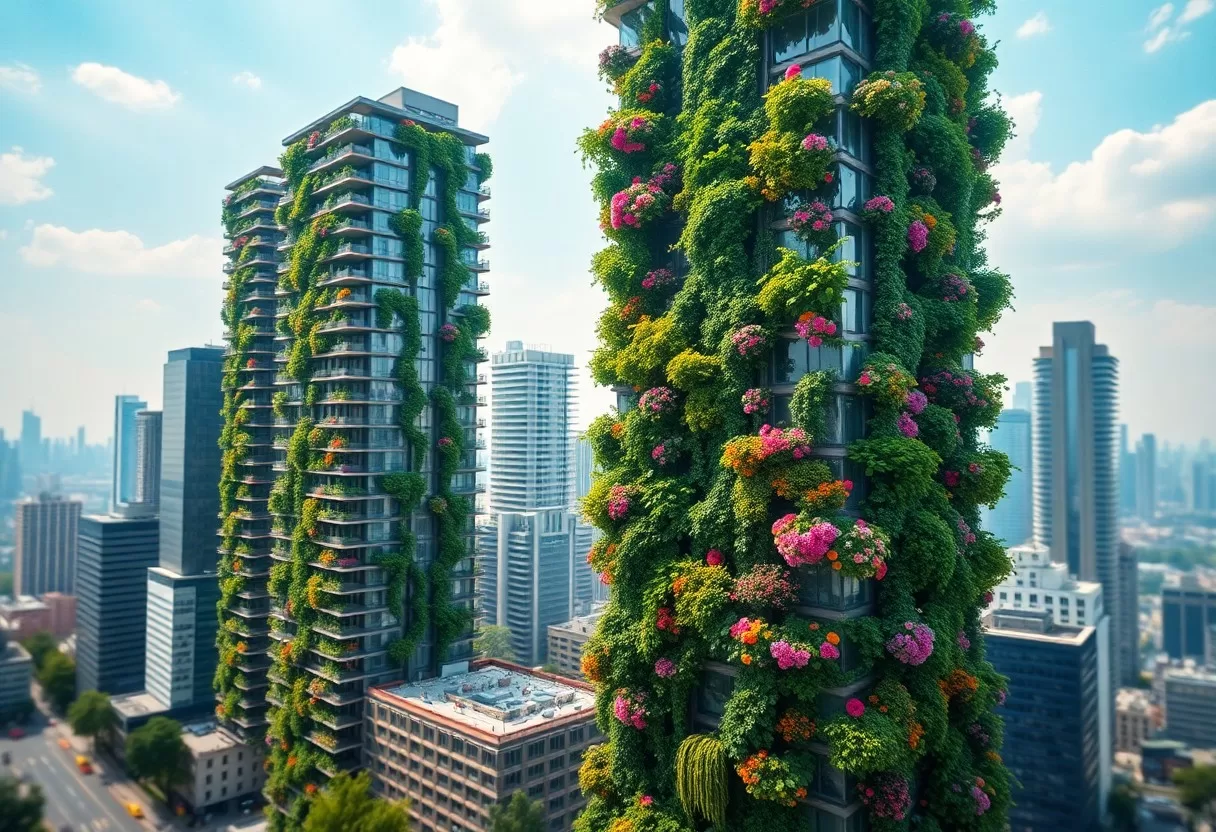
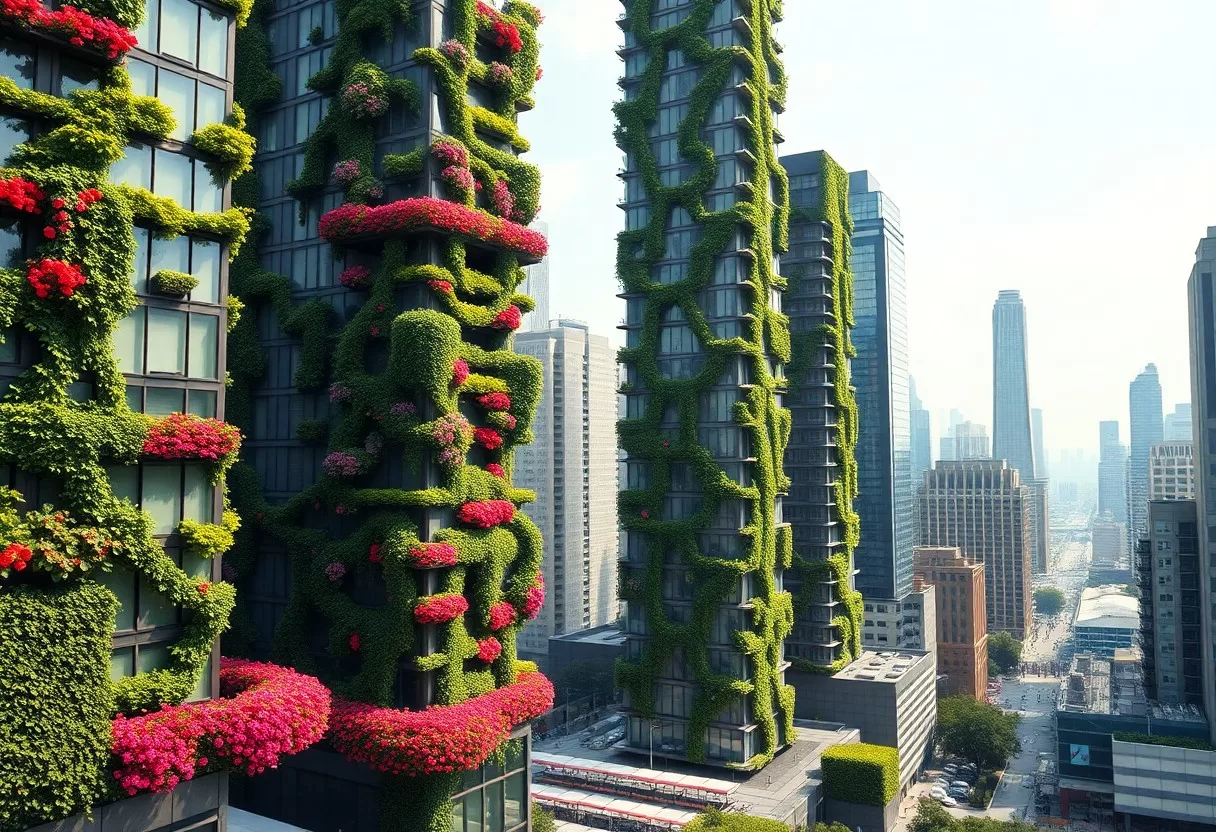
The best vertical gardens suit the building they grow on. Choose plants that follow its lines, such as neat bands of grasses on a modern facade or loose climbers on an older brick wall. Add LED lighting or an artistic trellis to make the wall a focal point that people notice. Cities such as Singapore and Milan are well known for green facades and tree-covered towers that show how plants can reshape public spaces.
Economic Benefits of Vertical Gardens
Vertical gardens look good, and they can also bring real economic benefits. In crowded cities, greenery is a selling point that can make buildings more attractive to buyers, tenants and investors. Green streets also tend to draw people in, which supports cafes and shops. Done well, vertical gardens help make a neighborhood a place where residents and businesses want to stay.
Increases in Property Values and Local Business Appeal
Many buyers and tenants will pay more for homes near trees and green space, so greenery can help property values appreciate faster. A building with a well-kept green wall stands out from its neighbors and can be easier to rent or sell. Shops and cafes on leafy, pleasant streets often see more foot traffic, too. Keep in mind that a neglected, dying wall has the opposite effect, so budget for upkeep.
Cost Savings through Energy Efficiency and Green Infrastructure
Vertical gardens can also bring cost savings on energy. The plants shade the wall and add a buffer of still air, which helps keep indoor temperatures steadier and reduces the need for air conditioning in summer. The effect is largest on sunny south- and west-facing walls. Green roofs and walls also hold back some stormwater, which eases the load on city sewers during heavy rain.
Green walls support energy efficiency by acting as a thermal barrier. They shade the building and cool the air near it, so rooms behind them stay cooler in hot months. Cleaner air and more wildlife are added benefits that help justify the upfront cost. Some cities offer incentives and tax breaks for green infrastructure, so check with your local government before you build. Lower demand for cooling on hot afternoons also helps the power grid when it is under the most strain.
Protect the building before you plant. A green wall should never sit directly against the masonry. Use a frame that leaves an air gap behind the planting, plus a waterproof backing, so moisture can’t soak into the wall. Avoid aggressive self-clinging climbers on old or crumbling brick, since their roots can work into weak mortar. Check drains, emitters and fixings at least twice a year.
Community Engagement and Social Impact
Building a Sense of Community Through Green Spaces
Urban vertical gardens can bring neighbors together. Shared green walls often turn into small community hubs where people meet. Residents gather to water and prune, swap gardening tips and sometimes host events like plant swaps or harvest days. Working on a shared project builds friendships and a sense that everyone looks after the neighborhood together. As noted in The Rise of Vertical Gardening | Earth, urban gardens give people a reason to connect.
Educational Programs and Sustainability Initiatives
Many vertical garden projects come with workshops that teach sustainable habits. You might learn about native plants, composting and organic gardening, and then put those skills to use in your own community. Schools often partner with local gardeners to run programs for students, giving kids a chance to grow food and see how plants work. These programs give you practical skills and a hands-on way to help your city become greener.
Education programs work best when people get their hands dirty. Hands-on activities, like setting up a compost bin or tending a shared bed, turn classroom ideas into real skills. Garden-to-table programs, for example, teach participants to grow their own vegetables and cook with them, which shows why local food matters. When you take part, you help build a culture of greener living in your neighborhood.
The Future of Urban Vertical Gardening
The future of urban vertical gardening looks bright as cities pay more attention to sustainability. Better designs and growing methods will make it easier to turn even small spaces into productive green areas. As more cities include greenery in their planning, vertical gardens are likely to become a normal part of buildings and streets rather than a novelty.
Policy Changes and Incentives for Urban Agriculture
Supportive policies can push more cities to adopt vertical gardening. Some local governments now offer tax incentives, grants or faster permits for installing and maintaining green walls and roofs, and some fund research projects too. These measures help aspiring urban gardeners get started and bring wider benefits for public health and the environment. Check your city’s website or planning office to see what is available where you live.
Technological Advancements on the Horizon
New technology is making vertical gardening simpler. Smart irrigation, hydroponic kits and plant care apps help you keep track of watering and feeding with less guesswork. New online platforms also connect city gardeners with local suppliers, seed swaps and advice. Together these tools lower the barrier to entry, making it easier for you to start and keep a healthy green wall.
Smart sensors can now track moisture and nutrient levels in real time and alert your phone when something needs attention. Hydroponic and aeroponic systems recirculate their water, so they use far less than watering soil by hand, and they make good use of tight spaces. As these tools get cheaper, urban vertical gardening will become more productive and easier to maintain. You can grow fresh herbs and greens and help your neighborhood ecosystem at the same time.
To wrap up
As you explore the idea of urban vertical gardens, think about how they could make your own street or building greener. They make city spaces more attractive, help clean the air and give wildlife a place to live. Including vertical gardens in urban planning, and in your own home, is a practical step toward more sustainable cities. For more ideas, read this article on Vertical Gardens and Urban Farming.
Plan a green wall for your home with the free AI garden and landscape designer.
Frequently Asked Questions
What are the benefits of vertical gardens in cities?
They shade and cool building walls and nearby streets, give insects and birds places to feed and shelter, and add greenery where there is no ground space. Effects on city air quality and noise are modest, so treat those as small extras rather than the main reason to build one.
Can I build a vertical garden at home?
Yes. Pocket planters, modular panels, trellises and shelving work on balconies, fences and indoor walls. Choose plants suited to the light and include a simple watering system.
Related Guides
