
This Simple Layout Trick Can Make Any Home Feel 2x Bigger
You do not always need more square footage to make a home feel bigger. Opening sightlines, placing furniture to keep paths clear and using vertical space can dramatically change how large a room feels. This guide explains the simple layout trick designers use and the common pitfalls that make spaces feel cramped.
Table of Contents
Key Takeaways:
- Float furniture away from walls to create depth and open sightlines, making rooms feel larger.
- Define functional zones with area rugs and furniture groupings to reduce visual clutter and improve flow.
- Keep main pathways clear and align seating toward natural focal points to maximize perceived space.
- Choose low-profile furniture and pieces with exposed legs to increase visible floor area and light flow.
- Add mirrors and vertical artwork to reflect light and draw the eye upward, creating a sense of extra volume.
The Fundamental Principle: The Power of Uninterrupted Sightlines
Sightlines that run straight through adjacent rooms let your eye travel farther, making spaces feel twice as big; arrange low-profile furniture, clear doorways, and align focal points so you preserve flow and avoid visual stops that shrink perception.
Defining Visual Continuity and Its Impact on Perception
Visual continuity is the uninterrupted path your eye follows across rooms, and you perceive more space when that path is clear; remove midline pieces and cut visual clutter to sustain depth and a sense of openness.
How the Human Brain Measures Spatial Depth and Volume
Your brain reads cues like perspective lines, occlusion, scale and lighting to estimate volume, so aligning those cues increases perceived depth and makes interiors feel larger by reinforcing key depth cues.
Eyes register layered information-foreground overlap, converging lines, repeating elements and gradual light shifts-and you rely on those patterns to judge distance; when clutter, abrupt color breaks or mismatched scales interrupt the pattern they act as visual barriers, collapsing perceived space, whereas continuous lines and aligned openings amplify volume.
Strategic Furniture Arrangement for Open Flow
Position furniture to create clear sightlines and uninterrupted pathways; when you pull seating away from walls and angle pieces toward the room’s center, you create a sense of depth that can make spaces feel twice as large and more inviting.
Implementing the “Floating” Furniture Concept
Pull couches a few inches from the wall so you can place a rug underneath and create a conversational zone; this floating layout adds depth and prevents cramped edges.
Selecting Low-Profile Pieces to Maintain Eye Level
Choose sofas and tables with lower heights so your eye travels across the room uninterrupted, making ceilings feel higher and the space appear more expansive.
Low-profile furniture reduces visual bulk so you can keep sightlines clear between windows, doors and focal points, which makes rooms read larger. You should pair these pieces with vertical touches like tall plants or slim lamps to add interest without breaking the sightlines, and avoid crowding the room with too many low elements.
Establishing Clear and Unobstructed Traffic Paths
Keep main walkways at least 30-36 inches wide and remove small tables or plants that interrupt flow so you can move naturally and the room reads as larger.
Paths should run directly between entry points and seating so you can move predictably; cluttered paths create the perception of a smaller room while clear flow makes the entire area feel open and intentional.
This Simple Layout Trick Can Make Any Home Feel 2x Bigger
Zoning breaks open cramped rooms by arranging furniture, rugs, and sightlines so you feel more space without construction. You can define pathways, align lighting, and place low dividers to double perceived room size while keeping natural light. Use scale and negative space to make each area read as purposeful, not cluttered.
Utilizing Area Rugs to Anchor Functional Spaces
Rugs anchor seating and dining zones while guiding movement; you pick sizes that fit furniture legs to create cohesive areas. Choose patterns and color contrasts to define space visually and add texture without blocking flow.
The Use of Transparent and Semi-Permeable Dividers
Screens or acrylic panels let you partition without blocking light, so you preserve openness while carving function. You can use plants or open shelving for privacy and still maintain light flow and sightlines.
Transparency gives you many material options: tempered glass, acrylic, woven screens, or translucent curtains. You should prioritize tempered glass and solid mounting because thin, loose panels can shatter and cause injury. Install low-profile frames or open shelving to preserve daylight and sightlines while keeping zones distinct; finish with secure hardware so dividers act as design, not hazard.
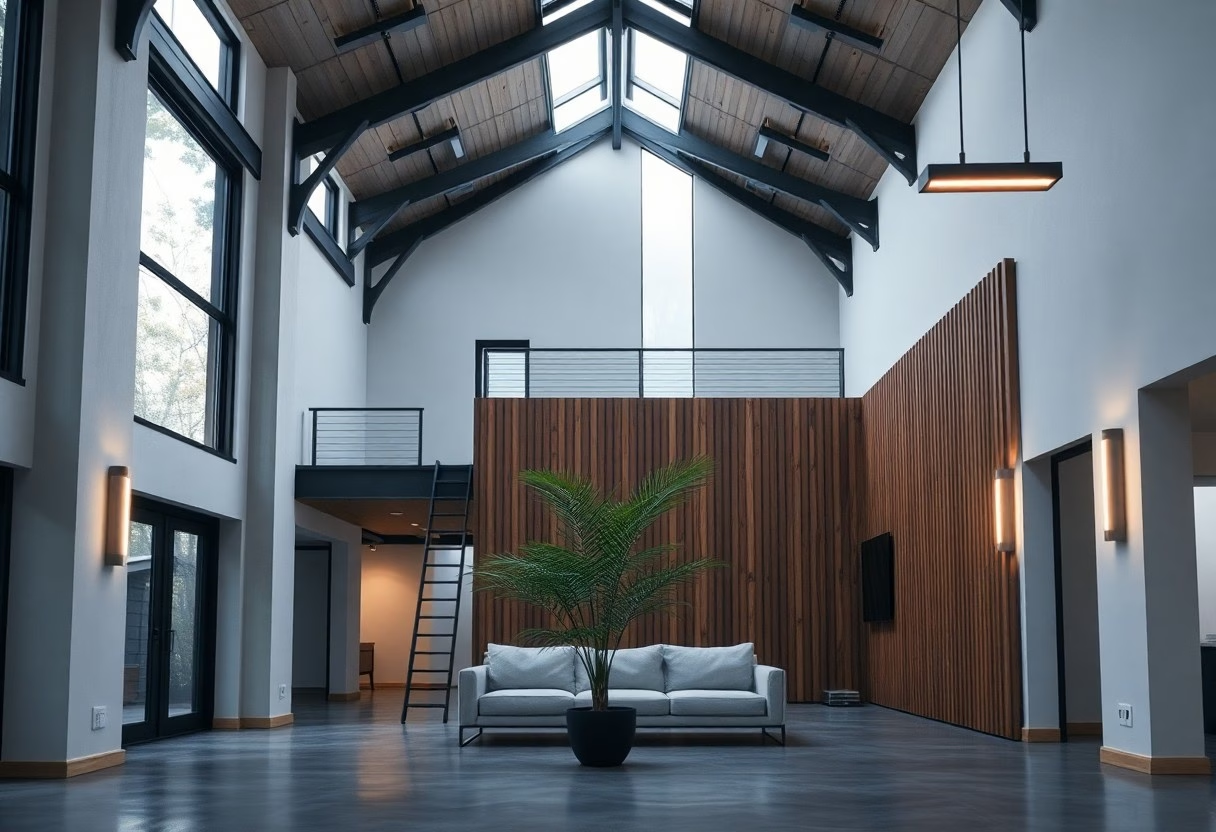
Maximizing Verticality and Ceiling Height
You can make rooms feel twice as big by emphasizing vertical lines with tall bookcases, high-mounted shelves and slim floor lamps; consult The Simple Organizing Rule That Makes Small Homes … for organizing tips that support height strategies.
Drawing the Eye Upward with Floor-to-Ceiling Features
Hang floor-to-ceiling curtains and vertical paneling, then align tall furniture to create a continuous upward sightline that makes ceilings feel higher and rooms read larger.
Strategic Mirror Placement to Double Visual Square Footage
Place a large mirror opposite a window or entry to reflect light and views, instantly creating the illusion of double the square footage and enhanced vertical openness.
Position mirrors opposite windows to bounce natural light upward and toward the ceiling, and choose oversized mirrors or stacked floor panels to reflect more vertical space. You should use secure mounting-attach to studs or anti‑tip hardware-to prevent accidents, and prefer simple frames or frameless panels so reflections emphasize depth rather than clutter.
Common Pitfalls and Implementation Strategies
You can avoid common layout mistakes by prioritizing sightlines and scale; consult 8 Easy Ways To Make Your Room Feel Bigger (No Reno … for quick tips, and watch for blocked sightlines that instantly shrink your space.
Identifying and Removing Visual Bottlenecks
Scan the room for competing focal points and remove or reposition items that create visual bottlenecks, such as oversized rugs or midline consoles that interrupt your flow.
Avoiding the Clutter Trap in High-Traffic Areas
Clear walkways by assigning storage for your daily items and keeping surfaces low-profile to prevent traffic choke points that make spaces feel cramped.
Implement a two-tiered system: keep frequently used items in accessible bins and stash overflow in concealed storage; free up entryways and corridors from furniture, use vertical solutions, and set a weekly five-minute reset so you avoid persistent clutter that sabotages the sense of space.
Balancing Minimalist Principles with Daily Functionality
Blend minimalist visuals with practical choices by selecting multiuse furniture and defined activity zones so your everyday crucials remain functional without crowding sightlines.
Plan storage, seating, and surfaces around how you actually live: integrate hidden drawers, benches with built-in bins, and a slim landing area for mail and keys so you preserve an airy look while keeping your daily routines efficient and accessible.
Summing up
With this in mind you can use strategic furniture placement, mirrored surfaces, and consistent sightlines to double perceived space; apply scale, clear walkways, and minimal clutter so your rooms feel airier and more open.
FAQ
Q: What is the simple layout trick?
A: The trick is to pull furniture away from the walls and arrange pieces around a central anchor like a rug or coffee table. Positioning seating inward opens up visible floor and creates clear circulation paths that read as more spacious. Keep furniture low-profile and proportional to maintain uninterrupted sightlines.
Q: How does moving furniture make a room feel twice as big?
A: Open sightlines and exposed floor create an illusion of depth that tricks the eye into perceiving a larger area. Spacing furniture into distinct zones reduces visual clutter and makes the room feel organized. Reflective surfaces and light finishes amplify the effect by increasing brightness and perceived boundaries.
Q: Which rooms benefit most from this layout change?
A: Living rooms, small apartments, and studio layouts show the biggest improvement when seating is re-centered. Bedrooms with tight footprints gain better flow and a less cramped feel. Entryways and dining spaces also become easier to move through and look more balanced.
Q: Can I implement this trick without buying new furniture?
A: Start by pulling seating six to twelve inches off the walls and experiment with angles until traffic flows naturally. Define the new grouping with an appropriately sized area rug and remove or store excess pieces that interrupt the composition. Reposition lamps and mirrors to boost light and reinforce the sense of space without extra purchases.
Q: What common mistakes should I avoid when rearranging?
A: Overcrowding the center of a room or creating an island with no clear walkway defeats the purpose. Choosing a rug that’s too small or furniture that overwhelms the scale will make the room feel smaller. Piling surfaces with decor or using heavy window treatments can close visual space, so keep accessories minimal and fabrics light.
Try opening sightlines and moving furniture in the free 3D room designer to see the difference.