
Maximizing Space – The Best Furniture Layouts for Small Apartments
A good small apartment furniture layout decides whether the space feels cramped or comfortable. Keeping clear walkways, choosing multifunctional pieces, zoning open areas and storing vertically make every square foot count. Here are the layouts and tricks that work best.
Table of Contents
Key Takeaways: Small Apartment Furniture Layout
- Pick multi-functional furniture, such as a sofa bed or storage ottoman, to get more use from less space.
- Arrange furniture so open areas connect smoothly and walkways stay clear.
- Use vertical space with tall bookshelves or wall-mounted shelves to free up the floor.
- Choose smaller-scale furniture that fits the proportions of the room.
- Place mirrors across from windows to bounce light and make the room look bigger.
Optimizing Layout: The Power of Flow
Good flow makes a small apartment easier to move through and nicer to look at. Position furniture so walkways and sightlines stay open, and even a tiny room feels open and inviting. Walk through your daily routine, from the front door to the kitchen, sofa and bed, and move any piece that blocks the way. When nothing forces you to squeeze or zigzag, the whole space feels calmer.
Understanding Movement in Space
Start by looking at how you actually move around your apartment. Main walkways should be clear and direct, about 30 to 36 inches wide, with no awkward turns around furniture corners. Leave about 14 to 18 inches between the sofa and coffee table so you can reach a drink and still pass by. Arrange seats so people can talk face to face, roughly 8 feet apart at most, while keeping an easy path to the other rooms.
Balancing Aesthetics and Functionality
Balancing looks and function goes beyond style. Choose furniture that suits your taste and also does a job. A good-looking coffee table with drawers or a lift-up top, for example, hides remotes, chargers and magazines so the room stays tidy and still looks put together.
As you plan, give every piece at least two reasons to be there. Furniture should fit your style and earn its space through use. A side table can hold a lamp and a stack of books and still leave room for your coffee mug; one with a drawer or lower shelf is even better. Measure before you buy and check the depth as well as the width, since a sofa that is a few inches too deep can block a walkway. When each item suits both your taste and your needs, you get more from your space without giving up style.
Multifunctional Magic: Furniture That Does It All
Multifunctional furniture is the most useful tool for getting more from a small apartment. These pieces save space by doing more than one job, so you keep both style and function. Choose them carefully and your living area becomes flexible and comfortable, with every inch working for you. Look for solid hardware and mechanisms that are easy to use, since you will be folding and unfolding them often.
Identifying Key Pieces for Versatility
Start with the key pieces that do double duty. A sofa bed switches from seating to a guest bed in seconds; check the mattress quality and the open length, which is often around 7 feet. A storage ottoman is a footrest, an extra seat and a place to hide blankets or magazines. Nesting tables and lift-top or height-adjustable tables also adapt to whatever you are doing.
Creative Solutions for Dual-Purpose Furniture
Dual-purpose furniture gives you plenty of options. A folding dining table can be set up for meals and then tucked away to make room when friends come over. A wall-mounted fold-down desk works as an office during the day and closes into a slim cabinet or shelf at night. Murphy beds free up a whole bedroom’s worth of floor during the day and let you change the room’s use in seconds. Make sure wall-mounted pieces are anchored into studs.
These pieces let your apartment adapt to different needs through the day. A drop-leaf table, for example, can sit against the wall as a console and open up for dinner, freeing valuable floor space when it is not in use. Pick finishes that match the rest of your décor so the room looks consistent, and keep the number of moving parts reasonable so everything stays easy to use and the apartment stays comfortable and organized.
Zoning the Open Concept: Creating Distinct Areas
Creating distinct areas in an open-concept space makes it work better and feel more organized. When you zone the living, dining and sleeping areas, each activity gets its own place while the whole apartment still feels connected. A good small apartment furniture layout uses furniture, rugs and lighting to separate zones visually, so the space feels open rather than cluttered.
Using Furniture to Define Spaces
Furniture can define spaces without any walls. A sofa with its back to the dining area works as a natural divider, and open bookshelves can separate a bedroom corner from the living space while letting light through. Keep dividers low or open to preserve the open feel; a narrow console table behind the sofa, for instance, marks the edge of a zone without blocking sightlines and gives you a spot for a lamp.
Visual Cues: Rugs, Color, and Lighting
Visual cues such as rugs, color and lighting change how you read a space. Rugs add comfort underfoot and mark the edge of an area, like a reading nook or dining zone. Size matters: in a living area, at least the front legs of the sofa and chairs should sit on the rug, since a rug that is too small makes the room look choppy. Add a color scheme for each zone and layered lighting so each area works well and feels right.
For example, a rug under your dining table defines that space and adds warmth. Make it big enough to extend about 24 inches past the table on each side, so chairs stay on the rug when pulled out. Use slightly different colors or textures in neighboring zones to give each its own character while keeping a common palette. Layer lighting too: a pendant over the dining table and soft table or floor lamps in the living area mark each zone after dark. Together, these details make a small apartment feel organized and larger than it is.
Storage Secrets: Maximizing Vertical and Hidden Spaces
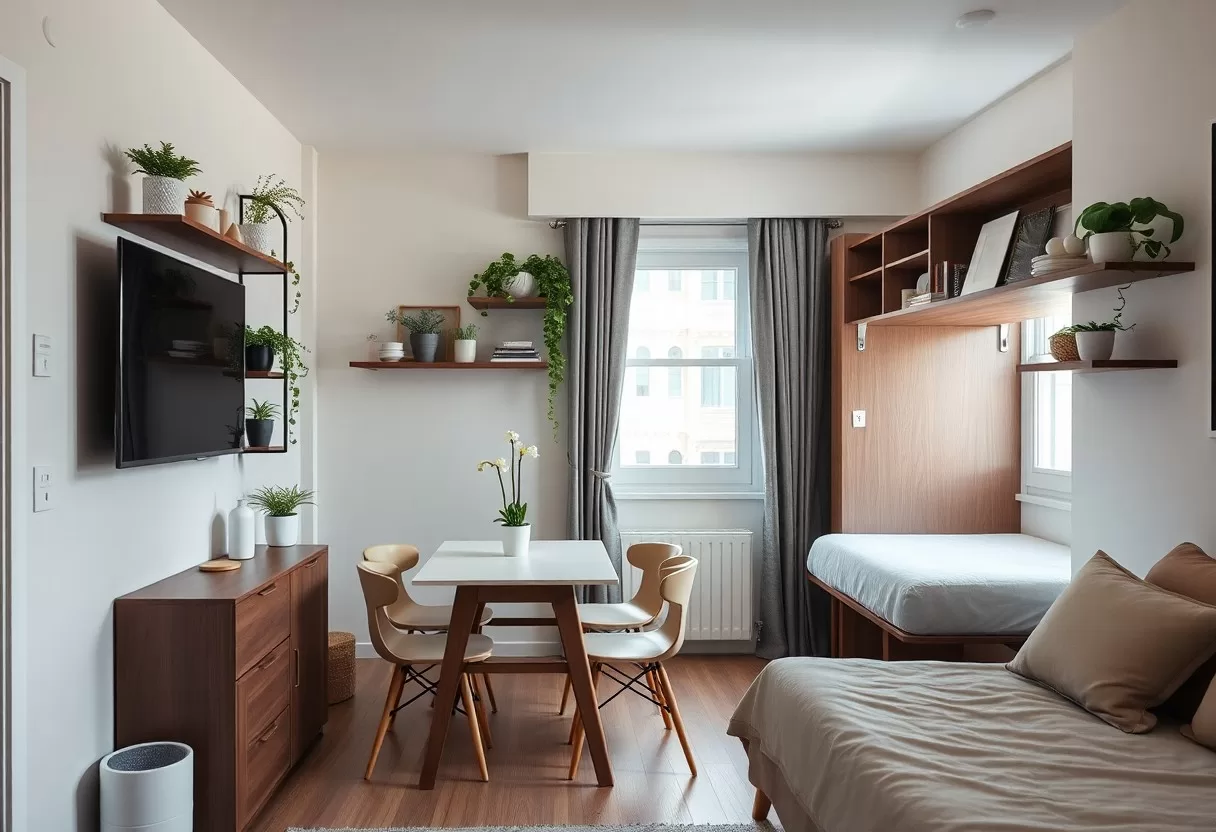
Vertical and hidden storage can change how a small apartment works. Tall shelving units draw the eye upward, making ceilings look higher while holding a lot. Use baskets or boxes on top of cabinets for things you rarely need. Under-bed containers can hold seasonal clothes or extra linens, and a bed frame with built-in drawers or a lift-up base holds even more. Wall-mounted racks and hooks keep bikes, bags and kitchen tools off the floor and counters. Anchor tall units to the wall so they cannot tip.
Innovative Storage Solutions for Small-Space Living
Look for storage that is practical and good-looking at the same time. Floating shelves display décor and hold everyday items without taking floor space. A foldable table can double as a desk or a slim console when you are not eating. Ottomans and benches with hidden compartments give you seating and storage in one. Choose closed storage for messy items and open shelves for things you like to see, and your space will stay organized and pleasant to look at.
Incorporating Built-Ins and Multifunctional Design
Built-ins and multifunctional design make an apartment both efficient and attractive. Built-in shelves or cabinets make use of wall space, including awkward spots around a window or above a door, and give you custom storage that suits your style. A Murphy bed folds into the wall and frees up floor space during the day. Storage benches and sofas with compartments keep things tidy. Custom pieces sized to your rooms give a more streamlined look and use every square foot. If you rent, freestanding units that look built-in are a good alternative.
Custom-built pieces change how you use your space. A built-in desk, for instance, replaces bulky furniture and gives you a dedicated work area that fits neatly into the living room. Matching storage to the exact dimensions of your apartment avoids the wasted gaps you get with standard furniture and keeps the layout clean and easy to move through. Well-designed built-ins add comfort without hurting the look of the room, so style and practicality work together.
Personal Touches: Making Small Spaces Reflect Your Style
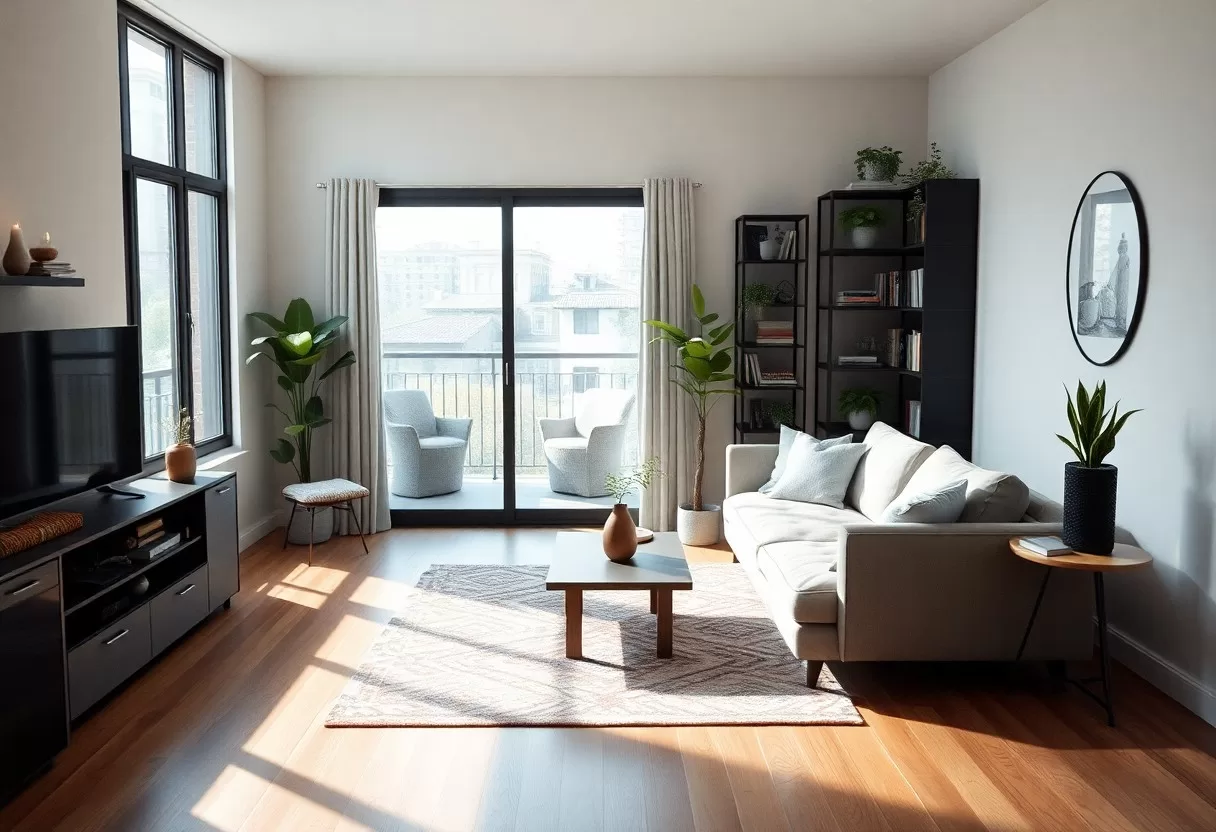
With the right personal touches, your small apartment can reflect who you are. Carefully chosen décor and accessories make the space cozy and help it feel like yours. Art, photographs and plants add warmth and personality; choose plants that suit your light, such as pothos or snake plants for low light and herbs on a sunny sill. A few meaningful pieces turn a plain rental into a home you enjoy coming back to.
Choosing Décor and Accessories Wisely
The right décor and accessories can make a small space feel larger and more personal. Focus on pieces that serve two purposes or mean something to you, like a wall-mounted shelf that displays your favorite books and photos. Use light, neutral colors for large items such as the sofa, walls and curtains, and bring in bold color through cushions, art and throws. Hang curtains close to the ceiling and wider than the window to make both look bigger.
Designing for Comfort Without Clutter
A comfortable small space comes from careful choices and very little clutter. Put comfort first with breathable fabrics, soft cushions and layered lighting that helps you relax. Place décor with care so walkways and sightlines stay open, and group small items on a tray or shelf rather than scattering them around the room.
To keep comfort high and clutter low, consider the scale and purpose of each item. Furniture that is not oversized and leaves room to move makes an apartment feel more spacious, and pieces with exposed legs show more floor and look lighter. Use multi-functional pieces that offer seating, storage or a work surface when you need it. Take a minimalist approach and keep only décor you love, so your personality comes through and the apartment stays a calm place to relax. A simple rule: when something new comes in, something old goes out.
Final Words
Getting the most from a small apartment comes down to a thoughtful layout that puts function and flow first. Place furniture to create clear zones, choose multi-functional pieces, and you will gain both comfort and usability. Add vertical storage and a lighter color palette to open up the space further. Plan your small apartment furniture layout with care, test it on paper or in a planner before you move heavy pieces, and you will make the most of every square foot.
Room size checker
Enter a room’s dimensions to see if it meets comfortable space-planning ranges.
FAQ
Q: What are the most effective furniture layouts for a small apartment?
A: In small apartments, the best layouts keep clear walkways and open floor space. Use multi-functional furniture, such as a sofa bed or an ottoman with storage. Placing larger pieces against walls frees up the center of the room, while pulling a sofa or table away from the wall can define separate areas for dining or living. Try different arrangements, such as an L-shape or U-shape seating layout, to find the flow that works best for your specific area.
Q: How can I maximize storage in a small apartment while maintaining an appealing layout?
A: Built-in shelves, tall vertical storage units and under-bed storage make good use of space that often goes to waste. Furniture with hidden storage, such as coffee tables with shelves or benches with compartments, also helps. Baskets and matching containers keep items tidy and easy to reach while looking neat. Choosing items that serve two purposes cuts clutter and leaves more floor space free.
Q: What role does color play in making a small apartment feel more spacious?
A: Light colors can make a room feel larger. Painting walls in white, light gray or soft pastel tones gives an airy feel. Keeping furniture and decor in similar colors creates visual continuity, which adds to the sense of space. A well-placed mirror reflects light and makes a room look bigger. Small pops of color in pillows, art or accessories add personality without overwhelming the space.
Q: How can I define different areas in a small apartment without using physical barriers?
A: You can define areas in a small apartment with area rugs, furniture placement and lighting. For instance, a rug under a dining table marks out a dining area, while the back of a sofa can separate the living area from a workspace. Pendant lights or floor lamps can highlight specific zones and set each one apart without the need for partitions. These tricks make the space more practical while keeping an open flow.
Q: Are there any specific styles of furniture that work best in small spaces?
A: When identifying furniture for small apartments, look for pieces that are sleek and low-profile. Mid-century modern and Scandinavian designs often complement smaller spaces well, as they emphasize functionality and simplicity. Furniture with legs can create an illusion of more space, allowing for visibility of the flooring. Additionally, modular furniture that can be easily reconfigured or stored away increases versatility, adapting to changing needs or preferences as required.
Test layouts for your apartment with the free apartment design tool.
Related Guides
