
Transformable Furniture Solutions – How Modular Pieces Make Small Homes Feel Spacious
In a small home, every square foot has to work twice. Transformable furniture, such as wall beds, extendable tables and modular sofas, lets one room serve several purposes and makes compact spaces feel open. Here is how modular pieces work, where they help most and how to design around them.
Table of Contents
Key Takeaways:
- Modular furniture lets one room handle several activities, from work to sleep to dinner with friends.
- Transformable pieces, like a wall bed or drop-leaf table, do two jobs and cut down on clutter.
- Smart layout and hidden storage make a small room look and feel bigger than its square footage.
The Importance of Space in Small Homes
In a small home, space is a premium, and the way you use it shapes how the whole place feels day to day. A room packed with bulky furniture feels tight even when it is tidy. That’s why it pays to rethink layout and storage before you buy anything new. When every piece earns its spot, rooms look calmer, you move around more easily and every corner of the house gets used.
Understanding Small Space Challenges
Small homes come with a familiar set of problems: limited storage, narrow paths between furniture and clutter that builds up fast. A good rule of thumb is to keep main walkways about 36 inches wide and leave roughly 16 to 18 inches between a sofa and the coffee table. When a room can’t give you those clearances with fixed furniture, pieces that fold, slide or tuck away are usually the fix.
Benefits of Maximizing Space
Getting the most from a small floor plan brings real gains in functionality and comfort. When you pick modular furniture and pair it with smart storage, a crowded room can handle several jobs without feeling cramped. You get a more organized home, fewer piles on flat surfaces and a calmer place to come back to at the end of the day.
Flexible pieces also change how you live in the space. A foldable dining table or a sofa bed lets you reset a room in minutes, from dinner for six to a quiet movie night. Most people find a tidy room easier to relax in, too. The goal is a home that adapts to what you’re doing right now, without giving up comfort or style.
What is Modular Furniture?
Definition and Characteristics
Modular furniture is made of separate components you can rearrange, add to or take away as your needs change. Think sectional sofas, cube shelving or desk systems that connect in different shapes. The focus is on functionality and style together, so a piece looks good in one layout and still works in the next. For more ideas, see these space‑saving furniture ideas for small apartments.
Types of Modular Furniture Available
You’ll find modular furniture for almost every room. Sectional sofas, bookshelf units and desk systems are the most common, and each one can be set up in several ways. Before you buy, check how the modules connect, whether you can add pieces later and how heavy each part is to move. That way the layout can grow with you instead of locking you in.
| Type | Features |
| Sectional Sofas | Can be rearranged; different shapes |
| Bookshelf Units | Stackable; adjustable height |
| Desk Systems | Expandable; mobile options |
| Storage Ottomans | Multi-functional; various sizes |
| Dining Sets | Foldable; expandable |
Beyond the basics, look at convertible beds that fold into sofas and flexible shelving you can resize as your storage needs change. Here are the main types worth knowing:
- Convertible Beds provide dual functionality.
- Flexible Shelving adapts to changing needs.
- Expandable Tables offer space-saving solutions.
- Stackable Chairs save room when not in use.
- Reconfigurable Sofas fit various layouts.
| Type | Benefits |
| Convertible Beds | Space-efficient sleeping solutions |
| Flexible Shelving | Customizable storage options |
| Expandable Tables | Convenient dining arrangements |
| Stackable Chairs | Easy storage |
| Reconfigurable Sofas | Custom layouts |
Mix two or three of these and a single small room can cover sleeping, working, eating and hosting.
Transformable Solutions for Every Room
If you want more examples, browse these space-saving furniture solutions for small spaces. Many of them fit into tight corners and help a room work harder without looking crowded.
Living Room Innovations
In the living room, a modular sofa is often the best first purchase. You can run it as an L-shape for movie night, split it into two smaller seats for guests or push it against one wall to free up floor space. A lift-top or fold-out coffee table can also act as a small dining or work surface, so you may not need a separate table at all.
Kitchen and Dining Adaptations
In the kitchen, extendable dining tables and folding chairs give you room for guests while staying compact the rest of the week. Plan for about 24 inches of table edge per person and around 36 inches behind each chair so people can get in and out. Check those numbers with the table fully extended, not just closed.
A drop-leaf table is a smart pick for a small kitchen. When you host, raise the leaves for extra prep or dining space, then drop them to get your floor back. Stackable or nesting chairs work the same way: keep two out for daily use and store the rest in a closet or under a bench.
Bedroom and Office Flexibility
A bedroom can double as an office with a murphy bed and a compact desk that folds away. You keep a calm place to sleep at night and a real workspace during the day. Some wall-bed units include a shelf or desk that stays level when the bed comes down, which saves you from clearing it every evening.
A wall-mounted desk gives you a dedicated work spot without using floor space. Mount it so the surface sits about 28 to 30 inches off the floor, the standard desk height. Add a few shelves above it for files and supplies, and choose a fold-down model if you want the wall clear at night. That way the room shifts between rest and work with very little effort.
Lighting matters when a room does double duty. Put a desk lamp with a warm bulb, around 2700 K to 3000 K, at the workstation so you can switch off the overhead light in the evening. A separate lamp by the bed helps the room shift from work mode back to a bedroom.
Designing with Modular Furniture
Designing around modular furniture is really about planning for change. Measure the room, sketch two or three layouts you’ll actually use and choose pieces that work in each one. Get this right and transformable furniture lets the same square footage handle new needs as your household changes, without a full redesign.
Tips for Choosing Modular Pieces
When you shop for modular pieces for a small home, check these points:
- Functionality – Ensure each piece serves multiple purposes.
- Size – Measure your space accurately to avoid overcrowding.
- Style – Choose colors and designs that reflect your personal taste.
- Materials – Opt for durable and easy-to-maintain materials for longevity.
Get these four right and each piece will keep earning its place for years.
One common mistake is buying a piece that converts well on paper but is a pain to use. If a sofa bed takes ten minutes to open, you’ll stop using it. Test mechanisms in the store, check how heavy each module is and make sure you have room to open it fully. A queen wall bed, for example, needs about 7 feet of open floor in front of the wall when it’s down.
Creating a Cohesive Design
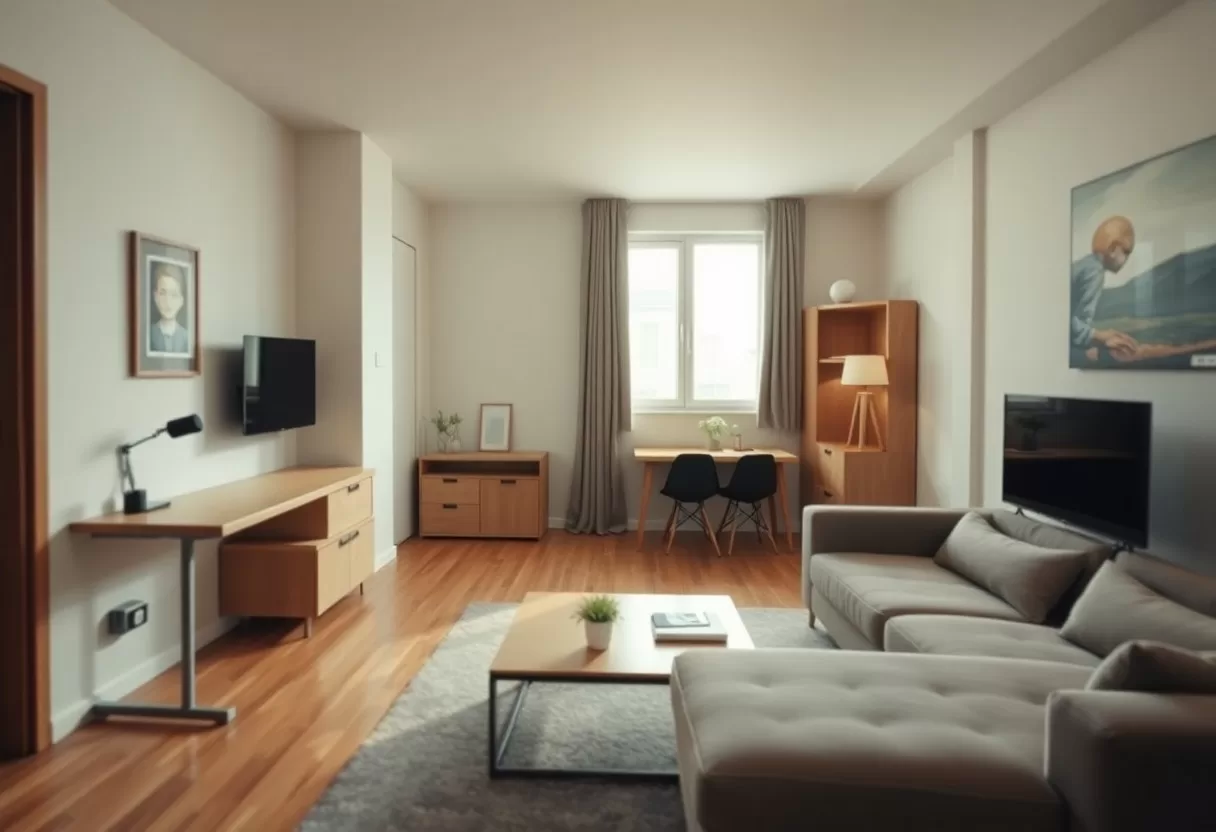
Cohesion matters when you design with modular furniture. Stick to a consistent color palette, two or three materials and a similar style across pieces. Repeating shapes and finishes, like rounded corners or the same wood tone, helps separate modules read as one set. This keeps the room calm and makes it feel larger.
For example, if you pick a modular sofa in soft gray, add storage ottomans and a coffee table in the same tone. Bring in throw pillows or artwork from that color family to tie it all together. A few repeated patterns and textures keep the space warm while each modular piece blends in, so the room looks bigger and more coordinated.
Real-Life Applications and Success Stories
Looking at how people actually use modular furniture shows why it works so well in small homes. The same few pieces can turn a single room into a bedroom, office and dining area in one day, while keeping it easy to clean and pleasant to live in.
Case Studies of Small Homes
Here are some typical ways modular furniture is used in very small homes:
- Studio apartment: A modular sofa that converts to a bed frees up floor space during the day, so one room works as both living room and bedroom.
- Tiny home: Modular wall units hold storage from floor to ceiling, which keeps counters and tables clear.
- Small flat: A dining table that folds against the wall opens up the living area when friends come over.
- Micro apartment: Tall modular shelving uses vertical space, draws the eye up and makes the room feel larger.
Testimonials from Homeowners
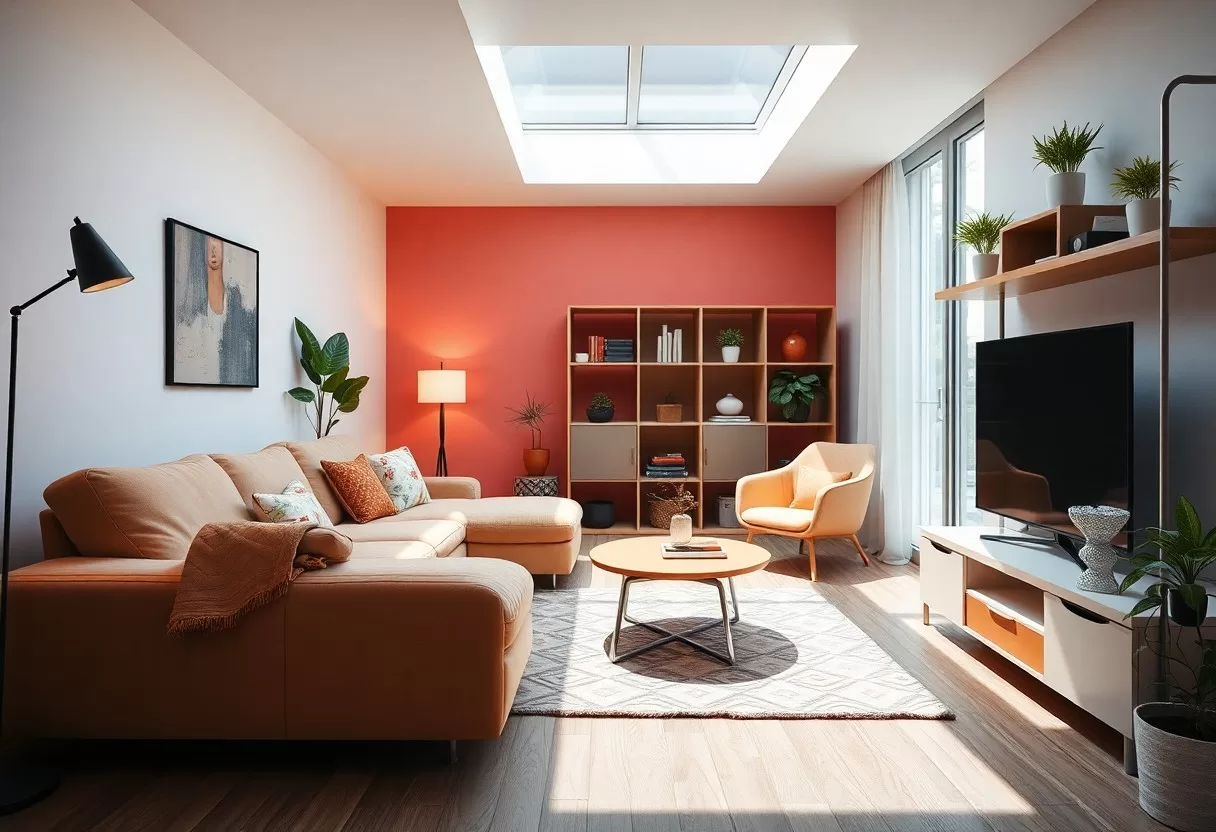
People who switch to modular furniture often say the biggest change is freedom. They can reset a room for guests, work or a workout without hauling furniture around. Daily routines get simpler, and a small home starts to feel roomier because every corner has a clear use.
Future Trends in Modular and Transformable Furniture
Expect more customization in modular and transformable furniture over the next few years. Some pieces already connect to smart home systems, such as motorized beds and desks you can adjust from a phone. As demand for personalization grows, furniture sized and configured for your exact room is getting easier to find.
Advances in Design and Functionality
New designs focus on both adaptability and looks. Better hinges, gas struts and sliding tracks make conversions smoother, so a piece can switch functions in seconds. You’ll also see more built-in features, like charging ports and hidden storage, worked into pieces that still look like regular furniture. When you shop, test the mechanism in person if you can, since it will get daily use.
Sustainable Solutions for Modern Living
Modular furniture is also moving toward greener materials. Look for solid or recycled wood, low-VOC finishes and FSC-certified wood. Pieces built to last and easy to reconfigure create less waste than cheap furniture you replace every few years.
Choosing sustainable furniture means picking pieces that fit both your space and your values. Ask whether a piece uses *post-consumer materials* and *low-emission production techniques*, and whether you can buy replacement parts. Because modular pieces can be rearranged and repurposed, one well-made set can move with you from a studio to a bigger home, which cuts down on how often you buy new. Over time, those choices shrink your home’s footprint while keeping it stylish and functional.
Final Words
As you can see, transformable furniture can make a small home far more useful and better looking. With modular pieces, you can reset a room for whatever the day brings, and the space feels bigger and fits your life better. Start with one piece that solves your biggest problem, such as a sofa bed or an extendable table, then add more as you learn how you use the room. In the end, the right furniture lets you enjoy every inch of your home without giving up style or comfort.
Q: How do modular furniture pieces optimize space in small homes?
A: Modular furniture pieces are designed to be versatile and multi-functional, allowing residents to adapt their living spaces. For instance, a modular sofa can be rearranged into different configurations depending on the occasion, while modular shelving can be adjusted in height and width to fit various wall spaces, providing storage without the bulk.
Q: Can transformable furniture be suitable for different styles of decor?
A: Yes, transformable furniture comes in a variety of styles, materials, and finishes, making it adaptable to multiple decor themes. Whether a home features modern, rustic, or minimalist designs, there are modular options available that seamlessly blend with the aesthetic, ensuring functionality without compromising visual appeal.
Q: What are the practical advantages of using modular furniture in compact spaces?
A: Modular furniture maximizes functionality by providing multiple uses for a single piece, such as a coffee table that converts into a dining table or a futon that serves as both a seating area and a guest bed. This adaptability allows homeowners to maintain a clean, open environment, reducing clutter and enhancing the overall sense of space.
Test fold-away and modular layouts in the free apartment design tool.
Room size checker
Enter a room’s dimensions to see if it meets comfortable space-planning ranges.
Frequently Asked Questions
What is transformable furniture?
Transformable furniture changes shape or function, such as a sofa that becomes a bed, a wall bed that folds into a cabinet or a coffee table that rises to dining height. It lets one room do several jobs, which is ideal for apartments and small homes.
Is modular furniture durable?
Quality varies. Look for solid frames, metal hardware and mechanisms rated for daily use, and check reviews and warranties. Well made modular pieces can last as long as standard furniture, while cheap mechanisms tend to loosen quickly.
How do I plan a small room around transformable furniture?
Measure the room in both modes, open and closed, and keep clear walking space around moving parts. Plan outlets and lighting for each use and place the largest transforming piece on the longest wall.
Related Guides
