
The Intersection Of Sustainability And Elegance – Exploring Sustainable Luxury Decor
You no longer have to choose between a home that feels elegant and one that treads lightly on the planet. Sustainable luxury decor brings the two together with well-made pieces, natural materials and ethical sourcing. The result is a space that looks refined and reflects your values. Finding the balance between rich design and environmental responsibility is worth the effort if you want rooms that feel special and last for years.
Table of Contents
Key Takeaways:
- Sustainable luxury decor pairs high-quality, eco-friendly materials with elegant design, so you don’t give up style.
- More brands now focus on ethical sourcing, less waste and repair or resale programs because buyers ask for them.
- Sustainable luxury decor gives a room a calm, rich feel while lowering its impact on the planet.
The Allure of Eco-Conscious Design
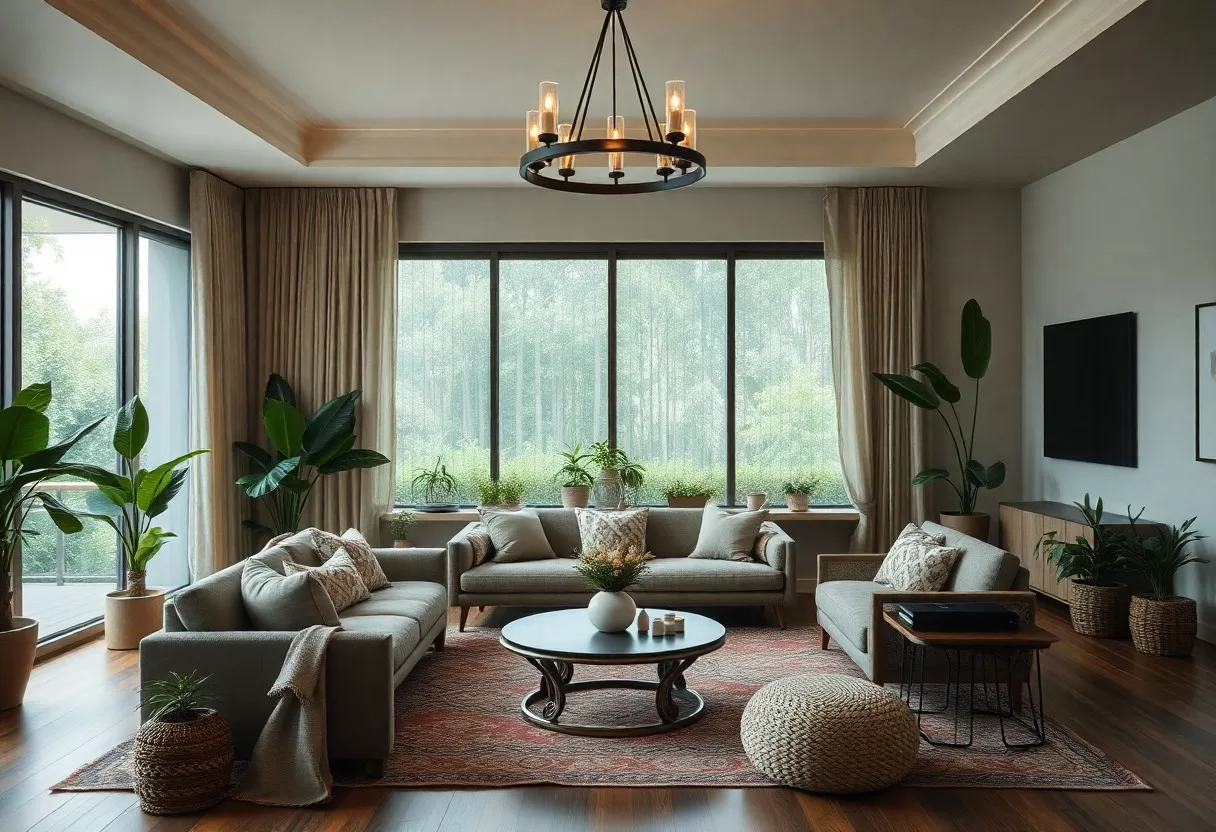
Eco-conscious design starts with a simple idea: the most beautiful things are often the ones made carefully from good materials. Think solid wood, stone, linen, wool and clay, chosen with an eye on where they came from. These pieces age well instead of looking dated after a few seasons. When you buy with that mindset, your home gains a timeless look and you replace things less often, which is the greenest choice of all.
Crafting Luxurious Spaces with Renewable Materials
Renewable and reclaimed materials are the backbone of a luxurious, low-impact room. Bamboo flooring adds warmth and comes from a plant that regrows quickly after harvest. Reclaimed wood brings history and character you can’t fake. Organic cotton, linen and recycled glass all work well in high-end rooms. Look for certifications such as FSC for wood and GOTS for organic textiles so you know the claims hold up.
Pay attention to finishes too. A beautiful oak table loses some of its appeal if it’s coated in a high-VOC varnish. Ask for water-based or natural oil finishes, low-VOC paints and formaldehyde-free board for cabinets. Your indoor air will be cleaner, and the smell of a newly finished room will fade much faster.
The Role of Artisanship in Sustainable Decor
Craftsmanship matters in sustainable decor because handmade pieces are built to last and to be repaired. When you buy from a skilled maker, you get something unique, and you usually know exactly what it’s made of. Supporting local artisans also keeps money in your community and cuts shipping distances. Many makers work in small batches with natural or reclaimed materials, so less goes to waste.
Handmade pieces have a character that factory items rarely match. Think of a dining table built from reclaimed barn wood, a wool rug woven on a hand loom or a ceramic lamp thrown on a wheel. Each one shows a focus on quality and sustainability. Ask the maker how to care for it, whether they offer repairs and what finish they used. Even small things, like a hand-poured soy candle or a carved wooden box, add warmth to a room.
Balancing Aesthetic Appeal with Environmental Responsibility
Balancing looks and responsibility comes down to a few smart choices. Sustainable luxury decor isn’t only about how a room looks; it also depends on ecologically-friendly materials and how they’re made. Choosing furniture built from reclaimed wood gives your room character and avoids cutting new trees. Add organic fabrics and non-toxic finishes, and you get a polished room that matches your values without giving up style.
A good rule of thumb is to spend more on the pieces you touch every day, like your sofa, mattress, dining chairs and bedding, and less on trend-driven accessories. Before you buy, ask three questions: What is it made of? Can it be repaired? Will I still like it in ten years? If the answers are good, it’s likely a sound purchase.
The Philosophy of Minimalism in Sustainable Luxury
Minimalism fits naturally with sustainable luxury. The idea is simple: fewer, better things. When you choose a handful of well-made pieces instead of many cheap ones, your rooms feel calmer and are easier to clean. You also support makers who build things to last. Leave some empty space around your best pieces so they stand out, and resist the urge to fill every shelf.
Secondhand and vintage pieces fit this approach well. An antique dresser, a mid-century chair or a vintage Persian rug often has better construction than new furniture at the same price, and buying it creates no new manufacturing demand. Check drawers for smooth runners, look for solid wood rather than veneer over particleboard, and budget for reupholstery if the frame is sound but the fabric is tired.
How Color and Texture Influence Eco-Friendly Choices
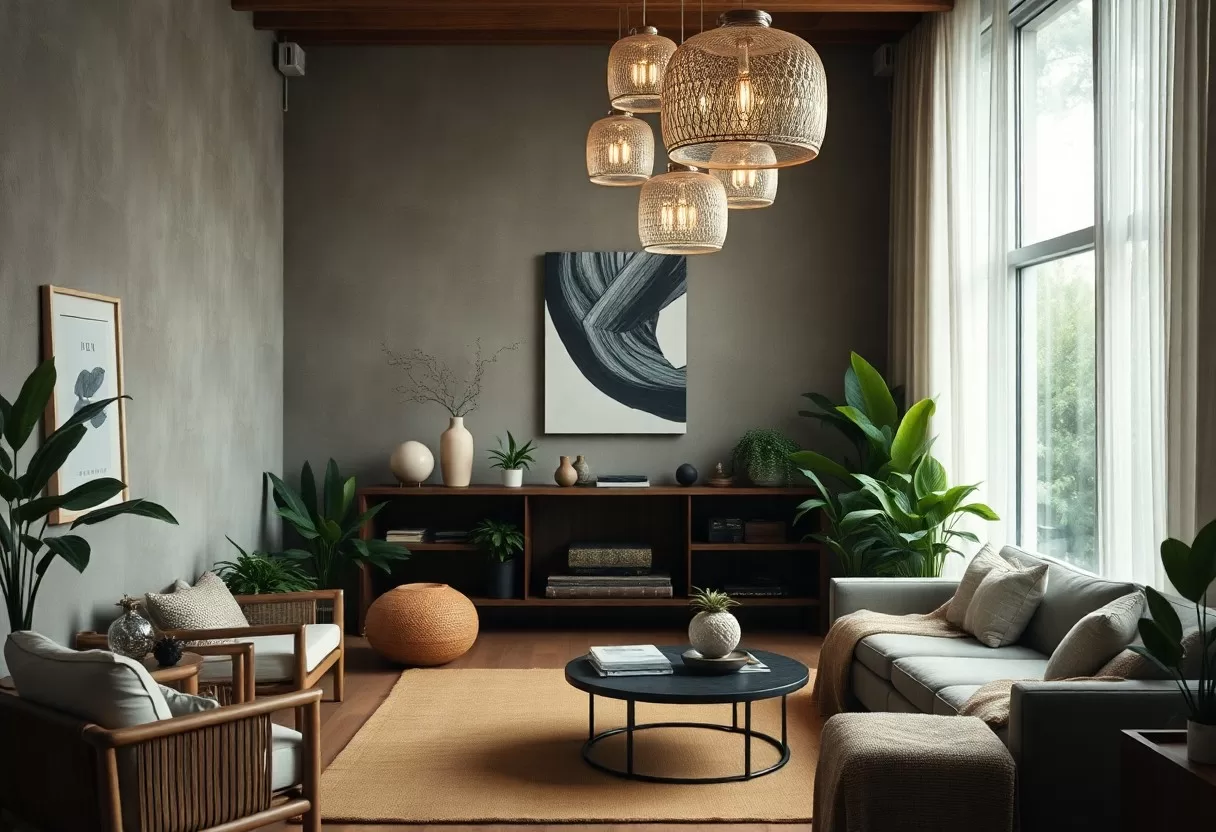
Color and texture shape how an eco-friendly room feels. Earth tones like clay, sand, olive and warm white feel calm and connect a room to nature. Texture adds depth without extra clutter. Linen curtains, a jute rug, a rough plaster wall or a bamboo side table all invite touch while using materials that are gentler on the planet.
Pull colors from nature, such as deep greens, warm browns and soft neutrals, for a relaxed, grounded look. Then layer natural fibers: organic cotton bedding, a wool throw, a jute or sisal rug. Mix smooth and rough surfaces so the room doesn’t feel flat. For paint, pick low-VOC or zero-VOC formulas. A simple plan is the 60-30-10 rule: about 60% main color, 30% secondary color and 10% accent.
Inside the Minds of Sustainable Luxury Designers
Designers who work in sustainable luxury think about a piece’s whole life, not just how it looks on day one. They choose materials carefully, check how factories treat workers and plan for repair down the line. Many take cues from nature, using organic shapes and raw finishes. For you, that means decor that feels both refined and responsible, and that holds its value over time.
Interviews with Leading Innovators in the Field
When you talk to designers working in this field, a few ideas come up again and again. Be open about where materials come from. Mix old craft techniques with newer recycled and plant-based materials. Design pieces that can be taken apart and fixed. You can use the same thinking at home: ask sellers direct questions, favor brands that share details about their supply chain and choose classic forms over fads.
The Impact of Consumer Demand on Design Choices
Shoppers have pushed the luxury market toward sustainability. Many younger buyers in particular look for products that match their values, and brands have noticed. Designers now create items that tell a clear story about where they came from and who made them. As a buyer, that gives you more choice. Look for honest details, such as material origin, certifications and care instructions, rather than vague green claims.
This change has led designers to rethink their product lines. Brands now share more about where their materials come from and how pieces are made. Small-batch collections using recycled or upcycled materials are easier to find. Style still matters, but a sustainable choice now carries its own prestige. Each time you pick a responsibly made piece, you help steer the market in a better direction.
Watch out for greenwashing. Words like “eco,” “natural” or “conscious” on a label mean little on their own. Look instead for third-party certifications, such as FSC for wood, GOTS for organic textiles or GREENGUARD for low chemical emissions, and for specific details about materials and factories. If a brand can’t answer basic questions about where something was made, treat its green claims with caution.
Realigning Consumer Expectations in the Era of Climate Change
As climate change becomes harder to ignore, more people expect luxury goods to be made responsibly. High-end no longer means only rare or expensive; it also means honest and well made. Today’s buyers want clear information about sourcing and production. For a look at how this plays out in current homes, see Luxury Home Design Trends for 2024.
The Shift Toward Conscious Consumerism
Conscious consumerism has changed how many people shop. You probably look harder at what a brand stands for before you buy. Luxury is no longer only about exclusivity; it’s also about the values behind a product. That shift shows up everywhere, from clothing to sofas to bed linens.
How Brands are Restructuring to Meet New Standards
Brands are adjusting to keep up. Many now use certified or recycled materials, cut waste in production and pay closer attention to labor practices. Some offer take-back or repair programs. For you, this means it’s easier to find luxury pieces that match your values, as long as you check the details.
Some companies have been ahead of the curve. Stella McCartney, for example, built a luxury fashion label around organic cotton and recycled materials. In interiors, many high-end designers now use reclaimed wood, natural stone and plant-based finishes. This reflects a broader shift toward caring for both people and the planet. Every informed purchase you make sends a signal that this kind of luxury is worth producing.
The Future of Luxury Decor: Sustainable Trends to Watch
The luxury decor market keeps moving, with sustainability at its forefront. Expect more renewable and recycled materials, more partnerships between big brands and small makers, and more openness about where things come from. Luxury will be measured less by flash and more by quality, longevity and a positive environmental impact. That’s good news if you want a home that feels special without the guilt.
Integrating Smart Technology for Eco-Effectiveness
Smart technology fits well with sustainable luxury decor. Dimmable LED lighting, smart thermostats and energy-efficient appliances cut energy use without asking you to change much. Motorized shades can block summer heat and let in winter sun. Choose warm LEDs around 2700 K for living spaces so the light feels cozy, not clinical. Hide the hardware where you can, so the tech supports the design instead of competing with it.
In the bathroom, pair a stone or reclaimed-wood vanity with WaterSense-labeled faucets and a dual-flush toilet. These fixtures look just as refined as standard ones but use less water. Good insulation and well-sealed windows count as luxury too: a quiet, draft-free room feels more comfortable than any fancy accessory.
The Rise of Biophilic Design Principles in Luxury Homes
Biophilic design is showing up in more luxury homes. It’s about connecting indoor spaces with nature through plants, daylight, water features and natural materials. Living walls, indoor gardens and big windows are common examples. Rooms like these tend to feel calmer and more restful, while still looking polished.
Research on biophilic design links contact with nature to lower stress and a better mood, which makes it a worthwhile investment. Reclaimed wood, stone and organic fabrics strengthen that link while keeping the look refined. Large windows and open layouts bring in daylight and garden views. If you add plants, match them to your light: snake plants and ZZ plants handle low light, fiddle-leaf figs want bright, indirect light, and most herbs need a sunny window.
Final Words
Sustainable luxury decor isn’t a passing trend. It’s a way of choosing pieces that are beautiful, well made and kinder to the planet. Start small: replace one fast-furniture item with a crafted piece, switch to natural textiles or repaint with a low-VOC finish. Over time, those choices add up to a home that reflects your style and values, and one that will still look good years from now.
Visualize eco-luxury finishes with the free AI interior design generator.
Embodied carbon calculator
Compare the up-front carbon of building a home with different structural materials.
Frequently Asked Questions
What is sustainable luxury decor?
It combines high-quality, beautiful design with responsible choices: durable natural materials, artisan-made or vintage pieces, low-toxicity finishes and suppliers with transparent sourcing.
Is sustainable decor more expensive?
Some pieces cost more upfront, but they last longer. Vintage, reclaimed and well-made items often give better value over time than fast furniture.