
Choosing Sustainable Building Materials – Your Essential Guide To Eco-Friendly Options
Building a sustainable home starts with the materials you choose. Picking eco-friendly options lowers your impact on the planet and helps create a safer living environment for you and your family, with cleaner indoor air and fewer harsh chemicals. This sustainable building materials guide walks you through the main types of sustainable building materials, how to judge them and where they make the most sense, so you can make informed decisions for your next construction or renovation project.
Table of Contents
Key Takeaways: Sustainable Building Materials Guide
- Choose renewable or reused materials such as bamboo, reclaimed wood and recycled metals.
- Look at the whole life cycle of a material: production, transport, use, maintenance and disposal.
- Check for credible labels such as FSC for wood, ENERGY STAR for windows and appliances, and Cradle to Cradle or GREENGUARD for products.
- Use low-VOC or zero-VOC paints, sealants and adhesives to keep indoor air healthier.
- Invest in durable materials that need less maintenance and fewer replacements, which saves money and waste over time.
The Environmental Impact of Your Choices
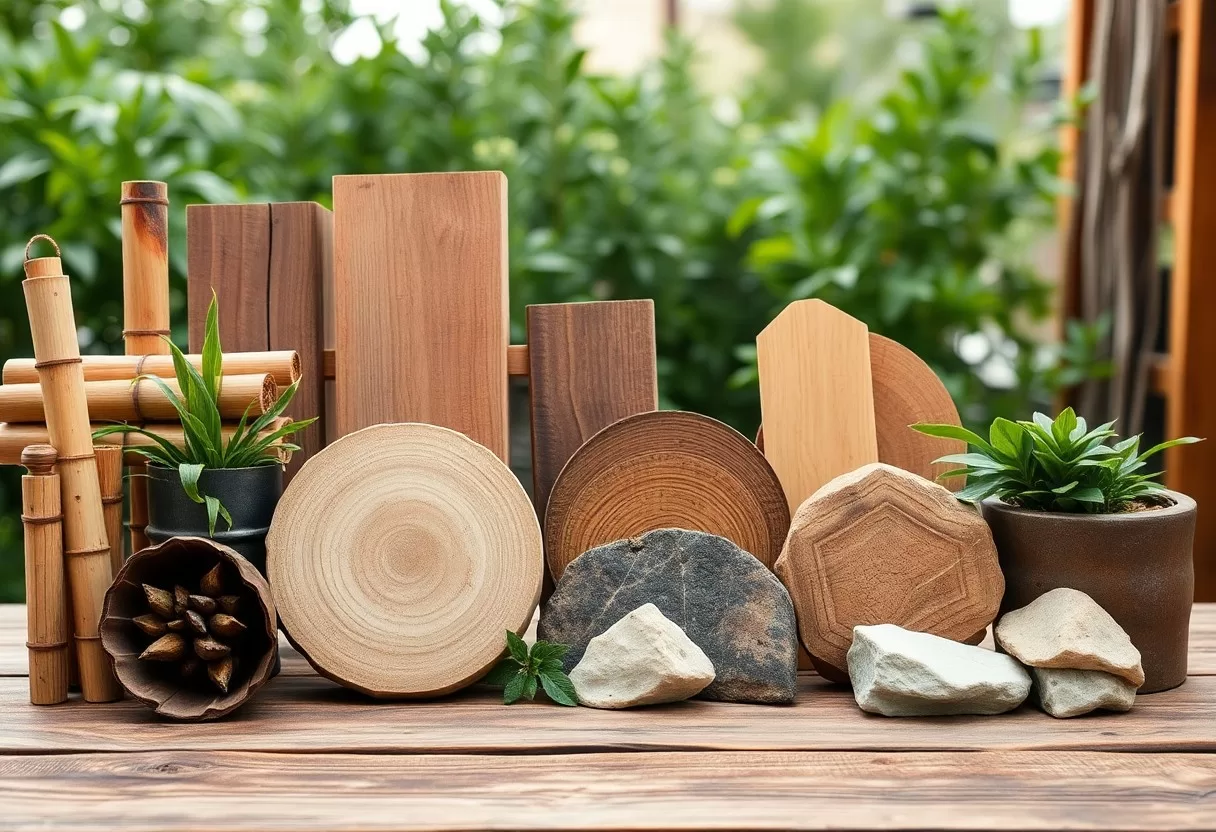
Every material you choose affects the environment, from the forest or quarry it came from to the landfill it may end up in. Sustainable options use fewer resources and create less waste. Reclaimed wood and recycled steel, for example, keep usable material out of landfills and reduce the need for new extraction. Buying from responsible local suppliers can also support your regional economy. Understanding these effects helps you weigh each option with clear eyes rather than relying on marketing claims.
Carbon Footprint Reduction in Building Materials
Your materials have a direct effect on the carbon footprint of your project. Locally sourced and recycled materials usually cut transport emissions and the energy needed for production. Bamboo, which grows quickly and absorbs carbon dioxide as it grows, can be a good alternative to some traditional lumber, though it often travels long distances, so check where it comes from. Ask suppliers for an Environmental Product Declaration (EPD), a standardized document that reports a product’s carbon and other impacts, so you can compare options fairly.
Lifecycle Analysis: From Extraction to Disposal
A life cycle assessment is essential for understanding the full impact of a building material, from extraction to disposal. It looks at the environmental costs of harvesting raw materials, manufacturing, transport, years of use and what happens at the end of the building’s life. Seeing all of these stages together helps you compare materials more honestly and spot hidden costs that a single label might miss.
A life cycle assessment accounts for energy use, emissions, water use and waste at each stage. Concrete, for example, has a high carbon footprint because cement production releases a lot of carbon dioxide. Straw bales and rammed earth generally have a much lower impact over their life cycle. You do not need a full study for a home project: ask for EPDs, choose durable products and reduce how much concrete and new material you use. Those steps alone point you toward the genuinely sustainable choices.
Navigating Certifications: Trustworthy Labels Unveiled
Certifications help you find trustworthy products among the many sustainable building materials on the market. They make it easier to sort through options and spot products that live up to their green claims. A reliable label means an independent body has checked the product against published standards, so you are not relying on the manufacturer’s word alone. Be wary of vague words like “eco” or “natural” without a recognized label behind them.
Understanding LEED, FSC, and Cradle to Cradle
LEED (Leadership in Energy and Environmental Design) is a widely recognized rating system for whole buildings, covering energy use, water, materials and indoor environment. The FSC (Forest Stewardship Council) label certifies that wood products come from responsibly managed forests. Cradle to Cradle certification looks at a product’s full life cycle, rewarding materials that are safe for people and the environment and designed to be reused or recycled.
The Role of Green Certifications in Material Selection
Green certifications give you third-party proof of a product’s environmental performance. With so many options, they simplify your choices by confirming that materials were tested against strict standards. LEED itself certifies buildings, not individual products, but choosing FSC wood, low-emitting finishes and products with EPDs can help a project earn LEED credits, lower its carbon footprint and raise its market appeal.
When you choose materials with reputable certifications, you also reward manufacturers who take sustainability seriously, which encourages more companies to follow. Certified low-emitting products help keep indoor air cleaner, and efficiency labels help cut energy use. Keep copies of product data sheets and certificates with your project records; they are useful for inspections, future renovations and resale. This way each product meets your practical and design needs while also supporting wider environmental goals.
Innovating with Heritage: Traditional Materials Reimagined
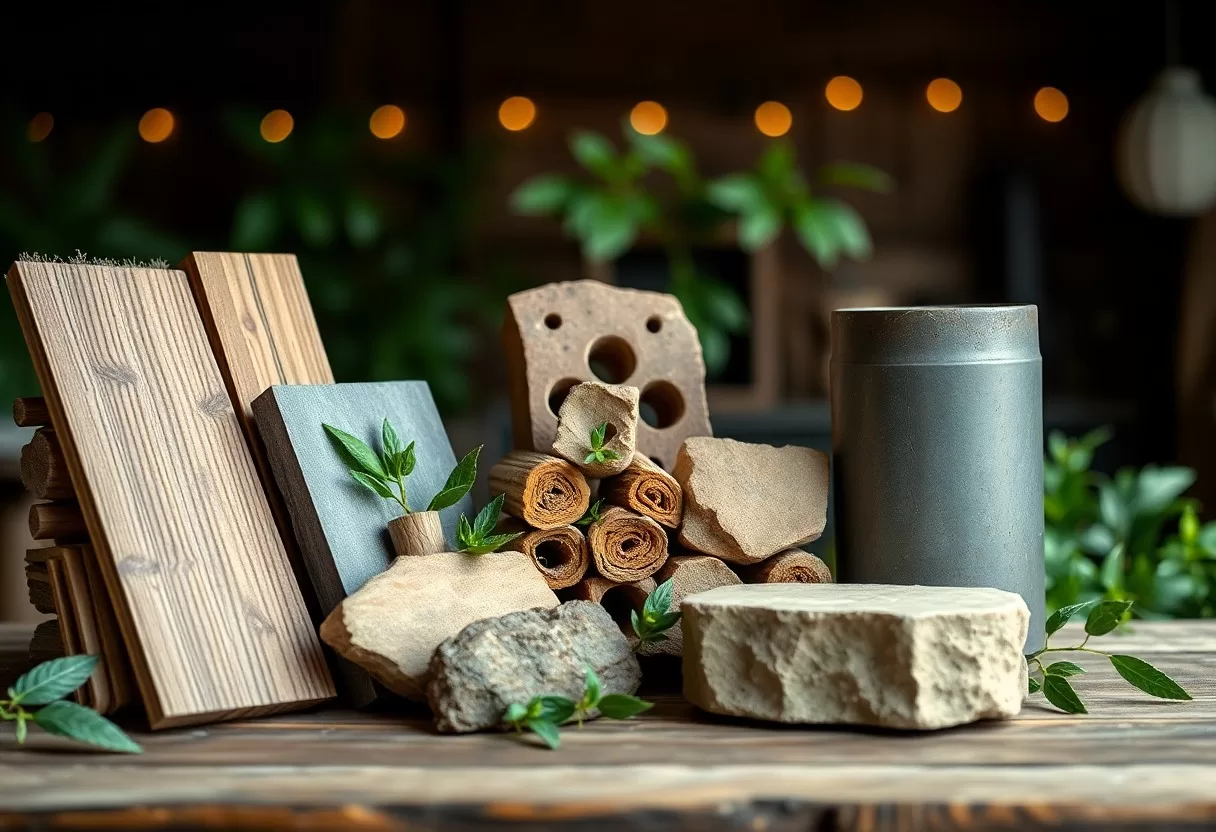
Traditional materials offer a chance to combine craftsmanship with sustainability. Timber, clay, stone and lime have been used for centuries, and they still work well when chosen and detailed with care. Modern versions, such as engineered wood like cross-laminated timber and responsibly sourced clay plasters, keep the character of these materials while meeting today’s performance standards. You can explore more options in this guide to sustainable construction materials for construction managers.
Sustainable Alternatives to Conventional Choices
Modern alternatives to conventional materials are becoming more common because they perform well and have a lower impact. Hempcrete, made from hemp hurds and lime, is a lightweight insulating wall material, though it is not structural on its own. Recycled metal and reclaimed wood offer durable options that reduce the need for new raw materials. These choices show you can build responsibly without giving up performance or good looks.
Reviving Local Materials: Economic and Ecological Benefits
Using local materials can noticeably reduce your project’s carbon footprint and support your local economy. Shorter delivery distances mean fewer transport emissions, and local builders often know how regional stone, timber or brick behave in your climate. Sourcing locally also helps preserve traditional building methods and gives your home a look that fits its surroundings.
The benefits of reviving local materials go beyond the construction phase. Using regional stone, for example, cuts transport emissions and keeps work with local quarries and tradespeople. Neighbors often respond well to buildings that look like they belong to the area. Ask local suppliers about reclaimed brick, salvaged timber and stone from demolition sites, which can cost less than new material. Choosing local supports both the environment and the community’s economy.
The Price Tag of Sustainability: Balancing Costs and Benefits
Sustainable building materials sometimes cost more upfront than conventional options. However, lower maintenance costs, lower utility bills and a longer service life often make up for the difference over time. Not every green product costs more, either; reclaimed materials and simple, durable finishes can be cheaper. Knowing where to spend and where to save helps you build sustainably without breaking the bank.
Understanding Long-Term Savings versus Upfront Investment
Looking only at the purchase price can be misleading. A sustainable material may cost more at first, yet its durability can save money over the years. Energy-efficient windows, for instance, cost more than basic units but can noticeably reduce heating and cooling bills. Compare total cost of ownership: purchase price plus installation, energy use, maintenance and expected lifespan. That simple math often makes the better material the cheaper one in the long run.
The Value Proposition of Durable, Sustainable Materials
Durable, sustainable materials offer value beyond their eco-friendly label. High-quality products need replacing less often, which means less waste and lower maintenance costs. Steel framing, for example, does not rot, resists termites and is highly recyclable at the end of its life. Fiber cement siding, metal roofing and clay tile likewise last for decades with basic care. Fewer replacements mean a smaller carbon footprint over the life of the building, so your investment works for both your budget and the planet.
The Future of Building: Emerging Trends in Eco-Friendly Materials
The future of building lies in new eco-friendly materials that reduce environmental impact and improve design. As architects and builders move toward greener practices, keep an eye on developments such as self-healing concrete and 3D-printed structures made with recycled materials. These ideas point to a construction industry that uses fewer resources and wastes less. For more on what is coming, check out The Ultimate Guide to Sustainable Building Materials in 2024.
Biodegradable Materials and Their Promise
Biodegradable materials are changing parts of the construction industry by offering options that break down naturally without leaving harmful residues. Mycelium, a fungus-based material that can be grown into insulation panels and blocks, and bamboo, which grows quickly and renews itself, show what is possible. Choosing biodegradable materials where they make sense, such as insulation, finishes and temporary structures, helps reduce landfill waste and keeps your building process eco-conscious.
Advances in Technology: Cutting-Edge Sustainable Innovations
Technology is also driving the development of sustainable building materials. Researchers are working on nanomaterial coatings, phase-change materials that absorb and release heat, and smart glass that tints in strong sun. Some of these, like electrochromic glass and cool roof coatings that reflect sunlight, are already on the market. As these products become more affordable, they can help reduce the energy your buildings use and support more sustainable building practices.
Other advances include robotics for precise assembly, which reduces waste and errors on site. Smart building systems with IoT sensors track energy and water use, making it easier for you to monitor and manage resources. Together, these tools are making buildings more sustainable and construction more efficient, pointing toward a greener industry.
Embodied carbon calculator
Compare the up-front carbon of building a home with different structural materials.
To wrap up
With this sustainable building materials guide, you have what you need to make informed decisions that benefit your projects and the environment. Prioritizing eco-friendly options shrinks your carbon footprint and often improves the durability of your buildings. As you plan your next build or renovation, start with the biggest items, such as structure, insulation, windows and roofing, then work down to finishes. Treat sustainability as a standard part of your planning, and your home will be healthier, more efficient and easier to maintain.
Preview sustainable finishes with the 3D material customizer.
Frequently Asked Questions
How do I know if a building material is sustainable?
Look at embodied carbon, recycled or renewable content, durability, toxicity and end-of-life options. Certifications such as FSC, Cradle to Cradle and EPDs help compare products.
Which certifications should I trust?
FSC for wood, Cradle to Cradle for products, Environmental Product Declarations for carbon data and GREENGUARD for indoor air quality are widely recognized.
Related Guides
