
Rainwater Harvesting in Your Garden – How to Make It Work
A rainwater harvesting system can supply much of your garden water for free. Gutters, a barrel or tank, a first-flush diverter and simple filters capture clean water that plants love. Here is how to choose, install and maintain a system and connect it to irrigation.
Table of Contents
Key Takeaways:
- Match your system to your garden size and rainfall, from simple barrels to cisterns or underground tanks.
- Use well-sized gutters and downspouts to send roof runoff straight into storage.
- Add screens, filters and a first-flush diverter to keep debris and dirt out of stored water.
- Clean gutters, filters and tanks on a regular schedule to keep water quality high.
- Check local rules before you build, since some areas limit how much rainwater you can store.
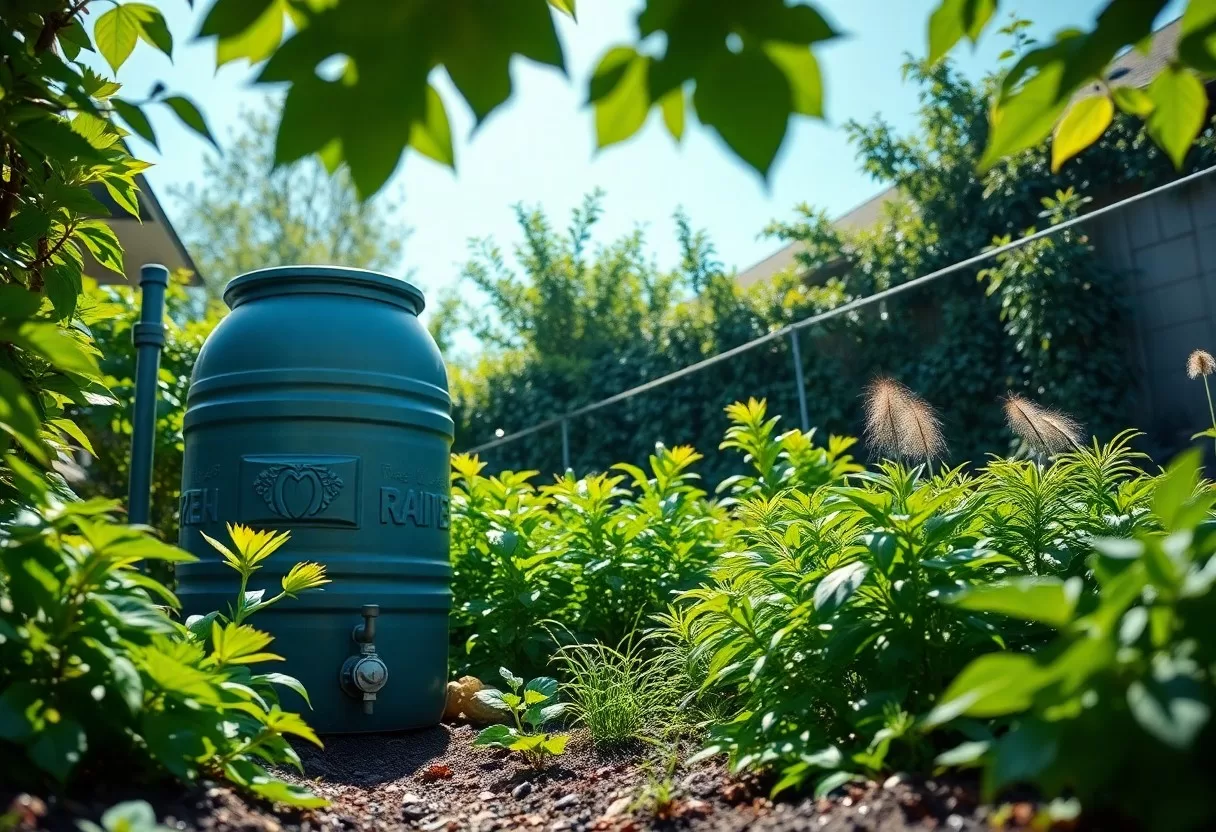
Selecting the Right System for Your Garden
The best setup is the one that fits your garden. Your garden size, local rainfall and how much water your plants use all shape the choice. Options range from a single rain barrel under a downspout to linked tanks or a buried cistern. Start with what you need now, but leave room to add capacity later. Many people begin with one barrel and add a second once they see how fast it fills.
Evaluating Your Water Needs
Start by working out how much water your garden needs, since that decides the size of your rainwater harvesting system. A common rule of thumb is that most gardens need about 1 inch of water per week, from rain or irrigation. One inch over 100 square feet of beds is roughly 62 gallons. Compare that with how often it rains where you live and how long your dry spells last. A moisture meter, or simply a finger pushed into the soil, shows when beds actually need water.
Comparing Storage Solutions
There are several storage options, each with pros and cons. Above-ground barrels and tanks cost less and are easy to install, while underground cisterns stay out of sight and hold much larger volumes. The comparison below covers the most common choices.
Storage Solutions Comparison
| Solution Type | Pros/Cons |
| Above-ground Tanks | Pros: Affordable, easy to install; Cons: Limited storage capacity, visible. |
| Underground Cisterns | Pros: Large capacity, out of sight; Cons: Higher installation costs. |
Choosing between above-ground and underground storage depends mostly on your layout and budget. A standard rain barrel holds around 50 to 60 gallons, and above-ground tanks go up to several hundred gallons or more, which suits most average-sized gardens. Underground cisterns can hold thousands of gallons but need excavation, a pump and more complex installation. Think about your long-term water needs and how the tank will look in your yard. Opaque, dark-colored tanks block light and help prevent algae.
To size storage, estimate how much your roof can collect. Each inch of rain on 1,000 square feet of roof yields roughly 600 gallons, so even a modest shed roof can fill a barrel in one storm. If your roof collects far more than your tank can hold, plan an overflow route to a rain garden or a gravel trench away from the house. Linking two or three barrels with a short hose near the bottom is an easy way to add capacity without buying a big tank.
Storage Alternatives Overview
| Alternative | Details |
| Rain Barrels | Good for small gardens, typically 50-100 gallons. |
| Large Tanks | For extensive gardens, can hold over 1,000 gallons. |
Capturing Rainwater Efficiently
Capturing rain efficiently comes down to good design and the right parts. When your catchment area channels water cleanly into gutters and storage, you collect more from every storm. Good materials and a sensible layout also prevent overflow and contamination, so the water you store stays useful for your garden.
Designing Your Catchment Area
Your catchment area is usually the house roof, though a shed, garage or greenhouse roof works too. Smooth surfaces like metal shed water best and stay cleaner than rough ones. Check the slope and make sure water runs toward the gutters without pooling. Avoid roofs treated with moss killers or wood preservatives if you’ll use the water on food crops, and trim overhanging branches to cut down on leaves and bird droppings.
Choosing Appropriate Gutters and Downspouts
Gutters and downspouts have a big effect on how well your rainwater harvesting system works. Size them for your local rainfall and roof area, since both decide how much water arrives at once. Standard 5-inch gutters suit most homes, but wider 6-inch gutters handle heavy downpours and large roofs better. Make sure downspouts are big enough for peak flow, so water reaches your tanks instead of spilling over the gutter edge.
A good gutter system moves water smoothly without overflow. Continuous, one-piece gutters made of aluminum or vinyl have fewer joints, so they leak less. Slope gutters slightly toward the downspout, about 1/4 inch for every 10 feet, so water doesn’t sit. Where a downspout doesn’t feed a tank, use an extension or splash block to carry water away from your foundation and prevent soil erosion. Gutter guards or leaf screens at the top of each downspout keep most debris out of your storage.
Water Quality and Maintenance
Water quality should be a priority in any rainwater harvesting system. Leaves, dust, bird droppings and roof grit all wash into gutters, and if they reach your tank they can cause odors, algae and clogged hoses. A few simple barriers and a regular maintenance routine keep the system running smoothly and the water clean enough for your garden.
Techniques for Keeping Water Contaminant-Free
Two simple parts keep most contaminants out: filters and first-flush diverters. Filters and screens catch leaves, debris and grit before they reach the tank. A first-flush diverter sends the first few gallons of runoff, which carry most of the dirt from the roof, away from storage. Together they greatly reduce what ends up in your water. Keep tanks sealed with tight lids and fine mesh on every opening to stop mosquitoes from breeding.
Regular Maintenance Routines
A routine maintenance schedule keeps your rainwater setup working well. Check gutters, downspouts and tanks for debris, leaks and algae, especially in spring and fall. Clean filters and screens every few months, and more often during leaf drop. Look over the whole system for blockages after big storms, and flush hoses and drip lines now and then so sediment doesn’t build up.
A good maintenance routine also follows the seasons in your climate. After heavy storms, check for sediment or organic material that may have washed into the tank. Clear gutter screens before the rainy season, and empty and scrub rain barrels at least once a year. In cold climates, drain and disconnect barrels before the first hard freeze, since ice can crack them and damage spigots. These small steps prevent bigger repairs and keep your system a reliable source of clean water.
Integrating Rainwater into Your Irrigation Strategy
The real payoff comes when stored rainwater feeds your irrigation. Sending collected water straight to your plants reduces your use of municipal water and keeps beds moist through dry spells. Connect your rain barrel to a drip irrigation system or soaker hoses for targeted watering. Keep in mind that a barrel only gives low gravity pressure, so raise it on a sturdy stand or use a small pump if you need more flow.
Effective Watering Systems for Gardens
Drip irrigation makes the most of every gallon you harvest. It delivers water straight to the root zone, which cuts evaporation and runoff. Plants that get steady, deep moisture build stronger roots and handle drought stress better. Use low-pressure drip kits designed for rain barrels, since standard emitters often expect city water pressure. Add a simple inline filter to keep emitters from clogging.
Scheduling Water Usage for Optimal Plant Growth
A watering schedule matched to your garden’s needs helps your stored water go further. Most gardens do well with about 1 inch of water a week, adjusted for rainfall and season. Water deeply once or twice a week rather than a little every day, which encourages strong, deep roots. Early morning is best, since less water evaporates and leaves dry out during the day, which lowers the risk of disease.
Try to mimic natural rainfall and adjust for what each plant needs. Vegetables and new plantings need steady moisture, while established shrubs and native plants need much less. Checking soil moisture helps you time irrigation. A moisture meter shows which areas are still damp and which are dry, so you water only where it’s needed. This keeps plants healthy and saves water, which means your tank lasts longer between storms.
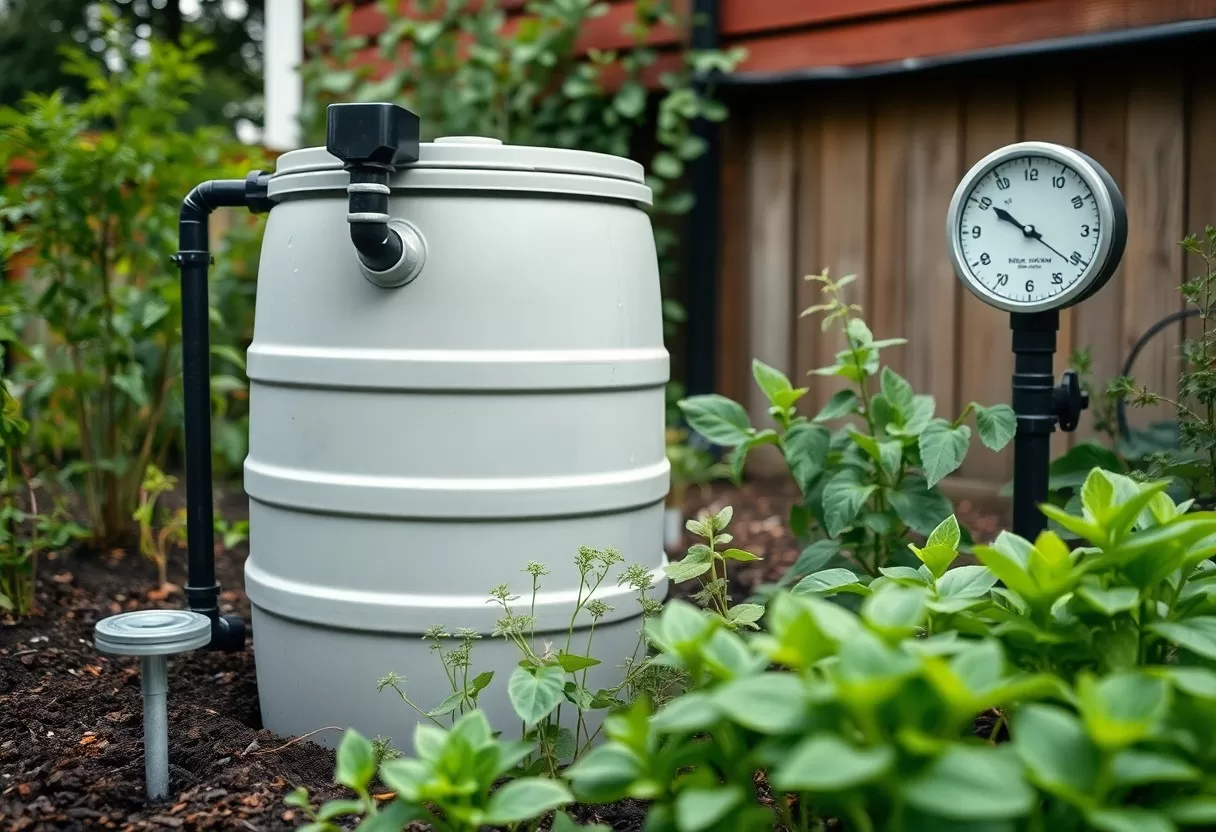
Legal Considerations and Best Practices
Each region has its own legal regulations for rainwater harvesting. Following them keeps you compliant and helps you avoid fines. Many areas allow collecting rainwater for irrigation but limit storage volumes or the types of systems you can install. Some also have rules for tank placement, overflow and backflow prevention if you connect to household plumbing. Check the requirements before you buy to avoid problems later.
Understanding Local Regulations on Rainwater Harvesting
Rules on rainwater harvesting vary a lot from place to place. Some states and cities encourage it with rebates or incentives, while others set clear limits. Colorado, for example, allows most homes to use up to two rain barrels with a combined capacity of 110 gallons. California, on the other hand, actively promotes rainwater collection as part of its water conservation efforts. Your local government, water utility or extension office is the best place to find out what is allowed where you live.
Sustainable Practices to Maximize Benefits
A few sustainable practices make your rainwater harvesting system even more effective. Native and drought-tolerant plants need less water, so each gallon you store goes further. Permeable materials like gravel or open-jointed pavers in paths let rain soak into the ground instead of running off. A drip irrigation system gives plants steady moisture, which supports healthy growth while making the most of limited water supplies.
Combining several techniques gives you a more efficient rainwater harvesting system and benefits your local ecosystem too. A rain garden, a shallow planted dip where overflow can collect and soak in, filters runoff and reduces flooding. Place it at least 10 feet from your foundation. A 2- to 3-inch layer of mulch on beds slows evaporation, so your garden copes better with dry spells. Good water management means working with your site’s natural drainage, not against it.
Rainwater harvesting calculator
Find out how much water your roof can collect and what tank size makes sense.
To wrap up
Rainwater harvesting in your garden saves water and gives plants the soft, chlorine-free water they prefer. Simple steps like installing a rain barrel or building a rain garden let you collect and store water for later use. Start with one barrel, learn how quickly it fills, and grow from there. Small changes in how you manage water can lead to a healthier garden and lower water bills.
FAQ
Q: What is rainwater harvesting and how can it benefit my garden?
A: Rainwater harvesting means collecting rain from your roof and storing it for later use, mostly for watering the garden. It gives you a free, sustainable water source and can lower your water bill, especially in dry spells. Rainwater is naturally soft and free of the chlorine or chloramine used to treat municipal water, and many plants, especially acid-loving ones, do well with it.
Q: What materials do I need to set up a rainwater harvesting system in my garden?
A: A basic rainwater harvesting system needs a rain barrel or larger tank, a downspout diverter to send roof water into it, and a leaf screen or first-flush device to keep out debris. Add an overflow outlet that directs excess water away from your foundations. A tap at the base, a hose or drip irrigation line, and possibly a small pump let you move the water where your plants need it.
Q: How do I choose the right location for my rainwater harvesting system?
A: When choosing a location for your rainwater harvesting system, select a spot that is close to your garden to minimize water transportation. Ensure that the chosen location allows the collection system to be positioned underneath gutter downspouts or close to roof areas that receive plentiful rain. It’s also important to place your rain barrels or cisterns on a stable and level surface to promote safety and prevent leaks.
Q: Can I use rainwater for all gardening needs, including edible plants?
A: Rainwater is widely used for watering edible plants. To keep it safe, water the soil rather than the leaves, and wash produce before eating, since roof runoff can pick up bird droppings and debris. Use food-grade, covered containers, keep the first flush out of the tank, and avoid collecting from treated wood shingles or old roofs that may contain lead or other contaminants.
Q: What are some common maintenance tips for a rainwater harvesting system?
A: Regular maintenance keeps a rainwater harvesting system working well. Clean gutters, downspouts and leaf screens a few times a year, inspect barrels or tanks for cracks and leaks, and check that the overflow is clear. Keep all openings covered with fine mesh to stop mosquitoes, and flush or drain the tank if the water turns cloudy or starts to smell.
Plan tank and irrigation placement with the free AI garden and landscape designer.
Related Guides
