
Building With Nature – Mycelium Bricks and Other Bio‑Materials That Could Transform Architecture
Mycelium bricks are grown from fungi and agricultural waste, then dried into lightweight, insulating blocks with a tiny carbon footprint. Along with hempcrete, bamboo and other bio-materials, they point to a future of buildings grown rather than manufactured. Here are their advantages, uses and current limits.
Table of Contents
Key Takeaways:
- Mycelium bricks are grown from the root network of fungi and farm waste, giving you a low-impact alternative to fired clay and foam.
- Plant-based materials such as hemp and straw store carbon that the plants pulled from the air while growing.
- Many bio-materials can be grown or processed near the job site, which cuts trucking and supports local suppliers.
- Mycelium bricks insulate well, so they suit wall infill and panels that help a home hold its temperature.
- Today these materials work best as insulation, acoustic panels and non-structural infill, not as load-bearing walls.
Understanding Mycelium
Mycelium is the vegetative part of a fungus: a dense web of thin threads called hyphae. Most of it lives hidden in soil, logs and leaf litter, where it breaks down dead plant matter and recycles nutrients. Those threads knit loose material into a firm mat, and that binding habit is exactly what makes mycelium interesting for builders. Think of it as a natural glue that grows itself.
The Biology of Mycelium
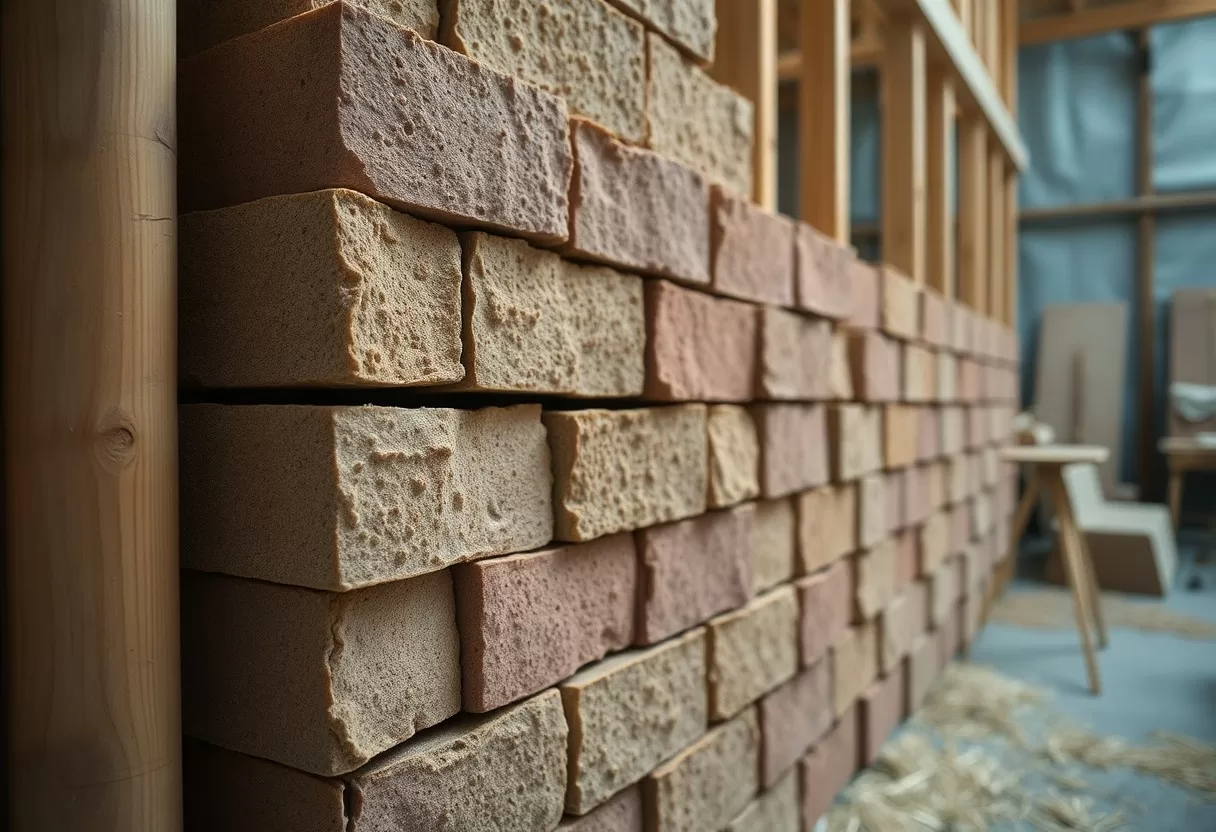
Mycelium feeds by releasing enzymes that digest organic matter, then absorbing the nutrients. It grows well on cheap substrates such as corn stalks, sawdust, hemp hurd and other crop leftovers. To make mycelium bricks, producers pack an inoculated substrate into molds, keep it warm, dark and humid for several days, and let the hyphae fill every gap. In nature, the same process helps build healthy soil.
Mycelium’s Role in Eco-Friendly Construction
In construction, mycelium makes sense because it turns waste into a useful product at low temperatures. Fired clay bricks and cement need kilns running at very high heat, while mycelium bricks simply grow at room temperature and are then dried or baked to stop growth. That gives them a much smaller carbon footprint than concrete or fired brick. At the end of their life, untreated mycelium blocks can be broken up and composted.
The appeal goes beyond the material itself. Mycelium composites are light and porous, so they insulate reasonably well, in the same general range as many fiber insulation boards, and they tend to char rather than melt when exposed to flame. They also avoid the petroleum-based ingredients found in many foams and adhesives. If you care about indoor air quality and what happens to a building when it’s torn down, those are real advantages worth weighing.
Advantages of Mycelium Bricks
Mycelium bricks bring a useful mix of qualities: they’re light, they insulate, they absorb sound and they can be grown into almost any shape a mold allows. Some research groups are also exploring blocks with living mycelium that could seal small cracks, though that work is still experimental. Here is how they stack up on sustainability and strength, the two questions most homeowners ask first.
Sustainability Benefits
On sustainability, mycelium bricks score well because they are biodegradable and need little energy to produce. The substrate is usually agricultural waste that would otherwise be burned or landfilled, so each block keeps material in use. When you choose mycelium bricks, you lower the embodied carbon of the parts of the house where you use them. Just remember that the full benefit depends on protecting them from moisture so they last.
Strength and Durability
Strength is where you need realistic expectations. Mycelium bricks are much weaker in compression than concrete or fired clay, so today they are not used as load-bearing walls on their own. They work best as infill inside a timber or steel frame, as insulation, or as interior partition and acoustic panels. Treat them like a rigid insulation board rather than a structural block, and you’ll use them well.
Durability depends mostly on keeping them dry. Like straw bales and other natural materials, mycelium can absorb water and break down if it stays damp, so it needs a good roof overhang, a breathable plaster or cladding and protection from ground moisture. Mycelium composites tend to char instead of burning freely, but they still need a fire-rated finish wherever your local code calls for one. Ask any supplier for test data before you build.
Other Bio-Materials in Architecture
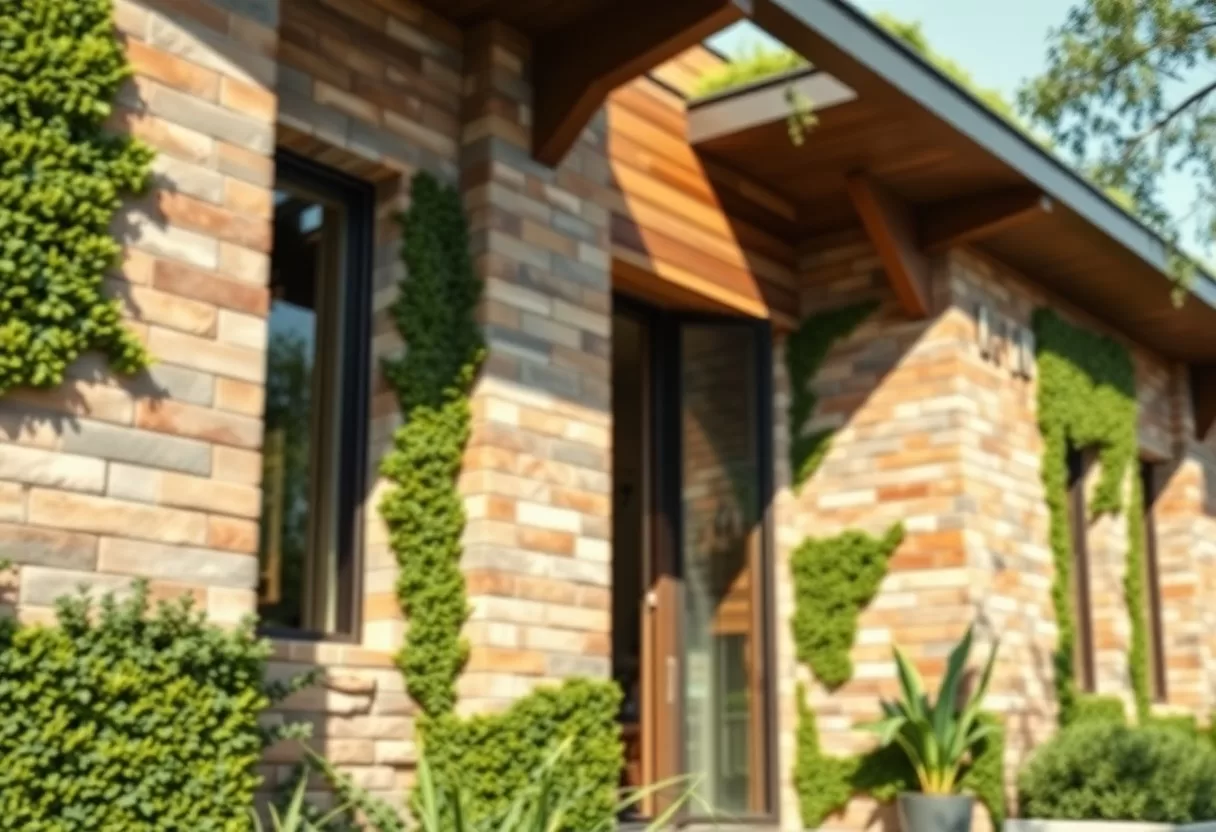
Bio-materials are changing what’s possible in low-carbon building. Alongside mycelium, hempcrete and recycled plastics are already showing up on real job sites, each with its own strengths and trade-offs. To read more about how mycelium is being tested and used, see From Fungi to Foundations: Mycelium in construction.
Hempcrete
Hempcrete is a mix of hemp hurd (the woody core of the stalk), a lime-based binder and water. It’s light, insulating, fire-resistant and often described as carbon-negative, because the hemp stores carbon and the lime slowly reabsorbs CO2 as it cures. Hempcrete also buffers indoor humidity. Like mycelium, it isn’t load-bearing, so it’s cast or laid around a timber frame, and it needs several weeks to dry before you plaster it.
Recycled Plastics
Recycled plastics aren’t bio-based, but they belong in the same conversation because they keep waste out of landfills and support a circular economy. You’ll find them in plastic lumber for decks and fences, roofing tiles, insulation and composite boards. Plastic lumber won’t rot or need staining, which makes it a low-maintenance choice for outdoor projects, though it can sag over long spans, so follow the maker’s joist spacing.
Products made from recycled plastic can mimic wood boards, pavers and roof tiles while resisting moisture far better than wood. Using them in place of new materials can lower a project’s footprint, especially outdoors where they replace pressure-treated lumber. Check the recycled-content percentage on the label, since it varies a lot between brands, and leave the expansion gaps the manufacturer specifies, because plastic boards move more with temperature than wood does.
Innovative Applications of Bio-Materials
New uses for bio-materials keep appearing. From mycelium bricks to insulation made from plants such as hemp, wood fiber and straw, you have more low-carbon options for your projects than ever. For a closer look at specific products, read Nature-based Solutions: Top 6 Mycelium Building Materials. Designers are using these materials for acoustic panels, furniture, insulation and temporary pavilions, where light weight and low carbon matter more than raw strength.
Case Studies in Sustainable Design
Real-world projects are still small, but they show what these materials can do. Here are the main ways mycelium and other bio-materials have been tested in built work so far.
- Hy-Fi pavilion: A temporary tower of mycelium bricks, built by the studio The Living at MoMA PS1 in New York in 2014 and later composted.
- Acoustic panels: Mycelium wall and ceiling panels are now sold for offices and homes, where they absorb sound in place of foam.
- Insulation and infill: Mycelium composites have been tested as wall insulation inside timber frames, where they stay dry and carry no load.
- Green roof system: Plant-based growing media and natural fibers on green roofs slow stormwater runoff and help keep the roof cool.
Future Trends in Bio-Architecture
Looking ahead, expect more bio-based composites, better molding and growing equipment, and research in biotechnology and nanotechnology aimed at making these materials stronger and more water-resistant. As energy codes tighten and builders pay more attention to embodied carbon, collaborative design will matter more too. Architects, biologists and engineers are already working together to test materials that perform well and suit their local climate.
Challenges and Limitations
Mycelium bricks and other bio-materials are promising, but they also have real limits you should understand before you plan a project. The main hurdles are moisture durability compared to conventional materials, market acceptance, and the ability to produce large volumes at a steady quality and price.
Market Acceptance
Even with clear environmental benefits, many architects, builders and inspectors are cautious about mycelium bricks. Few have worked with them, long-term performance data is limited, and most building codes don’t list them as approved materials yet. Lenders and insurers can be wary for the same reason. Sharing test results and well-documented projects is the most important step toward broader use.
Production Scalability
Scaling up the production of mycelium bricks is another challenge. Most manufacturing is still small-batch and partly manual, with growth cycles that take days or weeks. That makes it hard to supply a large project on a tight schedule, and it keeps prices higher than for conventional blocks. For now, you’re more likely to find mycelium as panels and specialty products than as pallets of bricks.
Solving this will take investment in equipment and facilities. Automated mold filling, controlled growing rooms and better substrate recipes could make mycelium bricks faster and cheaper to produce, with more consistent quality. Partnerships between universities and manufacturers are already working on these problems. As output grows, these materials should become easier to buy and more competitive with standard products. Until then, plan for longer lead times when you order.
The Future of Building with Nature
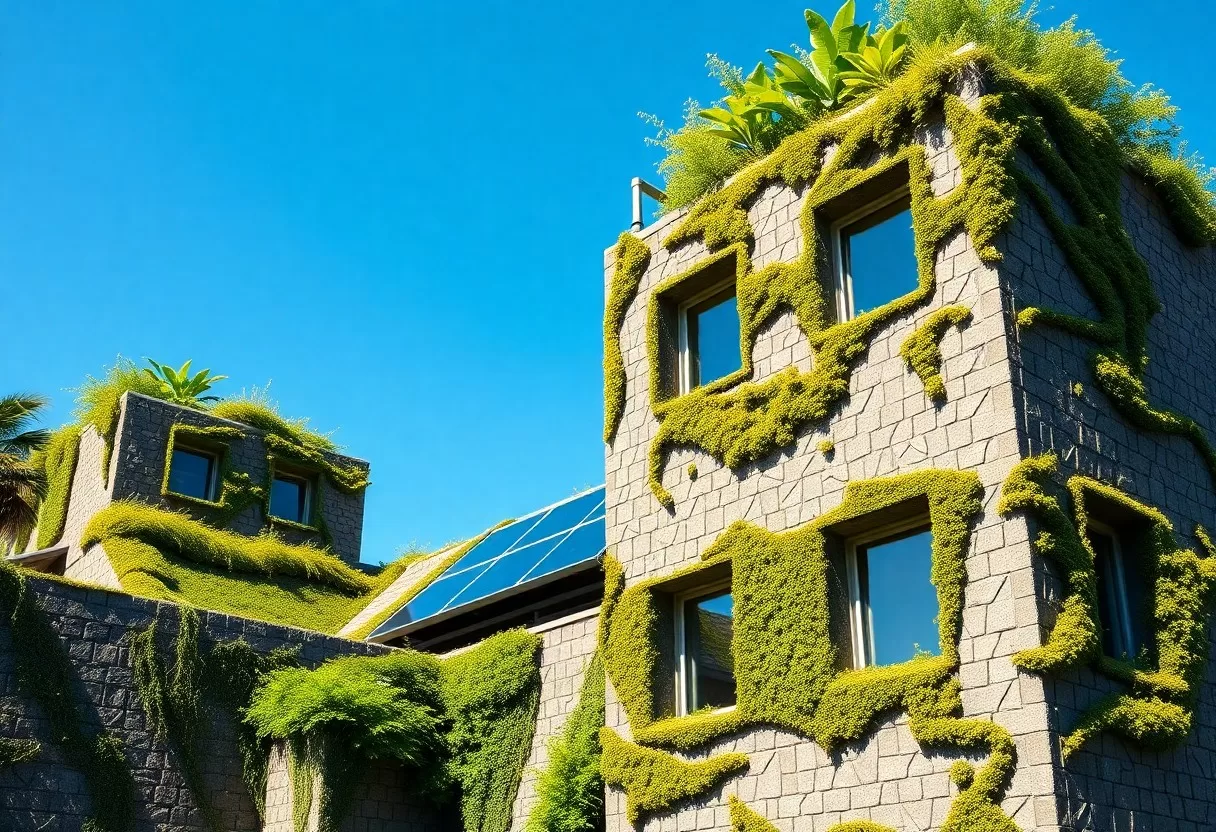
The future of architecture depends on how well buildings work with the natural systems around them, and bio-materials like mycelium bricks and recycled biomass are part of that shift. Instead of mining and firing everything, more of what goes into a house could be grown and then returned to the soil at the end of its life. As research continues, expect better performance and more design freedom, from molded wall panels to textured finishes.
Potential Environmental Impact
Using more bio-materials could cut the carbon tied up in new buildings by lowering greenhouse gas emissions from production and turning crop waste into useful products. Hemp, bamboo and timber store carbon while they grow, and fast-growing crops can be replanted every year or every few years. Over time, that could change how houses are built and lead to a lower-carbon built environment.
Integrating Bio-Materials into Mainstream Construction
To bring bio-materials into everyday construction, the industry needs updated design methods and building codes that recognize them. Clear testing standards, product certifications and training for architects and builders will all help. When manufacturers, designers and policymakers work together, they can turn promising lab results into products you can specify and get approved.
In practice, wider use means making room for careful experiments within the rules. If you want to use these materials on your own home, talk to your local building department early, ask suppliers for fire, moisture and insulation test data, and start with low-risk uses such as interior panels or insulation. Well-documented projects build confidence, and green building incentives for low-carbon materials could help mycelium and other bio-materials become standard practice rather than an exception.
Embodied carbon calculator
Compare the up-front carbon of building a home with different structural materials.
To wrap up
Mycelium bricks and other bio-materials won’t replace concrete and steel overnight, but they already make sense for insulation, interior panels and infill. Used where they perform well, they lower the environmental impact of your home and bring natural textures indoors. Start small, keep them dry and work with builders who know these materials. That way your next project can be both practical and kinder to the planet.
FAQ
Q: What are mycelium bricks and how are they made?
A: Mycelium bricks are building materials created from the root structure of mushrooms, known as mycelium. They are made by combining agricultural waste with mycelium, which grows and binds the materials together. Once the mixture is fully formed, it is heat-treated to stop growth and create a durable product.
Q: What are the environmental benefits of using bio-materials like mycelium in construction?
A: Bio-materials such as mycelium are renewable, biodegradable, and have a lower carbon footprint compared to traditional building materials. They help reduce waste by utilizing agricultural byproducts and can sequester carbon during their growth process, contributing to sustainable building practices.
Q: How do mycelium bricks compare in strength and insulation to conventional materials?
A: Mycelium bricks are light and insulate well, but they are much weaker than fired brick or concrete, so they are not load-bearing. Today they suit insulation, acoustic panels, interior partitions and temporary structures, kept dry and protected from the weather. For walls that carry loads, pair them with a timber, steel or masonry frame.
Preview natural finishes on 3D models with the 3D material customizer.
Related Guides
