
What Is the Ideal House Orientation? Maximize Sunlight and Efficiency
There’s a clear advantage in orienting your main living areas south to capture winter sun and energy savings, while shielding windows to prevent overheating and glare.
Key Takeaways:
- South-facing orientation maximizes winter solar gain in the Northern Hemisphere; place main living spaces and large windows on the south side and use roof overhangs for summer shading.
- North-facing orientation works best in the Southern Hemisphere; flip glazing and shading strategies accordingly.
- Solar panels should face the equator (south in the Northern Hemisphere, north in the Southern Hemisphere) and be tilted close to local latitude for peak output.
- Shading devices and thermal mass control overheating and store daytime heat for night use; combine fixed overhangs, deciduous planting, and interior mass where suitable.
- Cross-ventilation, prevailing winds, microclimate, and site obstructions often outweigh compass orientation; design holistically rather than following a single rule.
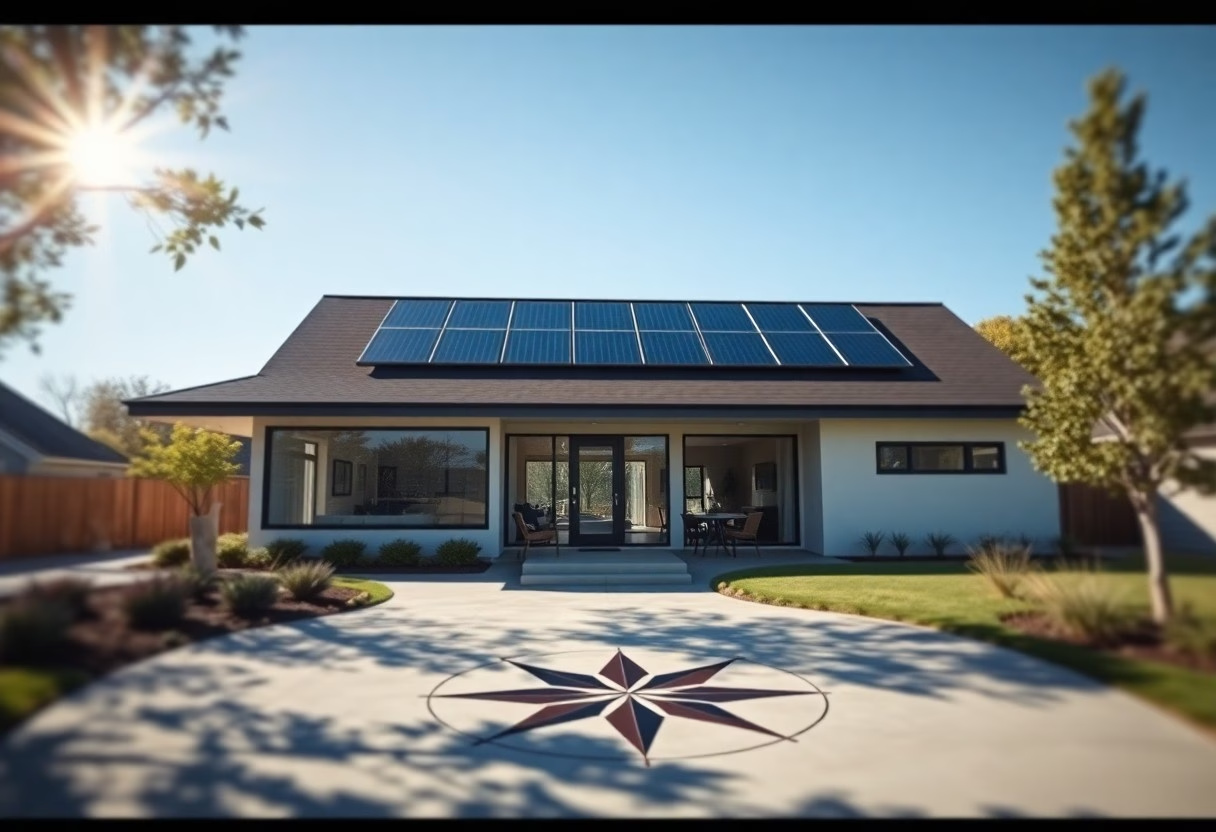
The Fundamentals of Solar Path and Cardinal Directions
Sun angles change with season and latitude, so you must orient rooms to capture low winter sun and shield against high summer rays; use local azimuths to position glazing and plan shading for energy savings while preventing glare and overheating on exposed facades.
The Role of South-Facing Facades in the Northern Hemisphere
South façades deliver steady winter solar gain, so you can place main living areas there and size glazing for passive heating; combine overhangs and operable shading to block summer sun while preserving daylight and reduced heating loads in colder months.
Managing Low-Angle Sun from the East and West
Morning and evening sun from east and west creates strong low-angle exposure, so you should limit large unshaded glazing and use vertical elements or screens to mitigate glare and afternoon heat.
You can combine vertical fins and adjustable louvers, high-performance low-e glass, and exterior blinds to control low-angle rays; assign less-sensitive spaces to harsh exposures, add deciduous trees for seasonal shading, and use interior frits or shades to reduce late-afternoon overheating while keeping daylight and views.
Optimizing Room Layout for Daily Sun Exposure
Optimize your layout so main living zones face the sun for day-long comfort; consult Orientation guidance to balance light and overheating risks, placing buffers like halls or storage on hot exposures.
Strategic Placement of High-Activity Living Spaces
Position your kitchen and living room to capture morning and midday sun for warmth and light, while locating less-used rooms on cooler sides to reduce heating demand and boost energy savings.
Designing Bedrooms for Morning Light and Evening Cooling
Arrange bedrooms to receive gentle morning sun for natural wakefulness, combine shading and cross-ventilation to ensure cool, restful nights, and avoid large west-facing glazing that causes late-afternoon overheating.
Ensure you place primary bedroom windows on the east or north-east to catch soft mornings, use deep eaves or adjustable external blinds to block harsh summer sun, and install operable windows at high and low levels to drive cross-ventilation. Combine moderate thermal mass on the sunlit side to release warmth at night and prioritise night-time ventilation to prevent overheating while maintaining privacy.
Passive Solar Design and Energy Efficiency
You can cut energy use by orienting living spaces for solar gain, combining south-facing glazing with thermal mass, high-performance insulation, and tight air sealing to keep heat where you want it and reduce HVAC runs.
Maximizing Natural Heat Gain During Winter Months
South-facing windows capture low-angle winter sun, so you should pair them with thermal mass and insulated floors to store heat by day and release it overnight, lowering heating demand and bills.
Integrating Natural Ventilation and Cross-Breeze Techniques
Position operable windows, vents, and interior openings to create clear flow paths so you can use cross-breezes for cooling, improving comfort and indoor air quality without heavy mechanical use.
Designing effective ventilation means sizing inlet and outlet openings, using high and low vents to exploit the stack effect, and arranging rooms so airflow paths pass through occupied spaces; you should avoid single-sided ventilation, consider night flushing, and avoid opening toward busy streets to maintain fresh, cool air while minimizing pollutants.
Glazing Strategies and Window Orientation
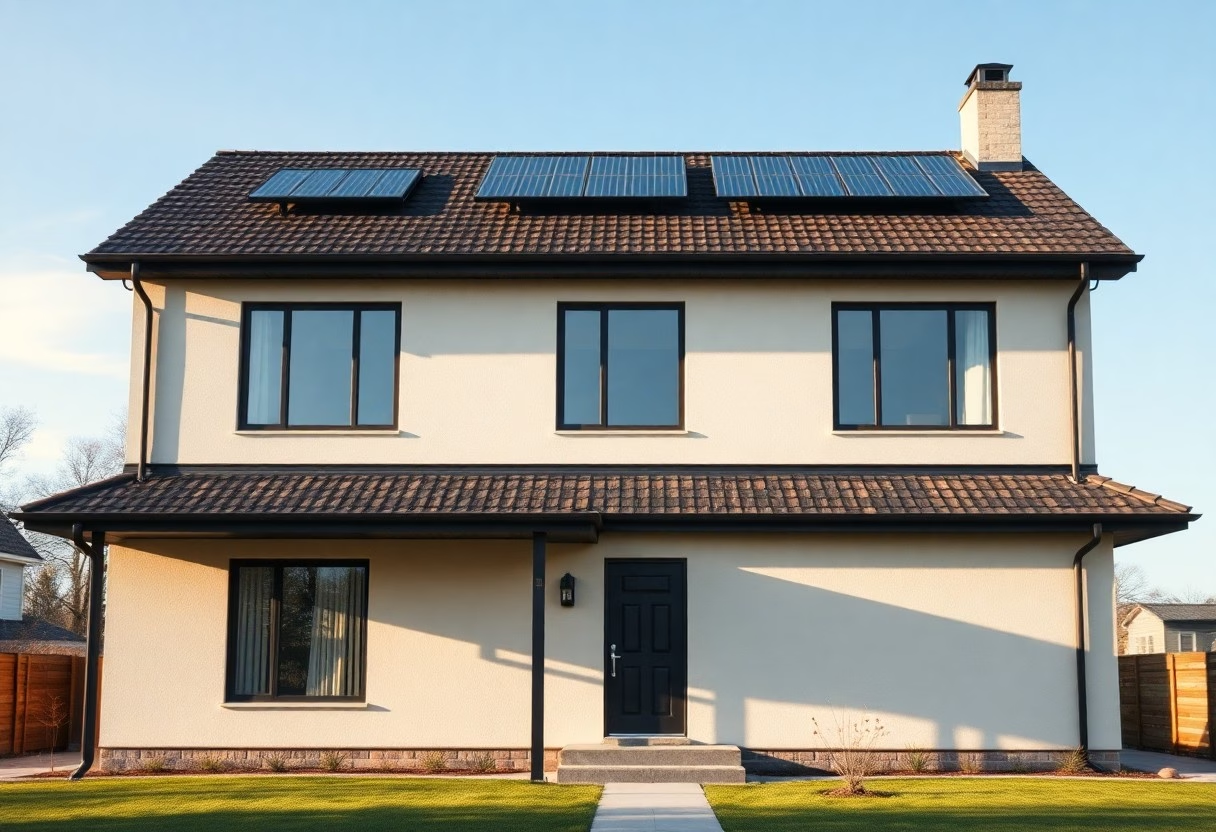
South-facing glazing maximizes winter solar gains while allowing you to control summer heat; orient large, high-performance windows to the sun and use smaller openings on east/west facades to reduce glare and morning/evening heat.
Sizing Windows Based on Solar Heat Gain Coefficients
Sizing windows by SHGC helps you balance daylight and heat; choose lower SHGC on east/west glazing and higher SHGC for controlled south windows to boost passive warmth while avoiding summer overheating.
Utilizing External Shading and Eaves to Prevent Overheating
Use external shading and deep eaves to block high summer sun while admitting low winter sun, letting you cut cooling loads; fixed eaves suit south facades, while adjustable shading fits east/west exposures.
Shading strategies work by matching overhang depth to window height and solar altitude; for mid-latitudes aim for an overhang about 0.5-0.8 times window height to block summer sun, and add adjustable louvers or vertical fins on east/west sides to control low-angle glare-this helps you reduce cooling loads substantially and prevent dangerous overheating near glass.
Environmental Factors and Site Constraints
Site orientation and obstructions dictate how much sunlight reaches rooms and how you manage energy use. After reviewing shading and street angles, consult Sunlight, Views & Energy: How to Choose Home Orientation for practical adjustments.
- Sunlight
- Views
- Energy
- Site constraints
Leveraging Topography and Surrounding Structures
Slopes and nearby structures determine sun angles and wind exposure, so you can position windows to capture sunlight and frame views while using massing to reduce heat loss.
Using Deciduous Trees for Seasonal Climate Control
Canopy deciduous trees shade roofs in summer and drop leaves for winter sun, so you can reduce cooling loads while welcoming passive solar gain.
Planting deciduous trees 15-30 feet from the house on southern and western exposures gives summer shade and winter sun; you should choose non-invasive roots, prune to prevent branch-fall hazards, and place trees to shade glazing and roofs, potentially lowering cooling loads by up to 30%.
Regional Adaptation and Climate Variability
Regions with varying climates require you to orient living spaces to capture or block sun, balancing energy savings and comfort through local design choices.
Adjusting Orientation for Extreme Latitude Locations
Polar and near-polar sites force you to favor low-angle winter sun-tilt glazing and rooflines toward the sun to maximize winter heat gain while preventing summer glare.
Balancing Solar Gain in Hot vs. Cold Climates
Deserts and hot regions make you prioritize shading, reflective surfaces, and narrow east-west exposure to avoid overheating while cold zones push you to capture southern sun for passive heating.
Practical measures for balancing solar gain include orienting your long axis toward the solar path (south in the Northern Hemisphere, north in the Southern), using fixed overhangs to block high summer sun while admitting low winter sun, adding thermal mass and insulation to reduce heat loss, and incorporating operable shading, reflective finishes, and night ventilation to mitigate overheating risks.
Summing up
You should orient primary living spaces and large windows toward true south (in the Northern Hemisphere) to capture winter sun and reduce heating, use shading and cross-ventilation for summer comfort, and align roof pitch for solar panels to maximize daylight and energy efficiency.
FAQ
Q: What is the ideal house orientation for maximizing sunlight and energy efficiency?
A: In the northern hemisphere, orient main living spaces and the largest windows toward true south to capture low winter sun and high daylight levels. In the southern hemisphere, point those areas toward true north. Keep the building’s long axis roughly east-west to reduce unwanted morning and evening solar gain. Position bedrooms and service rooms on the cooler side and combine glazing, thermal mass, and shading to balance heat gain and loss.
Q: How can I maximize winter sunlight while preventing summer overheating?
A: Size fixed overhangs to admit low-angle winter sun and block high-angle summer sun for south-facing windows. Use deciduous trees, adjustable exterior shading, or operable louvers for seasonal control. Add thermal mass (concrete, tile, masonry) in sunlit zones to store daytime heat and release it at night. Provide cross-ventilation and night purging with operable windows or vents to flush heat during summer evenings.
Q: How does orientation affect heating, cooling, and daylighting performance?
A: Orientation sets the pattern of solar gains that reduce heating demand but can increase cooling loads if uncontrolled. South-facing glazing in cool climates lowers heating needs; west-facing glazing creates late-afternoon heat that spikes cooling use. Properly oriented windows deliver daylight that cuts electric lighting and improves occupant comfort. Complement orientation with good insulation, airtightness, and balanced ventilation to turn solar gains into measurable energy savings.
Q: What strategies work when the lot or local regulations prevent the ideal orientation?
A: Use clerestory windows, solar tubes, light wells, and reflective interior surfaces to boost daylight when main façades cannot face the sun. Install adjustable external shading and high-performance glazing on exposed elevations to limit unwanted heat. Tilt rooftop PV panels or place ground-mounted arrays to optimize solar generation independent of roof orientation. Reconfigure internal layouts so living areas occupy the sunniest sides, and incorporate mechanical ventilation with heat recovery if passive options are limited.
Q: What practical steps should I take during planning or renovation to optimize orientation benefits?
A: Conduct a site analysis mapping sun path, seasonal shade from trees and neighboring buildings, prevailing winds, and slope. Use sun-path diagrams, energy modeling, or simple solar geometry tools to test window placement and overhang dimensions. Work with a designer to orient living spaces toward the best solar access, place thermal mass where it receives sun, and size glazing and shading for local climate. Factor roof azimuth and pitch for future PV, and verify solutions meet local codes and setback rules.