
Foodscaping Your Space – Growing Beauty & Bounty in One Garden
Foodscaping lets you turn a regular yard into a garden that feeds you as well as it looks. The idea behind foodscaping is simple: blend edible plants into ornamental beds instead of hiding vegetables in a separate plot. You get fresh produce right outside your door, plus a garden that looks good all year. Mixing in native plants and perennials supports pollinators and cuts down on maintenance. This guide covers design, soil, plant pairing, seasonal planning and water-wise care, so you can plan a bed that balances aesthetics and functionality from the start.
Key takeaways
- Foodscaping mixes edible plants into ornamental gardens.
- Healthy soil and good plant pairing make it productive.
- Plan for harvests across every season.
Table of Contents
Designing for Dual Purpose: Aesthetic Meets Edible
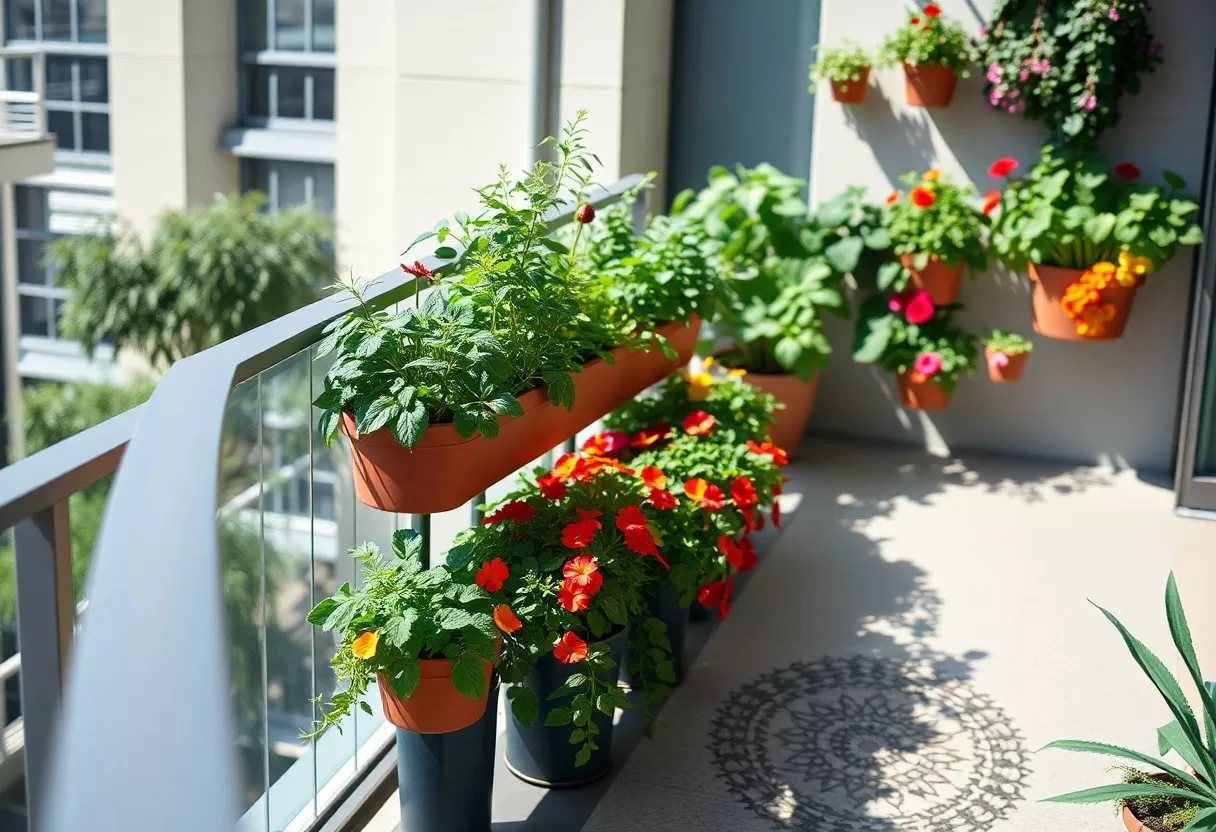
A good foodscape mixes beauty and usefulness in one design. Start with the basics of landscaping: a clear path, defined bed edges and a few structural plants, such as shrubs or dwarf fruit trees, that hold the shape in winter. Then work edibles into the beds the same way you would ornamentals. Rainbow chard can edge a border, blueberries can stand in for a hedge, and herbs can fill the front of a sunny bed.
Incorporating Color and Texture in Foodscaping
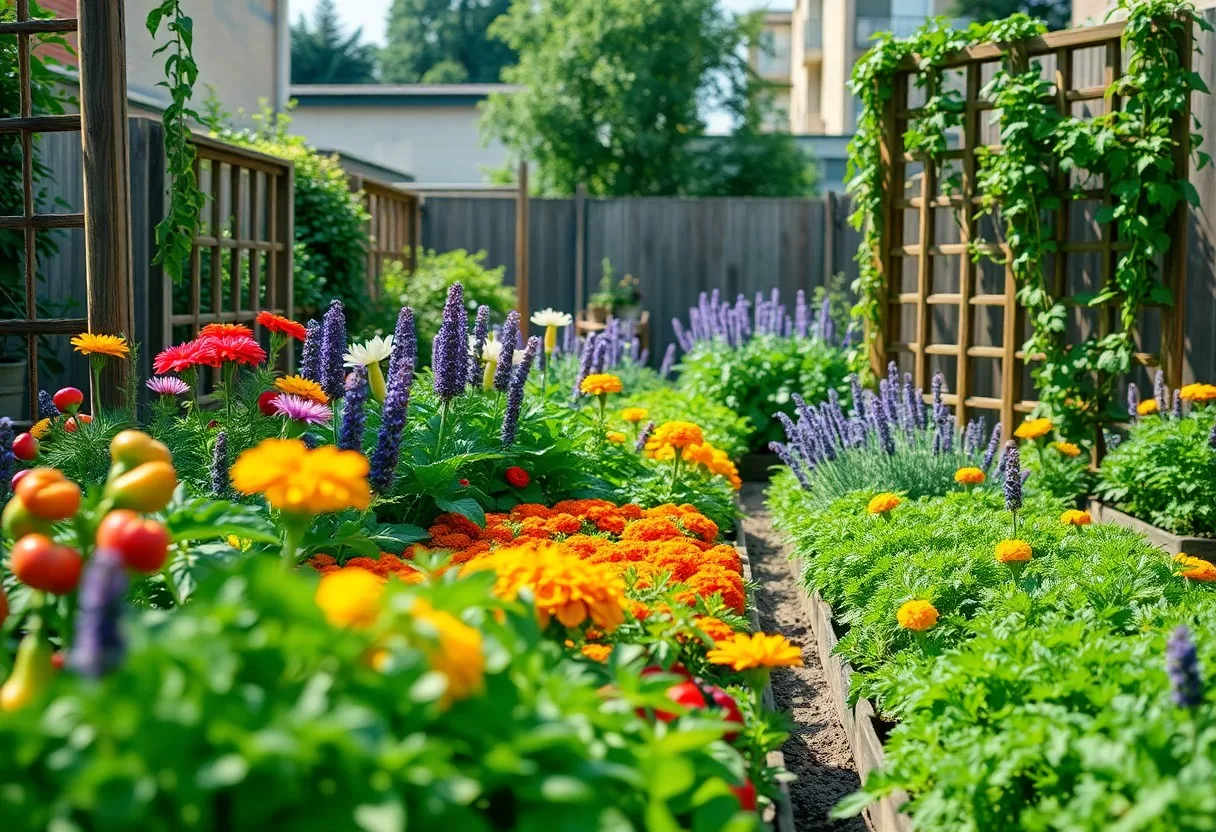
Your foodscape should look as good as it tastes. Build layers of color with ripe fruit, deep greens and seasonal flowers. Repeat a few colors through the bed, such as purple basil, purple kale and lavender, so the planting looks planned instead of random. Texture matters too: the smooth leaves of basil next to the ruffled edges of kale, or feathery fennel beside broad squash leaves, adds depth and makes people want to take a closer look.
Selecting the Right Plants for Visual and Culinary Appeal
Choosing plants for a foodscape means balancing looks and flavor. Grow things you actually like to eat, then pick the most attractive varieties of each. Check your USDA hardiness zone and how much sun the spot gets. Most fruiting crops, such as tomatoes, peppers and squash, need at least 6 hours of direct sun, while leafy greens and many herbs can manage with about 4 hours.
Try heirloom tomatoes for their range of colors and rich taste, or purple cauliflower for an eye-catching hue. Herbs like tricolor sage and variegated thyme add contrast at the front of a bed and are just as useful in the kitchen. Base your choices on how you cook, your climate and the look you want. Ornamental edibles such as nasturtiums, chives and calendula are worth adding too, since their flowers are edible and they draw pollinators to the rest of the garden.
Soil Science for Thriving Edibles and Beauties
Understanding Soil Health and Fertility
A productive garden depends on healthy soil that is rich in nutrients and full of microbial life. Plants rely on key nutrients like nitrogen, phosphorus and potassium, and soil structure, pH and organic matter all affect how well roots can reach them. Most vegetables prefer a slightly acidic to neutral pH, around 6.0 to 7.0, while blueberries need more acidic soil, around 4.5 to 5.5. A basic soil test, often available through your local extension office, tells you what to add and what to skip.
Techniques for Enriching Garden Soil
Improving garden soil comes down to a few reliable habits. Work organic matter such as compost, aged manure or cover crops into the beds to add nutrients, feed beneficial microorganisms and improve drainage. A layer of compost about 1 to 2 inches deep each year is a common rule of thumb. Rotating crop families and mixing plants together helps prevent nutrient depletion and pest buildup. A 2 to 3 inch layer of mulch suppresses weeds, holds moisture and slowly feeds the soil as it breaks down.
In the off-season, try green manures. Legumes like clover add nitrogen, while cereal rye builds organic matter and protects bare soil over winter. Cut them down a few weeks before planting and work them in or leave them as mulch. Adding worm castings boosts microbial activity and nutrient availability. Keep an eye on soil pH as well, because plants take up nutrients most easily in the right range, which helps your edibles and ornamentals grow well side by side.
The Art of Plant Pairing: Companions and Contrasts
Smart plant pairing makes your foodscape both prettier and more productive. Classic companions like tomatoes and basil grow well together and end up on the same plate. Contrasts, such as bright green kale beside deep purple eggplant, create visual interest. Learn what each plant needs in sun, water and space, and group plants with similar needs. That way the whole bed does well instead of a few plants struggling.
Harmonizing Flavors with Strategic Plant Selection
Think about flavor when you plan, too. Planting peppers near tomatoes makes sense because they like the same warm, sunny conditions and you often cook them together. Herbs like rosemary, oregano and thyme suit sunny, well-drained spots and are handy to pick while you cook. Flowering herbs such as dill, cilantro and oregano also attract beneficial insects like hoverflies and small wasps, which help keep aphids and caterpillars in check.
Visual Cohesion: Using Height and Foliage
Layering plants by height and leaf shape gives the garden structure. Tall sunflowers make a striking backdrop for low, spreading herbs like thyme, while the broad leaves of squash fill gaps and shade out weeds. As a rule, put the tallest plants on the north side of a bed in the Northern Hemisphere so they don’t shade shorter ones. This simple layout keeps the bed looking full and gives every plant its share of sun.
Using height well also helps plants share light and space. In the traditional Three Sisters planting, corn stalks support climbing beans, the beans add nitrogen to the soil, and squash covers the ground. Trellises, arches and obelisks do the same job in smaller gardens and add a strong vertical feature. Leave enough space between plants for air to move, which reduces disease risk. Mixing heights and leaf shapes also gives the bed depth, so something new catches your eye as the season changes.
Seasonal Strategies for Year-Round Harvest
Seasonal planning lets you harvest fresh food for much of the year. Learn your average last spring frost and first fall frost dates, since they set the timing for nearly everything you plant. Cool-season crops handle chilly weather, while warm-season crops need warm soil and warm nights. Cold frames, row covers and small greenhouses can stretch your season by several weeks at each end, so you still have greens to pick when it gets cold.
Planning a Diverse Garden Calendar
A planting calendar keeps your harvest steady. List the vegetables and fruits you love, then sort them into cool-season crops, such as peas, lettuce, spinach and radishes, and warm-season crops, such as tomatoes, peppers, beans and squash. Write down when each should be sown or planted out in your area. For example, sow peas in early spring, then follow them with tomatoes once the danger of frost has passed.
Maximizing Space with Succession Planting
Succession planting helps you make the most of a small space and keeps fresh produce coming. Instead of planting everything at once, you sow in smaller batches. Sowing a short row of lettuce every two weeks, for instance, gives you a steady supply instead of a glut that bolts all at once. Fast crops like radishes, arugula and bush beans work especially well this way, and the approach reduces waste.
In practice, you might set aside a 10-foot row for spinach. Sow it early in the season, and as you harvest, fill the empty spaces with another crop, like radishes or beets. Rotating different plant families through the same spot keeps the bed productive and adds variety. Changing crops this way can also help soil health and gives you a more varied diet. Add a little compost between plantings to replace what the last crop used.
Sustaining Your Foodscape: Eco-Friendly Practices
Eco-friendly practices keep a foodscape healthy for the long term. Sustainable methods improve the soil, keep pests in balance and save water and money. Composting kitchen and yard waste gives you a free soil amendment. Smart watering puts water where roots need it. Planting flowers that bloom at different times supports pollinators and beneficial insects, and avoiding broad-spectrum sprays protects them. These habits help your plants and shrink your garden’s environmental footprint.
Organic Pest Management in an Edible Landscape
Organic pest management protects your harvest without harsh chemicals. Encourage beneficial insects, use companion planting and turn to gentle controls like insecticidal soap or a strong spray of water for aphids. Check plants a couple of times a week so you catch problems early. French marigolds are often planted to help suppress some root-knot nematodes, and many flowers draw in ladybugs that eat aphids. Floating row covers keep insects such as cabbage worms off young plants.
Water Conservation Techniques for a Flourishing Garden
Water-wise techniques keep plants healthy and reduce waste. Drip irrigation or soaker hoses deliver water straight to the roots and lose far less to evaporation than sprinklers. A layer of mulch keeps soil moist longer, so you water less often. Rain barrels capture runoff from the roof for use in dry spells. Most vegetable gardens need about 1 inch of water per week from rain and irrigation combined, and watering deeply in the early morning works best.
You can save even more water with a few extra steps. Greywater systems reuse lightly used water from sinks, showers or laundry for irrigation, but check local rules first and keep greywater off the edible parts of plants. Choosing drought-tolerant varieties, such as rosemary, thyme, oregano and many other Mediterranean herbs, lowers water demand. Check soil moisture by pushing a finger about 2 inches into the soil, and water only when it feels dry at that depth.
Companion planting checker
Pick two plants to see if they help each other, compete, or do fine side by side.
To wrap up
Foodscaping turns your garden into a place that is both beautiful and productive. By growing edible plants alongside ornamentals, you improve how your yard looks and enjoy fresh, homegrown food. Foodscaping also makes the most of limited space and connects you more closely to what you eat. Start small with one bed near the kitchen, choose plants you love to cook with, and let every plant earn its spot, both for its looks and for its harvest.
FAQ
Q: What is foodscaping, and how can it benefit my garden?
A: Foodscaping is the practice of mixing edible plants into ordinary landscaping, so the same beds that look good also produce food. You get a garden that is attractive and useful at once. Benefits include more variety for pollinators and other wildlife, some fresh produce at home, and the simple pleasure of harvesting what you grow.
Q: What types of plants are best suited for foodscaping?
A: Good plants for foodscaping include herbs like basil and rosemary, fruits such as strawberries and blueberries, and vegetables like lettuce and peppers. Choose plants with similar sun and water needs, and combine heights, leaf shapes and colors so the beds look planned rather than random.
Q: How can I design a foodscaping plan for my yard?
A: Start by assessing your available space and sunlight conditions. Create a layout that combines decorative and edible plants, considering height, color, and texture. Incorporate features like raised beds or vertical gardening to maximize space while ensuring accessibility for harvest and maintenance.
Design a beautiful edible garden with the free AI garden and landscape designer.
Related Guides
