
Edible Ornamentals – Plants That Feed You and Beautify Your Yard
Edible ornamental plants look as good as any flower bed and feed you too. Rainbow chard, purple basil, nasturtiums, blueberries and artichokes add color and texture while producing food. Here are top picks and the growing techniques that keep them productive and beautiful.
Table of Contents
Key Takeaways:
- Edible ornamentals look as good as flowers and still give you fruit, vegetables or herbs.
- Many decorative plants are edible: flowering kale, nasturtiums and chard are good examples. Ornamental peppers are edible too, but often very hot.
- Growing food in your front or back garden means fresh produce a few steps from the kitchen.
Gorgeous Greens: The Aesthetics of Edible Ornamentals
Edible plants can be just as decorative as flowers. Rainbow chard has red, yellow and pink stems, kale comes in ruffled purple and blue-green, and peppers turn bright red and orange as they ripen. Mixed into flower beds, they add color and texture and bring in bees.
Visual Appeal and Seasonal Changes
They also change through the season, which keeps the garden interesting. Red-leaf lettuce and purple basil look striking next to green foliage in spring and summer. Kale and chard often look their best in autumn, when many flowers have finished.
Focal Points and Landscaping Versatility
Some edibles are bold enough to be the centerpiece of a bed. A fig tree, a row of sunflowers or a big clump of artichokes gives a garden structure. Rosemary and lavender work well as low hedges or edging, adding scent and year-round form in both cottage and modern gardens.
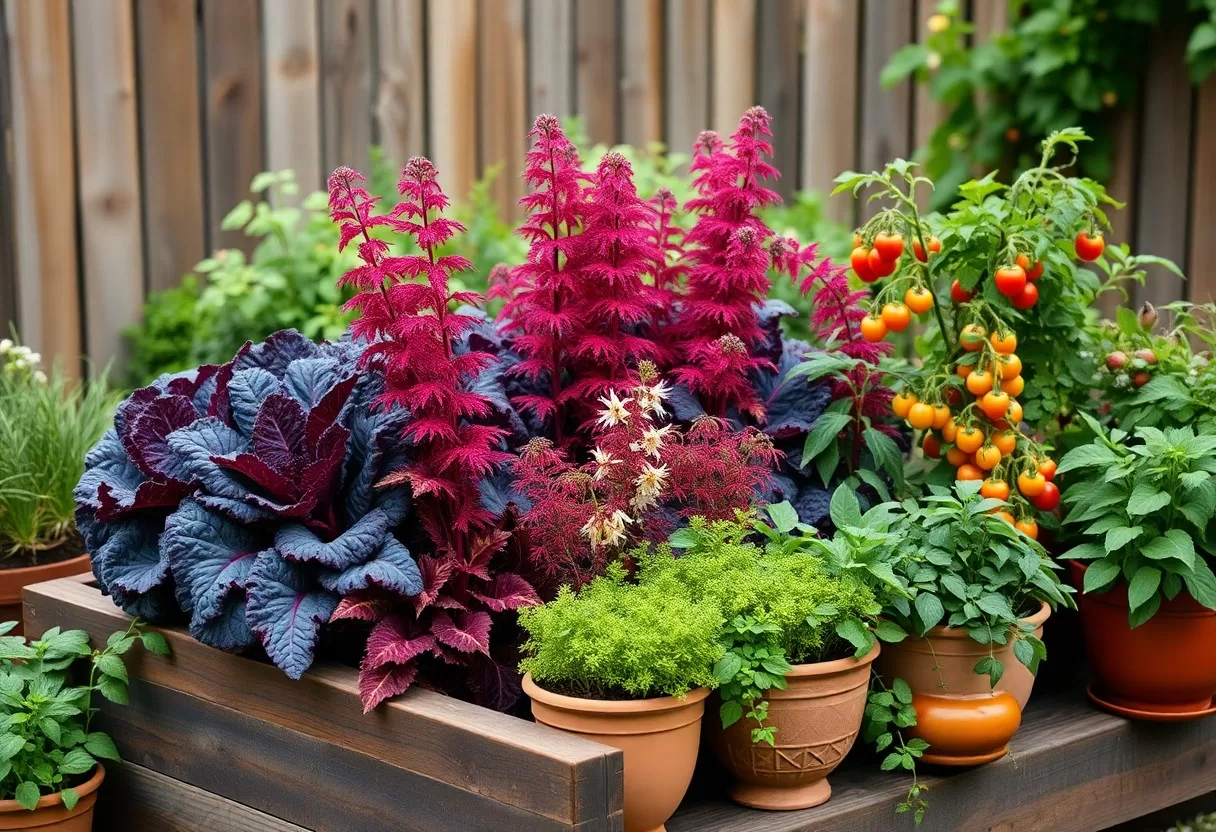
Use the tallest, most dramatic plants as anchors, such as artichokes, sunflowers or a standard bay tree, and fill around them with lower edibles like chard, lettuce and herbs. Put the prettiest crops near a path or seating area, where you’ll see them and remember to harvest them. Mixing heights also lets you pick something at different times of the year.
Nutritional Benefits of Cultivating Edible Plants
There’s a practical bonus: food picked minutes before you eat it tastes better, and you’ll probably eat more vegetables simply because they’re right outside the door. Herbs especially make a difference: a handful of fresh basil or parsley changes a simple meal.
The Role of Fresh Produce in a Balanced Diet
Grow a mix of leafy greens, colorful fruit and herbs, and you’ll have something to harvest for most of the season. Seasonal produce from the garden is also cheaper than buying small packs of herbs and salad leaves every week.
Emotional and Mental Health Perks of Gardening
Gardening is good for your head as well. Time outdoors and light physical work are widely linked to lower stress and better mood, and many people find weeding or harvesting relaxing in a way that screens are not.
Caring for plants gives you small, regular goals and a sense of progress: you plant, you water, you harvest. Those quiet, repetitive tasks are a form of mindfulness for many people. Sharing the harvest with neighbors or friends adds a social side too.
Top Edible Ornamentals That Elevate Any Garden
Here are some of the best plants to start with. They’re easy to grow, look good for months and give you something to eat. Choose two or three that suit your climate rather than trying everything at once.
Vibrant Vegetables: From Kale to Peppers
Vegetables with strong color are the easiest place to begin. Ornamental and curly kale come in purple and blue-green and stay attractive into winter. Bell peppers and chili peppers turn red, yellow and orange as they ripen. Rainbow chard adds bright stems all season, and you can pick the outer leaves without pulling the plant.
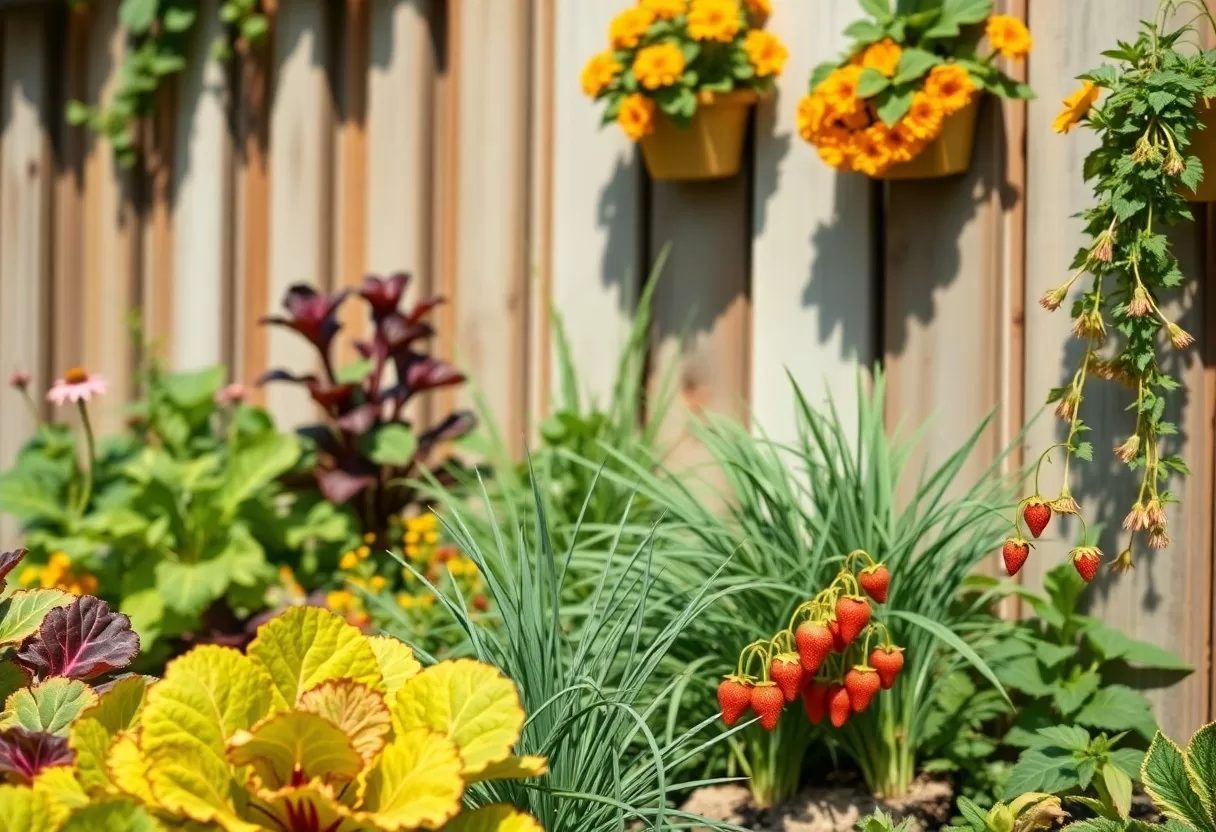
Plan for color through the seasons. In spring, lettuces in red and green, chives in flower and strawberries in pots fill the gaps. In summer, peppers, tomatoes, basil and nasturtiums take over. In autumn and winter, kale, chard, leeks and rosemary keep beds looking full. Sow or plant a few things every few weeks instead of all at once, and the garden never has an empty, harvested-out look.
Culinary Herbs That Double as Decorative Plants
Culinary herbs like basil, oregano and thyme are perfect for borders and containers. They stay compact, smell wonderful when you brush past them, and you’ll use them constantly in the kitchen. Plant them close to the back door so picking a handful takes seconds.
Lavender and rosemary are especially useful: their flowers attract bees and other beneficial insects, and their silvery foliage contrasts nicely with darker greens. Use them as edging along a path or in mixed borders. Both prefer sun and dislike wet soil, so they suit dry, sunny spots where other plants struggle.
Cultivation Techniques for Maximum Impact
A few techniques keep edible beds both productive and good-looking. Choose varieties that suit your climate. Mix crops in the same bed (intercropping) and grow climbers such as beans or squash up supports to save space. Mulch to keep moisture in and weeds down, feed the soil with compost, and pick regularly: harvesting and removing spent flowers keeps most plants producing.
Soil and Sun Requirements: The Essentials
Most edible ornamentals need well-drained soil rich in organic matter, so dig in compost before planting. A soil pH of about 6.0 to 7.0 suits most vegetables and herbs. Sunlight matters even more: fruiting plants such as peppers, tomatoes and squash need at least 6 hours of direct sun a day. Leafy greens like chard, lettuce and kale tolerate partial shade.
If you’re short on space, grow in containers. Herbs are happy in pots of 2–5 liters, peppers and chard in about 10–20 liters, and tomatoes or a dwarf fruit tree need 20 liters or more. Bigger pots dry out less quickly, which matters in summer. Use a quality potting mix rather than garden soil, and group containers so they shade each other’s roots and are easy to water together.
Companion Planting: Enhancing Both Beauty and Yield
Companion planting means placing plants that help each other side by side. Marigolds next to tomatoes attract beneficial insects and may deter some pests. Basil grown alongside tomatoes or peppers is a classic, attractive pairing that’s easy to harvest together. Use the checker below to see which plants work well together and which to keep apart.
A few combinations worth trying: nasturtiums near cucumbers and squash, where they act as a “trap crop” that draws aphids away and adds edible flowers; basil between tomato plants; and chives or garlic at the edge of rose beds, a traditional pairing many gardeners use against aphids. Results vary, but mixed planting rarely hurts and always looks better than single-crop rows.
The Sustainable Advantage: Reducing Your Carbon Footprint
Growing some of your own food also reduces waste. You pick only what you need, nothing comes wrapped in plastic, and you can garden without synthetic pesticides. A few beds won’t replace the supermarket, but herbs and salad greens are among the most wasteful things to buy, so they’re a good place to start.
Local Food Production and Environmental Benefits
Homegrown produce skips trucks, packaging and refrigeration, and it’s as fresh as it gets. Even a small kitchen garden can cover most of your herbs and a good share of your salad leaves in summer.
Biodiversity and Ecosystem Support
A mix of edible plants also supports more wildlife than a lawn or a single type of shrub. Flowering herbs and vegetables feed bees and butterflies, while ladybirds and hoverflies help keep aphids in check.
Aim for variety: herbs, fruit, vegetables and a few flowers that bloom at different times. Lavender, borage, thyme and chives in flower are especially popular with pollinators. Mixing plants also limits disease. If one crop has a bad year, the rest of the bed still looks good and still produces.
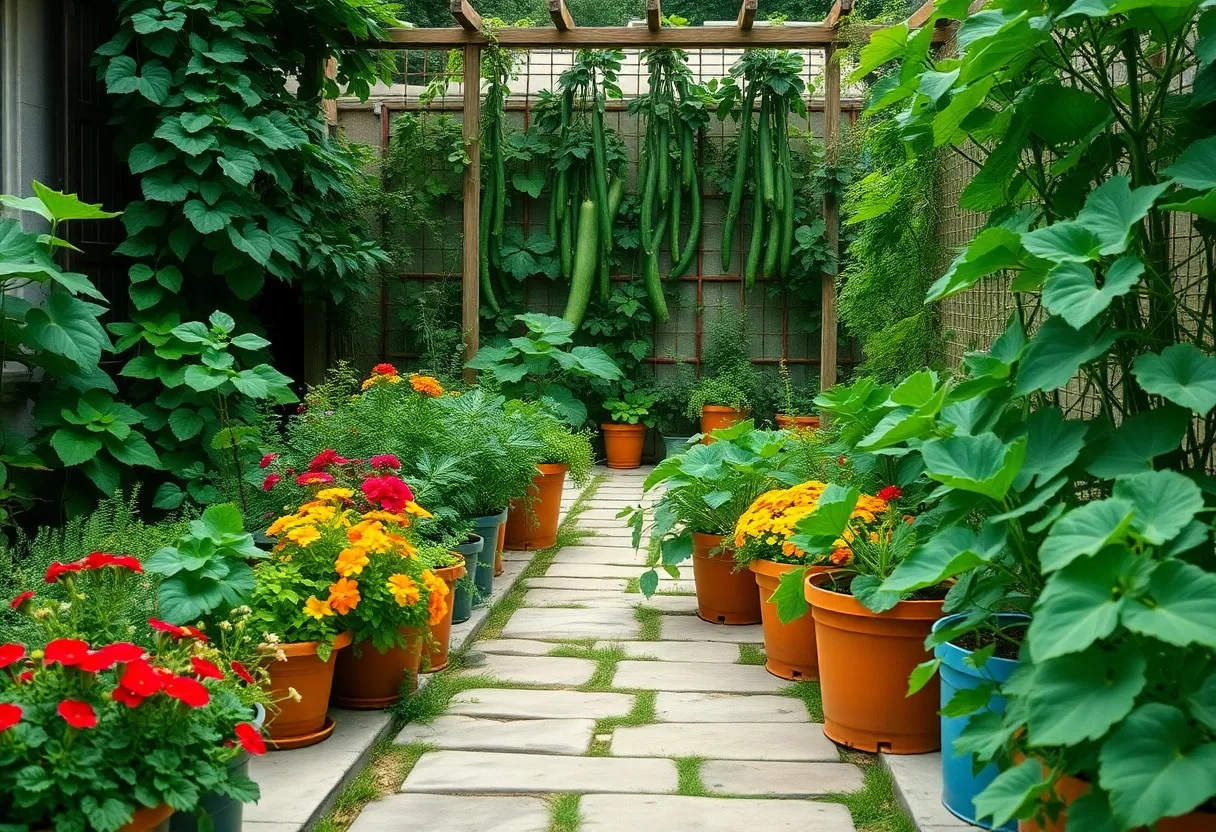
Finally, keep it easy to harvest. Put the plants you pick most often, such as herbs, salad leaves and chard, closest to the kitchen door or along a path. Leave stepping stones or narrow paths in wider beds so you can reach everything without compacting the soil. A beautiful edible garden is one you actually use, and that depends as much on layout as on plant choice.
The easiest way to start with edible ornamental plants is to replace just one bed or one large container this season. Choose a mix of one tall feature plant, two or three colorful leafy crops and a border of herbs. You’ll see quickly which plants you enjoy looking at and eating, and you can expand from there next year.
Summing up
You don’t need to choose between a pretty garden and a productive one. Start by swapping a few purely decorative plants for edible ones that suit your light: chard or kale in a shady bed, herbs and peppers in a sunny one. After one season you’ll know what you actually eat, and you can expand from there.
Q: What are edible ornamentals?
A: Edible ornamentals are plants that serve dual purposes: they are visually appealing and produce edible parts such as fruits, vegetables, or herbs. Examples include ornamental pepper plants, which produce vibrant peppers, and flowering herbs like basil or rosemary that also enhance garden aesthetics.
Q: How can I incorporate edible ornamentals into my garden?
A: You can incorporate edible ornamentals by mixing them with traditional ornamental plants in flower beds, using them as border plants, or placing them in containers on patios. Choose plants that have compatible growing needs and complement each other’s visual appeal.
Q: Are there any maintenance considerations for edible ornamentals?
A: Edible ornamentals require similar care to non-edible plants, including regular watering, proper sunlight, and pest management. Additionally, you should ensure that any fertilizers or pesticides used are safe for edible crops to maintain plant health and safety.
Mix edibles into your ornamental beds with the free AI garden and landscape designer.
Companion planting checker
Pick two plants to see if they help each other, compete, or do fine side by side.
Frequently Asked Questions
What are edible ornamental plants?
Edible ornamentals are plants that are both decorative and edible, such as rainbow chard, kale, nasturtiums, chives, blueberries and fig trees. They let you grow food in front yards and flower beds without the look of a vegetable patch.
Can I mix edible plants with regular ornamentals?
Yes, as long as they share similar sun, water and soil needs. Avoid chemical treatments on nearby ornamentals and check that neighboring plants are not toxic if you will harvest close to them.
Which edible ornamentals are easiest for beginners?
Herbs like chives, thyme and rosemary, leafy greens such as chard and lettuce, nasturtiums and strawberries are forgiving and productive. Start with a few and expand once you know what grows well in your yard.
Related Guides
