
How to Design a House That Maximizes Natural Airflow (No AC Needed)
Just position windows and vents to harness prevailing winds, creating cross-ventilation for energy-free cooling while mitigating overheating risks through shaded openings, thermal mass, and stack ventilation so you can rely on passive airflow instead of AC.
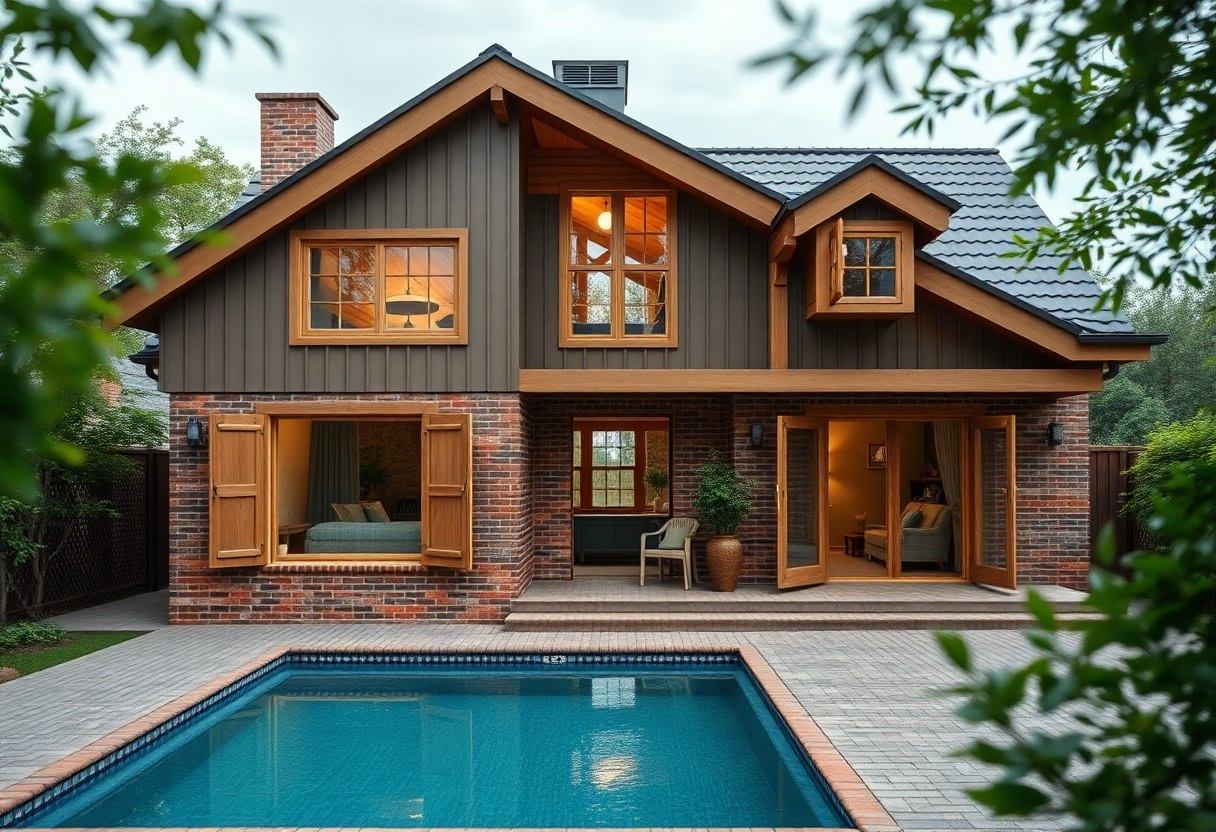
Key Takeaways:
- Orient the house and place operable windows to capture prevailing breezes; align openings for direct cross-ventilation through main living spaces.
- Use the stack effect with high vents, clerestory windows, and roof exhaust to let hot air rise out and pull cooler air in through low openings.
- Design an open-plan layout and short airflow paths; avoid dead-end rooms and align doors and windows to create uninterrupted air channels.
- Select operable windows (casement or awning) and adjustable exterior shading to admit angled breezes while blocking direct sun.
- Incorporate thermal mass and enable night purging so masonry floors or walls store cool night air and release it during the day.
Understanding the Core Principles of Passive Cooling
The science of the stack effect and thermal buoyancy
Warm air rises, creating the stack effect that pulls cool air in at low openings and expels hot air at high vents; you can size chimneys and openings to increase thermal buoyancy. Thou align vertical paths and high exhausts to maximize passive ventilation.
- Stack effect
- Thermal buoyancy
- High-low ventilation
Key environmental factors that dictate air velocity
Wind speed, temperature gradients and terrain dictate how fast air moves through your home; you must map prevailing winds and shade. You can position openings and use cross-ventilation to boost airflow and avoid stagnant zones. Thou size inlets and outlets to match expected air velocity.
- Wind speed
- Temperature gradient
- Topography
Microclimate variations like urban heat islands, nearby bodies of water and vegetation change local air density and directional flows, so you should test conditions at different times and seasons. You can add wind-capturing elements and adjustable vents to respond to gusts and lulls. Thou monitor site-specific data before finalizing openings.
- Urban heat island
- Vegetation
- Water bodies
- Seasonal variability
How to Site Your Home for Maximum Wind Capture
Analyzing prevailing wind patterns and local topography
Position wind mapping against topography and nearby structures so you can identify dominant directions and wind shadows; align openings toward prevailing breezes and avoid siting living areas in leeward depressions that trap heat.
Strategic building orientation to minimize heat gain
Study solar paths and orient longer facades north-south to reduce afternoon heat gain; protect east and west glazing with shading, and keep window placement that supports cross-ventilation without excess exposure.
Orient the plan to minimize glazing on east and west while favoring protected north-facing glazing to balance daylight and cooling. You should add deep overhangs, external operable shading, and deciduous trees to block low-angle sun, and use narrow floor plates or courtyards to channel breezes. Add clerestories, vent stacks, and high operable windows for stack ventilation, and incorporate thermal mass to cool night air; see practical examples in Life Without Air Conditioning? These Passively Cooled …
Designing Floor Plans That Facilitate Cross-Ventilation
Designing your floor plan to prioritize cross-ventilation and smart window placement lets you rely less on mechanical cooling; orient rooms, stack public spaces, and use operable openings so breezes pass through. For practical tips on keeping interiors cool with passive strategies, see How to Keep Your House Cool Without A/C.
How to create open-concept layouts for unobstructed flow
Open layouts let you align windows and doors so you guide breeze paths; remove unnecessary walls, use wide thresholds, and place living spaces where you can capture both prevailing winds and cross breezes for natural cooling.
Utilizing internal courtyards to pull in cooler air
Internal courtyards act as cool-air reservoirs-position them downwind of prevailing breezes, shade surfaces with vegetation, and use reflective paving to keep courtyard air cooler for longer.
Position courtyards so they open toward prevailing winds, buffer hot façades, and connect to main rooms via large, operable openings; add shading and water features to lower temperatures and prevent stagnant heat.
- courtyard orientation
- vegetation shading
- operable connections
Perceiving how each element affects airflow helps you size openings and place rooms to maximize passive cooling.
Tips for placing interior partitions to direct breezes
Partition selectively: use low partial walls, glass panels, or louvered screens to steer breezes while maintaining privacy; avoid full-height obstructions in primary airflow paths to preserve ventilation.
Orient partitions to channel breezes from intake to exhaust points, incorporate adjustable vents, and use furniture as subtle guides; monitor for hot spots and allow for seasonal adjustments.
- partition height
- adjustable vents
- furniture placement
Perceiving the cumulative effect of small changes lets you fine-tune airflow without sacrificing comfort.
Strategic Window and Opening Placement
Determining the ideal ratio of inlets to outlets
Calculate inlet-to-outlet area to favor slightly larger low-level inlets so you get steady cross-ventilation; aim for an inlet:outlet area between 1:1 and 1.5:1, adjusting for wind and room depth.
How to use clerestory windows for hot air extraction
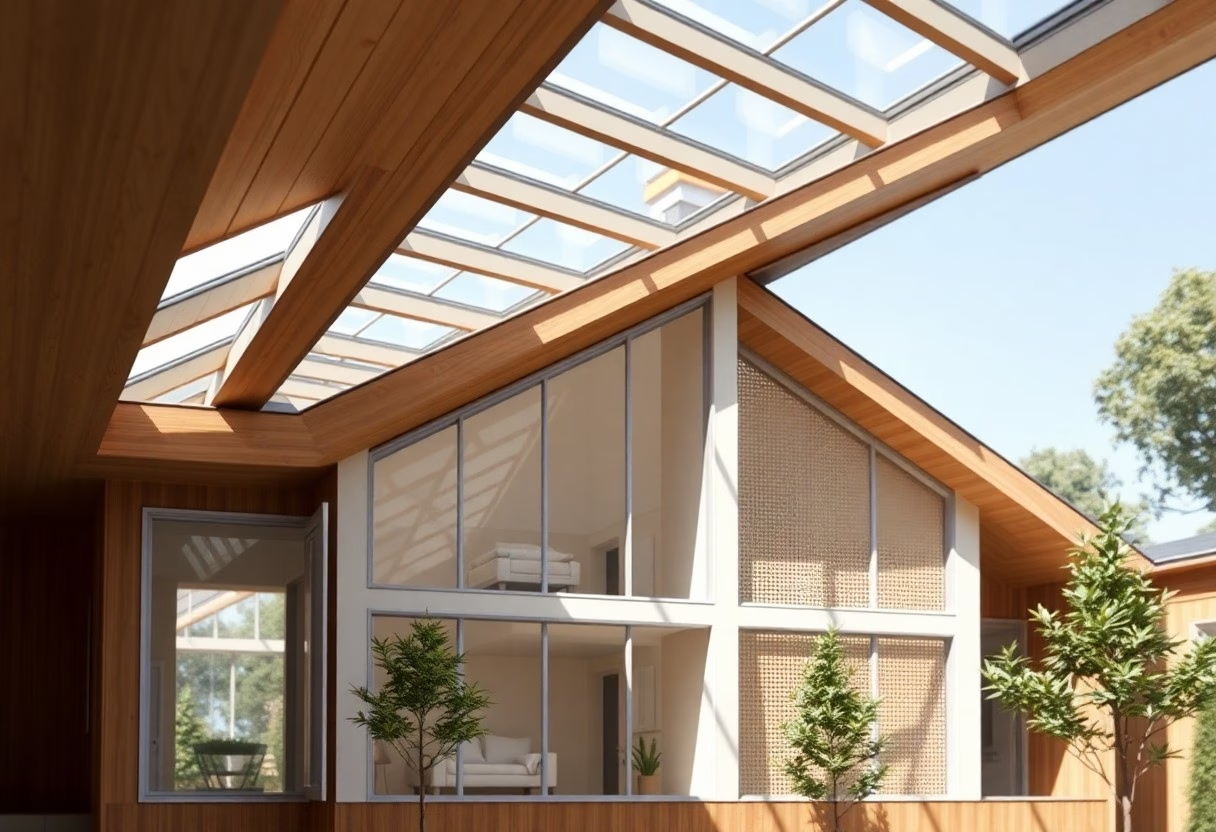
Place operable clerestory windows high on warm-side walls so you can extract hot air; pair them with low inlets to create stack-driven flow and use thermostatic openers to avoid overheating.
Clerestory placement should maximize head height above occupied zones so you keep exhaust above occupants; size operable vents to contribute at least a third of the room’s vertical outlet area and use automated actuators with temperature sensors while adding external shading to prevent solar gain.
Selecting window styles that optimize air volume
Choose window styles like casement and awning that open fully so you maximize effective airflow; avoid relying solely on small sliding sashes and include screens and restrictors for safety.
Operable casements provide the largest unobstructed opening and let you angle them like wind scoops; awnings shed rain while open, louvers let you dial airflow, and double-hungs offer vertical control-always pair style with placement so you catch prevailing winds and fit screens, restrictors, and easy operators.
Innovative Architectural Features for Active Air Movement
Designing solar chimneys to induce natural drafts
Position solar chimneys on sun-facing walls so heated air rises and pulls cooler air through lower vents, letting you reduce reliance on fans; size the shaft and include thermal mass to moderate temperature swings and improve steady drafts. Check 7 tips on how to build a house that stays cool.
Integrating wind catchers and thermal mass cooling
Orient wind catchers toward prevailing breezes to funnel fresh air down while internal thermal mass soaks heat and releases it at night, giving you effective passive cooling and better indoor comfort control.
Combine properly sized shafts, directional inlets, and adjustable dampers so you can direct airflow where you need it; use high ceilings and cool-storage floors to spread cooled air and prevent hot spots, and protect openings from dust and moisture with screens or shutters to avoid mold risks.
Factors to consider when installing wing walls
Angle wing walls to channel prevailing winds toward inlets, reduce stagnant air, and boost cross-ventilation for occupied rooms. This improves passive airflow without mechanical systems.
- Prevailing winds
- Wall angle
- Inlet sizing
- Local topography
Consider materials that resist erosion and plan foundation ties so wing walls stay stable under gusts; model wind paths to avoid creating uncomfortable downdrafts and locate openings to prevent direct sun penetration that causes overheating. This ensures wing walls increase comfort while minimizing unintended drafts.
- Material durability
- Structural ties
- Wind modeling
- Sun exposure
Exterior Elements and Landscape Integration
Landscaping tips for creating cool-air microclimates
Planting native shade trees and clustered evergreens creates cool-air microclimates that boost evapotranspiration and shade surfaces. Perceiving wind corridors helps you site trees to funnel breezes into outdoor living zones.
- Cluster plantings to shade soil and reduce radiant heat.
- Permeable groundcover to keep surfaces cooler than hardscape.
- Water features to add evaporative cooling near seating areas.
How to use shading devices to prevent solar heat gain
Position adjustable overhangs, louvers and pergolas to block high summer sun while allowing low winter light, and preserve cross-ventilation paths to keep your house cool.
Combine fixed overhangs on south facades with adjustable louvers on east and west windows so you block low-angle morning and evening sun without sealing off breezeways. You can size overhangs by window height and latitude so summer sun stays out while winter sun reaches glazing for passive warmth. Include retractable awnings where late-afternoon heat spikes, and maintain vented eaves to avoid trapped attic heat that can drive hot air into living spaces.
Summing up
Conclusively, you design for cross-ventilation, stack effect, shaded openings, thermal mass, and operable windows placed to capture prevailing breezes so your house stays cool without AC; orient rooms, use vents, and plant trees strategically to sustain airflow and indoor comfort.
FAQ
Q: How should I orient my house to capture prevailing winds and reduce heat gain?
A: Site analysis identifies prevailing wind directions, seasonal wind shifts and the sun path so you can place major openings where they capture cooling breezes while minimizing direct solar gain. Street layout, topography and nearby buildings affect wind patterns; position longer facades to face prevailing breezes and shorter facades toward sunniest exposures. Deep eaves, porches and verandas provide continuous shade for walls and windows on hot sides while allowing low-angle winter sun to enter where desired. Planting rows of deciduous trees on the sunny side offers seasonal shade without blocking summer breezes; avoid dense evergreen barriers on the windward side that can block airflow. Use simple wind-rose maps or local weather data during early design stages to test multiple orientations before finalizing the plan.
Q: What window and vent types, sizes and placements maximize cross-ventilation?
A: Cross-ventilation requires openings on opposite or adjacent façades sized and placed to promote steady airflow through occupied rooms. Aim for a net openable area equal to at least 5% of the floor area for minimum ventilation and 10-20% for strong natural cooling, distributed so air enters low and exits higher on the opposite side. Casement windows angled to catch lateral breezes, tall operable windows, clerestories and operable transoms above doors all help direct and accelerate airflow. High vents, ridge vents or operable skylights release warm air and sustain air circulation using the stack effect when wind is light. Provide screens and rainproof awnings so openings can stay operable in varied weather without letting pests or water inside.
Q: How can I use stack effect, solar chimneys and roof design to pull hot air out?
A: Vertical temperature differences create the stack effect; warm air rises and escapes through high vents while cooler air enters lower openings, producing continuous flow without mechanical fans. Incorporate clerestory windows, operable skylights, ridge vents or a dedicated solar chimney to increase stack-driven ventilation; a 2-3 meter vertical difference between inlet and outlet noticeably boosts airflow. Solar chimneys lined with dark or heat-absorbing materials and shaded from wind create strong upward drafts on sunny days. Combine high-level outlets with low-level shaded intake points such as shaded ground-floor windows or shaded courtyards for best performance. Use simple controls or manual handles so occupants can open and close high vents to tune airflow for comfort and security.
Q: What building materials and insulation strategies support natural cooling without trapping heat?
A: Thermal mass inside the occupied zone, such as exposed concrete, tile or masonry floors, stores cool nighttime temperatures and reduces daytime peak heat when combined with night flushing ventilation. High-performance insulation in walls and roofs prevents unwanted heat gain while airtightness around the envelope reduces uncontrolled infiltration that can disrupt designed airflow paths. Light-colored or reflective roof finishes reduce solar heat load on the building, while ventilated roof cavities allow hot air to exhaust before reaching living spaces. Use breathable vapor-control strategies in humid climates, and ensure thermal mass is shaded or shaded by insulated elements so it cools overnight rather than absorbing daytime heat. Select durable operable window hardware and weatherproof seals so designed openings remain functional for decades.
Q: How do floor plan, room layout and landscape features work together for all-season natural comfort?
A: Zoning places daytime living spaces on the breezier sides with large operable openings and locates sleeping areas where night-time cooling is strongest; stack the least-used rooms on the hot, sunny side as buffer zones. Central corridors, open-plan living and aligned openings create straight airflow paths; staggered partitions and partial-height walls can channel breezes while maintaining privacy. Courtyards, atria and shaded porches act as outdoor lungs that pre-cool incoming air and provide evaporative cooling when planted and watered appropriately. Night flushing-opening low inlets and high outlets after sunset-removes stored heat from thermal mass to keep interiors cool through the next day. Test the design with simple physical models or basic CFD tools during design development and plan occupant controls and shading schedules so the house performs across seasons without air-conditioning.