
Building For The Future – The Importance Of Climate-Responsive Buildings In Urban Environments
Most urban environments face the pressing challenge of climate change, and as you engage in planning or developing buildings, understanding the significance of climate-responsive design is important. These innovative structures not only reduce energy consumption but also enhance the resilience of communities against extreme weather events. By prioritizing sustainable practices, you contribute to a healthier planet while ensuring your investments adapt to future conditions.
Table of Contents

Key Takeaways: Climate Responsive Buildings
- Climate-responsive buildings utilize design strategies that adapt to the local climate, enhancing energy efficiency and sustainability.
- These structures can improve urban resilience by minimizing the impacts of extreme weather events and supporting community health and well-being.
- Incorporating green roofs, natural ventilation, and sustainable materials contributes to reduced carbon footprints and promotes biodiversity in urban areas.
- Policies and incentives that encourage climate-sensitive architecture can accelerate the transition towards more sustainable urban development.
- Collaboration between architects, urban planners, and policymakers is vital to create integrated solutions that foster long-term viability in urban environments.
The Climate Emergency: A Call to Action
With temperatures rising and extreme weather events becoming commonplace, the climate emergency demands immediate action from all sectors of society. Governments, businesses, and individuals alike must collaborate to reduce carbon emissions and adopt sustainable practices. By prioritizing climate-responsive measures, particularly in urban environments, you contribute to a resilient future and mitigate the impacts of climate change on vulnerable populations.
Urbanization and Its Environmental Impact
As cities expand, they consume vast amounts of resources and produce significant waste. Urban areas account for more than 70% of global carbon emissions, primarily due to increased energy use in transportation, heating, and cooling. This rapid urbanization exacerbates environmental challenges, including pollution, loss of biodiversity, and heat island effects. Transforming urban landscapes into sustainable spaces is imperative for addressing these challenges.
The Role of Buildings in Climate Change
Buildings play a vital role in the climate crisis, representing roughly 40% of global energy consumption and a significant portion of greenhouse gas emissions. As the demand for urban housing and commercial space grows, their energy inefficiency can have lasting repercussions on the environment. You can actively participate in the solution by supporting the development of low-carbon, energy-efficient buildings that promote sustainable living and reduce environmental impacts.
Focusing specifically on the impact of buildings, their energy use and adaptability to changing climates shape urban sustainability. Implementing features such as green roofs, improved insulation, and energy-efficient appliances can decrease your energy consumption, leading to lower emissions all around. For instance, buildings designed to utilize natural light and ventilation can significantly cut back on the need for mechanical heating and cooling, contributing to reduced carbon footprints. In light of this information, embracing climate-responsive design isn’t just a choice—it’s a necessity for creating resilient urban spaces.
Principles of Climate-Responsive Design
Embracing climate-responsive design allows you to create spaces that harmonize with the local environment. Central to this approach are principles that prioritize energy efficiency, material selection, and the utilization of natural resources. By integrating techniques such as passive solar heating, natural ventilation, and rainwater harvesting, you can significantly reduce your building’s carbon footprint. For an in-depth exploration of these concepts, refer to Climate-Responsive Urbanism.
Harnessing Natural Resources: Light, Air, and Water
Maximizing natural light, facilitating air circulation, and efficiently managing water resources are imperative for climate-responsive design. Utilizing features such as wide overhangs and strategically placed windows can increase daylight while minimizing HVAC needs. You should also consider incorporating green roofs or permeable surfaces to absorb rainwater, reducing runoff and enhancing local ecosystems.
Materials Matter: Choosing Sustainable Options
Your choice of materials plays a significant role in the sustainability of your building. By opting for locally sourced, recycled, or sustainably harvested materials, you not only reduce environmental impact but also support local economies. Prioritizing materials with low embodied energy can drastically cut carbon emissions throughout the lifespan of your structure.
Additionally, consider materials that enhance energy efficiency, such as insulated concrete forms or recycled steel, which provide durability and performance without compromising nature. You can make a substantial difference by integrating biophilic design elements—those that incorporate natural materials and forms—into your building. This not only improves indoor air quality but creates spaces that foster well-being among occupants. Engaging with local suppliers and staying informed about innovative materials can ensure that your projects remain at the forefront of sustainability.
Transformative Architecture: Pioneering Projects Around the Globe
Across the globe, innovative architecture is reshaping urban environments with a focus on sustainability and resilience. These transformative projects are not only reducing their carbon footprints but also enhancing the quality of life for residents. By integrating cutting-edge technology and eco-friendly design principles, they stand as examples of what the future of urban living can look like.
Innovations in Green Building: Successful Case Studies
Examining successful case studies reveals how innovative green buildings can create lasting impacts. Some notable examples include:
- The Edge, Amsterdam: A 40% increase in energy efficiency due to cutting-edge solar technology and a green roof, producing 2400 MWh annually.
- Copenhagen’s 8 Tallet: This residential complex boasts reduced carbon emissions by 50% and features an asphalt rooftop park, offering residents direct greenery access.
- One Central Park, Sydney: Generates 2,000 tons of CO2 savings yearly through vertical gardens and rainwater harvesting systems integrated into its design.
- The Bullitt Center, Seattle: Achieving net-zero energy, this building is powered entirely by solar energy, with a water management system that reuses rainwater.
Urban Revitalization: Lessons from Climate-Responsive Developments
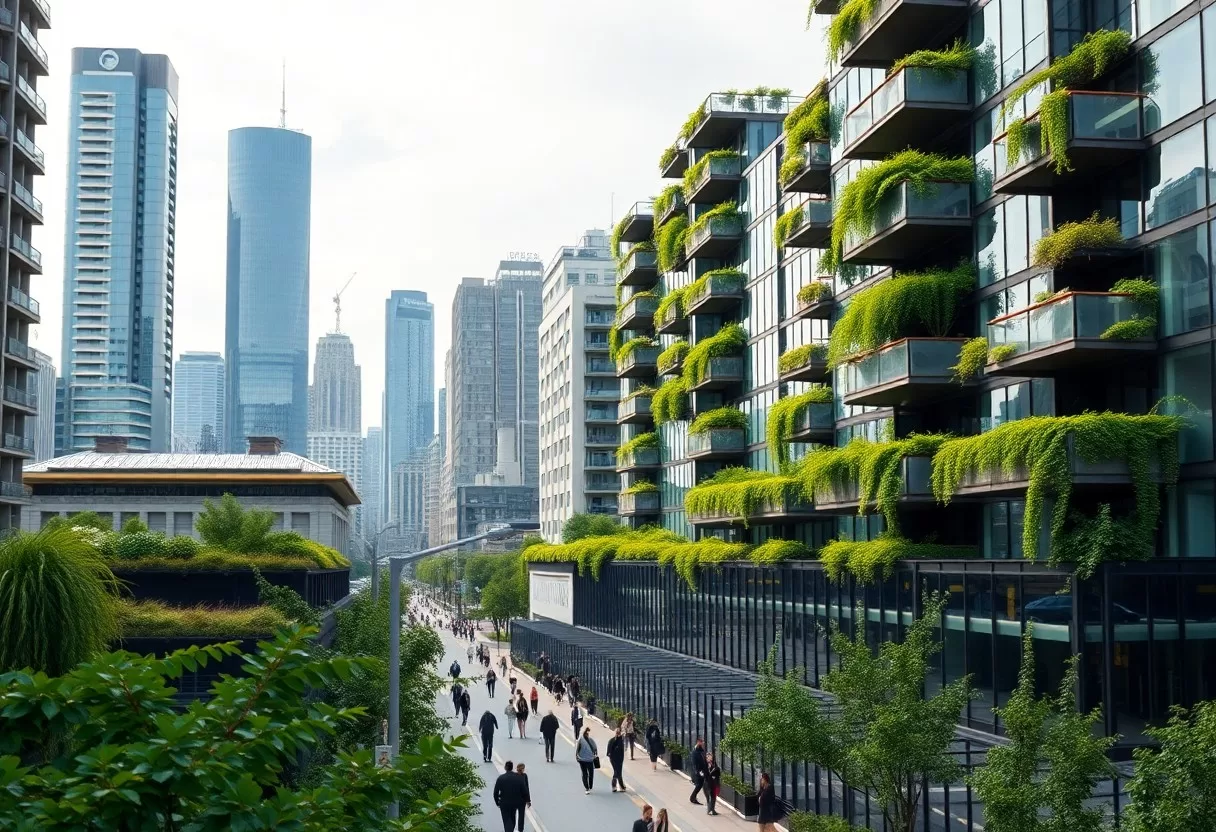
Recent climate-responsive developments highlight successful strategies for urban revitalization. Projects focusing on green spaces, biodiversity, and renewable technology create vibrant neighborhoods while addressing climate challenges. By incorporating natural elements into designs, these developments cultivate community connections and promote sustainable living.
Lessons learned from urban revitalization efforts showcase the significance of aligning community needs with climate-responsive features. For example, creating pedestrian-friendly areas and establishing green corridors fosters a sense of togetherness while reducing reliance on automobiles. The integration of energy-efficient buildings within these revitalized spaces directly cuts greenhouse gas emissions and enhances the local economy. Real-world success stories illustrate that with thoughtful planning, cities can transform underutilized spaces into thriving, sustainable environments that prioritize both people and the planet.
The Economic Argument: Investments in Sustainability
Investing in sustainability not only addresses climate change but also makes sound economic sense. As urban areas continue to expand, incorporating environmentally-friendly building practices can yield significant benefits. Energy-efficient structures lead to reduced operational costs, while sustainable materials can boost property values. Furthermore, the health benefits derived from cleaner air contribute to lower healthcare costs, enhancing overall community well-being.
Long-Term Cost Savings vs. Short-Term Expenses
While upfront costs for sustainable building materials and technology may seem high, your investment can pay off in the long run. Energy-efficient buildings often lower utility bills significantly, with projections showing that they can save up to 30% on energy costs over their lifespan. Additionally, durable materials and reduced maintenance requirements further enhance overall savings. These factors make a strong case for prioritizing sustainability in your next construction project.
Incentives and Policies That Encourage Green Building
Various governments are offering incentives to encourage green building practices, such as tax credits, grants, and expedited permitting processes. These initiatives can reduce the financial burden associated with sustainable construction, making it more accessible for developers and homeowners alike. Some areas have even implemented green building codes that prioritize energy efficiency, helping to standardize sustainable practices across urban developments.
For instance, programs like LEED (Leadership in Energy and Environmental Design) certification encourage property owners to invest in energy-saving technologies and sustainable materials through tax incentives and recognition. In cities like San Francisco, financial rebates for solar panel installations can offset as much as 50% of installation costs, further incentivizing residents to adopt green measures. Local governments are increasingly recognizing the economic benefits tied to sustainability, creating multifaceted policies that enhance both profitability and environmental stewardship.
Community Engagement: The Social Dimensions of Climate-Responsive Buildings
Engaging the community in the design and implementation of climate-responsive buildings ensures that these projects reflect the needs and values of those who will ultimately inhabit them. Active participation allows for local insights and priorities to guide sustainable solutions, fostering a sense of ownership and stewardship. Collaborative workshops, public forums, and surveys offer platforms for diverse voices and perspectives, encouraging a more inclusive approach to urban planning. By recognizing the importance of community engagement, you can create not just buildings, but cohesive environments that promote equality and resilience.
Inclusive Design: Meeting Diverse Needs
Inclusive design prioritizes accessibility and usability, ensuring that climate-responsive buildings cater to individuals from various backgrounds and abilities. Whether addressing the needs of people with disabilities, elderly residents, or families, you’ll find that thoughtful design fosters a sense of belonging and creates spaces where everyone can thrive. Implementing features such as ramps, wide doorways, and adaptable spaces reflects a commitment to embracing diversity in urban environments, making these initiatives not only sustainable but also socially equitable.
The Importance of Public Spaces in Urban Sustainability
Public spaces play a vital role in enhancing urban sustainability, serving as community hubs that promote social interaction and ecological values. By integrating green spaces, like parks and community gardens, you provide opportunities for residents to connect with nature and each other. These areas can mitigate the urban heat island effect, manage stormwater naturally, and improve air quality. Furthermore, investing in public spaces encourages walking, cycling, and outdoor activities, all of which contribute to healthier lifestyles and a stronger sense of community.
Well-designed public spaces can transform urban landscapes, offering recreational opportunities and fostering collaboration among residents. Cities that prioritize these areas see increased civic engagement, as these spaces often serve as venues for events, markets, and gatherings. For instance, the High Line in New York City revitalized a disused railway into a vibrant park, leading to job growth and a boost to local businesses. By focusing on accessible and environmentally-friendly public spaces, you contribute to a sustainable urban ecosystem that benefits both the environment and the social fabric of your community.
Summing up
Considering all points, you can see that investing in climate-responsive buildings is important for sustainable urban development. These structures not only minimize environmental impact but also enhance your quality of life through improved energy efficiency and better resource management. By prioritizing such designs, you contribute to a healthier community and a more resilient future for urban environments. Embracing this approach is not just a choice; it’s a responsibility towards the planet and future generations.
Estimate savings from climate-smart upgrades with the energy efficiency savings calculator.
Frequently Asked Questions
What is a climate-responsive building?
A building designed for its local climate, using orientation, shading, insulation, ventilation and materials to stay comfortable with minimal energy.
Why are climate-responsive buildings important in cities?
They reduce energy demand, lower urban heat island effects and keep people safer during heat waves and storms.