
Brutalism Reimagined – Finding Beauty in Concrete Giants
Brutalist architecture, with its raw concrete and bold geometric forms, has gone from widely disliked to newly admired. Many brutalist buildings that once faced the wrecking ball are now being restored and reused instead. Below, you’ll see why the style divides opinion, what its defenders and critics get right, and how architects and designers are reimagining it today.
Key takeaways
- Brutalist architecture has gone from disliked to admired.
- Many concrete buildings are now restored instead of demolished.
- Reuse keeps embodied carbon in place.
Table of Contents
The Duality of Brutalism: A Love-Hate Relationship
Brutalism stirs strong feelings, and few people are neutral about it. Some love its stark, raw look, while others find the buildings cold and intimidating. You might admire how these concrete giants challenge conventional ideas of beauty and still feel dwarfed by their size and the bare plazas around them. That split is why brutalism keeps sparking debate about what public buildings should look like and how they should treat the people who use them.
Historical Context: The Rise and Fall of Brutalist Architecture
Brutalism took off in the 1950s and 1960s, as part of the post-war rebuilding of Europe and later North America. The name comes from the French béton brut, meaning raw concrete, a phrase tied to Le Corbusier’s Unité d’Habitation in Marseille. Architects such as Alison and Peter Smithson helped shape the movement, and cities used the style for housing estates, universities and civic buildings because concrete was cheap and fast to build with. By the late 1970s, though, changing tastes, poor upkeep and urban decline had turned many people against it, and a number of brutalist buildings were later demolished.
Unpacking the Criticism: Aesthetic Rejection vs. Functional Acknowledgment
Criticism of brutalism usually splits into two camps: people who dislike how it looks, and people who judge how it works. Many see the style as bleak and unwelcoming. Its defenders point to sturdy construction and buildings that have served their purpose for decades. Boston City Hall is a good example. It’s been called one of the ugliest buildings in America, yet it still houses the city government every day. The debate shows how cities struggle with buildings designed for a very different era.
The visual rejection often comes from the lack of warm, natural materials and familiar detail, which can make the buildings feel cold. Look at what they do, though, and you’ll often find important civic uses: homes, libraries, theaters and meeting places. London’s Barbican Centre shows this well. Its heavy concrete towers and walkways surround a major arts center, along with gardens, a lake and around two thousand homes. The exterior may be polarizing, but the place works for the people in it.
Finding Beauty in the Monolithic: A New Perspective
You can find unexpected beauty in brutalist architecture once you stop judging it by traditional standards and look at its scale and presence. These concrete giants, often dismissed as cold or oppressive, offer something few newer buildings do: a sense of weight and permanence. Visit one on a sunny day and watch how the deep shadows change across the facade. The contrast between the hard exterior and the life going on inside is part of the appeal.
The Allure of Textures and Forms: Embracing Imperfection
Look closely at a brutalist building and you’ll notice its raw textures and strong forms. Instead of smooth finishes, you find rough surfaces, bold lines and fine details left by the casting process. Board-formed concrete keeps the grain of the wooden planks it was poured against, and some walls were hammered by hand to expose the stone inside. These imperfections invite you to touch and study the surface, and they record how the building was made.
Urban Integration: How Brutalist Structures Shape Our Cities
Brutalist architecture shapes a city in a big way. Because of their size, brutalist buildings often become civic landmarks that affect how people move through the streets around them. Cities like Boston and Marseille have well-known examples, from Boston’s Government Center to Le Corbusier’s Unité d’Habitation. At their best, these buildings give people a backdrop for daily life and a shared point of reference. At their worst, wind-swept plazas and blank walls push people away, which is why so many renovations focus on the ground level.
Brutalist buildings often anchor walking routes and offer open space for gathering. Boston City Hall’s plaza, for example, was redesigned to add shade, seating and play areas, so it now invites people to stay instead of hurrying across. That kind of change shows the style can adapt while keeping its commitment to functionality. It also keeps the conversation going about which buildings to protect and how to plan the cities of the future.
Revitalizing Concrete: Adaptive Reuse and Modern Interpretations
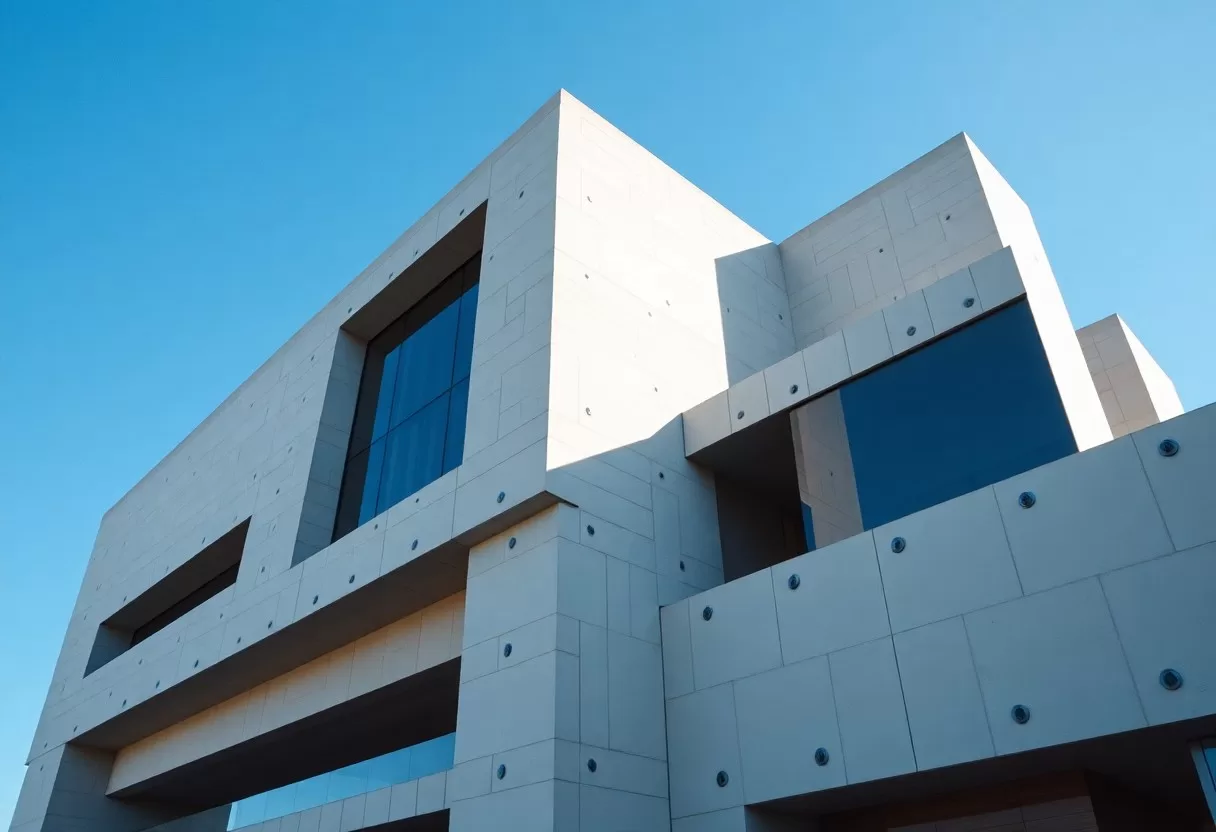
Adaptive reuse gives brutalist buildings a second life, turning neglected landmarks into useful, lively places. The idea is to respect the original design while meeting today’s needs, such as better insulation, accessibility and more welcoming entrances. By pairing careful repairs with new uses, architects are finding practical ways to keep these concrete giants relevant instead of tearing them down.
Innovative Transformations: Case Studies in Adaptive Reuse
Looking at real projects shows how adaptive reuse works in practice. A few well-known examples:
- Park Hill in Sheffield, a 1960s housing estate, has been refurbished in phases with new apartments, workspaces and brighter facade panels.
- Boston’s City Hall plaza was rebuilt with trees, seating and play areas to make the space more welcoming.
- Preston Bus Station in England was saved from demolition, listed and renovated, and it still works as a bus station today.
- Centre Point in London, a 1960s office tower, was converted into apartments instead of being torn down.
Modern Architects Embracing Brutalism’s Roots with a Twist
Many architects today borrow brutalism’s bold, honest look and pair it with modern needs. You’ll see exposed concrete combined with large windows, warm wood and better insulation, so the spaces improve functionality and sustainability. The result keeps the strong character of the original style while suiting the way people live now. Architects also add green technologies like heat pumps, solar panels and planted roofs, so new concrete buildings perform far better than their 1960s ancestors.
The Role of Brutalism in Sustainable Architecture
Brutalism’s solid build fits some ideas of sustainable architecture, especially durability. Concrete itself has a large carbon footprint, since cement production is a major source of carbon dioxide. That’s why the strongest green argument for brutalist architecture is about the buildings that already exist. Keeping a sound concrete frame and renovating it avoids the emissions of demolition and new construction, and a well-built structure can last for a century or more.
Energy Efficiency and Material Longevity: A Sustainable Approach
Concrete is not a good insulator, but it does have high thermal mass. It soaks up heat slowly and releases it slowly, which can smooth out temperature swings when it’s paired with proper insulation and shading. Many original brutalist buildings lacked that insulation and had single glazing, so they can be costly to heat. Upgrading them with insulation, better windows and efficient heating lets their long-lasting structure finally pay off in energy terms as well.
If you live in or own a concrete building from this era, a few checks go a long way. Look for cracks, rust stains and spalling, where pieces of concrete flake off as the steel inside corrodes, and have a structural engineer assess them early. Keep gutters and drainage clear, since water is concrete’s biggest enemy. When you upgrade windows or insulation, work with someone who understands older concrete, especially if the building is listed.
Minimalism and Functionality: Lessons from Brutalism in Design
Brutalism shows that simplicity in design can make spaces work better. When you strip away unnecessary decoration, the purpose of each space becomes clear, and the building responds more directly to how people use it. This plain approach encourages you to think about how you move through and use your own surroundings.
By focusing on essential elements, brutalist design puts practical needs first without giving up beauty. Generous open spaces allow efficient circulation and multifunctional use, so rooms can change purpose over time. You can apply the same thinking at home: plan for clear routes through each room, choose durable materials that age well, and leave some spaces flexible. The goal is a home that works hard and still has a strong, honest character.
If you like the look, you can bring a little brutalism into a house without making it feel cold. Polished concrete floors, a board-formed concrete fireplace wall or a cast concrete countertop all give that raw texture. Balance them with warm materials such as oak, wool and linen, and use warm lighting around 2700 K to soften the gray. Keep the color palette limited and let the texture do the work.
Brutalism’s Cultural Resurgence: A Symbol of Identity
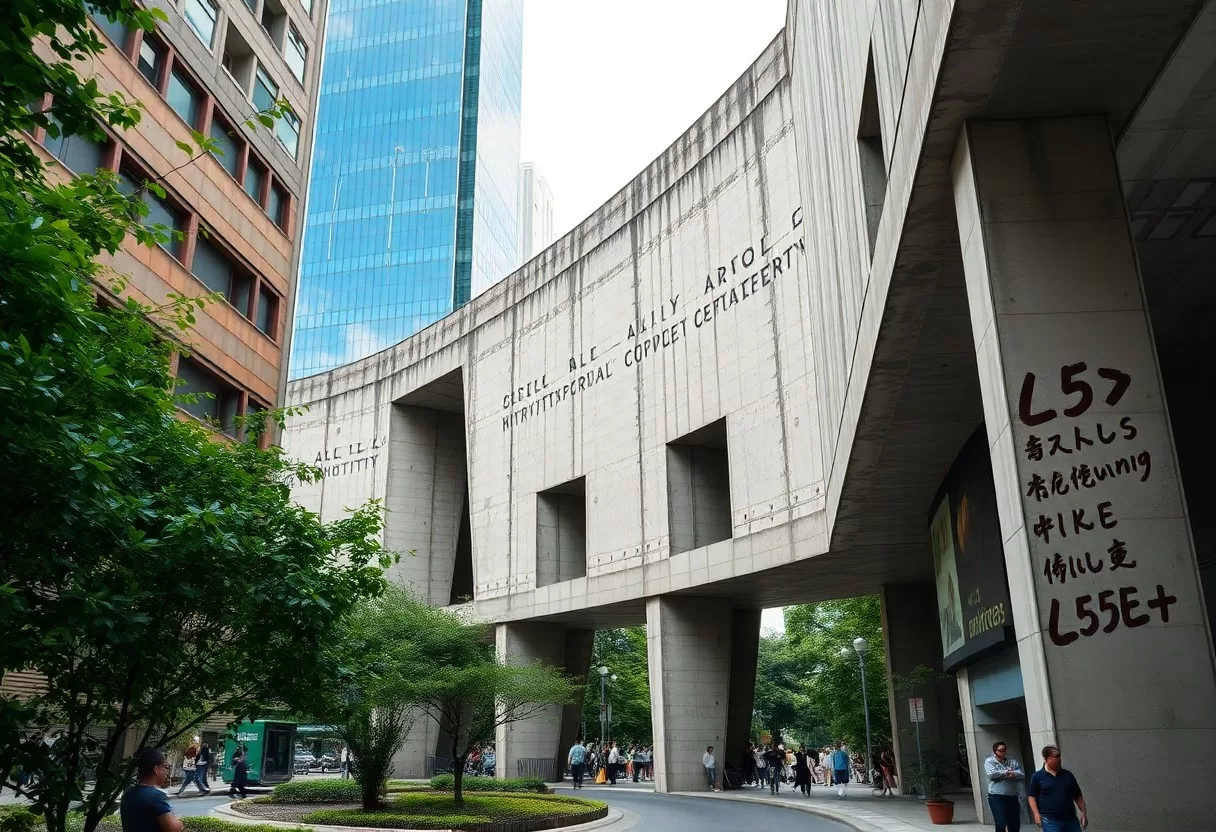
Brutalism has become a powerful symbol of identity for many communities, a reminder of a time when cities invested heavily in public housing and civic buildings. As neighborhoods change quickly, these concrete giants stand as markers of history and of the people who lived and worked in them. Interest has grown among younger people too, who often share photos of these buildings online and see in them an authentic and unrefined beauty that pushes back against glossy mainstream design.
Community and Social Spaces: How Brutalism Builds Context
At its best, brutalism supports community by creating social spaces that are useful and welcoming. Libraries, community centers, theaters and housing estates in this style were often designed with shared courtyards, walkways and meeting rooms. When these spaces are well maintained and well lit, they show how concrete can help nurture relationships and give a neighborhood a shared identity.
The Digital Age’s Influence: Brutalism in Graphic Design and Art
The digital era has given brutalism a new audience in graphic design and art, where its austere, raw aesthetics are valued for their visual impact. Websites and brands inspired by brutalist ideas skip polished, glossy layouts in favor of bold type, plain grids and rough textures. The message is simple: honesty matters more than polish.
Some graphic designers now use brutalist styles on purpose, with basic shapes and unrefined elements. You might come across websites with plain navigation, visible grids and deliberately uneven layouts that create a feeling of raw authenticity. This crossover between architecture and digital design links the past with the present, and it shows how the style’s ideas can spark new work while keeping a sense of historical context in a fast-changing online world.
To wrap up
In the end, appreciating brutalism means seeing beauty in raw, unadorned buildings. These concrete giants challenge traditional ideas of architecture and ask you to notice the craft and intention behind them. Once you learn to read their textures, shadows and shapes, you’ll start to look at your whole city differently. Every building has a story, and the ones that seem least friendly often have the most interesting ones to tell.
FAQ
Q: What is the main concept behind ‘Brutalism Reimagined – Finding Beauty in Concrete Giants’?
A: The article looks at brutalist architecture, the raw-concrete style popular from the 1950s to the 1970s, and explains why many people now see beauty in it. It covers the bold geometric forms, honest materials and social ideals behind these buildings, which are often dismissed as harsh or cold.
Q: How does this article challenge traditional views of Brutalism?
A: Brutalism has long been criticized as ugly or oppressive, but a fresh look shows buildings with strong sculptural forms, interesting textures and clever use of light. Many were built as public housing, universities and civic centers, so they also reflect ambitious ideas about shared city life. Renovations that add insulation, greenery and better lighting show these structures can stay useful today.
Q: What does this article cover?
A: It covers the history of brutalist architecture, the main criticisms, adaptive reuse of concrete buildings, sustainability, and the style’s influence on modern design, graphic design and art. If you want to explore further, architecture tours, local open-house events, photography books and visiting brutalist buildings in your own city are good next steps.
Experiment with bold exterior forms using the AI exterior house rendering generator.
Related Guides
