
Affordable Housing Solutions – Innovative Trends For Budget-Friendly Living
Many individuals and families struggle to find a home that fits their budget, and rents and prices keep climbing in most regions. Knowing which affordable housing solutions exist, and how each one works, helps you make smarter choices about where and how you live. From small, efficient tiny homes to community land trusts, these trends offer a range of options for different needs and incomes.
Table of Contents
Key Takeaways: Affordable Housing Solutions
- Modular and prefab construction can cut building time and cost, which makes affordable housing easier to deliver.
- Co-housing and other community-based models share costs among residents and build stronger neighborhood ties.
- Digital platforms for leases, rent payments and repair requests make renting simpler and more transparent for tenants and landlords.
- Energy-efficient design keeps utility bills low, which matters as much as the purchase price over the years you live there.
- Policy reforms and newer financing tools, like social impact bonds and micro-loans, help more affordable projects get built.
Redefining Affordability: Creative Financing Models
Creative financing is often what makes an affordable home possible. These models lower the upfront cost for buyers and fill gaps that a standard mortgage leaves open, such as a down payment you cannot save in time. Local governments, housing nonprofits and community lenders often run programs with flexible terms, so start by asking your city or county housing office what is available where you live.
Before you apply, gather two years of tax returns, recent pay stubs and a list of your debts. Most programs set income limits based on area median income (AMI), often 80% of AMI or less, so check that figure first. Then compare the full cost of each option, including fees, resale limits and any rules about how long you must live in the home.
Shared Equity Agreements: Bridging the Wealth Gap
Shared equity agreements let you buy a home with help from a partner, usually a government agency or nonprofit. The partner covers part of the down payment or purchase price, so your loan and monthly payment are smaller. In return, they get a share of the home’s value when you sell or refinance. You still build equity and gain from rising prices, just not all of it. Read the terms closely: some programs cap your resale price or require you to sell to another income-qualified buyer.
Tiny Home Communities: Maximizing Land Use
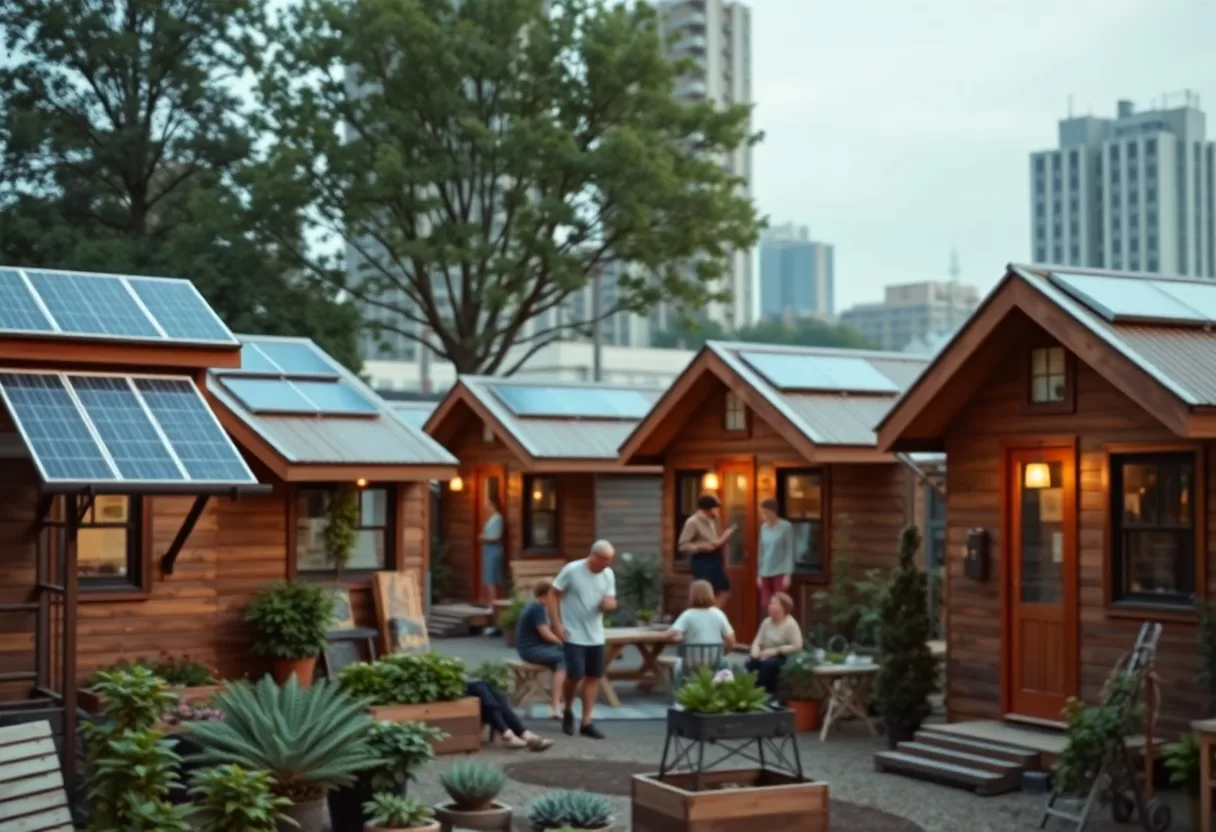
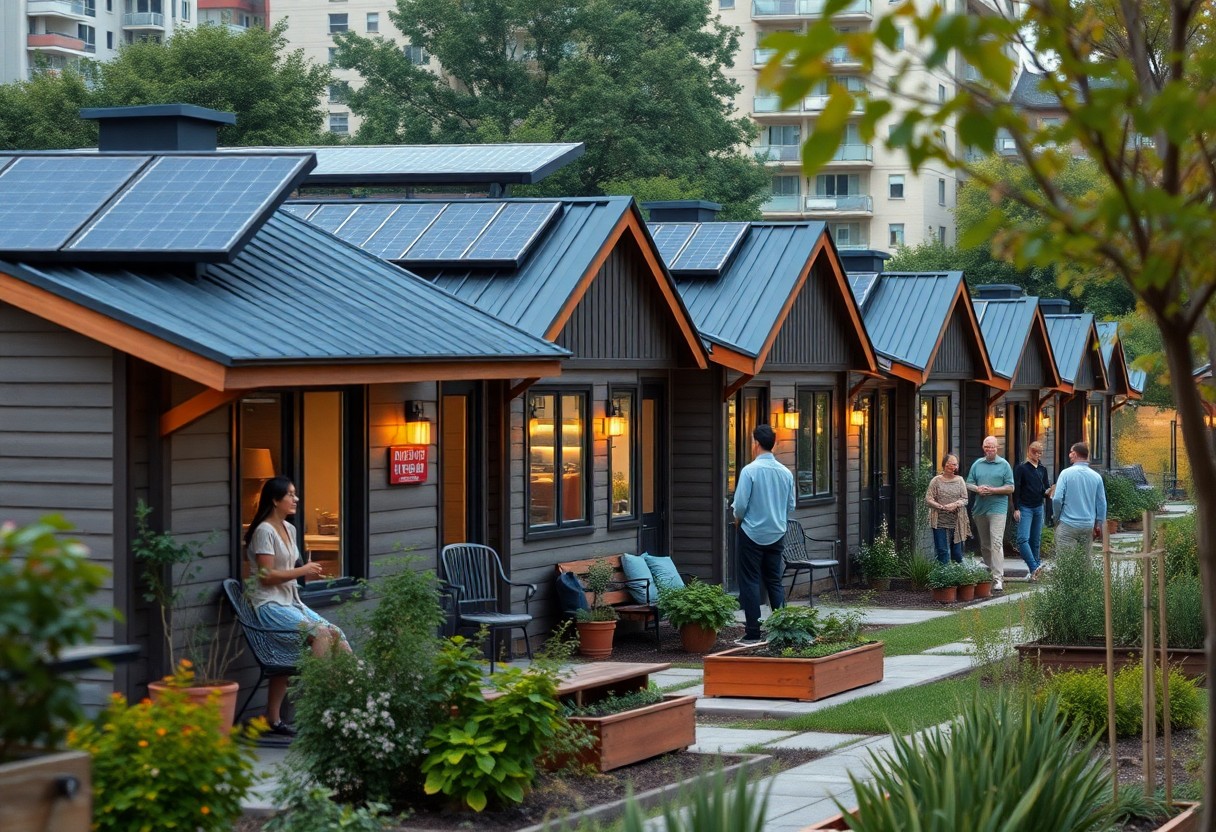
Tiny home communities make good use of limited land. Small, simple homes sit on shared lots, which keeps land and utility costs down for each household. Many of these communities add shared amenities such as a laundry room, tool shed or community garden, so residents get the extras of a larger house without paying for them alone. Living close together also makes it easier to get to know your neighbors and help each other out.
Building costs for a tiny home vary widely with size, finishes and whether you hire a builder or do the work yourself, but they are usually far below the cost of a standard house. Communities often cluster homes around shared infrastructure like gardens, parking and utility hookups, which spreads the cost of land and services. Most tiny homes range from about 100 to 400 square feet, enough for essential living needs if you plan storage carefully. Before you buy, check local zoning and building codes, since many towns still set minimum home sizes or treat tiny homes on wheels as RVs.
The Role of Technology in Affordable Housing
Technology is changing how affordable housing solutions are planned and built. Project management software keeps schedules on track, and building information modeling (BIM) lets designers catch errors on screen before they turn into costly fixes on site. It also helps cut material waste. Inside the home, efficient heating, cooling and lighting systems lower monthly bills, which can matter as much to affordability as the price of the house itself.
Modular Construction: Speeding Up Production
Modular construction shortens a project by building wall panels or whole room modules in a factory while the site work happens at the same time. Factory conditions mean fewer weather delays and more consistent quality. Once the foundation is ready, the modules are trucked in and set by crane, often in a few days. For you, that means a shorter wait to move in, and for builders it means lower labor and financing costs, savings that can be passed on to buyers and renters.
Smart Homes for Budget Living: Efficiency Meets Savings
Adding smart technology to affordable housing helps residents use less energy and stay comfortable, so utility bills stay lower. Smart thermostats, LED lighting and good insulation are simple examples. Insulation and air sealing usually give the biggest return, so if you have to choose, put money there first, then add a programmable or smart thermostat. These upgrades make daily life more comfortable without stretching your budget.
Smart homes turn technology into real savings. A smart thermostat learns your schedule and eases off the heating or cooling when you are asleep or away, which can trim your energy bill over a year. Motion sensors and smart plugs switch off lights and devices in empty rooms, cutting wasted power. Start with the devices that control your biggest costs, usually heating and cooling, and skip gadgets that add monthly subscription fees.
Community-Centric Approaches to Housing
Community-based approaches give residents a real say in creating and running their housing. When neighbors work together, they can share tools, childcare, cars and maintenance costs, and those shared resources add up to lower monthly expenses. Getting involved in such a project helps you secure a home you can afford and gives you a stronger connection to the people around you.
Co-Housing Initiatives: Building Together
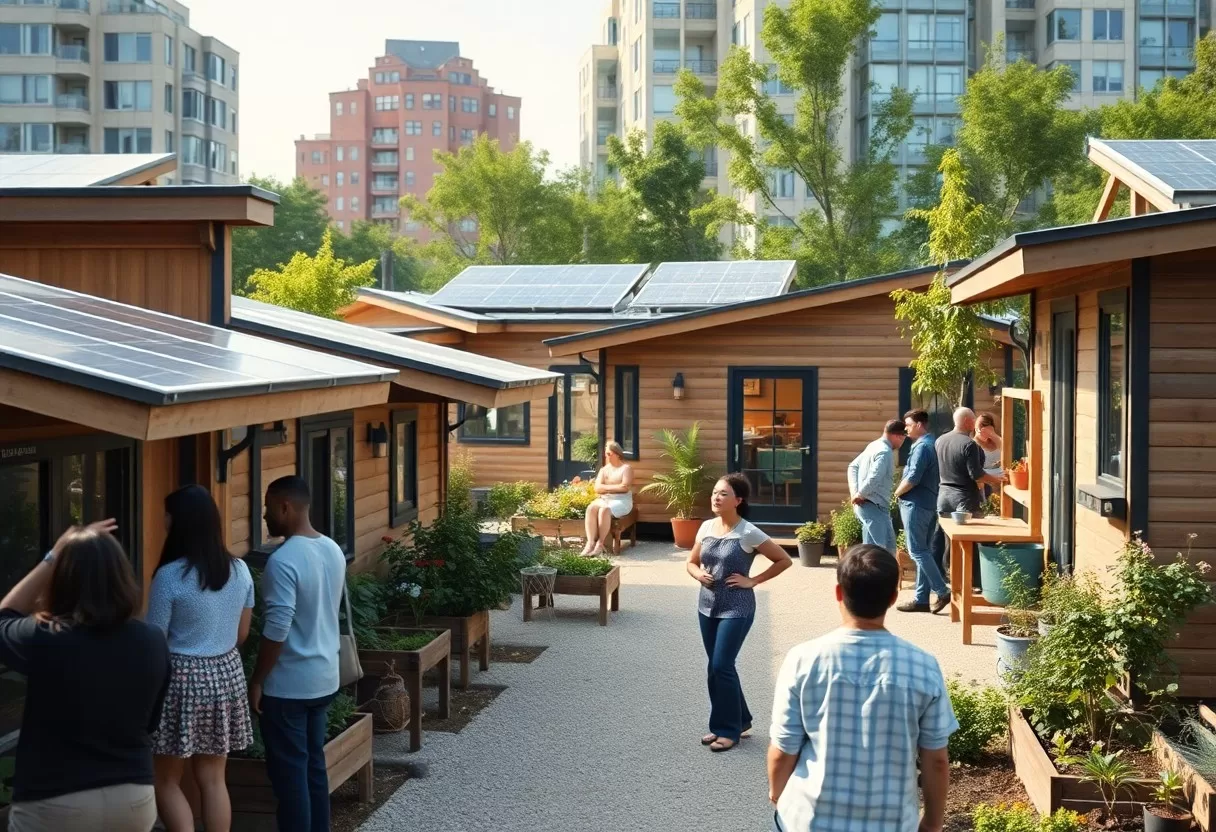
Co-housing groups build private homes around shared spaces, such as a common house with a large kitchen, dining room and guest rooms. You keep your own home and privacy, but you share meals, tools and upkeep with neighbors when you want to. Because big items like laundry machines, workshops and guest rooms are shared, each private home can be smaller and cheaper to build and heat. Residents also split chores and decisions, which keeps maintenance costs in check.
Land Trusts: Securing Long-Term Affordability
Community land trusts keep housing affordable for future buyers by taking land off the speculative market. The trust owns the land and you own the home, which keeps prices well below market. In exchange, resale prices are limited by a formula, so the home stays affordable for the next family. This setup protects you from sharp swings in the real estate market and gives local residents a voice in how their neighborhood grows.
Established land trusts, such as the Champlain Housing Trust in Vermont, have shown how well this model can work. The trust buys property and holds the land, so homeowners buy only the house and lease the land for a small monthly fee. Residents build some equity while the home stays affordable over the long term. Because community members sit on the board, local people help shape decisions about their own housing.
Government Policies Paving the Way for Accessibility
Government policy plays a big role in making affordable housing easier to find. Inclusionary zoning, for example, requires developers to set aside a share of new units for lower-income households. Tax credits and other incentives for builders encourage both new construction and the repair of older buildings. Learn more about these affordable housing solutions and cheaper housing options that can help you find a place for your family.
Zoning Changes: Breaking Down Barriers
Recent zoning changes in many cities aim to remove old barriers to affordable housing. These reforms allow duplexes, townhouses, accessory dwelling units (ADUs) and mixed-use buildings in areas once reserved for single-family homes. More housing types mean more price points, which can open up affordable options in neighborhoods with good schools, jobs and transit. Check your local planning department’s website to see what your zoning allows.
Housing Vouchers vs. Direct Investment: Evaluating Effectiveness
Housing vouchers and direct investment are two common ways to tackle the affordable housing shortage, and each has strengths. Vouchers, such as the federal Housing Choice Voucher program, help you pay rent on a private-market unit right away. Direct investment funds the construction of new affordable units. Understanding the trade-offs helps you judge local policy debates and speak up for the approach your community needs.
Vouchers give you choice, because you can pick a home and neighborhood that suit your needs. However, they do not add new homes, and in tight markets voucher holders may struggle to find a landlord who accepts them. Direct investment adds new affordable units, but it takes significant funding and years of planning and construction. Most communities need a mix of both: vouchers for immediate help and new construction to address the long-term shortage of homes.
Lessons from Global Innovations in Housing
Housing ideas from other countries offer useful lessons you can apply locally. Nordic countries focus on energy-efficient design and strong public transit, while builders in emerging economies find clever ways to work with tight budgets and limited materials. Studying these approaches can help you rethink what is possible where you live and adapt the best ideas to your own situation.
The Scandinavian Model: Sustainable Affordability
The Scandinavian model shows how sustainable affordability can work in practice. Governments invest in energy-efficient buildings and good public transportation, which lowers everyday costs, since many families can live without a second car. In Sweden, for example, housing developments often include parks, playgrounds and shared facilities, so residents enjoy a high quality of life while housing stays within reach for many families.
Lessons from Developing Nations: Innovative Solutions Under Pressure
Developing nations offer creative solutions born out of necessity. Limited resources have pushed communities to try low-cost building techniques and reuse local materials. Countries such as India and Brazil show how informal settlements can gradually become organized neighborhoods with basic services, offering lessons on efficient land use and resilience under economic pressure.
In India, “self-built” housing is common: families start with a small, basic structure and add rooms or floors as money allows. This step-by-step approach gives people ownership early and meets immediate needs. In Brazil, favela upgrading programs have brought paved streets, water, sewer lines and community facilities while keeping residents in place. These examples show how patience and local know-how can produce lasting housing, and they offer ideas you can bring to your own community projects.
Mortgage payment calculator
Estimate your monthly payment and the true cost of the loan.
Conclusion
Bringing these ideas together, affordable housing solutions come in many forms, from modular construction and co-housing to community land trusts and shared equity programs. Compare each option against your income, how long you plan to stay and how much control you want over resale. Start with your local housing authority, then talk to a HUD-approved housing counselor, who can explain programs in your area at little or no cost. Staying informed and involved helps build a community where good housing is within reach for more people.
See what you can afford with the mortgage affordability calculator.
Frequently Asked Questions
What are the newest affordable housing solutions?
Prefabricated and modular construction, 3D-printed homes, accessory dwelling units, co-living, community land trusts and shared-equity programs are among the most promising approaches.
Can ADUs help with housing affordability?
Yes. Accessory dwelling units add homes on existing lots without new land, offering lower-cost rentals and extra income for owners.
Related Guides
