
Modern Farmhouse Revival – Why Rustic Meets Minimalist Still Captivates
Modern farmhouse style pairs rustic warmth, such as reclaimed wood, shiplap and vintage pieces, with minimalist lines and neutral palettes. The mix is comfortable and practical, which is why it keeps outlasting trends. Here is where the style comes from and how to get the balance right.
Table of Contents
Key Takeaways:
- Modern farmhouse style mixes rustic warmth with clean, simple lines.
- Natural materials and neutral colors are the backbone of the look.
- Comfort and function come first, so rooms feel relaxed but uncluttered.
The Origins of the Modern Farmhouse
A. Historical Significance
The modern farmhouse has its roots in 19th-century American farm life. Those houses were built for work: deep porches for shade, big kitchens for feeding a family and farmhands, and simple layouts that were easy to build and heat. Over time they became a symbol of practicality, family and a connection to the land. Modern farmhouse style borrows that honest, hardworking spirit and pairs it with today’s lighter, more open interiors.
B. Architectural Elements
Learn to spot the architectural features that define the look: gabled roofs, wide eaves, board-and-batten or lap siding, simple symmetrical facades, and black-framed windows against white or pale walls. Inside, you’ll usually find open floor plans with rustic touches like wood beams and shiplap. Large windows and covered porches bring in daylight and tie the house to the yard, echoing its countryside origins.
The Allure of Rustic Design
Natural Materials
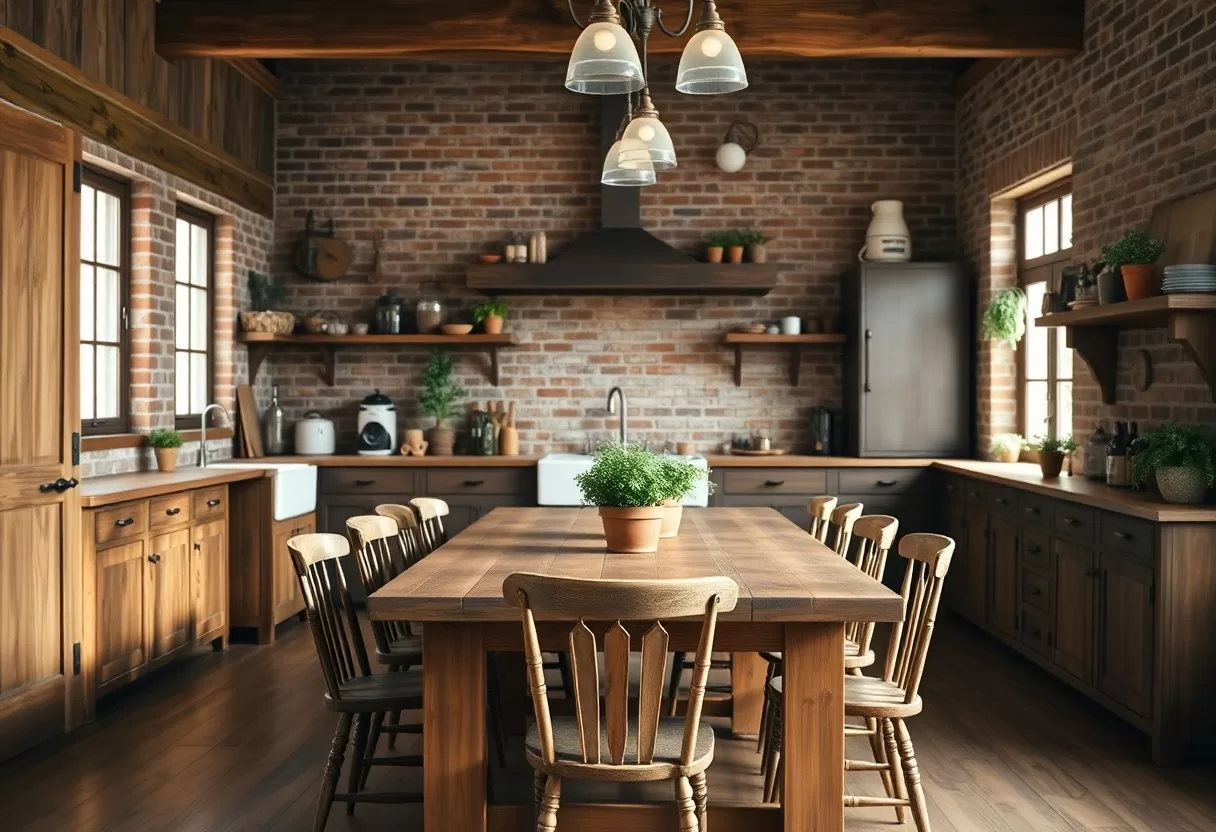
Natural materials like reclaimed wood, stone and metal give a farmhouse interior its depth. Weathered finishes have a character that new materials can’t copy, so each piece feels a little different. Salvaged barn wood makes a great floating shelf, mantel or kitchen island top, and reusing old wood keeps it out of the landfill. If you buy reclaimed lumber, ask whether it has been kiln-dried and treated for pests, and seal it before indoor use.
Cozy Aesthetics
The cozy side of rustic design is all about texture. Think plaid or checked textiles, deep sofas, chunky knit throws, worn leather and soft, warm lighting around 2700K. Layering two or three textures in one corner, such as a wool throw over a leather armchair next to a jute rug, makes a room feel lived-in right away. Keep the colors quiet so the textures do the work, and the space will feel restful and welcoming for family and friends.
Minimalist Principles
A. Simplicity and Functionality
Simplicity means keeping only what you use and love. Focus on functionality, so each piece in a room earns its place. Furniture that doubles as storage, such as a bench with baskets underneath or a vintage dresser used as a TV console, keeps clutter down. A good rule is to leave some open surface on every table and shelf. For a look at how modern farmhouse style has changed over the years, read The Evolution of Modern Farmhouse Style: From Rustic ….
B. Open Spaces
Open spaces help the house feel bright and connected. Removing or widening a few walls between the kitchen, dining and living areas lets natural light reach deeper into the home and makes it easier to talk while you cook. Always check with a contractor before taking out a wall, since some are load-bearing. Use rugs, pendant lights and furniture groupings to define zones, so the open plan of your modern farmhouse still feels organized.
Blending Rustic and Minimalist Styles
Key Design Features
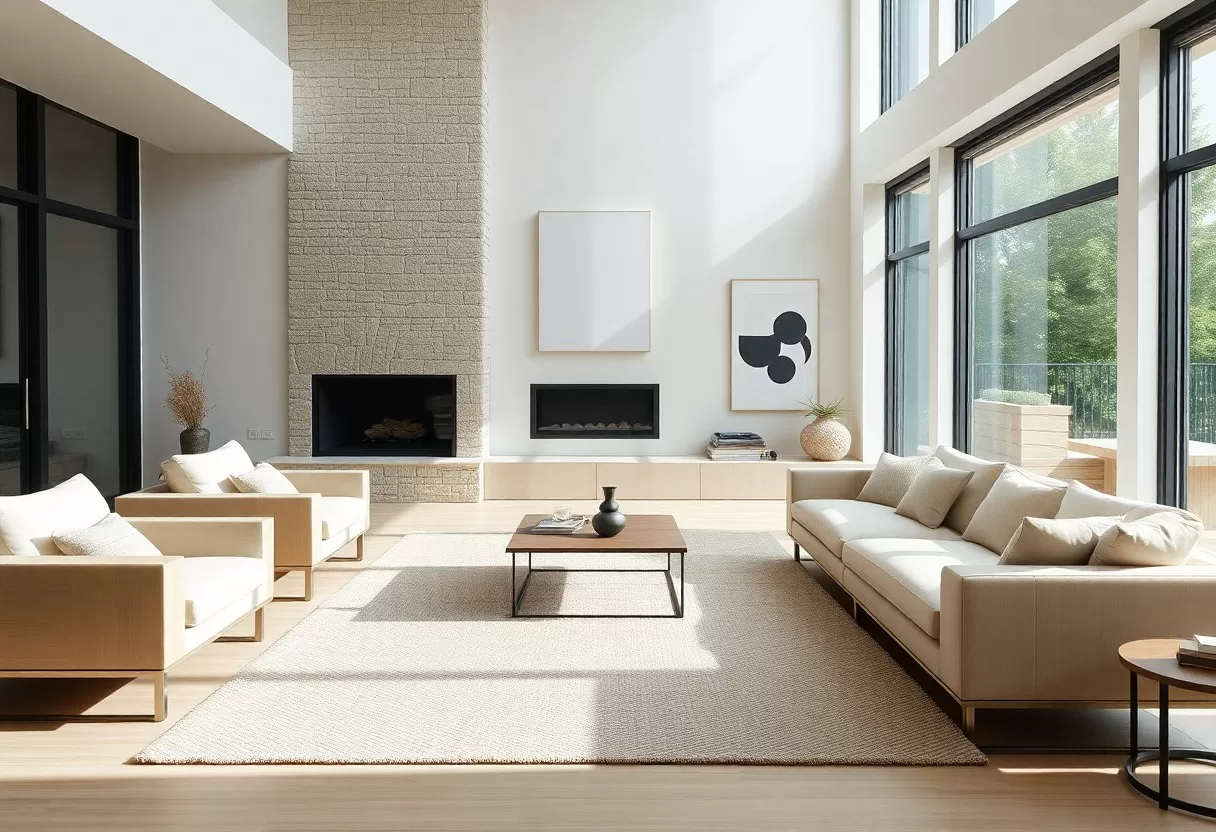
Blending rustic and minimalist pieces is the heart of the style. Pair reclaimed beams or a vintage cabinet with clean-lined, multifunctional furniture, and the room feels balanced rather than themed. Open shelving works well for handmade ceramics and everyday dishes, as long as you keep it edited. A chunky wood farmhouse table with simple modern chairs is a classic example. Repeat natural textures, such as wood, linen and stone, from room to room.
Color Palettes
Your palette should mix earthy tones with crisp neutrals. Soft whites and warm grays set off wood and stone, while sage green, muted blue or charcoal add depth on cabinets, doors or an island. A barn wood accent wall or a slate-gray painted wall adds interest without taking over. To see how these palettes look in real homes, browse this discussion on how Farmhouse Style Meets Industrial Elements in Home Decor.
White paint is trickier than it looks, so test before you commit. Warm whites with a slight cream or yellow undertone suit wood and north-facing rooms, while cooler whites can feel stark in low light. Paint large samples on two walls and check them in the morning and evening. A matte or eggshell finish on walls and satin on trim is a practical, durable combination.
Furnishing the Modern Farmhouse
Choosing the Right Furniture
Choose furniture that works hard and looks relaxed. Pieces made from natural materials such as solid or reclaimed wood, distressed leather and linen add warmth and character. A deep, clean-lined sofa with washable slipcovers is practical for families and pets. Mixing a few good modern pieces with vintage finds creates a balanced look, so the room feels cozy but still polished. Leave about 18 inches between the sofa and coffee table so the room is easy to move through.
Accessorizing with Intent
Accessories finish a room, but a few good ones go further than many small ones. Choose handmade ceramics, artisan textiles, vintage glass jars and woven baskets for texture. Group items in odd numbers and vary their heights. A large mirror bounces light around, and a simple gallery wall of black-and-white photos or botanical prints adds farmhouse charm while keeping the minimalist feel intact.
Case Studies of Successful Designs
Inspiring Transformations
You don’t need a historic barn to get the modern farmhouse revival look. Many projects start with an ordinary suburban house: painting dark trim white, swapping heavy drapes for simple linen panels, adding a wood beam or two and choosing matte black fixtures. Others build new with a gabled roof, board-and-batten siding and a wide front porch. In both cases, the best results come from a few strong rustic elements set against clean, open space.
Lessons from Notable Projects
The most successful designs share some lessons you can use. Keep original features when you can, such as old floors, doors or beams, and pair them with modern plumbing and lighting. Add a smart thermostat, LED lighting and better insulation during a renovation, so the house is comfortable and efficient. Don’t overdo the shiplap and word signs; modern farmhouse style ages best when the rustic touches feel authentic rather than themed.
- Older farmhouse refresh – keep the original beams and floors, then update lighting, paint and plumbing.
- Eco-friendly update – add insulation, efficient windows and reclaimed or low-VOC materials.
- Suburban makeover – mix traditional trim and vintage pieces with modern fixtures and furniture.
- Smart farmhouse – tuck smart thermostats, speakers and lighting controls behind rustic finishes.
What’s your interior design style?
Answer 6 quick questions to discover the style that fits you — and how to bring it home.
To wrap up
The modern farmhouse revival works because it blends rustic warmth with minimalist calm. Natural materials, earthy tones and practical, open spaces make a home that feels comfortable without looking busy. Start with one room, choose a few rustic pieces you love and keep everything else simple. That’s how modern farmhouse style stays fresh and personal, long after passing trends have moved on.
FAQ
Q: What are the key design elements that define the modern farmhouse style?
A: The modern farmhouse style combines rustic elements like exposed wood beams and shiplap with minimalist aesthetics, featuring neutral color palettes, open spaces, and functional furniture that emphasizes simplicity and practicality.
Q: How can one achieve the modern farmhouse look without it becoming overly cluttered?
A: Focus on selecting a few statement pieces that highlight rustic charm while ensuring that each item serves a purpose. Use natural materials and textures, and maintain a clean, uncluttered space by limiting decorative items and opting for multi-functional furniture.
Q: Why has the modern farmhouse style remained popular in contemporary design?
A: Its appeal lies in the balance between warmth and simplicity. The fusion of rustic and minimalist features creates inviting spaces that promote comfort, while their timeless quality allows for adaptability in various design settings.
See a modern farmhouse version of your room with the free AI interior design generator.
Related Guides
