The Benefits Of Prefabricated Construction Methods – Efficiency And Sustainability Combined
Imagine cutting construction time and costs while also reducing your impact on the environment. Prefabricated construction methods give you efficiency and sustainability through factory-built components, tighter planning and less waste. Used well, they can speed up your project and improve build quality. Research on the economic benefits of adopting prefabricated building methods also points to long-term savings and environmental gains. In this article, you’ll see how prefabrication works, where it saves money and what to watch for when you plan a project.
Table of Contents
Key Takeaways:
- Prefabricated construction shortens schedules because components are built off-site while the foundation and site work happen at the same time.
- Factory cutting and planning reduce waste, and leftover materials are easier to collect and recycle.
- Quality control improves because parts are built indoors under controlled conditions, with repeatable checks and precise tolerances.
- Tight joints and well-installed insulation help many prefab buildings use less energy for heating and cooling.
- Less on-site labor and a shorter schedule can lower labor costs.
How Prefabrication Transforms Project Timelines
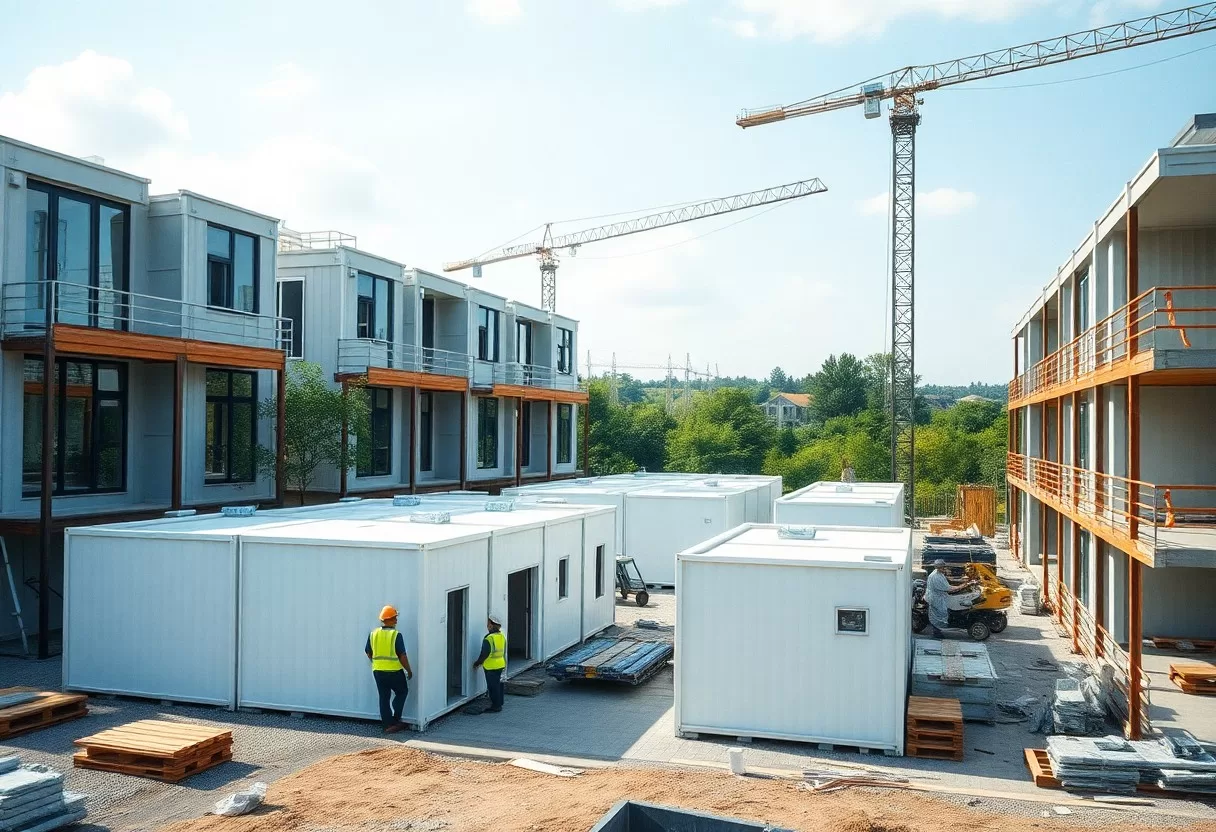
Prefabrication changes the shape of a project timeline because design, factory production and site work overlap instead of happening one after another. Building components indoors avoids most weather delays and site problems, so completion dates are more predictable. It also makes the project easier to manage, since much of the work happens on a fixed factory schedule. For a closer look at the specific benefits of prefabricated construction, see the prefabricated construction comprehensive guide from Wells.
Accelerated Build Times: The Fast-Track Advantage
With prefabricated construction, components are made in a controlled factory setting, which makes better use of time. Because the foundation, utilities and site work can go ahead while walls, floors or entire modules are being built, projects often finish noticeably sooner than comparable site-built ones. The exact time saved depends on the design, the factory’s backlog and how early decisions are locked in. Shorter waits help you meet tight deadlines without cutting corners on quality.
To get the full schedule benefit, finalize your design early. Changes after the factory starts production are expensive and can erase the time you saved. Confirm transport routes and crane access before you order, since large modules need room to be delivered and lifted, and check that your local building department is familiar with factory-built components and knows when inspections will happen.
Impact on Labor Costs: Efficient Workforce Utilization
Prefabrication can noticeably lower labor costs by making work on site more efficient. With much of the fabrication done in a factory, you need fewer workers on site and for less time. Crews focus on setting and connecting components instead of building each one from scratch, which shortens their time on the job and lowers labor costs overall.
The financial benefits of prefabricated construction go beyond saving time. Because factory crews handle most of the building, on-site labor hours drop. Assembly crews concentrate on putting pieces together instead of the full range of traditional trades work, which takes more varied skills and longer schedules. That focus raises productivity and reduces the risk of surprise labor costs. Fewer trades on site also means fewer subcontractors to coordinate, which usually leads to smoother execution and fewer delays.
The Environmental Edge: Building Greener
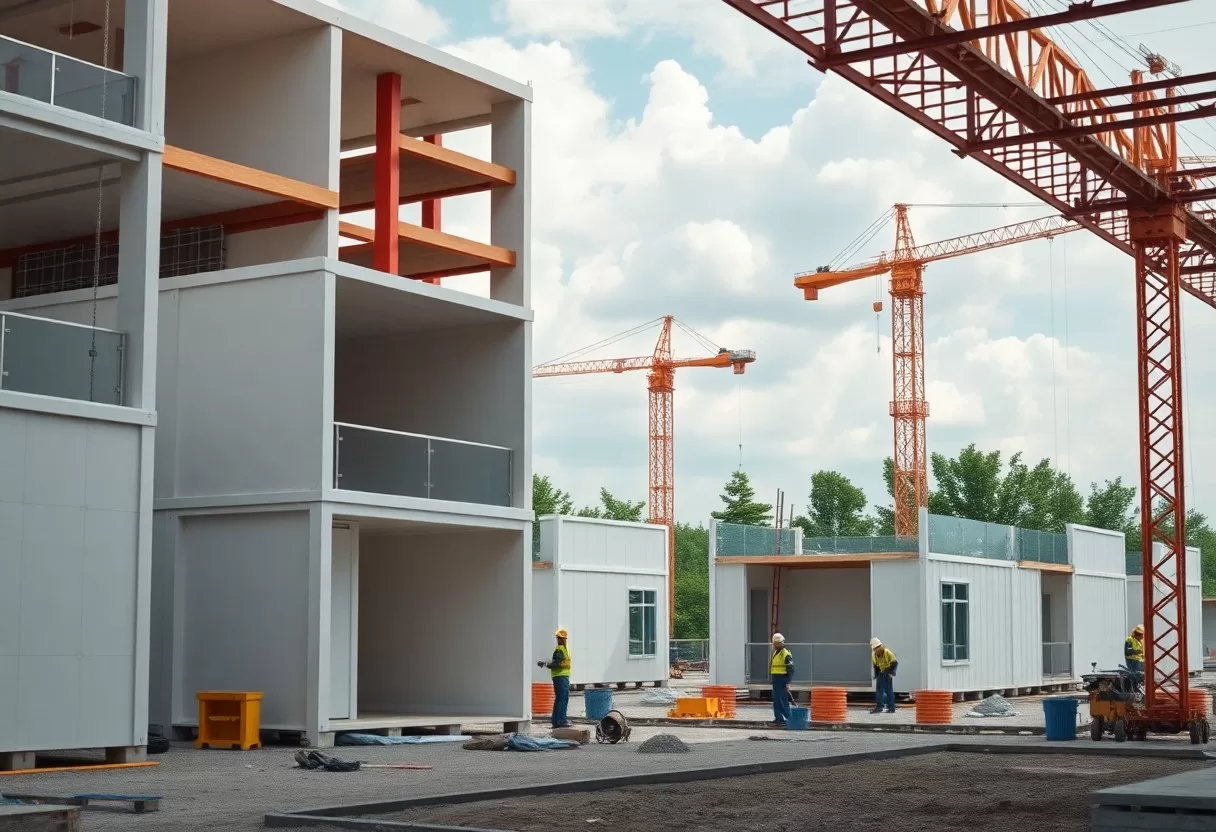
Prefabricated construction is about sustainability as well as speed. Planning every component in advance and building it under controlled conditions helps you use materials and energy more carefully. The result is a smaller environmental footprint for your project, with benefits for both you and the environment.
Waste Reduction Strategies: Cutting Down on Scrap
Traditional construction sites produce a lot of waste, from offcuts to damaged materials and packaging. Prefabricated methods reduce this construction waste considerably. In a factory, materials are cut to precise measurements, offcuts can be reused on the next component, and scrap is easier to sort and recycle. Materials are also stored indoors, so less is lost to rain or damage before it is used.
Energy Efficiency in Production: Sustainable Material Choices
Sustainable production in prefabricated construction often starts with materials from suppliers who prioritize responsible sourcing. Choosing options like recycled steel, sustainably harvested wood and low-VOC products can help you achieve meaningful reductions in greenhouse gas emissions. Low-VOC paints, adhesives and finishes also keep indoor air healthier for the people who will live or work in the building.
Sustainable material choices can also save money over time. Recycled steel, for example, generally takes less energy to produce than steel made from raw ore, and durable materials need replacing less often. Certification programs such as LEED reward responsible sourcing and efficient design, which can raise a building’s market value. Prioritizing sustainability does not mean giving up quality or performance; it simply means choosing materials with their full life cycle in mind.
The Financial Upside: Cost Savings and Economic Benefits
Prefabricated construction offers real cost savings that improve your bottom line. Lower labor costs are a big part of it, since most of the work happens in a factory, reducing the number of workers on site and the expenses that come with them. Shorter schedules also mean lower financing costs and earlier occupancy, so rental or sales income can start sooner.
Long-Term Savings: Maintenance and Operational Efficiency
Prefab structures can also keep maintenance costs lower, thanks to quality materials and precise factory assembly. Tight joints and consistent installation mean fewer leaks, drafts and callbacks, so repairs and renovations tend to come less often. Because many designs are standardized and tested over many builds, their long-term performance is easier to predict. Still, ask for the manufacturer’s warranty terms and maintenance schedule, just as you would for any building.
The Forecast for ROI: Investment in Prefabrication
Prefabrication often leads to a faster return on investment (ROI). Shorter build times let you recover your initial investment sooner, because leasing or sales can begin earlier. Standardized components and automated production also help keep costs under control, making prefab a sound financial choice as well as a practical one.
The outlook for ROI on prefab projects is promising, though results vary by project type, location and how well the process is managed. Developers are paying more attention to prefabrication because it lines up with demand for efficient, sustainable buildings. To judge your own project, compare full costs, including transport, cranes, financing and time saved, rather than only the price per square foot.
Overcoming Common Misconceptions: Addressing Skepticism in Prefab
Many people still associate prefabricated construction with cheap, plain buildings. Clearing up these misconceptions is essential to seeing the real benefits of prefab. Well-designed modern projects show that innovation, quality and good design do not have to be traded away for efficiency and sustainability. Prefabrication is more than a passing trend; it is part of a wider move toward smarter building methods that fit modern needs.
Quality Assurance: Debunking the Myths of Inferior Standards
You might assume prefab buildings cut corners on quality. In reality, reputable prefab manufacturers must meet the same building codes as site builders, and many go beyond the minimum. Factory settings make quality checks easier, since work is done at comfortable heights, with jigs and calibrated tools, and away from rain and snow. When you compare builders, ask about their inspection process, third-party certifications and past projects you can visit.
Customization Potential: Flexibility Beyond Traditional Methods
One standout feature of prefabricated construction is its remarkable customization potential. You can adapt designs to suit your needs, often with more options than people expect. This flexibility allows for personalized layouts, unique floor plans and tailored finishes, so your building reflects your vision while remaining efficient to produce.
Customization in prefab does not mean giving up practicality. Many companies offer modular designs that can be adjusted for room layouts, sizes and appearance, giving you plenty of options for a distinctive space. You might pick specific exterior finishes and rearrange interior spaces to suit your lifestyle. Keep in mind that module sizes are limited by what can travel on a truck, so very large open spans may need extra engineering. Experience from earlier builds also helps manufacturers integrate energy-saving features smoothly into new designs.
The Future of Construction: Innovations on the Horizon
Construction is changing quickly, driven by new technology and a push for efficiency and sustainability. As demand grows for greener building practices, advanced tools will keep reshaping traditional methods. With cities growing and the need for eco-friendly housing rising, prefabrication is likely to play a bigger role and adapt to the challenges of modern society.
Technological Advancements: Integrating AI and Robotics
Artificial intelligence and robotics are starting to change construction, streamlining processes and improving productivity. AI-assisted software can automate parts of planning and design, such as checking for clashes between structure and services or optimizing material use. Robotic systems handle repetitive factory tasks like cutting, nailing and welding, reducing errors and improving worker safety. Together, these tools help keep your project on schedule and on budget while maintaining a high standard of quality.
Trends Reshaping the Industry: Prefabrication in Urban Development
Prefabrication is increasingly common in urban development, changing how cities grow. Modular units shorten construction time and reduce disruption in crowded neighborhoods, with fewer deliveries, less noise and shorter street closures. Large cities, including London and New York, have used modular methods for apartment buildings and student housing to add homes more quickly. This approach supports efficient land use and helps create more sustainable urban environments.
In cities where space is at a premium, prefabricated construction helps meet the demand for high-density housing. Modular construction lets most of the building be assembled off-site, which eases tight site constraints and cuts noise for neighbors. Modules can often be set in place in days or weeks rather than months, offering a faster response to housing shortages. As cities plan for growth, these methods help you build quickly while keeping sustainability and community well-being in view.
Home design & build timeline estimator
See how long each phase of a new home typically takes — and how the construction method changes it.
To wrap up
To recap, prefabricated construction methods can improve both efficiency and sustainability in your projects. By streamlining the building process and reducing waste, you save time and money and lower your environmental impact. Prefab helps you make better use of resources while delivering high-quality results. Talk with experienced prefab builders early in the design stage and compare full project costs, and you can decide whether this approach is the right fit for your next build.
Design a prefab-friendly home in our online 3D home design software.
Frequently Asked Questions
What is prefabricated construction?
Building components or whole modules are made in a factory and assembled on site. Factory conditions improve quality control and reduce weather delays and waste.
Are prefab homes cheaper?
They can be, mostly through shorter build times and less waste. Transport, site work and customization affect the final price, so compare total costs.
Related Guides
