
Interior Designers Say These Outdated Trends Are Finally Dead
With the ever-evolving landscape of interior design, you may be wondering which trends are worth keeping and which should be left behind. Outdated styles can not only make your space feel stale but also limit your creativity. This blog post dives into the most common design fads that professional interior designers agree are no longer in vogue. By embracing modern alternatives, you can enhance your home’s aesthetic and functionality, ensuring it feels fresh and inviting.
The Decline of Fast Furniture: A Shift Towards Quality
The rise of fast furniture, characterized by its low cost and quick assembly, is facing a significant downturn as consumers increasingly value quality over quantity. Your home reflects your style and personality, making it important to invest in pieces that last. In fact, many interior designers are now advocating for the selection of timeless, durable items that won’t end up in a landfill within a few years.
Environmental Impact and Consumer Awareness
Growing consumer awareness of the environmental impact of mass-produced furniture has forced many to reconsider their purchasing habits. You likely understand that furniture made from non-sustainable materials contributes to waste and pollution. As brands face increased scrutiny, eco-conscious shoppers are seeking more responsible options, pushing companies to rethink production methods and materials.
The Rise of Sustainable Alternatives
The demand for sustainable furniture solutions is on the rise, leading to a surge in eco-friendly brands that prioritize ethical practices. You have more options than ever, from reclaimed wood pieces to furniture made from recycled materials. These artisans and manufacturers not only focus on sustainability but also on craftsmanship and aesthetics, ensuring that your investment is both beautiful and environmentally sound.
Many new companies are emerging with innovative designs that utilize organic materials or repurpose existing products, offering exceptional quality that stands the test of time. For example, brands like West Elm and Joybird are committed to sustainable practices, providing options that align with your values while enhancing your home’s ambiance. As you make more informed choices, the push for furniture that is not only stylish but also environmentally responsible continues to grow, reshaping the landscape of interior design.
The End of All-White Everything: Embracing Colorful Courage
Transforming your space with bold colors is no longer a trend reserved for the brave—it’s become an important part of modern design. All-white palettes, once synonymous with minimalist elegance, have been replaced by vibrant hues that foster personal expression and energize interior spaces. Opt for rich jewel tones or earthy shades to create a lively ambiance that feels not only welcoming but also uplifting. The shift towards color is about embracing individuality and creating an environment that resonates with your personality.
Psychological Effects of Color in Interior Spaces
Color psychology plays a significant role in how you experience your environment. Warm colors like red and orange can stimulate energy and conversation, while cool shades such as blue and green promote relaxation and tranquility. You can influence your mood and behavior simply through your color choices, making it important to curate a palette that aligns with the feelings you wish to evoke in your home. Integrating these colors carefully can enhance not just the aesthetics but also the emotional resonance of your space.
The Return of Bold Patterns and Textures
Patterns and textures are making a striking comeback in contemporary design, abandoning the sterile look of uniform surfaces. Mixing prints, layering fabrics, and embracing various materials can create a rich tapestry of visual interest in your home. Tactile elements such as woven textiles, geometric designs, and organic shapes draw the eye and spark curiosity, transforming a space from mundane to dynamic. By experimenting with different combinations, you amplify your home’s character and invite guests to explore and connect with your design choices.
Bold patterns are versatile; they can be used strategically to add depth to an otherwise neutral space or to create standout features in key areas like a statement wall or upholstered furniture. Consider pairing striking wallpaper with a textured throw or using a patterned rug to ground a room filled with vibrant decor. The key is balance—allow the patterns and textures to coexist harmoniously while ensuring they echo your personal style. By introducing these elements into your space, you ignite an engaging dialogue between color and form.
Bye-Bye Matching Sets: Individuality Takes Center Stage
Matching furniture sets that once defined living spaces are now being swapped for unique, one-of-a-kind pieces that reflect your personal style. Individuality in design is gaining momentum, inviting you to curate a space that tells a story through diverse textures, colors, and styles. This shift allows more room for creativity, encouraging you to mix and match items that spark joy and resonate with your personality rather than adhering to traditional design standards.
The Appeal of Eclectic and Curated Spaces
Eclectic and curated spaces have become increasingly popular as they blend various design elements harmoniously. By combining vintage finds, contemporary pieces, and personal artifacts, you craft a unique environment that breaks away from cookie-cutter aesthetics. This approach not only elevates the visual interest in your home but also fosters a deeper emotional connection to your living space, making it a true reflection of who you are.
How to Successfully Mix and Match Furniture
Mixing and matching furniture is an art that thrives on balance and contrast. Start with a cohesive color palette to anchor the look, allowing for varying styles within that framework. Incorporate both large, statement pieces and smaller accents to create visual hierarchy, while maintaining a breezy flow between them. Don’t shy away from mixing textures—wood, metal, fabric, and glass can all coexist beautifully when curated thoughtfully.
Adding personal touches, like family heirlooms or art collected from travels, can elevate the mix and narrate your story. Aim for pieces that connect across a common theme, whether it’s color, era, or function. Layering different styles can also enrich the space; for instance, pairing a modern sofa with a vintage coffee table creates a delightful contrast. Most importantly, keep your comfort and lifestyle in mind; your curated collection should serve your needs and reflect your individuality, making your home a welcoming sanctuary.
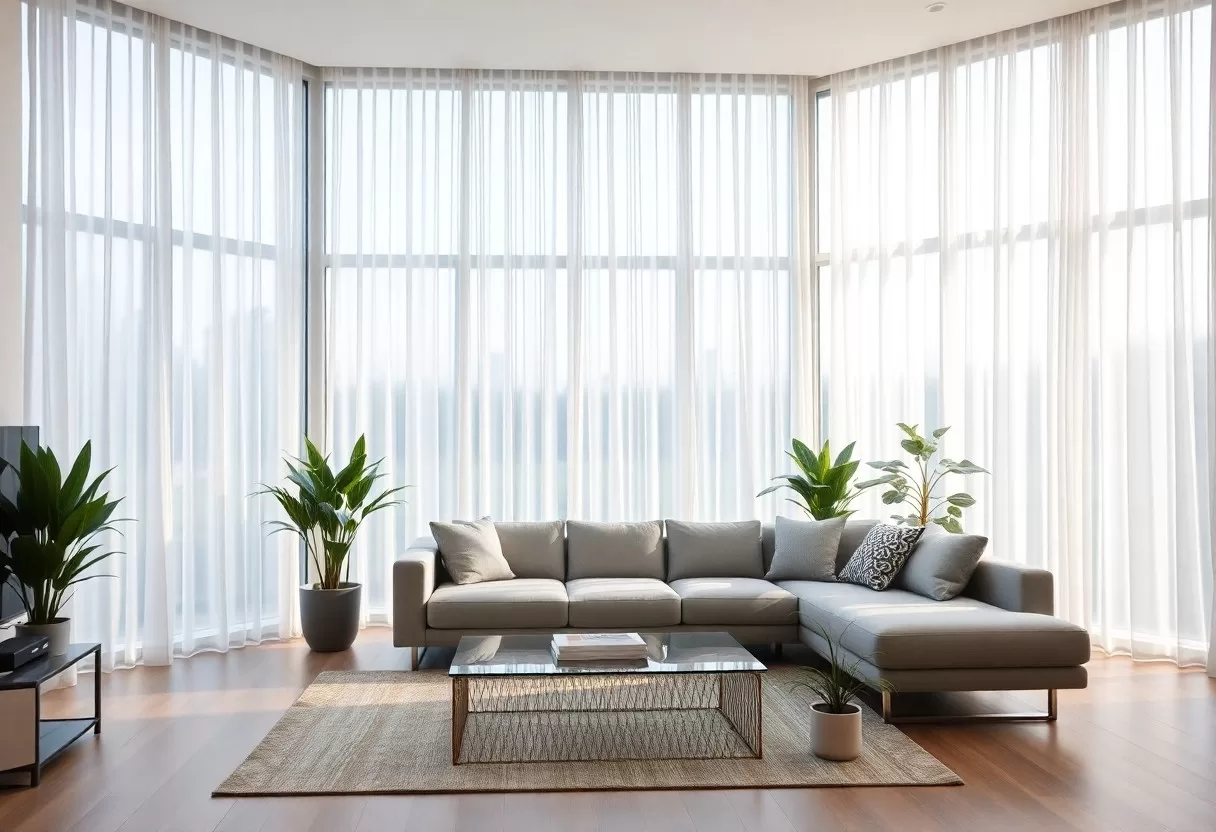
Ditching Heavy Drapes: The Movement Towards Minimal Transparency
The demand for heavy drapes is dwindling, making way for a focus on minimalistic transparency in window treatments. Lightweight fabrics, sheer curtains, and unobtrusive shades are gaining popularity, allowing for a greater exchange of natural light while adding an air of freshness to your spaces. By embracing these lighter options, you can create an atmosphere that feels open and airy, moving away from the claustrophobic weightiness of traditional drapery.
The Influence of Natural Light in Modern Design
Incorporating natural light into your home has a profound impact on its overall aesthetic and ambiance. Designers emphasize large windows and unobstructed views to maximize daylight, which not only enhances the look of your interiors but also boosts your mood. Bright spaces feel more welcoming and can even make smaller areas appear larger and more inviting.
Innovative Window Treatments for Fresh Interiors
Today’s window treatments are all about innovation and versatility. Options like Roman shades, roller blinds, and cellular shades combine style with functionality, allowing you to control light and privacy without sacrificing aesthetics. Motorized or smart window treatments are also becoming more common, offering convenience and sophistication at the touch of a button, perfectly complementing the minimalist design ethos.
These innovative treatments can be tailored to fit your unique decor style and personal preferences. For instance, Roman shades come in a variety of materials and patterns, enabling you to enhance the beauty of your room while ensuring maximum light control. Cellular shades offer energy efficiency by trapping air within their cells, thus regulating temperature throughout the year. This approach not only elevates the look of your interiors but also caters to the growing trend towards sustainability and eco-conscious living. Embracing these modern solutions means a cohesive interior that seamlessly connects with your overall aesthetic vision.

The Shift from Over-Decorated Spaces: Less is More
Over-decorated spaces dominated interior design for years, cluttering rooms with excessive ornamentation and competing aesthetics. Today, however, there’s a noticeable shift toward simplicity as more individuals embrace the idea that less is indeed more. This trend emphasizes the beauty of open spaces, where carefully selected pieces speak for themselves rather than being drowned out by an avalanche of accessories. You’ll find that minimalist designs allow for tranquility and focus, creating a more inviting and serene atmosphere.
Principles of Minimalism in Interior Design
Minimalism in interior design revolves around the idea of functionality and form, where each element serves a purpose. You’ll notice that clean lines, neutral colors, and a lack of clutter dominate minimalist spaces. This balance fosters a peaceful environment, allowing you to appreciate the finer details of each curated item. By reducing distractions, your home becomes a sanctuary that invites relaxation and mindfulness.
The Growing Preference for Functional Decor
A significant trend in today’s interior design is the prioritization of functional decor, where style meets practicality. Homeowners now seek pieces that not only look appealing but also serve a specific purpose, maximizing comfort and usability. Whether it’s a chic coffee table with hidden storage or an elegant lamp that doubles as a sculpture, you’ll find that today’s designs harmonize aesthetics with everyday living.
This shift toward functional decor is evident in the increasing popularity of multifunctional furniture, such as sofa beds and extendable dining tables, ideal for smaller spaces. Research indicates that over 60% of consumers prioritize practicality in their purchasing decisions, reflecting a collective desire for items that improve daily life without sacrificing elegance. You’re likely to find that this combination enriches your living space, making it both stylish and suited to your needs.
Final Words
From above, it’s evident that the world of interior design constantly evolves, pushing outdated trends to make room for fresh aesthetics and functional spaces. As you curate your home, embracing modern styles and steering clear of passé options will enhance your environment. You have the power to create spaces that reflect your personality while staying attuned to contemporary design principles. Stay informed, trust your instincts, and enjoy the process of transforming your living spaces into something genuinely unique.