
Interior Designers Say These Outdated Trends Are Finally Dead
Some outdated interior design trends have run their course. Designers are moving away from fast furniture, all-white everything, matching furniture sets and heavy drapes toward warmer, more personal rooms. Here is what to retire, what is replacing it, and how to make the change without starting from scratch.
Key Takeaways: Outdated Interior Design Trends
- Outdated interior design trends include all-white rooms and matching sets.
- Designers now favor warmer, more personal spaces.
- Small updates can modernize a room quickly.
Table of Contents
The Decline of Fast Furniture: A Shift Towards Quality
The appeal of fast furniture, cheap and quick to assemble, is fading as consumers increasingly value quality over quantity. A particleboard bookcase that sags after two moves is no bargain. Designers now steer clients toward solid wood, metal frames and well-made upholstery that can be repaired, recovered or refinished. Check the joints before you buy: dovetails, dowels or corner blocks hold up far better than staples and cam locks.
Environmental Impact and Consumer Awareness
People are also paying more attention to where furniture ends up. Pieces made from cheap composites and glued veneers are hard to repair and rarely recyclable, so many go to the landfill within a few years. As shoppers ask more questions about materials and sourcing, more makers now list the wood species, finish type and where a piece was built. Look for that information on the tag or product page, and treat a vague description as a warning sign.
The Rise of Sustainable Alternatives
You also have more good alternatives than you did a decade ago. Reclaimed wood tables, vintage dressers, secondhand sofas with new cushions and furniture made from recycled materials are all easy to find. Many small makers pair sustainable materials with careful craftsmanship, so you get a piece that looks good and lasts. Local marketplaces, estate sales and consignment stores are worth checking before you buy new.
When you do shop new, look for third-party labels instead of marketing language. FSC certification tells you the wood came from responsibly managed forests, and GREENGUARD Gold means the product was tested for low chemical emissions, which matters for mattresses and upholstered pieces. Natural fibers like wool, linen and cotton age well and are easy to clean. A good rule of thumb: buy fewer pieces, buy them better, and keep them longer.
The End of All-White Everything: Embracing Colorful Courage
All-white rooms had a long run, but they can feel flat and cold, and they show every scuff. Designers are bringing color back, from deep greens and inky blues to warm terracotta, ochre and clay. You don’t need to paint every wall a bold shade. Start with one room or one wall, or try color on cabinetry, a ceiling or interior doors. Always test paint samples on the wall and look at them in morning and evening light before you commit.
Psychological Effects of Color in Interior Spaces
Color changes how a room feels. Warm colors like red, orange and yellow feel energetic and social, so they suit dining rooms and kitchens. Cool blues and greens feel calmer, which is why they work well in bedrooms and bathrooms. Light matters too: north-facing rooms get cooler light, so warm undertones keep them from looking gray, while south-facing rooms can handle cooler shades. Pick colors for how you want to feel in the room, not just for how a swatch looks.
The Return of Bold Patterns and Textures
Patterns and textures are back, replacing the flat, uniform surfaces of the all-white era. Layering fabrics and materials adds depth even in a neutral room. Think of a nubby wool throw on a linen sofa, a jute rug under a smooth wood table, or a ribbed ceramic lamp beside a glass vase. Texture catches light and shadow, so a room with varied surfaces looks warmer and more finished. Try to include at least three different textures in each room.
Bold patterns work best when you use them with intent. Put a striking wallpaper on one wall, in a powder room or on the back of a bookcase, or bring pattern in through an upholstered chair or a large rug. To mix patterns, vary the scale: pair one large print with a medium one and a small one, and tie them together with a shared color. If the room starts to feel busy, add a solid piece to give the eye a place to rest.
Bye-Bye Matching Sets: Individuality Takes Center Stage
Matching furniture sets, where the sofa, loveseat and chair or the bed, dresser and nightstands all come from one collection, now look dated. They read as a showroom rather than a home. Designers prefer rooms that look collected over time, with pieces that differ in style but still relate to each other. That gives you more freedom to buy what you love one piece at a time instead of committing to a full suite at once.
If you already own a matching set, you don’t have to replace it. Split it up instead. Move one of the matching nightstands to a hallway, swap the other for a small vintage table, or use the loveseat in a home office. Bring in a chair in a different fabric or wood tone, and change the hardware on matching dressers. These small moves break up the showroom look for very little money.
The Appeal of Eclectic and Curated Spaces
Eclectic rooms mix vintage finds, modern pieces and personal objects in one space. Done well, the result feels personal and far less predictable than a catalog room. The trick is editing. Every piece should earn its place, and something should connect them, such as a repeated color, a shared material or a similar line. A mid-century chair, an antique rug and a modern lamp can sit together easily if their colors and proportions relate.
How to Successfully Mix and Match Furniture
Mixing furniture comes down to balance and contrast. Start with a limited palette of three or four colors to anchor the room, then vary the styles within it. Give each room one or two statement pieces, like a sculptural chair or a big vintage cabinet, and keep the rest quieter. Mix materials too. Wood, metal, fabric and glass work together when you repeat each one at least twice, so the mix looks intentional rather than random.
Personal touches, like family heirlooms or art you picked up while traveling, give a mixed room its story. Look for a common thread between pieces, such as color, era or function. Pairing a modern sofa with a vintage coffee table is a classic contrast that almost always works. Keep scale in mind: a coffee table should be about two-thirds the length of the sofa and sit roughly 14 to 18 inches from it. Above all, choose pieces that suit how you live, so the room is comfortable as well as good-looking.
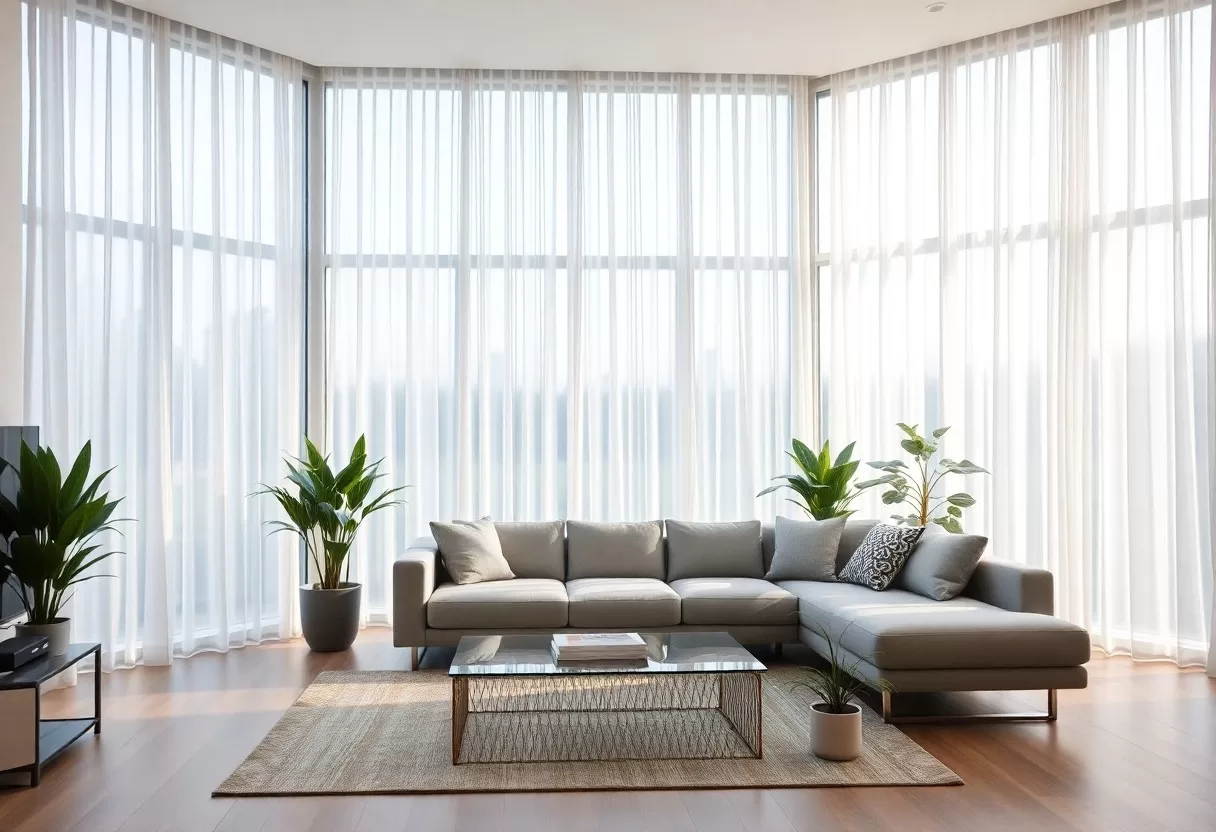
Ditching Heavy Drapes: The Movement Towards Minimal Transparency
Demand for heavy drapes is dropping as people move toward lighter window treatments. Thick lined swags and valances block daylight, collect dust and make a room feel smaller. Sheer curtains, linen panels and slim shades let in more natural light while still giving you some privacy. If you need darkness in a bedroom, pair a sheer panel with a blackout roller shade mounted inside the frame. You get a light, airy look by day and full darkness at night.
The Influence of Natural Light in Modern Design
Daylight has a big effect on how a room looks and feels. Designers favor large windows and clear sightlines to bring in as much natural light as possible, which makes rooms look brighter, more open and often larger. Hang curtain rods about 4 to 6 inches above the window frame, or closer to the ceiling, and extend them 8 to 12 inches past each side. When the panels are open, they then sit beside the glass instead of covering it.
Innovative Window Treatments for Fresh Interiors
Today’s window treatments put function first. Roman shades, roller blinds and cellular shades all let you control light and privacy with a clean look that suits simpler interiors. Motorized and smart shades are now more common and more affordable, and they are especially handy for tall or hard-to-reach windows. You can set them on a schedule to lower in the afternoon sun, which also protects floors and furniture from fading.
You can match these treatments to almost any style. Roman shades come in many fabrics and patterns, from crisp linen to woven grass, so they add softness without the bulk of drapes. Cellular shades trap air in their honeycomb cells, which adds insulation and helps keep rooms warmer in winter and cooler in summer. For a consistent look from outside, use the same treatment or color in every room that faces the street. Measure carefully, and decide early whether you want an inside or outside mount.

The Shift from Over-Decorated Spaces: Less is More
Over-decorated rooms ruled for years, with every surface covered in accessories and too many styles competing for attention. Now the move is toward simpler rooms, and more people agree that less is indeed more. The idea is to let a few well-chosen pieces stand out instead of burying them in clutter. A good test: if you can’t dust a shelf in under a minute, it probably holds too much. Calmer rooms are easier to clean, easier to live in and easier to update later.
Principles of Minimalism in Interior Design
Minimalism centers on function and form, with every item serving a purpose. Clean lines, a restrained palette and clear surfaces define the look. It doesn’t have to feel cold, though. Warm woods, soft textiles and a few plants keep a minimal room inviting. Hidden storage does most of the work, since closed cabinets and drawers keep everyday items out of sight. With fewer distractions, you notice the details of the pieces you kept, and the room feels restful.
To get started, declutter one area at a time rather than the whole house at once. Take everything off a shelf or tabletop, clean it, and put back only what you use or love. Group small items in odd numbers, such as three objects of different heights, and leave some empty space around them. Store the rest out of sight or donate it.
The Growing Preference for Functional Decor
One of the strongest shifts in interior design is toward functional decor, where style and practicality go together. People now want pieces that look good and do a job. A coffee table with hidden storage, a bench with baskets underneath or a sculptural lamp that also lights a reading corner all earn their space. Before you buy a decorative item, ask what it does for you beyond looking nice. If the answer is nothing, make sure you love it.
Multifunctional furniture is a big part of this shift, especially in smaller homes. Sofa beds, extendable dining tables, nesting side tables and ottomans with storage let one room serve several uses. Many buyers now put practicality near the top of their list and look for pieces that make daily life easier without looking utilitarian. When you shop, test the mechanism in the store. A sofa bed or drop-leaf table you can’t open easily will rarely get used.
Final Words
Interior design keeps changing, and outdated looks give way to fresher, more practical rooms. As you update your home, focus on quality pieces, color you enjoy, a mix of styles that feels personal, lighter windows and less clutter. You don’t need to follow every trend. Pick the changes that fit how you live, make them one room at a time, and trust your own taste. A home that reflects you will stay in style longer than any trend.
Preview an updated look for your room with the free AI interior design generator.
What’s your interior design style?
Answer 6 quick questions to discover the style that fits you — and how to bring it home.
Frequently Asked Questions
What interior trends are going out of style?
All-white rooms, perfectly matching furniture sets, heavy drapes, fast furniture and overly gray palettes are fading. Warmer colors, mixed materials, vintage pieces and natural textures are replacing them.
How can I update my home without a full renovation?
Change paint colors, swap lighting, replace hardware, add textiles and mix in a few vintage or handmade pieces. These updates make the biggest visual difference for the least cost.
Related Guides
