
Night Gardens – How to Design Spaces That Glow After Dark
A night garden is designed to be enjoyed after sunset. Soft lighting, white and silver plants that catch moonlight, night-fragrant flowers and layered textures turn an ordinary yard into a place you actually use in the evening. Here is how to plan one, from fixtures and plants to color, paths and scent.
Table of Contents
Key Takeaways:
- Mix ambient, task and accent lighting to give the garden depth after dark.
- Choose pale, silver or glossy plants that catch light at night.
- Light paths and seating areas so people can move around safely.
Illuminating the Ambiance: Choosing the Right Lighting Fixtures
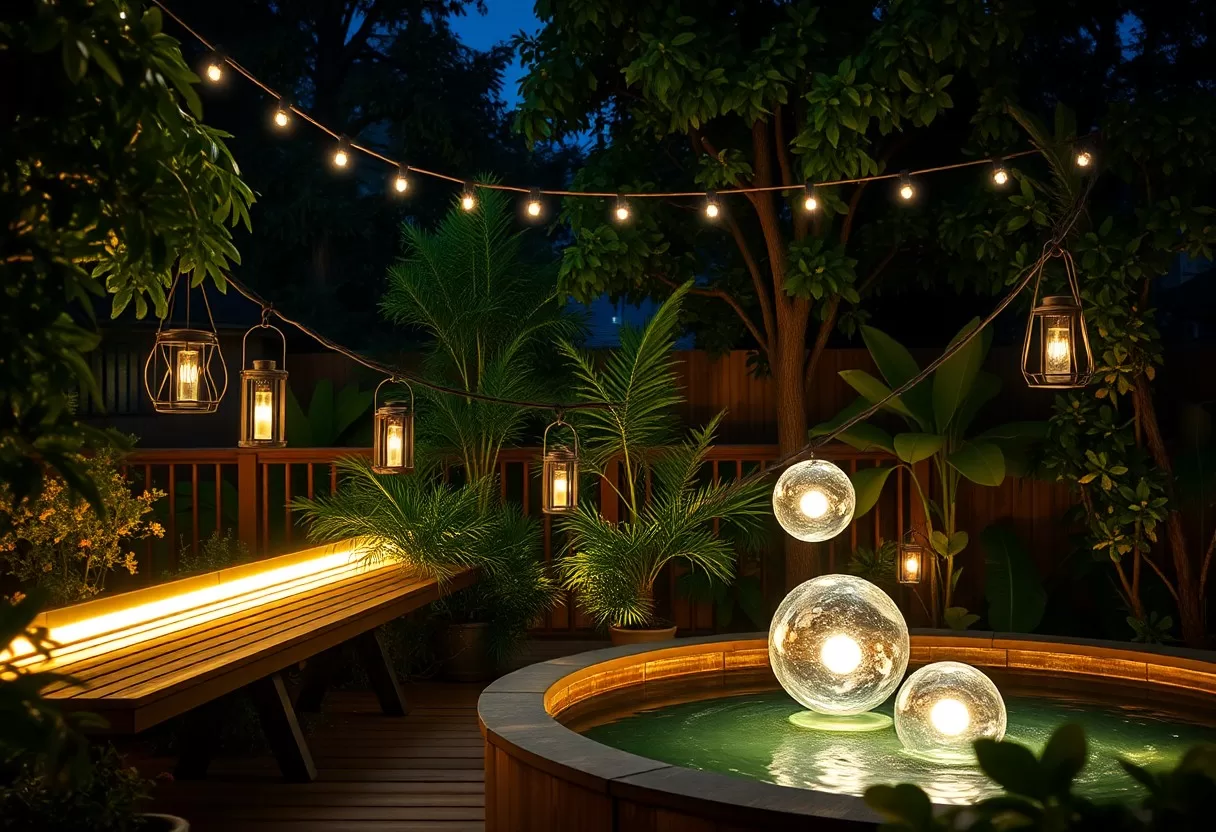
The right fixtures shape both the mood and the usefulness of your night garden. Use a mix of styles and purposes: light the places you need to see, mark paths, and pick out a few focal points. Choose warm white bulbs, around 2700 to 3000 K, which feel relaxed and flatter both plants and skin. Dimmable fixtures, or a simple timer and smart plug, let you turn things up for a party and down for a quiet evening.
Types of Lighting: Soft vs. Task vs. Accent
Most gardens need three kinds of light, each with its own job. Soft, or ambient, lighting sets a warm, cozy mood. Task lighting lets you see what you’re doing at the grill, potting bench or steps. Accent lighting picks out a sculpture, a specimen tree or an interesting wall. Shield fixtures so you see the glow, not the bulb, since glare is one of the most common mistakes in garden lighting.
- Soft lighting sets a warm, relaxed mood.
- Task lighting supports functionality.
- Accent lighting showcases garden features.
- Incorporate dimmers for control.
- Balancing the three types keeps the garden useful and inviting.
Integrating Solar and LED Solutions for Sustainability
Solar and LED lights are kinder to the environment and cut the running costs of your night garden. Solar lights charge from sunlight during the day and switch on at dusk, so they need a spot with several hours of direct sun. LEDs use much less electricity than old incandescent bulbs and can last for many thousands of hours. Used together, they give you a well-lit garden with very little waste.
Plan where each type fits in your night garden design. Solar stakes are cheap, easy to move and need no wiring, which makes them great for path edges and borders far from an outlet. They are dimmer, though, and less reliable after cloudy days. For brighter, dependable light on steps, patios and trees, a low-voltage 12-volt LED system on a transformer and timer is the better long-term choice. Using both gives you flexibility without high energy bills.
Plant Selection for a Nighttime Oasis
Choosing the right plants matters as much as the lights. Look for varieties that suit your site’s sun and shade during the day, then ask how they will look at night. Pale flowers, silver leaves, strong shapes and evening scent all count. Think about how plants react to both moonlight and your fixtures, and plan something of interest for every season, such as ornamental grasses or white-barked birch in winter, so the garden stays worth visiting year-round.
The Best Plants for Moonlight and Night Blooms
Pick plants that bloom at night or have pale flowers, such as evening primrose, moonflower and night-blooming jasmine. White and cream petals reflect what little light there is and almost seem to float in the dark, while the fragrant ones add another layer of interest. Moonflower grows as a fast annual vine in most climates and needs a trellis and full sun. Night-blooming jasmine is frost-tender, so in cold areas grow it in a pot you can bring inside for winter.
Foliage that Reflects Light: Enhancing Your Garden’s Glow
Add foliage that catches and reflects light. Plants with silvery, variegated or glossy leaves, such as lamb’s ear and silver sage, show up well in low light and seem to glow. Both like full sun and well-drained soil, so they suit sunny borders and path edges. Place them near your fixtures or along the edge of a path, so even a little light makes them stand out.
Leaves can do a lot of the work after dark. Hostas with white or cream edges, or the blue-gray varieties, act as natural reflectors in shady spots where flowers struggle. Mixing leaf shapes and angles adds texture and depth. Group these light-colored plants together or set them near path lights to create focal points that draw the eye and give the garden more presence at night.
Color Palette under the Stars: Designing with Night in Mind
Your color palette shapes the mood of a night garden. Deep tones like navy, plum or emerald on cushions, pots or a painted fence create a calm, intimate backdrop, but keep in mind that they nearly vanish once the sun goes down. Their job is to make lit areas and pale plants stand out by contrast. Reflective touches such as metal planters, glazed pots or an outdoor mirror on a wall bounce light around and add shimmer.
Choosing Colors for Evening-Vibrant Spaces
Bright reds and oranges bring energy by day, but in your night garden they turn dark and muddy without light, because our eyes pick up red poorly in dim conditions. If you love warm colors, plant them near seating or under warm lights where they will still show. Pair them with white, pale yellow and silver plants, which stay visible after dusk, so the garden still reads well once the light fades.
The Psychological Impact of Color Choice in Night Gardens
The colors in your night garden affect how the space feels. Warm tones tend to feel cozy and welcoming, while cooler shades feel calm and restful. Blue and green are widely linked with relaxation, which makes them a good fit for a spot meant for unwinding at the end of the day. Color response is personal, though, so choose shades you enjoy and that suit the mood you want.
Soft blues and greens on cushions, pots or lighting accents suit a quiet corner of your night garden where you want to unwind. Warmer reds and oranges feel lively and work well around a dining table or fire pit for gatherings with friends. Tailoring each area this way lets the garden look good and support the moods you want. Colors tied to personal memories, like a flower from a childhood garden, can make the space feel even more like your own.
Textures and Layers: Crafting Depth for After-Dark Interest
A memorable night garden depends on the textures and layers you build in. Varied materials and plant heights give the eye something to explore and keep the garden feeling alive after dark. Mix smooth stones, rough bark and different leaf types. Place plants at several heights and add a sculpture or small water feature for interest. Layering pays off by day too, and at night it creates the shadows and highlights that give the garden depth.
Incorporating Multi-Layered Plantings for Visual Intrigue
Multi-layered plantings hold attention by building a rich mix of textures and colors. Put tall plants like foxgloves or hollyhocks at the back, mid-height perennials in the middle, and low growers such as sedums or creeping thyme at the front. Each layer frames the next and creates clear silhouettes, even in very low light. Vary leaf shapes and sizes too, which gives you reasons to wander and see the garden from different angles during the evening.
Using Hardscapes and Pathways to Enhance Nighttime Navigation
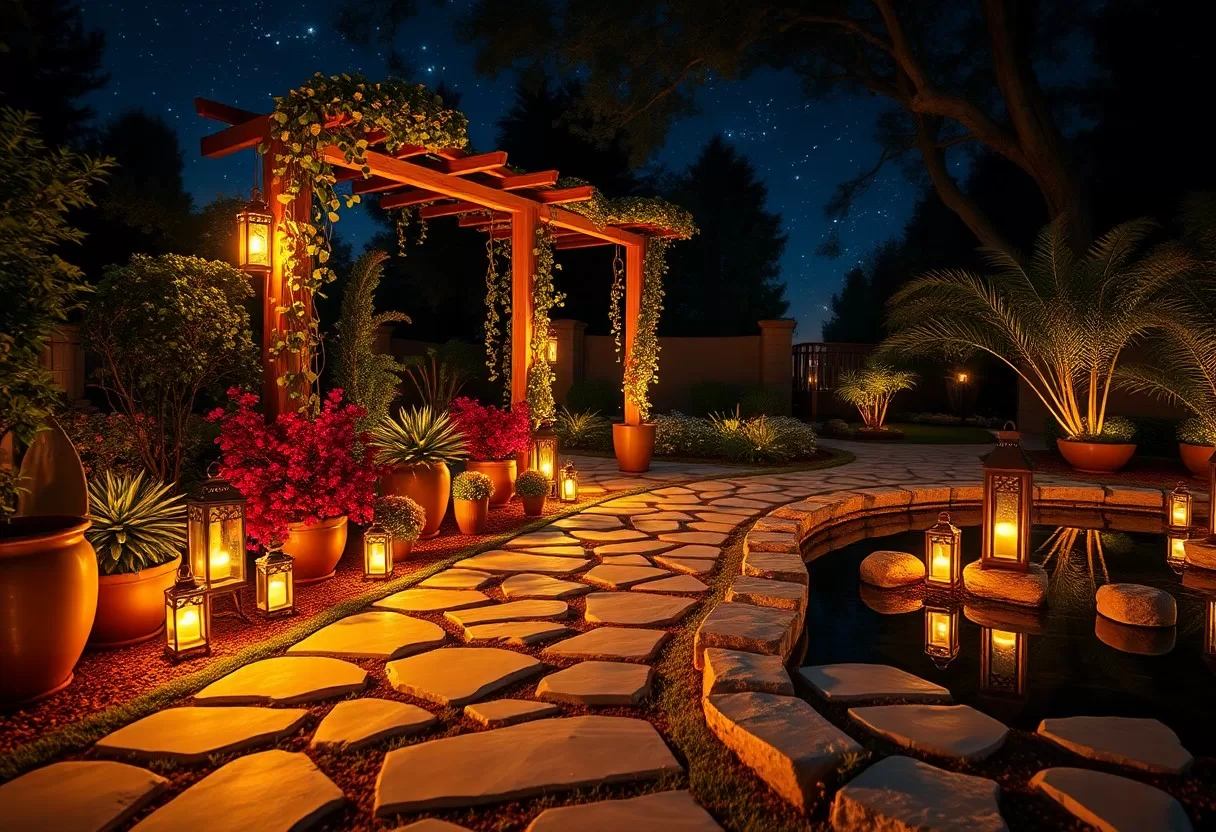
Well-planned hardscapes and paths keep your night garden both attractive and safe. Textured pavers or smooth stones set against gravel or lawn clearly mark where to walk. Make main paths at least 3 to 4 feet wide so two people can stroll side by side. Low path lights, staggered on alternate sides and spaced roughly 6 to 10 feet apart, guide visitors without the runway look of fixtures lined up in pairs. Gentle curves invite people to explore different parts of the garden.
Hardscapes give structure, and with lighting they can become focal points in their own right. Lit stepping stones or a softly lit gravel path draw the eye and help people feel sure of their footing. Always light steps, either from the side or with fixtures built into the risers, since level changes are easy to miss in the dark. Cobblestones or old bricks add character, and a narrow, winding path adds a sense of adventure as guests wander past the plants, keeping your night garden a favorite spot long after sunset.
The Role of Sound and Scent in Night Gardens
A night garden isn’t only about what you see. Sound and scent matter just as much after dark, when your eyes take in less. Adding elements that engage your other senses makes the garden feel immersive. The right mix of gentle sounds and fragrant flowers creates a calm or even romantic mood and draws nocturnal wildlife, turning the garden into a small ecosystem that stays busy under the moonlight.
Attracting Nocturnal Pollinators with Soundscapes
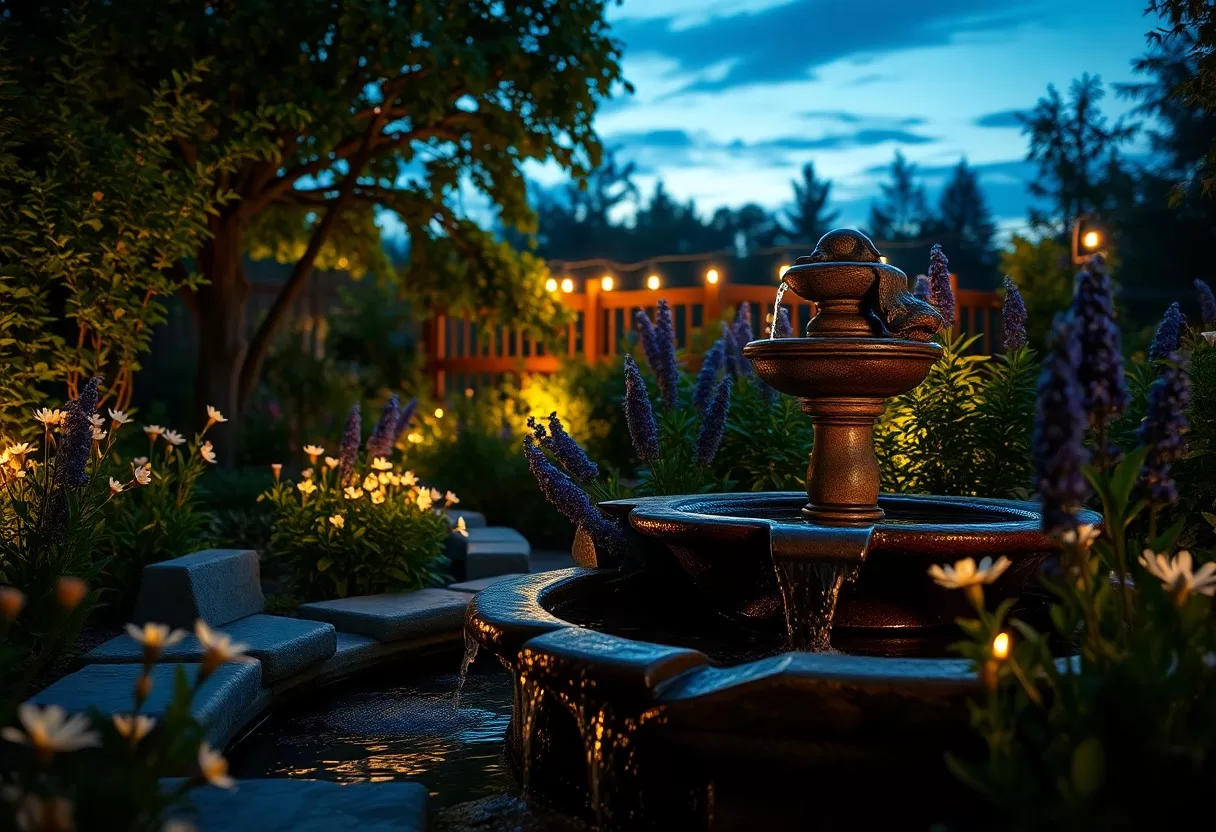
Sound in your night garden is mostly for you. A small fountain or bubbling bowl and soft wind chimes create a soothing background and can mask traffic noise. Nocturnal pollinators such as moths respond to scent and pale flowers rather than sound, so plant for them first. A shallow water source does help wildlife, and the insects your night bloomers attract can bring in bats, which eat large numbers of insects and add to the garden’s biodiversity.
Using Aromatic Plants to Create a Sensory Experience
Fragrance is one of the best parts of a night garden. Plants like jasmine, night-blooming cereus and flowering tobacco (nicotiana) smell strongest in the evening, the same time moths come out to pollinate them. Night-blooming cereus is a cactus that usually flowers on just a few nights a year, so treat it as a special event rather than a staple. Plant a mix so that different scents take turns through the season.
Aromatic plants make your night garden feel immersive. Jasmine releases most of its fragrance after sunset, and the air can turn sweet as you walk by. Night-blooming plants release scent to attract moths, which helps pollination and supports local wildlife. Place fragrant plants near seating, windows and doors where you will notice them, and light them gently so you can see what you are smelling. Spread scented plants around the garden rather than clustering them, so one scent does not overpower the others.
Room lighting calculator
Find how many lumens a room needs and how to split them into layers.
To wrap up
As you plan your night garden, focus on the right plants, well-placed lighting and comfortable seating. Choose textures and colors that stand out in low light, and keep up with basic care like cleaning fixtures, checking timers and trimming plants that block lights. With those elements in place, your yard becomes a relaxing retreat that glows after dark, and you and your guests can enjoy many evenings under the stars.
FAQ
Q: What are Night Gardens?
A: Night Gardens are specially designed outdoor spaces that emphasize elements that are visually appealing and functional after dark. They incorporate lighting, fragrant plants, and reflective surfaces to create a magical atmosphere in the evening hours.
Q: How can I incorporate lighting effectively in my Night Garden?
A: Effective lighting can be achieved through ambient, task, and accent lighting. Utilize pathways with low-level lanterns for safety, string lights to create a cozy atmosphere, and spotlights to highlight key features such as trees or sculptures.
Q: What plants are best suited for a Night Garden?
A: Choose plants that bloom or emit fragrant scents during the evening. Night-blooming jasmine, moonflowers, and evening primrose are excellent options. Additionally, select plants with silver or variegated leaves that stand out in low light.
Plan lighting and plant placement with the free AI garden and landscape designer.
Related Guides
