
Designing for Neurodiversity – Home Environments for Autism, ADHD and Sensory Needs
Homes designed for neurodiversity reduce sensory overload and support focus, routine and calm. Thoughtful lighting, acoustics, color, clear zones and quiet retreats help people with autism, ADHD and sensory sensitivities feel at ease. Here are the key design principles and how to involve the people who will live there.
Table of Contents
Key Takeaways: Neurodiversity Home Design
- Choose calm colors and soft, sensory-friendly materials to reduce overload for people with sensory sensitivities.
- Plan flexible spaces that can change with the activity, so the home stays comfortable and less overwhelming.
- Make sure everyone can reach natural light and a quiet spot, which supports focus and emotional balance.
Understanding Neurodiversity
Defining Neurodiversity
Neurodiversity describes the natural variation in how people think, learn and process the world. Autism, ADHD, dyslexia and similar conditions are seen as differences that come with both strengths and challenges, not simply as deficits. Good neurodiversity home design starts from that idea. Instead of one “correct” layout, you shape the home around how the people living there actually experience light, sound, texture and routine, so daily life feels easier and more comfortable.
The Spectrum of Autism and ADHD
Autism and ADHD are both called spectrums for good reason. Autism can affect communication, social interaction and sensory processing in very different ways from one person to the next. ADHD is usually described as inattentive, hyperactive-impulsive or combined, and traits vary widely. Because of this range, there is no single checklist that works for everyone. The best homes are built around the specific person, with strategies chosen to match their sensory and daily-life needs.
Understanding where someone sits on that spectrum shapes the design. Autistic people range from non-speaking to highly verbal, and some are sensitive to sound or light while others seek out strong sensory input. People with ADHD differ in how easily they lose focus and how much movement they need. Watch how the person actually uses the home. You might add calming colors and a quiet corner for someone who gets overwhelmed, or a clear, uncluttered study area for someone who gets distracted easily.
Key Sensory Considerations
Understanding Sensory Processing
Sensory processing differs a lot between people, especially for those who are neurodivergent. For someone with autism or ADHD, the same input can feel far too strong or barely noticeable, and both can make daily life harder. You may notice that a buzzing light, a scratchy fabric or the hum of a fridge triggers a strong reaction. Keep a simple note of what helps and what upsets, since that sensory profile becomes your design brief.
Creating a Sensory-Friendly Space
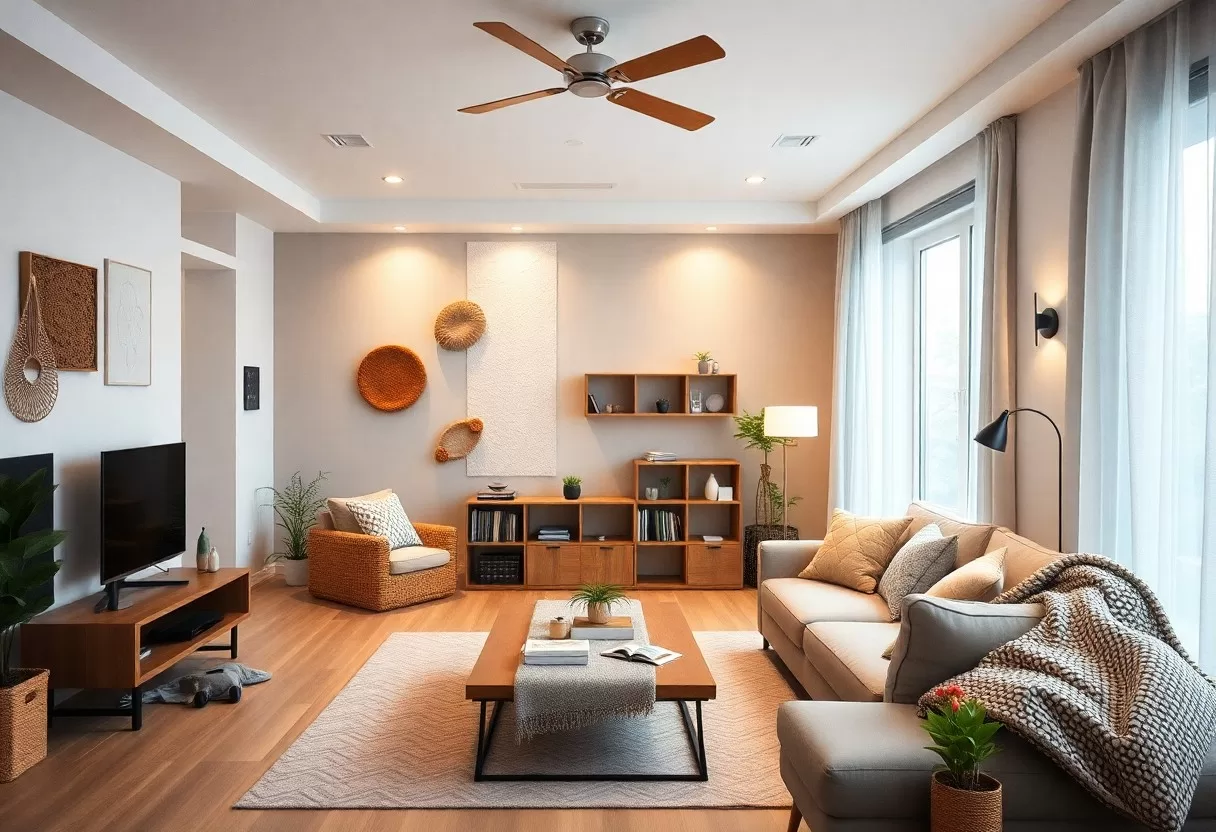
A sensory-friendly space cuts down on overwhelming input while adding things that feel good. Start with soft, indirect lighting, sound control such as rugs, curtains and acoustic panels, and calm wall colors. Then add pleasant textures, like a thick rug, a soft throw or a textured wall panel, for people who seek touch. The aim is a room that helps the person settle, focus or rest, depending on what they need at that moment.
Within a sensory-friendly home, it helps to give each activity its own area. A quiet nook with soft furnishings works as a retreat, while a more active, tactile play corner suits kids who need movement and exploration. Dimmable lights and sound control let each person adjust the space. Weighted blankets, fidget tools and noise-canceling headphones can add comfort and focus when needed. Keep these items in the same spot every time, so they’re easy to find during a stressful moment.
Design Principles for Neurodiverse Homes
When you build or remodel a home for neurodivergent needs, good design puts comfort, safety and function first. The space should feel welcoming and predictable while keeping sensory overload low. That comes down to careful choices in materials, layout and overall atmosphere, with every area serving a clear purpose that supports daily activities and routines. Predictability matters: when rooms are used the same way every day, many people find transitions easier.
Color and Lighting Choices
Choosing the right colors and lighting goes a long way toward a calm home. Soft, muted tones such as sage, warm gray or pale blue tend to feel less stimulating than bright, saturated colors. Avoid flickering bulbs and harsh overhead glare. Use warm white light around 2700 K in the evening, and add adjustable lighting, such as dimmers or smart bulbs, so you can set the brightness for the task or mood.
Space Organization and Flexibility
Good space organization includes different areas for different activities. Flexible layouts let you change the room as needs shift, from a quiet reading nook to an open area for family time. Modular furniture, like movable shelving or ottomans that double as storage, makes those changes easy and helps keep the floor clear.
Look at the size and shape of each room so people can move around easily without bumping into furniture. Clear walkways, roughly 36 inches wide, help with flow and reduce stress. Multifunctional zones can support focused work and social time in the same room. This flexibility encourages independence and choice, which is essential for managing anxiety and overstimulation. Place comfort items, such as a weighted blanket or calming pictures, where they’re easy to reach, so the room balances structure and freedom.
Creating Zones for Different Activities
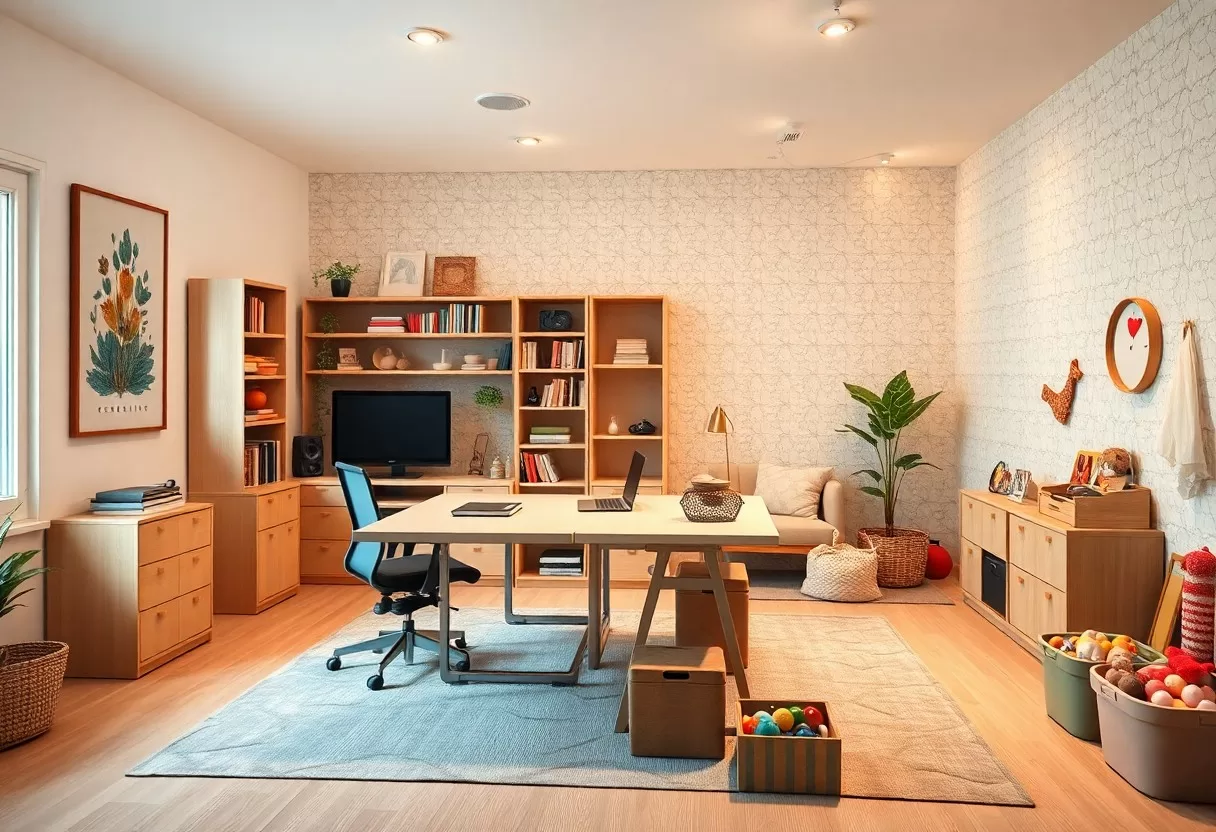
Giving each activity its own area helps people with autism, ADHD or sensory sensitivities do what they need without competing input. Separate zones for play, work and rest mean the environment matches the activity. Even in a small home, a rug, a bookcase or a curtain can mark a zone clearly. For research on how spaces can respond to sensory needs, see Sensory Responsive Environments: A Qualitative Study on ….
Focus Areas
Focus areas should keep distractions to a minimum. Face the desk toward a plain wall rather than a window or the TV, use adjustable task lighting, and add sound-absorbing materials such as a rug, cork board or fabric panels. Simple storage with labeled bins keeps supplies tidy and cuts visual clutter, which makes it easier to start and finish tasks.
Relaxation Spaces
Relaxation spaces give each person a set place to decompress and recharge. A quiet zone can be as simple as a corner with comfortable seating, soft lighting and sensory-friendly items like a bean bag or weighted blanket. A small tent or canopy can make the spot feel enclosed and safe for kids who like a den-like retreat from overstimulation.
Calming touches make relaxation spaces work better, such as nature-inspired decor, plants or a mild, familiar scent if the person tolerates it. Offering choices, like fidget toys or a relaxation app, lets each person tailor the space to their preferences. When the room feels comfortable and secure, it becomes a dependable retreat during sensory overload and a place to practice self-regulation.
Incorporating Technology in Design
Technology can make daily life easier for neurodivergent people at home. Resources such as Sensory-Friendly Home Design for Neurodivergent Families offer helpful ideas. Smart lighting that adjusts with a tap or on a schedule, along with good sound insulation, can make a home calmer and more predictable. Start with one or two devices and add more only if they help, because too much tech can become its own source of stress.
Smart Home Solutions
Smart home devices give you flexible ways to manage the sensory environment. Programmable smart lights let you control brightness and color, setting a calm evening scene automatically. Smart thermostats keep the temperature steady, which matters for people who are sensitive to heat or cold. This kind of predictability can reduce anxiety and help everyone feel safer at home.
Assistive Technologies
Assistive technology supports everyday tasks and can make life noticeably easier. Voice-activated systems, for example, let people control lights, music and reminders hands-free, which helps people with ADHD or sensory sensitivities move through their day with less friction.
Assistive tools go further than basic controls. Some wearable devices track signs of stress, such as heart rate, and prompt you to take a break before things become overwhelming. Organization and time management apps are especially helpful for people with ADHD, offering reminders, visual timers and routines. Choose tools based on what the person will actually use, and review them every few months as needs change.
Collaborating with Neurodiverse Individuals
Good design for neurodivergent people starts with listening to them. Involving people with autism, ADHD or sensory sensitivities in the design process helps you create spaces that genuinely meet their needs. When they take part in decisions, the home reflects their real preferences, and the result feels safe, comfortable and practical. For children, even small choices, like picking a wall color from two calm options, give a sense of control.
Importance of Input and Feedback
Gathering input from the people who will live in the space is essential for meeting their sensory and emotional needs. It helps you learn specific preferences about lighting, colors and layout. Use surveys, interviews and workshops, or simply walk through each room together and ask what feels good or bad. For non-speaking family members, picture cards or trying out samples can work better than questions. This also gives people a sense of ownership over their space.
Customizing Environments
Customizing each space based on feedback makes sure it fits the specific person. That can mean adjustable lighting, a mix of textures and furniture placed where it works best for them. Building in flexibility, such as lights on dimmers and furniture that moves easily, makes the space more comfortable for both focused work and rest.
Take adjustable lighting as an example. Many neurodivergent people like daylight during the day but need softer, controlled light in the evening to avoid overstimulation. Tactile elements such as different surface textures, along with sound-absorbing materials, can also make a room more comfortable. When you customize these details, each area supports both daily function and emotional well-being, giving the person a home that feels safe and suited to them.
Summing up
Considering all points, designing homes for autism, ADHD and sensory needs comes down to flexibility, comfort and sensory-friendly choices. Create adaptable spaces, use calm colors and add sound-absorbing materials to cut distractions. Keep routines and storage predictable. Most of all, design around the actual people who live there and keep adjusting as their needs change. The result is a more inclusive home that supports everyone’s sensory needs and helps each person feel secure.
Acoustic panel calculator
Estimate how much sound absorption a room needs to cut echo for work, movies or music.
FAQ
Q: What are some key design elements for creating a sensory-friendly home environment for individuals with autism?
A: Important design elements include the use of soft lighting to reduce glare, the incorporation of soundproofing materials to minimize auditory distractions, and the selection of calming color palettes. Textures should be soft and varied to promote comfort, and the layout should provide open spaces to avoid overwhelming sensations.
Q: How can I effectively organize a home for individuals with ADHD?
A: Organizing a home for ADHD involves creating clear, defined spaces for different activities. Use labels and color coding to help with organization. Ensure that frequently used items are easily accessible while minimizing clutter. Additionally, incorporating timers and visual schedules can enhance focus and time management.
Q: What strategies can be implemented to accommodate sensory needs in living spaces?
A: To accommodate sensory needs, consider using adjustable lighting options, such as dimmer switches and natural light sources. Incorporate elements like weighted blankets and noise-cancelling headphones. Designate quiet areas for retreat, and provide sensory tools, such as fidget toys or calming scents, within easy reach.
Plan calm zones and quiet retreats in the free 3D room designer.
Related Guides
